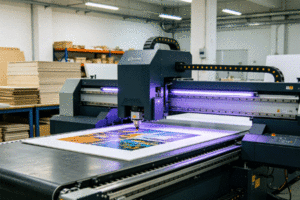
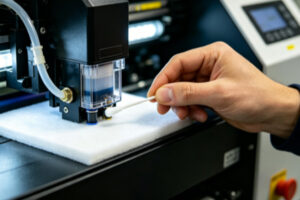
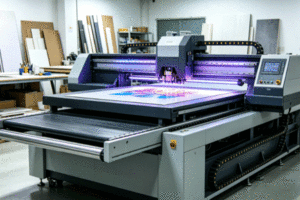
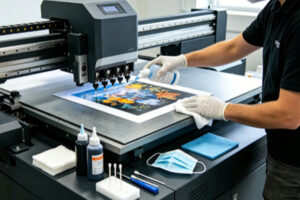
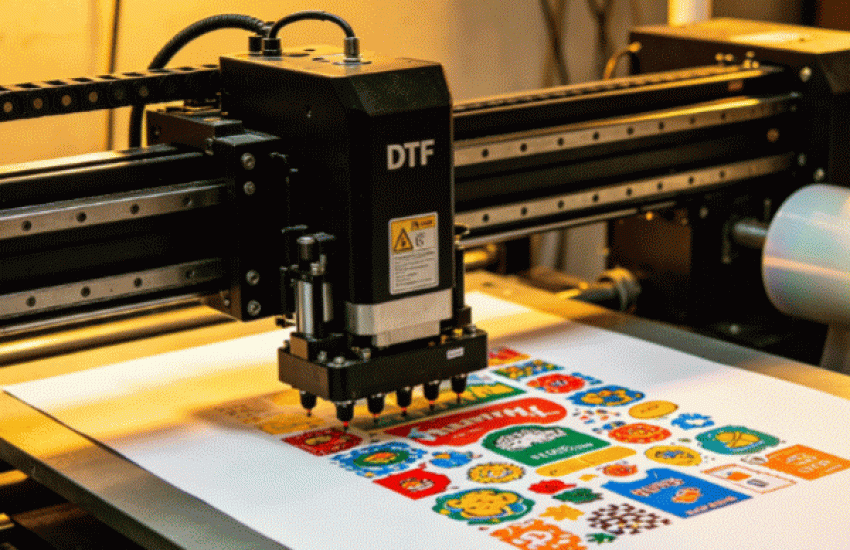
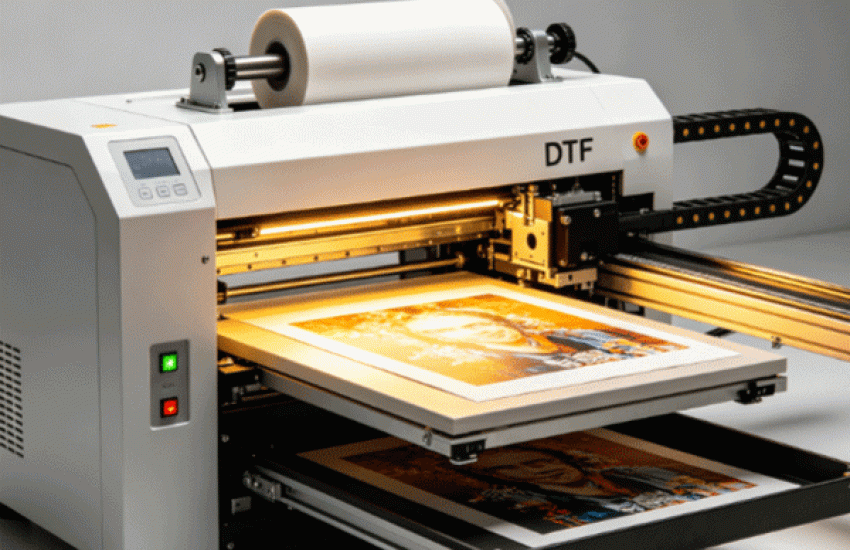
Whether a DTF printer is stable often determines whether a production line can truly get up and running. Many machines show no obvious problems during
DTF printing has become a very common process in apparel customization and personalized merchandise thanks to its fine image detail, wide material compatibility, and high
In an increasingly competitive e-commerce environment, selling only standardized ready-made products is no longer enough to meet consumer expectations. More and more users want products
The final quality of DTF printing is often determined during the file preparation stage. A design that looks complete on screen may show blurred edges,
With the continued growth of apparel customization, event materials, and fast-delivery orders, many factories are re-evaluating their production processes: has DTF printing already become capable
On the surface, the DTF process is just a few steps—“print, powder, dry, heat press”—but in real production, problems often arise from a single detail.
DTF printing may seem as simple as outputting a design onto film and then transferring it onto fabric through heat pressing, but once production begins,
In DTF heat transfer production, temperature is often one of the most closely watched and most easily misjudged parameters. It not only determines whether the
DTF printing may seem like simply transferring designs onto film, but the actual factors that determine product stability, color consistency, and transfer durability are often
When the edges of a DTF printed product show fine threads, trailing marks, or ink lines that are not crisp enough, the design can look