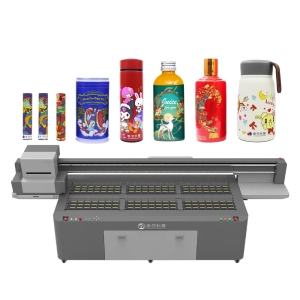
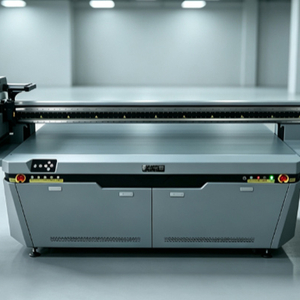
Consumers often judge whether a product is premium not only by its functional specifications, but also by its visual details and tactile experience, which significantly influence first impressions. While traditional flat printing can reproduce rich colors, it struggles to create a strong sense of depth on product surfaces. 3D texture printing uses multi-layer UV ink deposition and instant curing to build a three-dimensional, both visible and touchable texture structure on materials, making effects such as wood grain, leather, stone, matte finishes, and embossed logos more realistic. When visual depth is combined with tactile feedback, it not only improves product recognition but also creates higher added value for brands.
Three-Dimensional Texture Makes Product Appearance More Layered
Flat patterns mainly rely on color and light-dark contrast to create visual effects, whereas 3D texture printing introduces real height variations, giving product surfaces a stronger sense of space and dimensionality.
Simulating Real Material Effects
3D texture printing integrates patterns with physical structure through digitally controlled ink layer thickness.
- Wood grain shows more natural undulating textures.
- Marble and stone textures gain more realistic depth.
- Leather and fabric patterns combine both visual and tactile expression.
- Logos, text, and graphics can form localized raised effects.
This approach allows ordinary panels, packaging, or decorative materials to achieve a visual appearance close to natural materials.
Enhancing Light and Shadow Effects and Visual Impact
Three-dimensional surfaces create varying reflections under different lighting angles, allowing the same pattern to display richer visual layers. Compared with flat printing that relies only on color variation, 3D texture significantly enhances surface visual performance. For high-end packaging, display panels, home décor, and brand signage, this dimensional effect is more likely to attract attention and strengthen memorability.
Tactile Experience Helps Create a Premium Feel
Product quality is not only about “looking premium”; the real feedback from touch also influences how consumers perceive value.
Extending Visual Experience into Tactile Experience
Traditional printing mainly provides visual effects, while 3D texture printing adds a tactile dimension. When consumers touch raised logos or textures such as leather and wood grain, they can clearly feel surface variations, which enhances product memorability and makes brand expression more dimensional. Studies also show that UV inkjet technology, through multi-layer deposition and curing, can form 3D textures on material surfaces while improving both visual and tactile performance.
Texture Details Strengthen Product Design Expression
Different textures convey different product personalities and brand positioning.
- Wood grain: natural and warm.
- Metal texture: technological and industrial feel.
- Leather texture: mature and premium quality.
- Embossed logo: strengthens brand recognition.
- Partial varnish: creates contrast between matte and gloss.
Designers can adjust texture height, density, and distribution to ensure visual consistency with brand identity.
3D Texture Printing Increases Product Added Value
When products become increasingly similar in function and material, differences in appearance and touch become key competitive advantages for brands.
Ordinary Materials Can Achieve Differentiated Effects
3D texture printing enables digital decorative upgrades on a wide range of common materials, improving visual performance and design flexibility.
- Wide material compatibility: applicable to glass, acrylic, wood panels, PVC, and metal surfaces.
- Three-dimensional visual effects: adds relief depth to flat materials, enhancing texture.
- No complex molds required: reduces traditional engraving or tooling costs and time.
- Design-driven production: textures can be quickly adjusted via design files.
- Suitable for multiple production models: supports new product development, small-batch customization, and multi-style production.
Through digital methods, companies can achieve more efficient product appearance upgrades and differentiation.
Premium Effects Create Greater Pricing Potential
When products feature clear visual depth and tactile differences, consumers are more likely to perceive increased value. In areas such as gift packaging, cosmetic boxes, home décor panels, and electronic device casings, 3D texture can become a key factor for premium pricing. Companies can also develop high-end product lines based on embossed logos, special textures, and partial varnish effects, thereby increasing overall profit margins.
Digital Production Makes Quality Upgrades More Flexible
3D texture printing not only changes decorative effects but also reshapes product design and manufacturing methods.
No Complex Molds Required for Fast Texture Changes
Compared with traditional processes that rely on molds or mechanical adjustments, digital UV texture printing only requires design file modifications to update patterns.
- New textures can be quickly prototyped and tested.
- Custom logos can be created for different clients.
- Co-branded and limited-edition products are easier to develop.
- Small-batch production eliminates mold costs.
- One machine supports multiple texture styles.
This flexibility makes it highly suitable for personalized customization and multi-category production.
Simultaneous Improvement of Visual Quality and Production Efficiency
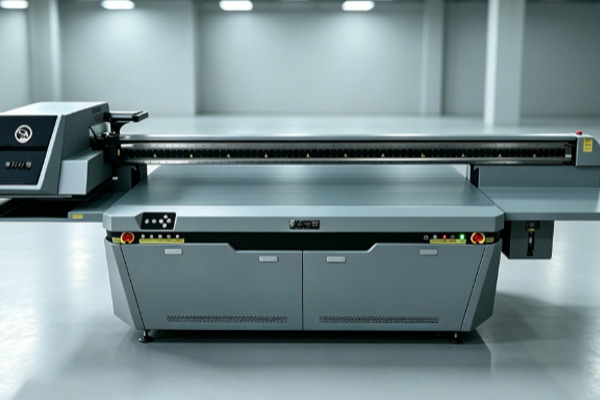
Industrial UV printing builds texture structures by precisely stacking ink layer by layer and curing it rapidly with UV light. This process ensures both dimensional accuracy and consistency in mass production. It is widely used in decorative panels, packaging, and industrial labeling applications. The fast curing process also helps improve production efficiency while maintaining stable output quality.
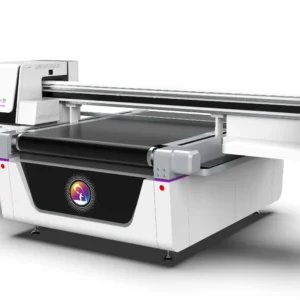
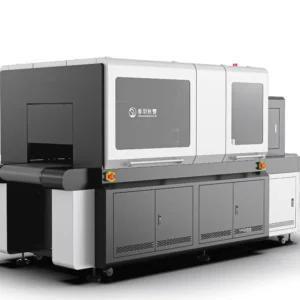
For businesses, 3D texture printing is not just a surface decoration upgrade, but an important tool for building product differentiation through “visual expression + tactile experience + digital manufacturing.” It enables ordinary materials to present richer surface textures while supporting flexible customization and scalable production. Springyprinter focuses on industrial UV digital printing equipment and provides 3D texture printing solutions for packaging, home décor, advertising, and industrial decoration applications.