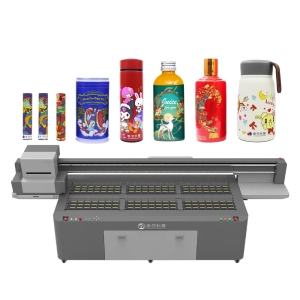
UV printing is not simply spraying patterns onto a material surface. It involves multiple technologies such as inkjet control, UV curing, color management, and material compatibility. Whether the equipment can achieve high-definition patterns, stable colors, and strong adhesion is closely related to these core processes. For companies exploring industrial UV printers, understanding the key technologies of UV printing helps evaluate equipment performance and select more suitable printing solutions based on materials, order types, and production requirements.
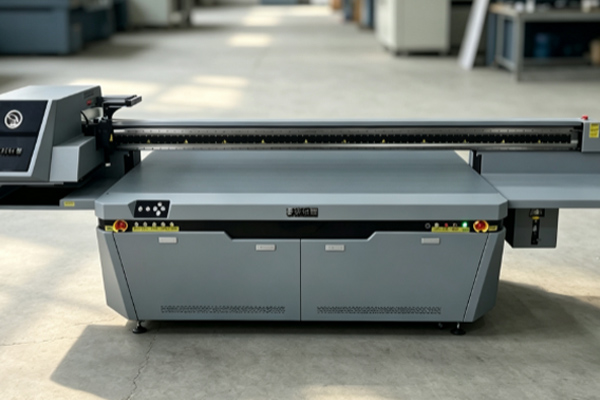
UV Inkjet Technology Determines Output Precision
The UV inkjet system is a crucial part of the entire printing process. The condition of the printhead, droplet control, and printing method all affect final image quality.
Precise Inkjet Improves Detail Performance
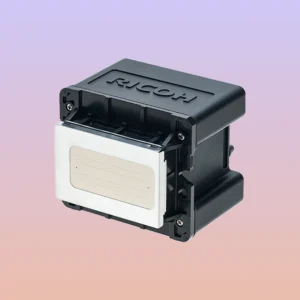
Industrial UV printers use printheads to accurately eject tiny ink droplets onto the material surface according to digital image data.
- Inkjet precision affects the edges of text, lines, and patterns.
- Multi-level grayscale inkjet improves color transition effects.
- Controlling droplet size reduces ink splashing and edge diffusion.
- High-precision printheads are suitable for complex textures and small text output.
Products such as packaging, appliance panels, and advertising signage require high detail quality, which directly influences the final product texture.
Multi-Channel Inkjet Meets Diverse Design Needs
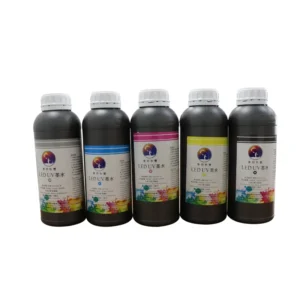
Modern UV printing equipment typically uses CMYK color channels and can be combined with white ink, varnish, and other functional inks.
- White ink is used to enhance dark or transparent materials as a base layer.
- Varnish is used for local gloss and visual layering enhancement.
- Multi-layer ink combinations can achieve embossed, matte, and glossy effects.
Through different ink layer combinations, flat materials can present stronger decorative textures.
UV Curing Technology Determines Post-Printing Stability
A key feature of UV ink is that it can be rapidly cured under ultraviolet light, forming a stable ink film. The curing system directly affects adhesion, abrasion resistance, and production efficiency.
LED UV Curing Enables Fast Film Formation
During UV printing, ink is exposed to ultraviolet light on the material surface, triggering a photopolymerization reaction that transforms it from liquid to solid film. LED UV curing features fast startup, low energy consumption, and stable heat control, making it suitable for continuous industrial production. Operating speed, ink layer thickness, light source energy, and ink formulation must be properly matched.
Curing Parameters Affect Adhesion and Durability
Different materials respond differently to curing conditions.
- Insufficient energy may cause a tacky surface or incomplete curing.
- Excessive energy may affect the surface condition of certain materials.
- Thick ink layers, white ink, and varnish require more precise control.
- Surface cleanliness affects final adhesion performance.
A stable curing system helps improve scratch resistance and batch consistency.
Color Management Technology Influences Visual Performance
In applications such as brand packaging, advertising displays, and industrial panels, color is a key visual and identification element.
ICC Color Management Improves Color Reproduction
Different devices and ink systems produce color variations. Through ICC profiles, RIP software, and coordinated printing parameters, the output color can be made closer to the original design. Proper color management also reduces batch color differences and improves standardized production capability.
White Ink and Varnish Expand Visual Expression
White ink and varnish are not only auxiliary materials but also important components of visual effects.
- White ink improves image clarity on dark or transparent materials.
- Varnish enhances visual focus and depth in specific areas.
- Multi-layer ink structures improve overall texture performance.
Through combined application, products can be upgraded from basic printing to decorative surface effects.
Material Compatibility Technology Determines Application Range
UV printing can be applied to glass, acrylic, PVC, wood, metal, ceramics, and many other materials, but different materials have significantly different surface properties.
Surface Treatment Affects Ink Adhesion
The surface condition of materials directly influences UV ink performance.
- Cleanliness affects adhesion stability.
- Roughness influences ink anchoring ability.
- Surface energy affects ink spreading behavior.
- Different materials require different treatment methods and process parameters.
In actual production, adhesion testing and parameter optimization are usually required.
Intelligent Positioning Improves Multi-Material Processing Efficiency
Precise positioning technology is used to improve alignment accuracy between different materials and patterns.
- Vision positioning enables automatic recognition and alignment.
- Auto height detection adapts to materials of different thicknesses.
- Multi-zone positioning supports large-format and complex workpieces.
- Reduces errors caused by manual calibration.
- Improves consistency and stability in batch production.
This is especially important in packaging, appliance panels, and customized products.
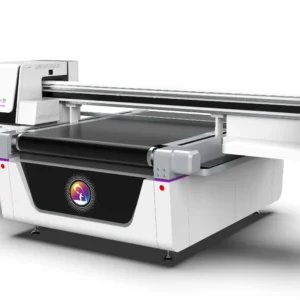
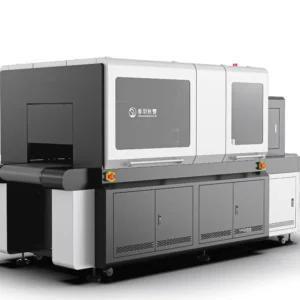
When selecting an industrial UV printer, companies should comprehensively evaluate printhead configuration, ink system, curing capability, and software control, rather than focusing only on speed or resolution. Springyprinter focuses on the R&D of industrial digital printing equipment and can provide stable UV printing solutions for different application scenarios. At the same time, attention should also be paid to long-term equipment stability and maintenance costs to ensure continuous production efficiency.