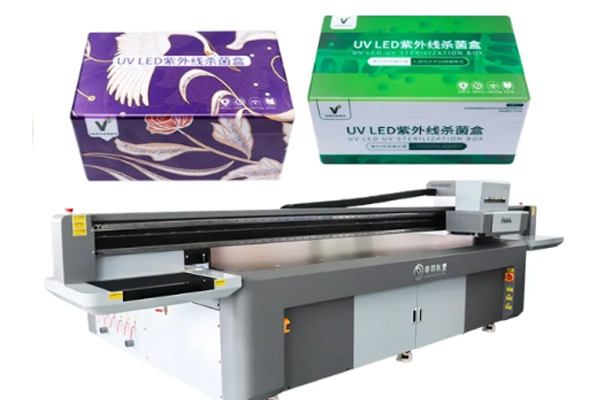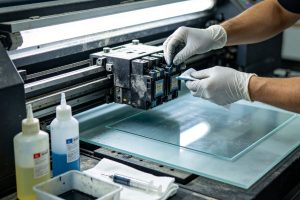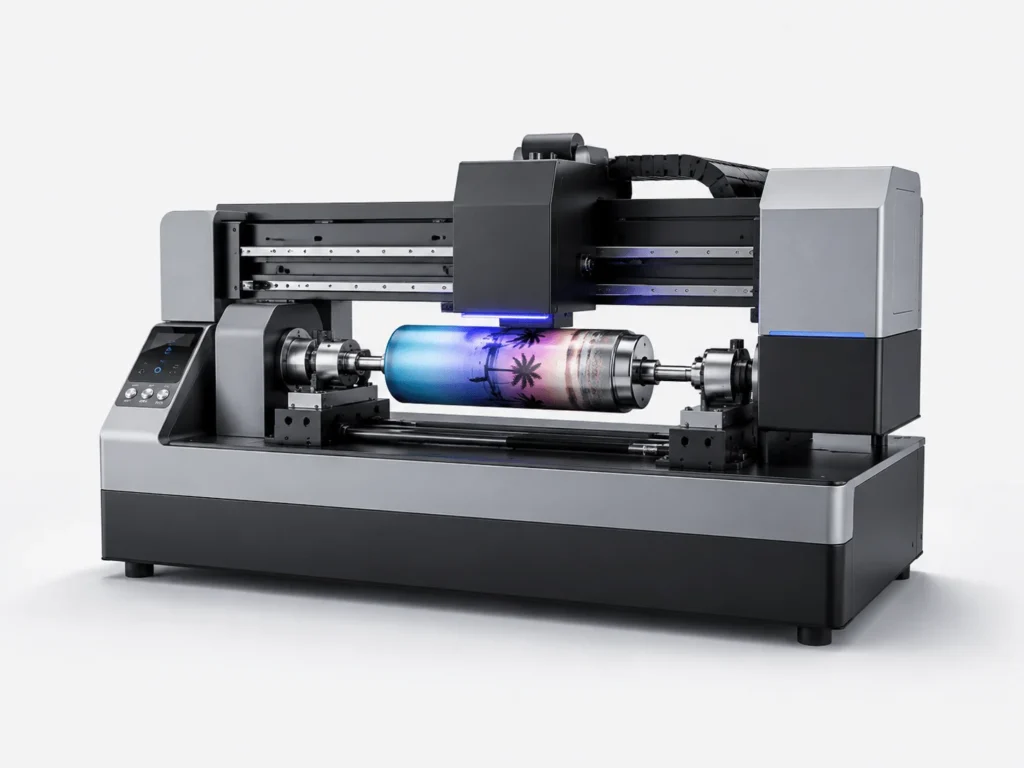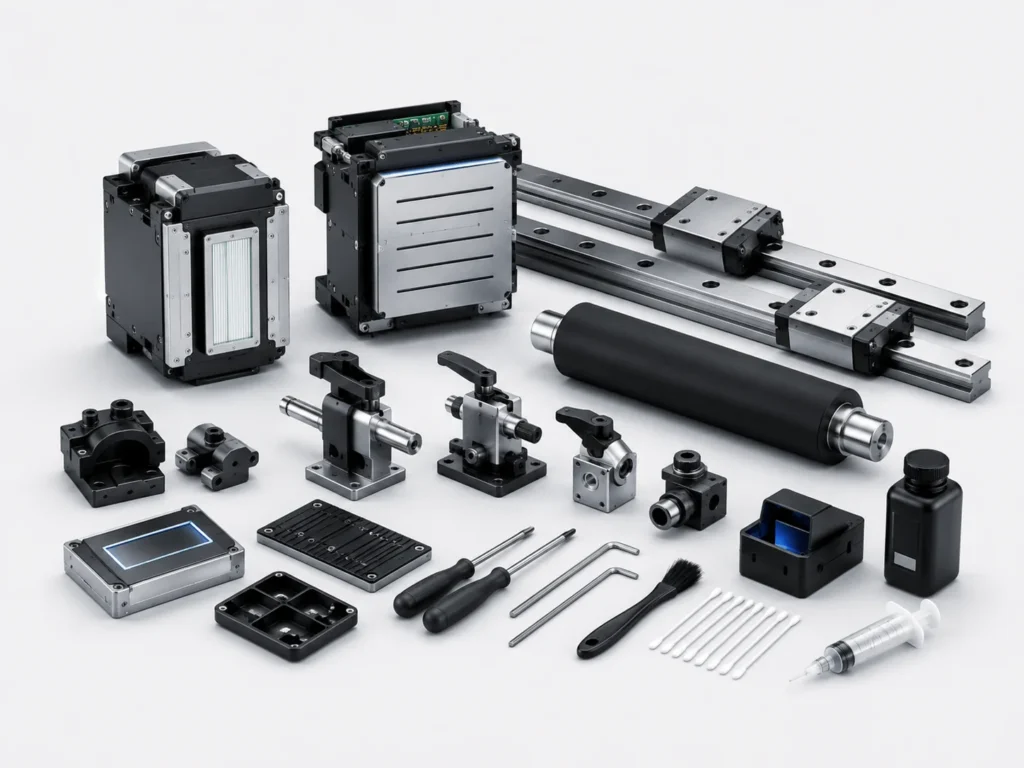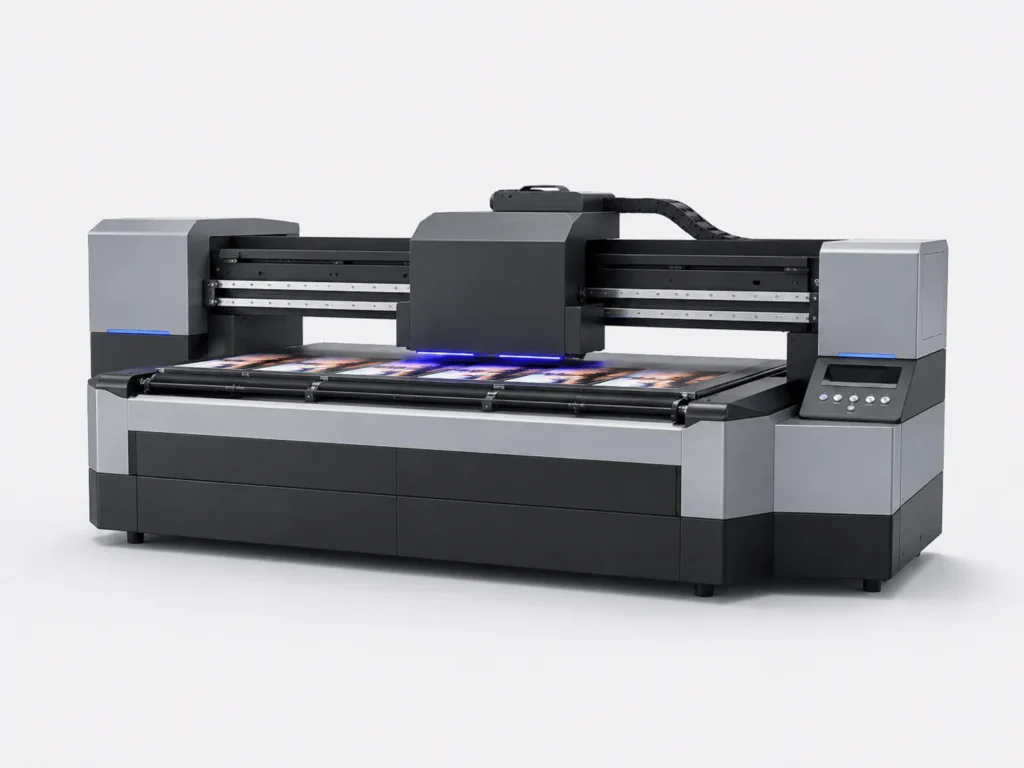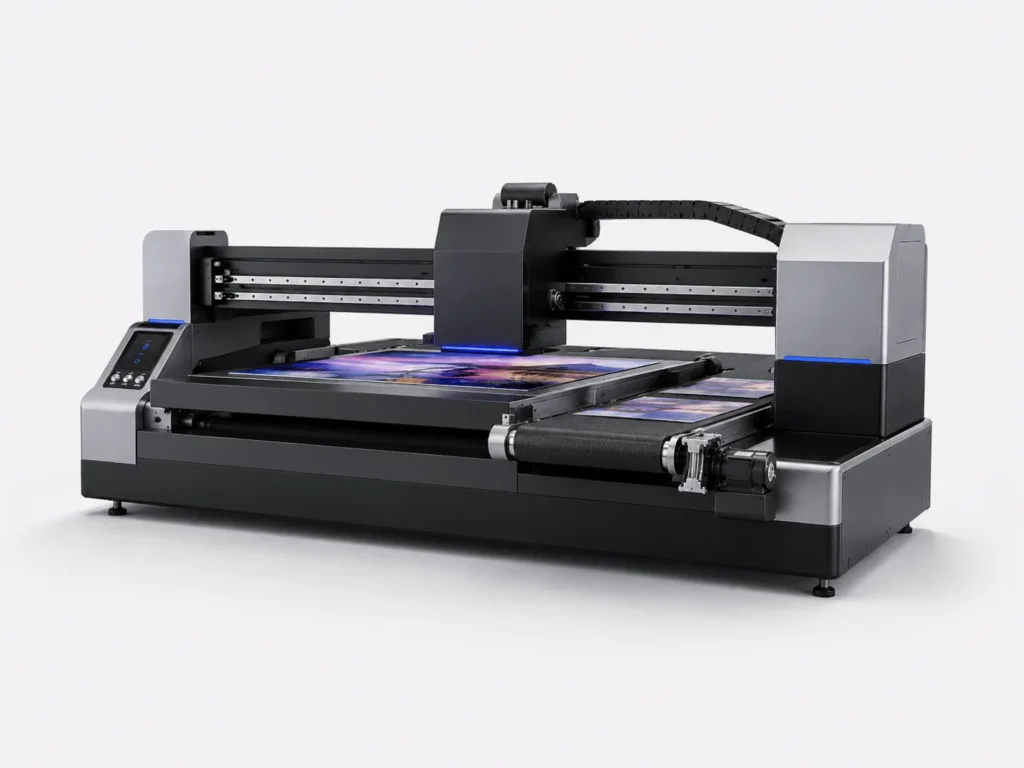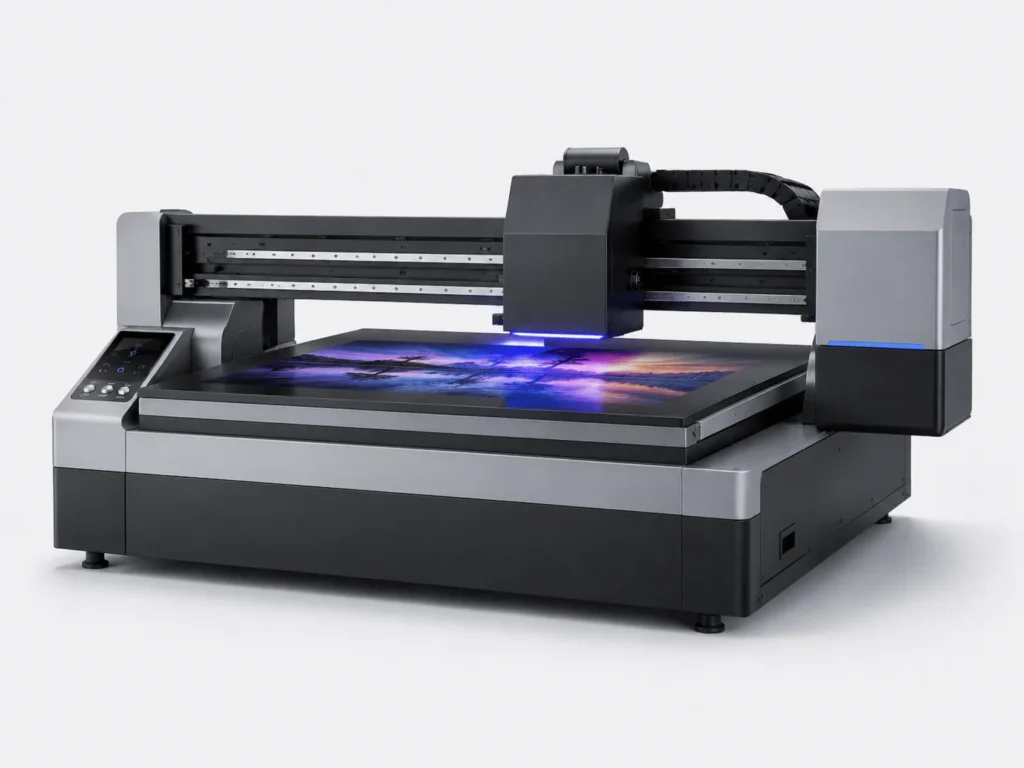
With the continuous development of digital printing technology, single-pass printers, with their high-speed production, high degree of automation, and stable output, have gradually become important equipment in packaging printing, label production, decorative materials, and industrial manufacturing. For SMEs, choosing the right single-pass printer not only affects production efficiency but also the return on investment period and subsequent operating costs. Faced with different specifications and configurations of equipment on the market, understanding their own needs and matching the appropriate model is crucial.
Factors SMEs Should Consider When Purchasing a Single-Pass Printer
During the equipment procurement stage, SMEs often consider budget control, production efficiency, and subsequent operating costs on an equal footing. Because different companies operate in different industries, have different order sizes, and produce different products, the selection of a single-pass printer cannot be based on a single standard but must be determined based on actual business needs. For companies primarily handling small to medium-volume orders, extremely high printing speeds are not necessarily the priority. Focusing on operational stability, printing consistency, and ease of maintenance is more suitable. This ensures daily production needs are met while minimizing future malfunctions and additional expenses. If a company is in a phase of business expansion with continuously increasing order volumes, choosing a model with scalability and upgrade potential is more appropriate. This allows for future capacity increases and prevents premature equipment obsolescence. By comprehensively evaluating current production needs and future development plans, companies can more accurately identify suitable single-pass printers, thereby improving equipment utilization and reducing procurement risks.
Key Configurations to Consider During Purchase
During the procurement process, the following configurations should be carefully considered:
- Does the printing speed meet order requirements?
- Does the printing accuracy meet product standards?
- Is the ink system stable and reliable?
- Is the level of automation easy to operate?
- Are the subsequent maintenance costs reasonable?
Choosing a configuration suitable for one’s own business characteristics is often more valuable than simply pursuing high parameters.
Which Types of Single-Pass Printers Are Suitable for Different Industries?
Single-pass printers are suitable for a wide range of industries, with varying requirements in fields such as labeling, packaging, decorative materials, and advertising displays. When purchasing, SMEs should prioritize their main business and order characteristics, focusing on printing speed, accuracy, material adaptability, and maintenance costs. If production is primarily short-run, multi-category, models with flexible switching and easy operation are preferable; if orders are concentrated and production is frequent, equipment with high stability and durability is more suitable.
Which Functions Can Improve Production Efficiency?
Modern single-pass printers typically possess a wealth of intelligent functions, such as:
- Automatic feeding system.
- Online deviation correction function.
- Intelligent printhead maintenance system.
- Automatic cleaning device.
- Real-time monitoring and management platform.
As order volume increases, the efficiency gains from automation become more pronounced, helping to reduce labor costs and operational error rates.
How to Choose Equipment Suitable for Long-Term Development
For SMEs, equipment procurement should not only meet current production needs but also consider future development plans. Choosing a single-pass printer with a mature technology platform and a stable after-sales service system can reduce subsequent maintenance risks. Meanwhile, equipment compatibility, consumable supply stability, and upgrade and expansion capabilities are also important considerations.
With the continued growth in demand for digital production, single-pass printing technology is evolving towards higher speeds, higher precision, and greater intelligence. Small and medium-sized enterprises (SMEs) should conduct a comprehensive evaluation based on their business characteristics, budget plans, and future development goals during the procurement process. Only by selecting equipment that truly suits the company’s production needs can they enhance their market competitiveness and provide stable support for their continued growth.