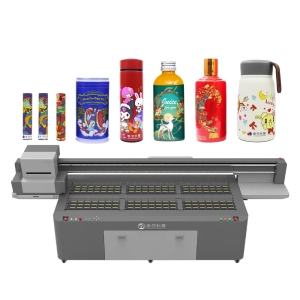
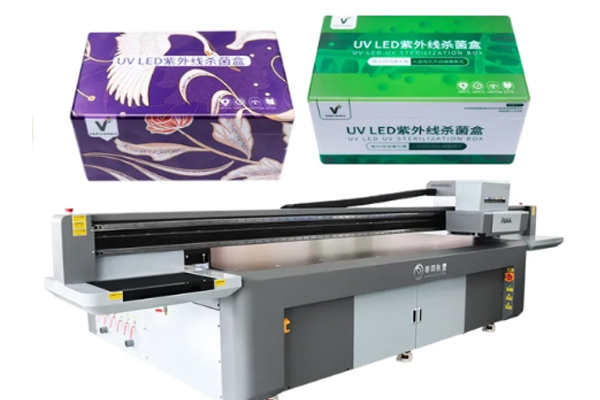
With the continuous upgrading of consumer markets, high-end packaging has evolved from simply protecting products into an important element for displaying brand image and improving customer experience. Traditional packaging printing mainly relies on colors, graphics, and material changes to enhance visual appeal, while 3D texture printing uses the digital inkjet technology of industrial UV printers to build raised textures layer by layer through UV ink deposition. This creates packaging surfaces with richer visual depth and tactile effects. The technology combines graphics, text, brand logos, and three-dimensional textures, transforming ordinary packaging into high-value products with stronger artistic expression. Whether used for gift boxes, cosmetics packaging, wine packaging, electronic product packaging, or luxury product cases, 3D texture printing helps brands improve product recognition and strengthen market competitiveness.
3D Texture Printing Creates Unique Visual Effects for Premium Packaging
High-end packaging requires excellent visual design performance. Products must not only attract consumer attention but also reflect brand positioning and premium quality. Traditional printing methods usually improve packaging appearance through color printing, specialty inks, or surface coatings, but their ability to create realistic three-dimensional effects is limited.
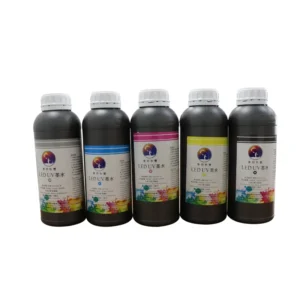
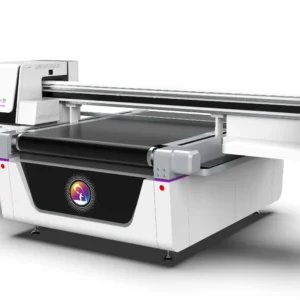
Industrial UV printers use high-precision inkjet technology to accurately deposit UV ink onto packaging surfaces. By printing multiple layers of ink, the system creates different texture heights and raised structures. Decorative elements such as patterns, logos, and text can be transformed into three-dimensional surface effects similar to embossing, providing packaging with a more luxurious appearance.
The visual improvements provided by 3D texture printing include:
- Enhanced Brand Recognition:Unique raised textures highlight brand logos and key design elements, making products easier for consumers to remember.
- Improved Premium Appearance:Fine textures combined with high-quality color reproduction create a more sophisticated packaging style.
- More Diverse Design Possibilities:Wood grain, metallic textures, leather patterns, pearl effects, and artistic textures can all be produced through digital inkjet technology.
- Differentiated Packaging Effects:Customized texture designs help reduce similar-looking packaging and create stronger product identity.
Through digital inkjet technology, high-end packaging can overcome the limitations of traditional flat designs and achieve more creative surface expressions.
Digital Inkjet Technology Enhances Packaging Tactile Experience
Modern consumers evaluate packaging through more than visual appearance. Tactile interaction has gradually become an important factor influencing purchasing decisions. 3D texture printing uses layered UV ink deposition to create real height differences on the packaging surface, allowing consumers to feel noticeable textures when touching the product.
Industrial UV printers can adjust ink thickness according to design requirements, creating localized raised effects, delicate textures, and gradient three-dimensional structures. For example, premium cosmetics packaging can use refined relief textures to express elegance and quality; luxury wine boxes can use raised logos to enhance collectible value; electronic product packaging can apply special textures to communicate a sense of technology.
Compared with traditional embossing processes, digital inkjet technology does not require fixed molds in advance, making design changes much more flexible. Brands can quickly adjust texture designs and launch customized packaging products according to different market demands, improving new product development efficiency.
Enhanced tactile experiences create stronger interaction between packaging and consumers, helping products stand out during display and sales.
3D Texture Printing Meets Customized High-End Packaging Requirements
The high-end packaging market typically features frequent design changes, diverse product styles, and customized production requirements. Traditional manufacturing methods often require significant time for mold production and equipment adjustments when handling small batches or personalized orders. Industrial UV printers can complete production directly from digital design files.
Digital inkjet technology supports rapid switching between different designs. Various packaging products can use unique texture solutions without replacing complicated processing equipment. This production method is especially suitable for brand customization, limited-edition products, seasonal gift boxes, and premium packaging projects.
Packaging products suitable for 3D texture printing include:
- Cosmetic Packaging Boxes:Fine textures enhance luxury appeal and strengthen brand visual identity.
- Wine Gift Boxes:Raised logos and special textures improve product presentation and collectible value.
- Jewelry Packaging:Delicate surface textures highlight premium quality and luxury characteristics.
- Electronic Product Packaging:Modern textures enhance technological appearance and brand personality.
- Creative Cultural Packaging:Artistic textures express unique design concepts and creative value.
Flexible digital production methods allow packaging manufacturers to respond quickly to market changes and improve innovation capabilities.
Industrial UV Printers Improve High-End Packaging Production Efficiency
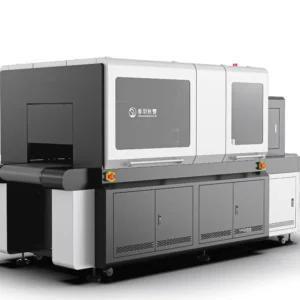
3D texture printing not only improves packaging appearance but also optimizes production processes. Industrial UV printers complete texture creation through automated inkjet printing, reducing complex traditional processing steps and improving overall manufacturing efficiency.
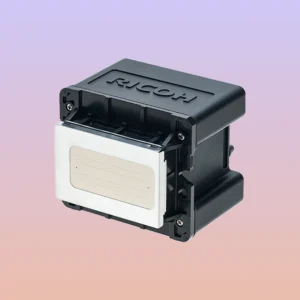
Industrial-grade printheads can continuously deposit large quantities of ink droplets while maintaining detailed texture quality during production. UV curing systems instantly solidify printed layers, allowing packaging products to move quickly into subsequent processing stages with reduced waiting time.
For packaging manufacturers, digital inkjet technology reduces design modification costs, lowers mold investment requirements, and improves production flexibility. When handling different customer orders, manufacturers can quickly complete samples and mass production, accelerating product launch cycles.
Efficient production models reduce manufacturing pressure while helping companies expand customized packaging services.
3D Texture Printing Drives Digital Transformation in the High-End Packaging Industry
With the continuous development of industrial UV inkjet technology, 3D texture printing is becoming an important technology direction in high-end packaging manufacturing. Through precision industrial printheads, rapid UV curing systems, and digital file control, packaging products can achieve synchronized color, graphic, and three-dimensional texture printing, creating richer and more attractive surface effects.
Future 3D texture printing technology will continue integrating intelligent positioning, automatic feeding, visual inspection, and digital production management systems to improve printing accuracy and manufacturing stability. For the high-end packaging industry, this technology not only enhances product appearance value but also helps brands create unique packaging experiences and strengthen market competitiveness.
Industrial UV printers, with their flexible design capabilities, efficient production performance, and outstanding texture effects, will continue driving packaging manufacturing toward personalization, intelligence, and higher added value. They provide innovative digital texture printing solutions for brands seeking packaging with stronger visual appeal, tactile interaction, and premium market positioning.