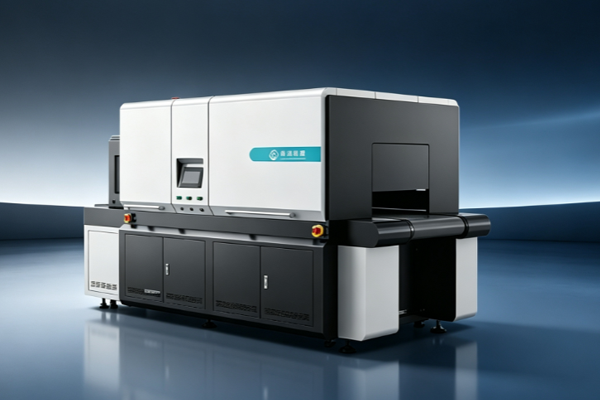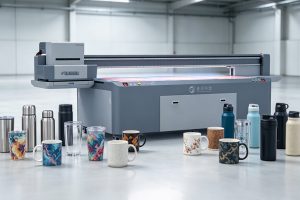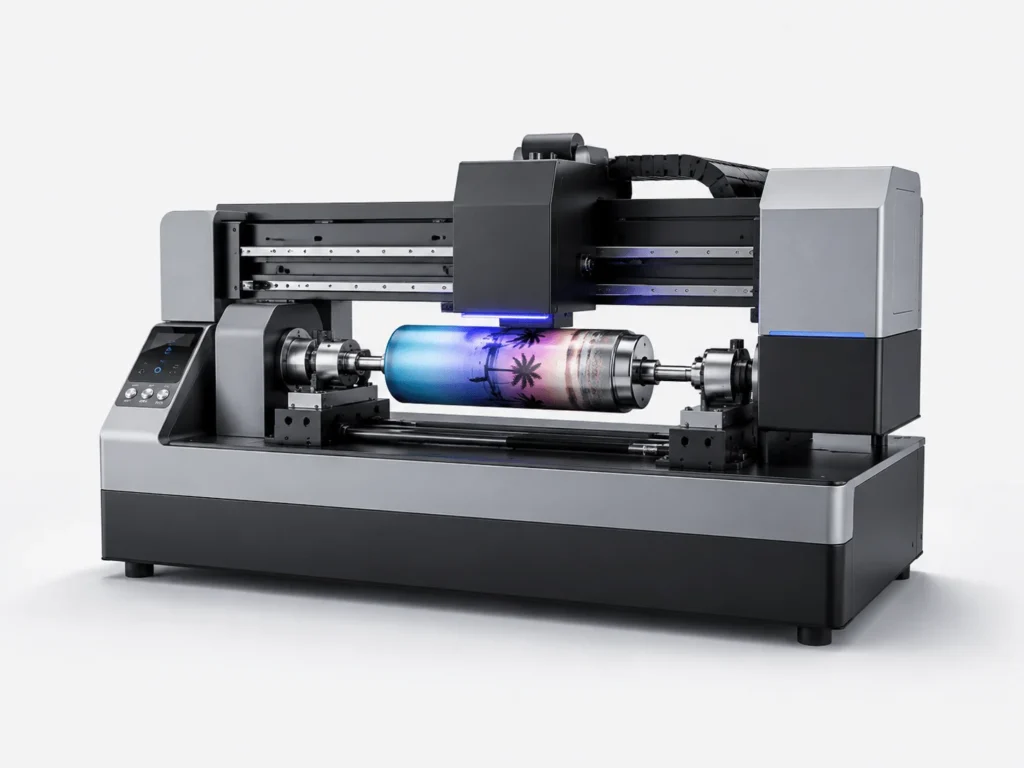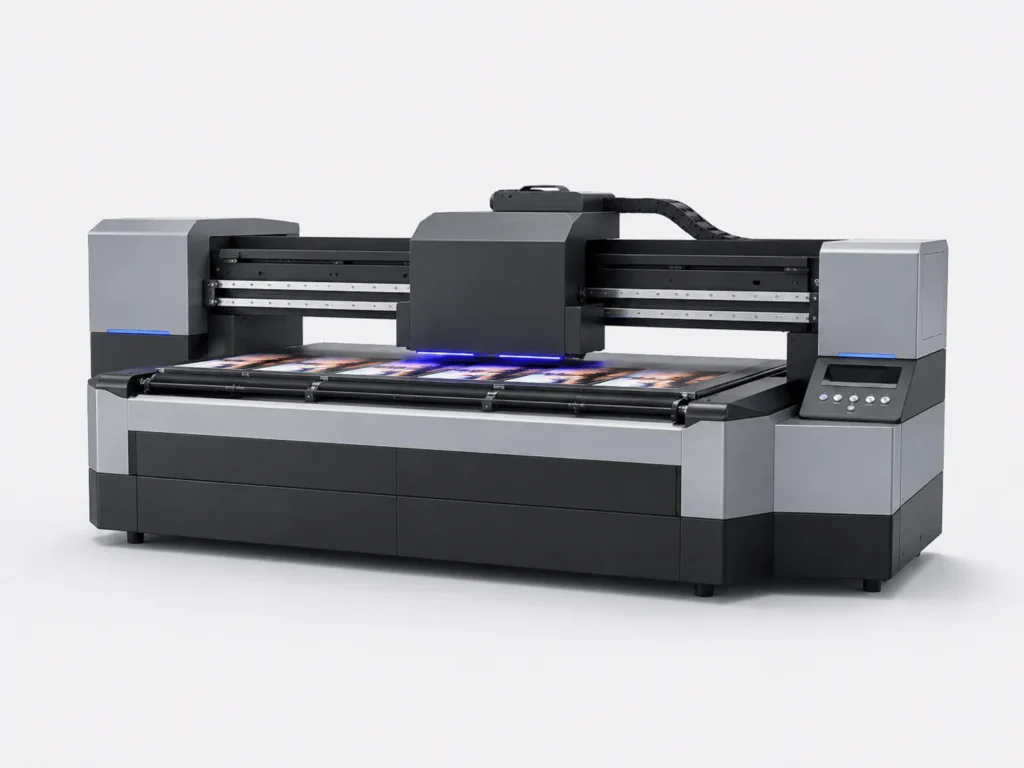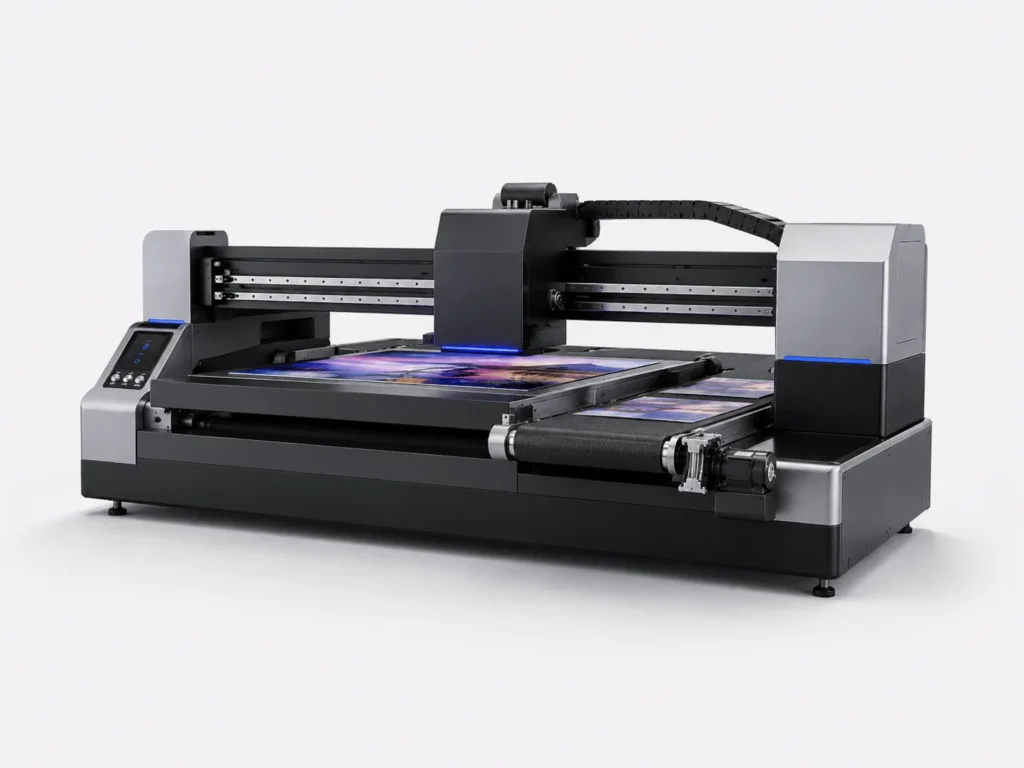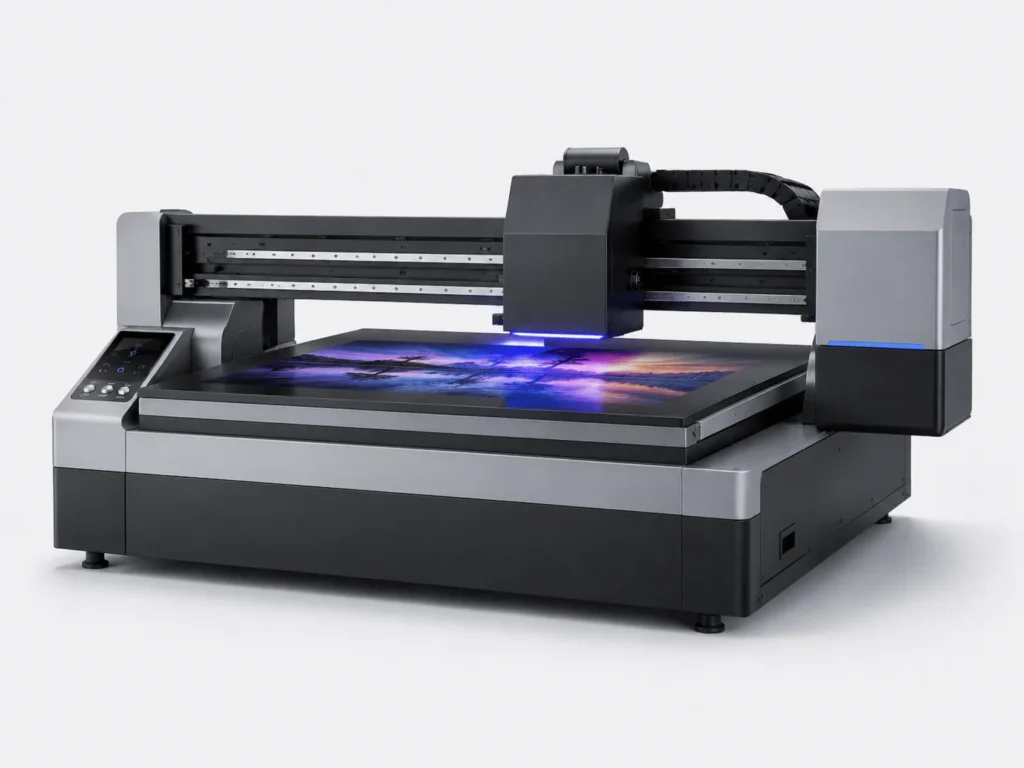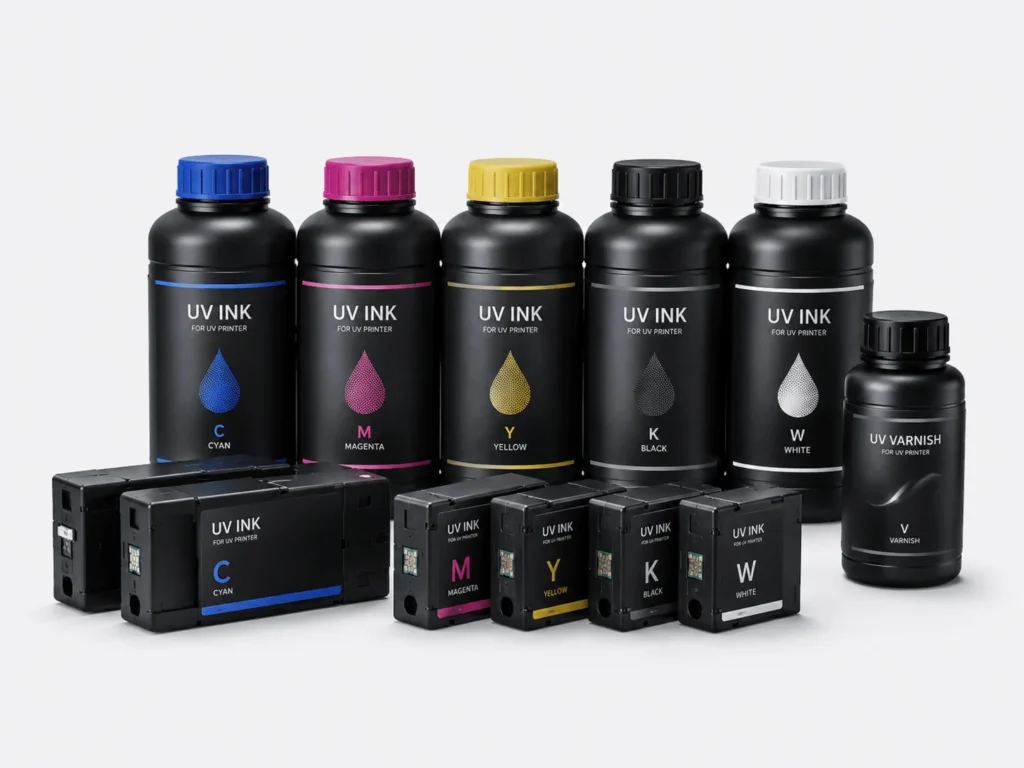
With the continuous development of industrial digital printing technology, UV single-pass printers, with their high-speed production, vibrant colors, and wide material adaptability, have gradually become important equipment in the packaging printing, decorative building materials, and industrial manufacturing fields. Compared to traditional printing processes, UV single-pass printers use ultraviolet curing technology, allowing ink to quickly adhere to the material surface, enabling continuous high-speed production. For businesses, understanding the range of materials the equipment is suitable for helps to fully realize its value, improve production efficiency, and enhance product competitiveness.
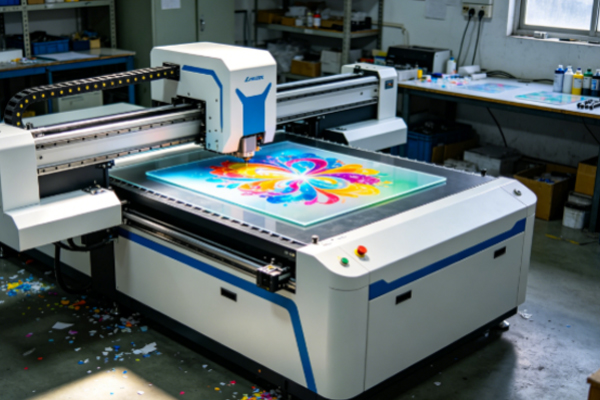
Why Are UV Single-Pass Printers Compatible with Multiple Materials?
UV single-pass printers use UV inks. Unlike traditional water-based inks, UV inks do not rely on material absorption but rather cure rapidly through ultraviolet radiation. Therefore, stable printing results can be achieved regardless of whether the material has absorption capacity. This technological feature greatly expands the equipment’s application range.
In actual production, the equipment can adjust inkjet parameters and curing intensity according to the characteristics of different materials, thereby ensuring image clarity and adhesion. For companies that need to produce multiple product categories, a single machine can cover the processing needs of various products, reducing equipment investment costs.
Common Materials Compatible with UV Single-Pass Printers
Currently, UV single-pass printers can adapt to a variety of industrial materials:
- Corrugated cardboard, suitable for carton and color box production.
- White cardboard, suitable for high-end packaging printing.
- PVC sheets, suitable for the advertising and display industries.
- Acrylic materials, suitable for decorative and signage products.
- Metal composite sheets, suitable for industrial product processing.
These materials are widely used in packaging, advertising, building materials, and industrial manufacturing.
Can Commonly Used Packaging Materials Be Printed Directly?
The packaging industry is an important application area for UV single-pass printers. Corrugated paper, kraft paper, white cardboard, and various packaging paperboards can all be printed directly. The equipment maintains stable color output during high-speed operation, ensuring clear presentation of brand images, product information, and marketing content.
For carton packaging manufacturers, traditional printing often requires plate making and complex processes, while UV single-pass printing technology can directly output digitally, improving order response speed. Especially against the backdrop of increasing demand for short-run orders and personalized packaging, this flexible production method is attracting more and more attention from enterprises.
Application Cases in Building Materials and Industrial Materials
Besides paper materials, UV single-pass printers are also widely used in industrial material processing:
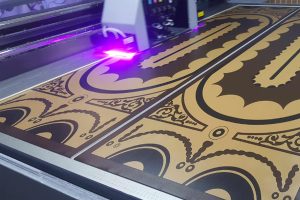
- Printing decorative patterns on wood-based panels.
- Outputting patterns for PVC decorative panels.
- Making acrylic display panels.
- Printing metal panel signs.
- Finishing the appearance of composite materials.
These materials typically require high abrasion resistance and adhesion.
Future Material Application Trends for UV Single-Pass Printers
With the continuous emergence of new materials, the application scope of UV single-pass printers is also continuously expanding. Environmentally friendly packaging materials, new composite panels, and functional industrial materials are gradually entering the digital printing market. Equipment manufacturers are also constantly optimizing printhead technology and ink formulations to adapt to more special material needs. In the future, enterprises will have increasingly higher demands for personalized production and rapid delivery. UV single-pass printers, with their broad material compatibility, high-speed continuous production capabilities, and stable print quality, will play a greater role in the packaging printing, decorative building materials, industrial manufacturing, and advertising display industries. For companies looking to improve their digital production capabilities, choosing material solutions suitable for their product types will help further unleash the advantages of UV single-pass printing technology.