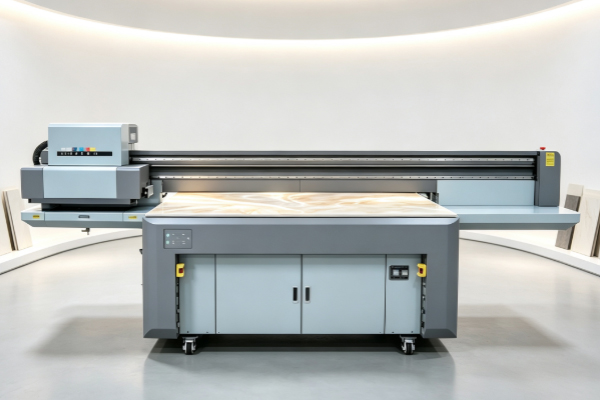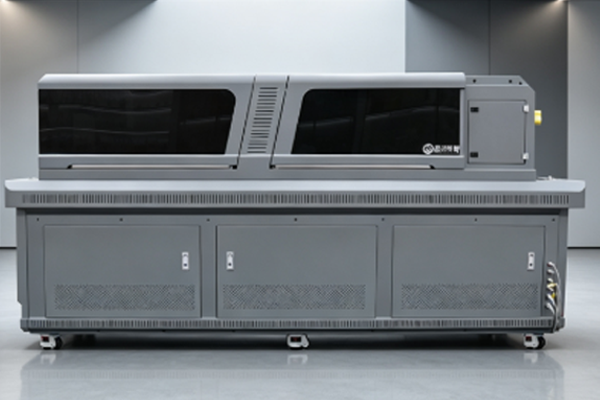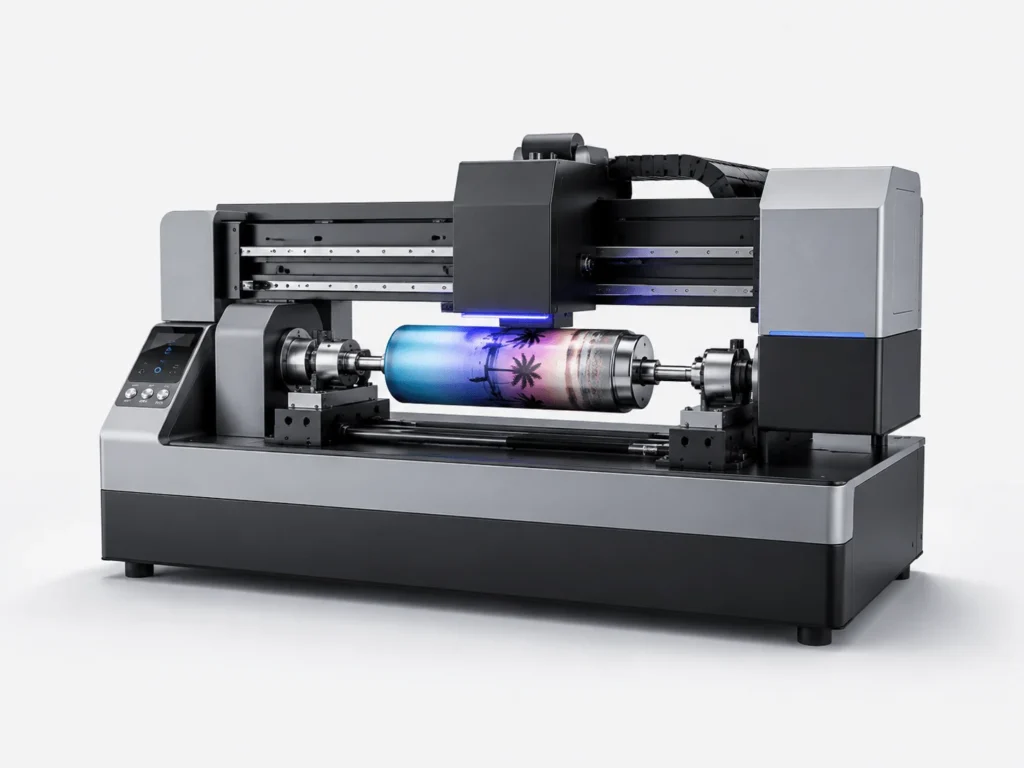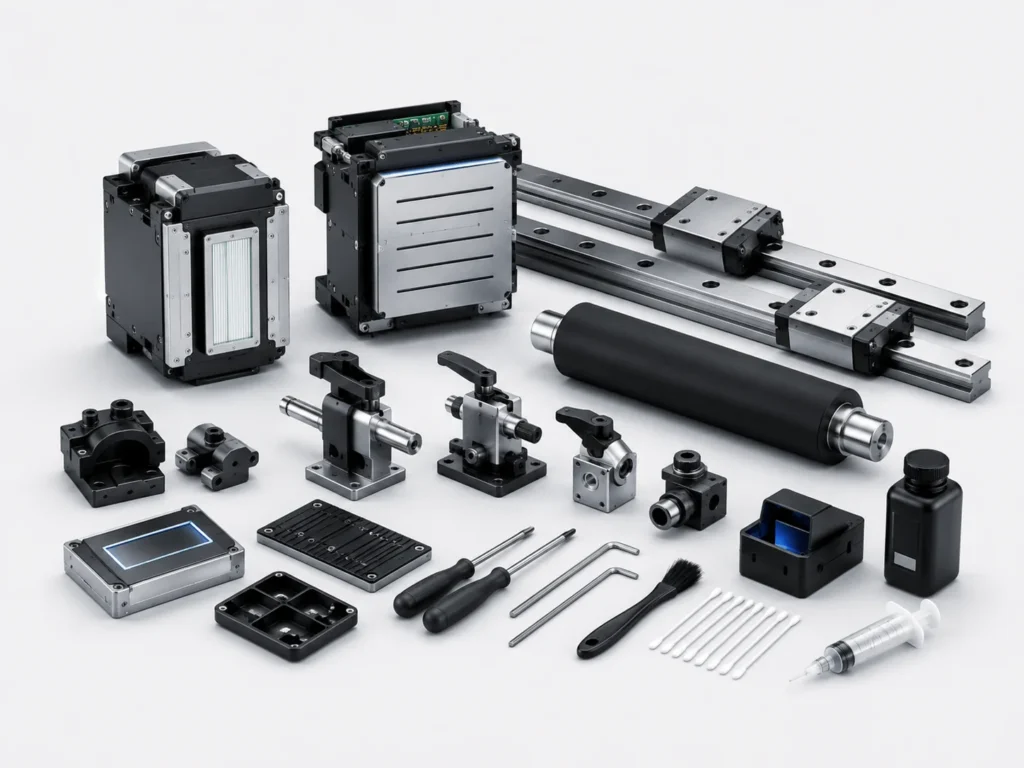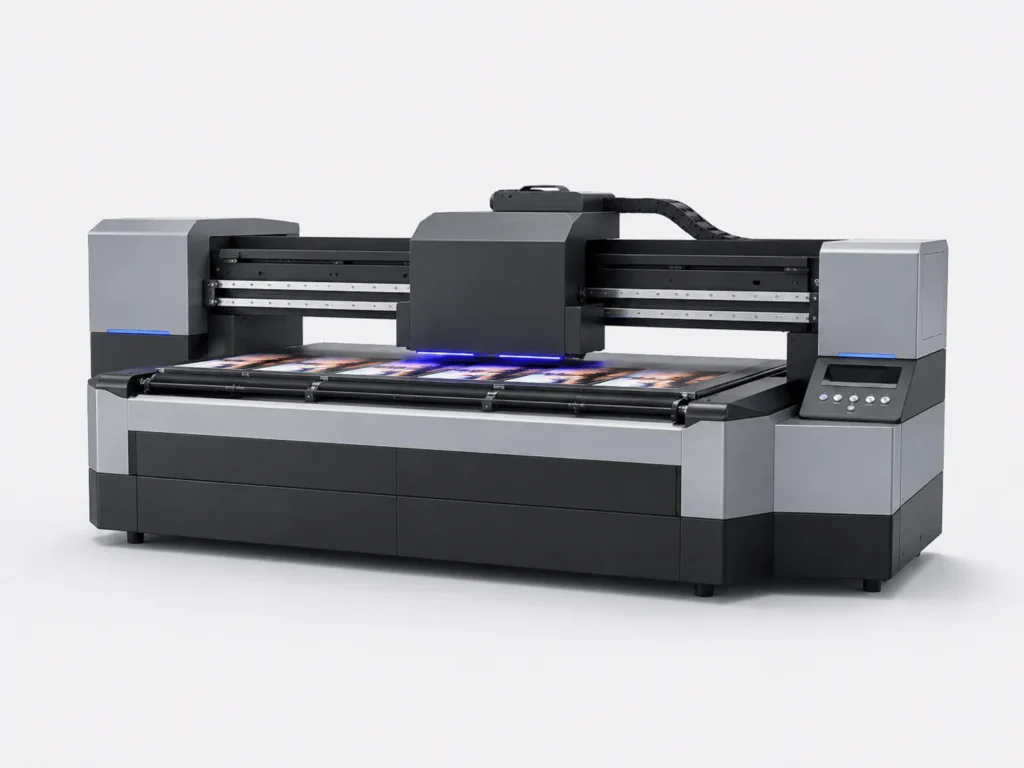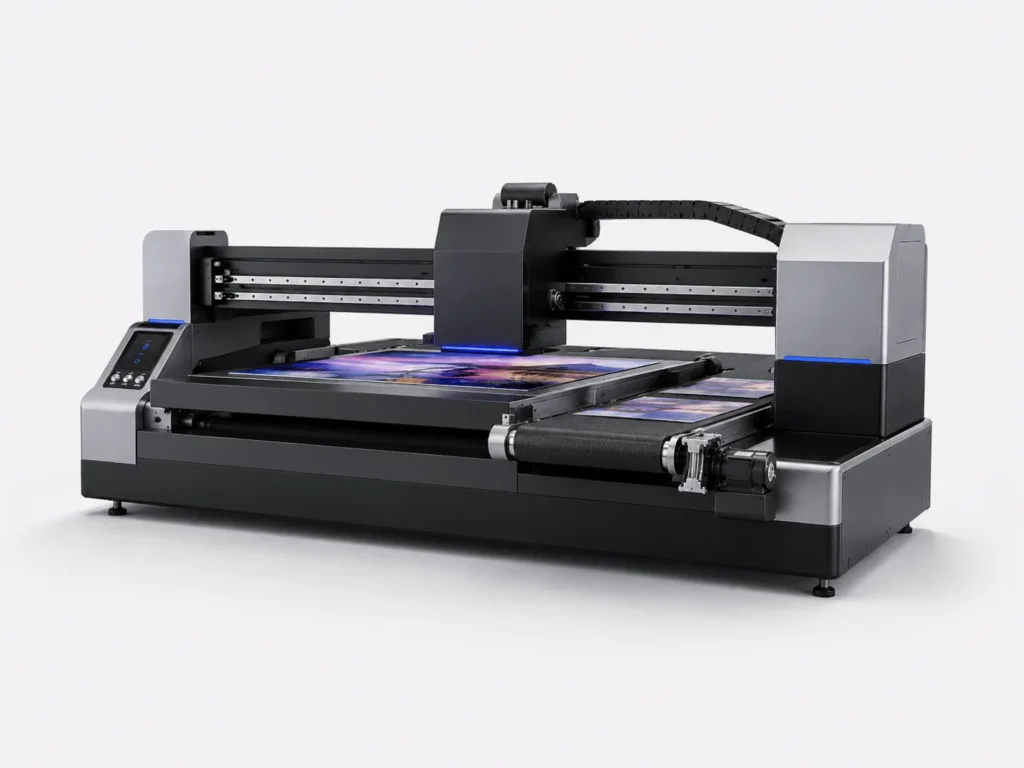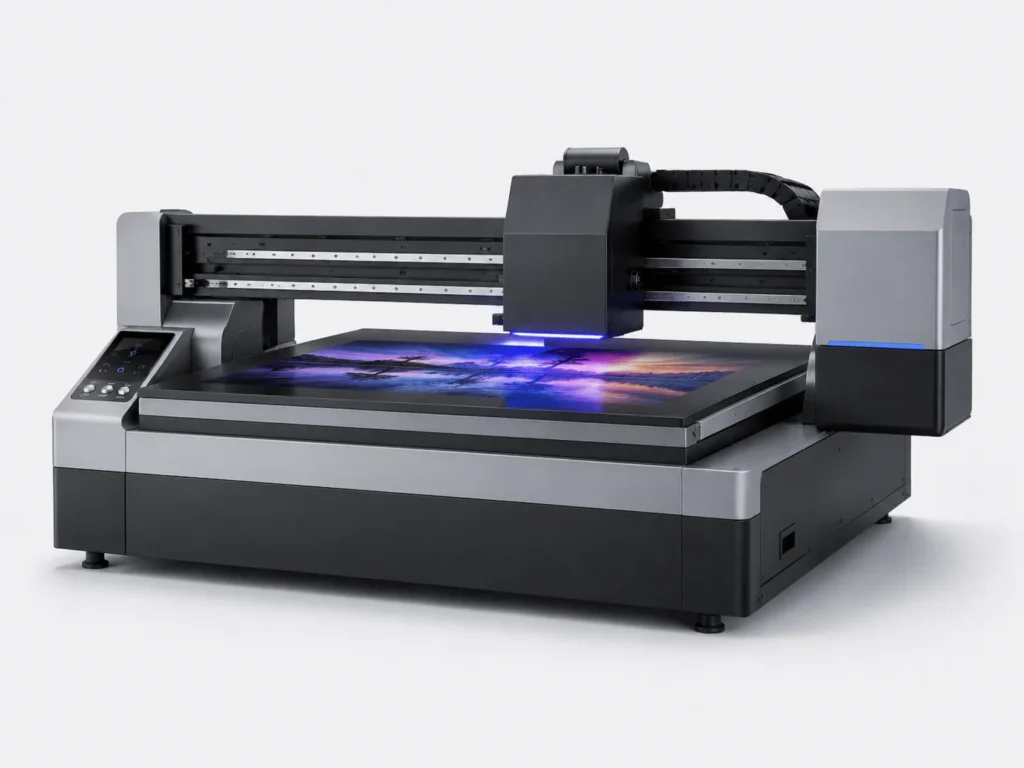
The printhead is one of the core components of a single-pass printer, directly determining printing accuracy, production speed, color performance, and equipment stability. In the field of industrial digital printing, single-pass printers enable high-speed continuous production, and the printhead plays a crucial role in precise inkjet printing. Different brands and models of printheads have different ejection frequencies, droplet control capabilities, and applicable scenarios. Therefore, understanding common printhead types is important for equipment selection and production planning.
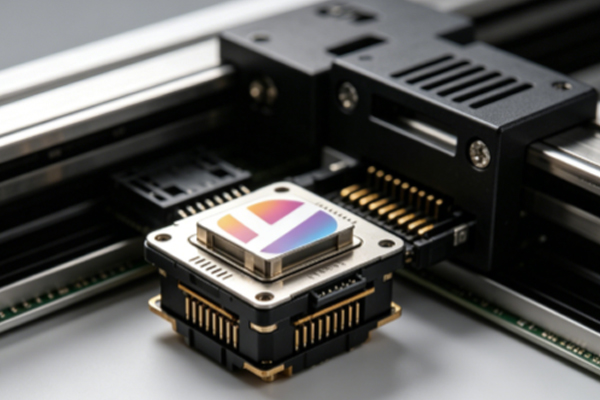
Why do printheads affect the performance of single-pass printers?
Single-pass printers rely on a fixed array of printheads to complete a single print, so printhead performance directly affects the final output. Higher printhead resolution results in finer image details; higher ejection frequencies result in faster production speeds; and stronger droplet control results in more natural color transitions.
For the packaging printing, label printing, and decorative materials industries, printheads not only affect product quality but also relate to equipment operating costs and maintenance frequency. Therefore, printhead configuration is often one of the key technical parameters that companies focus on when purchasing a single-pass printer.
Common Industrial Printheads on the Market
Currently, common printheads for single-pass printing equipment include the following types:
- Kyocera printheads.
- Ricoh printheads.
- Konica Minolta printheads.
- Epson industrial printheads.
- Seiko printheads.
Different brands vary in printing speed, lifespan, accuracy, and ink compatibility. Companies can choose according to their production needs.
Why are Kyocera printheads widely used?
Kyocera printheads have a high market share in industrial single-pass printing. They are characterized by a large number of nozzles, high printing speed, and high stability, making them ideal for high-volume continuous production environments. Many high-speed packaging printing equipment and industrial-grade UV single-pass printers use Kyocera printheads as a core component.
Due to their strong durability and long service life, Kyocera printheads can maintain good output quality during long-term continuous operation. For manufacturers with large order volumes, these printheads can help increase overall production capacity and reduce downtime for maintenance.
Suitable Production Scenarios for Different Printheads
Common printheads have different application directions:
- Kyocera printheads are suitable for high-speed industrial production.
- Ricoh printheads are suitable for high-precision color printing.
- Konica printheads are suitable for label printing.
- Epson printheads are suitable for high-quality output requirements.
- Seiko printheads are suitable for large-format printing equipment.
Matching the printhead solution according to product characteristics can achieve more ideal production results and return on investment.
How to Choose the Right Printhead Configuration
When selecting a printhead, it is necessary to evaluate it in conjunction with the company’s actual production needs. If high-speed packaging production is the main focus, high-frequency industrial printheads can be given priority; if the product emphasizes image quality, attention should be paid to printhead resolution and droplet control capabilities. At the same time, printhead lifespan, maintenance costs, spare parts supply, and after-sales support should also be considered.
With the continuous development of digital printing technology, printhead performance is constantly improving, and the application scope of single-pass printers is also constantly expanding. For businesses, choosing printhead configurations that suit their business needs can not only improve print quality but also enhance equipment utilization, providing a stable guarantee for long-term production and operation.