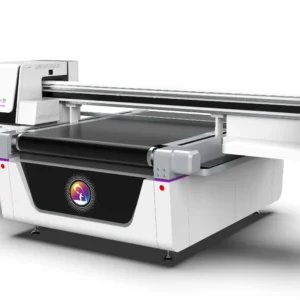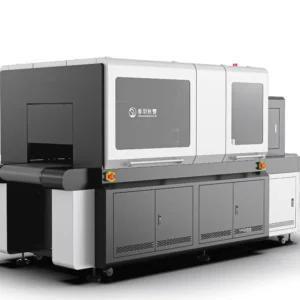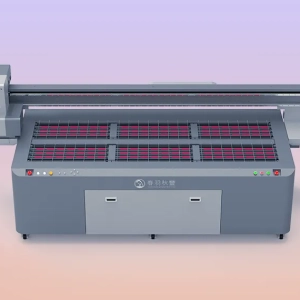
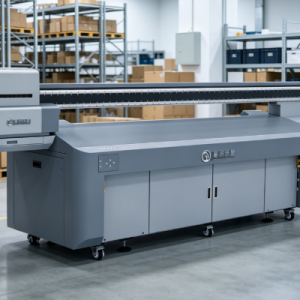
As digital inkjet technology continues to advance, UV printers have evolved from traditional color printing equipment into intelligent manufacturing systems capable of producing highly detailed three-dimensional textures. By combining multi-layer UV ink deposition, precision inkjet control, and instant UV curing technology, industrial UV printers can create embossed surfaces with measurable height differences directly on various materials. These raised textures not only enhance visual depth but also provide a realistic tactile experience. This digital production method is widely used in decorative building materials, furniture panels, premium packaging, advertising signage, consumer electronics, leather products, and creative merchandise, helping manufacturers develop products with greater market value and stronger brand appeal.
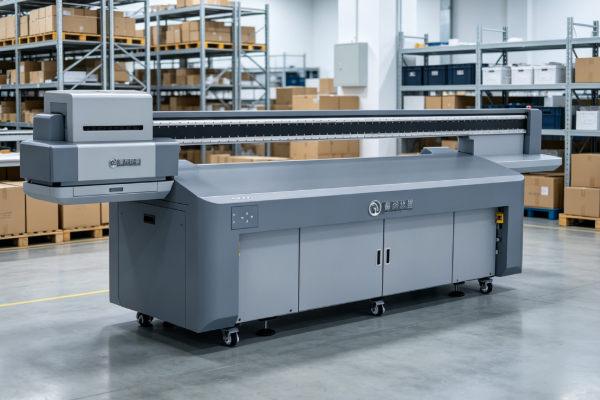
Working Principle of Multi-Layer 3D Printing with UV Printers
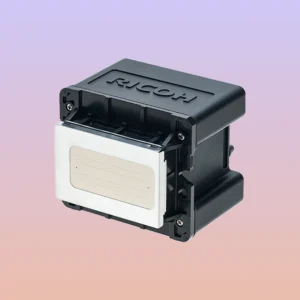
Industrial UV printers use high-precision piezoelectric printheads to accurately control ink droplet size, placement, and deposition according to digital design files containing graphics, colors, and texture height information. UV ink is printed layer by layer following preset production parameters. After each printed layer is completed, ultraviolet light instantly cures the ink before the next layer is applied, gradually building realistic embossed textures with precise height and exceptional durability.
A standard production workflow includes:
- Create a digital design containing graphics, colors, and texture height data.
- Use RIP software to automatically calculate printing paths, ink volume, and layer thickness.
- Print the first layer using industrial high-precision printheads.
- Cure the printed ink immediately with ultraviolet light.
- Repeat the printing and curing process until the required embossing height is achieved.
- Complete quality inspection before packaging or additional manufacturing processes.
Digital control ensures that every printed layer maintains consistent thickness, allowing the final embossed surface to remain smooth, detailed, and highly accurate.
Product Value Created by Multi-Layer Embossed Printing
Traditional flat printing mainly depends on color reproduction to create visual appeal, while multi-layer UV printing adds realistic texture and physical depth to product surfaces. Raised brand logos, decorative graphics, wood grain, stone textures, leather finishes, and localized embossed effects can all be produced directly during printing, transforming ordinary materials into premium products. Since production is completely digital, design modifications only require updating artwork files without manufacturing new molds or printing plates. This flexibility shortens product development cycles, accelerates product launches, supports customized manufacturing, and enables businesses to respond quickly to changing market demands while increasing product value and strengthening brand recognition.
Core Technologies Behind Multi-Layer 3D Effects
Producing high-quality embossed textures requires multiple advanced technologies working together throughout the digital printing process.
Key technologies include:
- High-Precision Printhead Control:Industrial printheads precisely regulate ink droplet size, positioning, and deposition volume, ensuring every printed layer remains uniform and highly detailed.
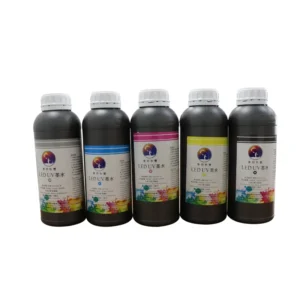
- Multi-Layer UV Ink Deposition:UV ink is deposited repeatedly according to programmed texture height, gradually creating realistic embossed surfaces with different thickness levels.
- Instant UV Curing Technology:Each printed layer is immediately cured with ultraviolet light to prevent ink movement and maintain sharp texture edges throughout the printing process.
- Intelligent RIP Software:Professional RIP software automatically calculates printing paths, texture height, ink distribution, and production parameters to improve efficiency and consistency.
- Precision Motion Control:Advanced motion control systems maintain accurate positioning throughout the printing process, ensuring every embossed layer aligns perfectly with previous layers.
- Simultaneous Color and Texture Production:Color graphics and embossed structures are printed together during the same manufacturing process, producing natural three-dimensional decorative effects with excellent visual impact.
These advanced technologies enable industrial UV printers to consistently produce premium-quality embossed products with outstanding precision and repeatability.
Typical Applications of Multi-Layer UV Printing
Multi-layer UV embossed printing has become widely adopted in furniture panels, decorative doors, wall decoration systems, artwork, advertising signage, branding displays, premium packaging, consumer electronics, smartphone cases, leather goods, automotive interiors, and commercial display products. Furniture manufacturers create realistic wood grain and stone textures to improve decorative quality. Packaging companies use embossed logos to enhance luxury gift boxes. Advertising businesses produce display products with strong visual depth, while electronics manufacturers strengthen brand recognition through localized embossed graphics. Digital manufacturing supports rapid prototyping, customized production, and continuous mass manufacturing while maintaining stable product quality across every production batch.
Best Practices for Achieving High-Quality Multi-Layer Embossed Printing
Producing consistent embossed textures requires standardized operating procedures together with optimized printer settings for different materials.
Recommended operating practices include:
- Clean substrate surfaces thoroughly before printing to improve ink adhesion.
- Adjust the print platform and printhead height according to material thickness.
- Configure texture height, print resolution, ink volume, and production speed according to product requirements.
- Optimize UV lamp intensity to ensure complete curing after every printed layer.
- Print sample products to verify embossing height, color consistency, and ink adhesion.
- Begin full production after confirming all printing parameters.
- Perform routine maintenance on printheads, ink supply systems, guide rails, and UV curing units to maintain reliable equipment performance.
- Establish standardized quality inspection procedures to continuously improve production efficiency and product consistency.
Standardized production management helps manufacturers achieve sharper embossed textures, brighter colors, greater durability, lower maintenance costs, and stable long-term production performance.
As digital manufacturing technology continues to evolve, industrial UV printers have become one of the most effective solutions for producing premium multi-layer embossed textures. Through multi-layer UV ink deposition, precision inkjet technology, instant UV curing, and intelligent digital workflow management, UV printers deliver realistic three-dimensional decorative effects for architectural decoration, furniture manufacturing, packaging, advertising displays, consumer electronics, and many other industries. These advanced capabilities enable manufacturers to increase product value, improve production efficiency, and strengthen their competitiveness in today’s demanding marketplace.