As industries such as packaging, manufacturing, advertising, and decorative materials continue to move toward digital transformation, businesses are increasingly seeking high-speed and reliable printing equipment. Single pass printers have become an important solution in industrial printing due to their one-pass printing structure, high-speed production capability, and intelligent control systems. Compared with traditional scanning UV printers, single pass printers reduce mechanical movement during the printing process, improve production capacity, and are better suited for large-scale continuous manufacturing. When selecting equipment, businesses need to evaluate their product requirements, production volume, material types, and future development plans to ensure the printer delivers maximum value, improves efficiency, and reduces long-term operating costs.
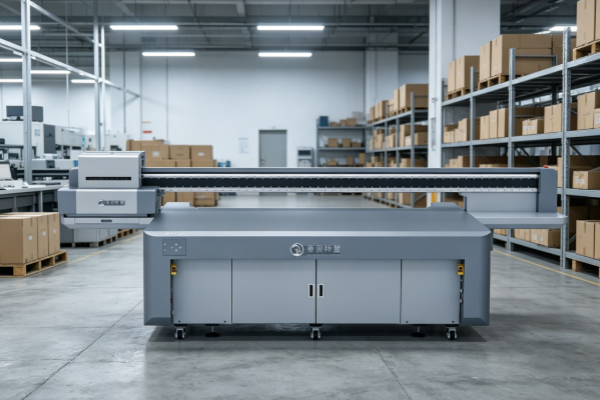
Understanding the Working Principle and Production Features of Single Pass Printers
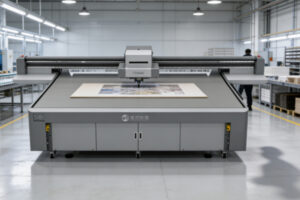
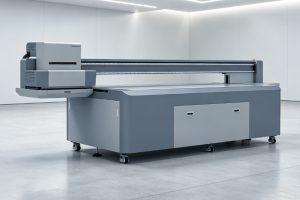
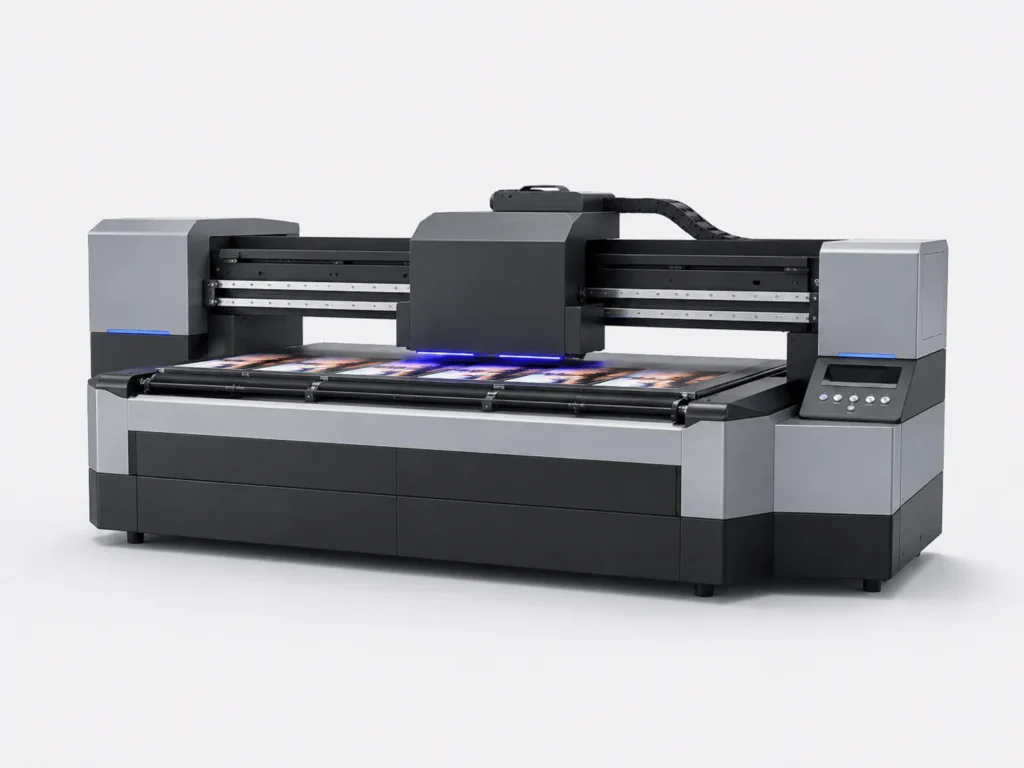
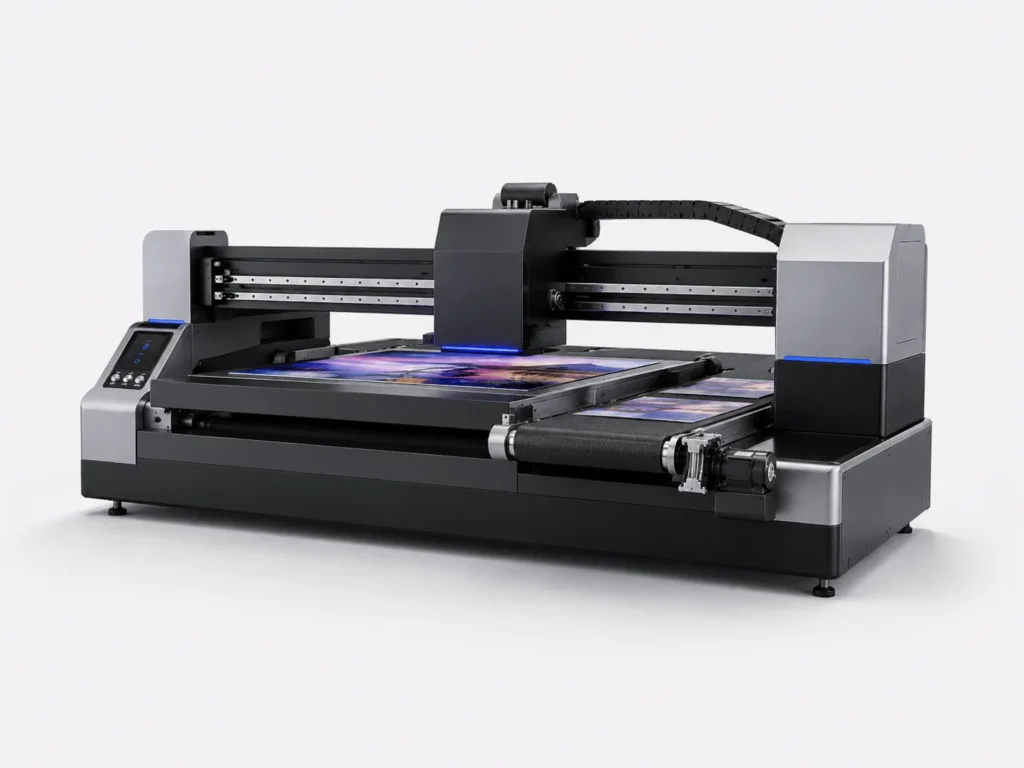
Single pass printers use a fixed printhead array design, where multiple industrial printheads cover the entire printing width. When materials pass through the printing area, the printer completes the entire image output in a single movement without requiring printheads to move back and forth. This production method significantly increases printing speed while maintaining consistent image quality, making it highly suitable for industries that require continuous and efficient manufacturing.
The main production workflow includes:
- Import digital design files into the printing control system.
- Software automatically processes graphics, colors, and printing parameters.
- Materials move into the printing area through an automatic feeding system.
- Fixed printhead arrays rapidly spray UV ink onto the substrate.
- UV curing systems instantly dry and stabilize the printed ink.
- Finished products move to inspection or subsequent processing stages.
Because the entire process is controlled digitally, businesses can quickly switch between different product designs without frequent mechanical adjustments, improving production flexibility.
Determining the Business Value Based on Production Requirements
When selecting a single pass printer, businesses need to consider whether the equipment matches their production model. Packaging manufacturers often prioritize high-speed output and material compatibility. Advertising companies usually focus on image accuracy, color performance, and the ability to handle customized orders. Industrial manufacturers pay more attention to equipment stability, continuous operation capability, and long-term maintenance costs. The right single pass printer can increase production speed, reduce manual operations, and improve manufacturing automation. By matching equipment capabilities with actual production needs, companies can avoid unnecessary investment and achieve higher returns from their printing systems.
Key Performance Factors When Selecting a Single Pass Printer
Different production environments have different requirements. Businesses should evaluate several important performance factors before purchasing equipment.
Important considerations include:
- Printing Speed Capability:The main advantage of single pass printers is high-speed production. Companies should select suitable speed configurations according to order volume, production schedules, and delivery requirements.
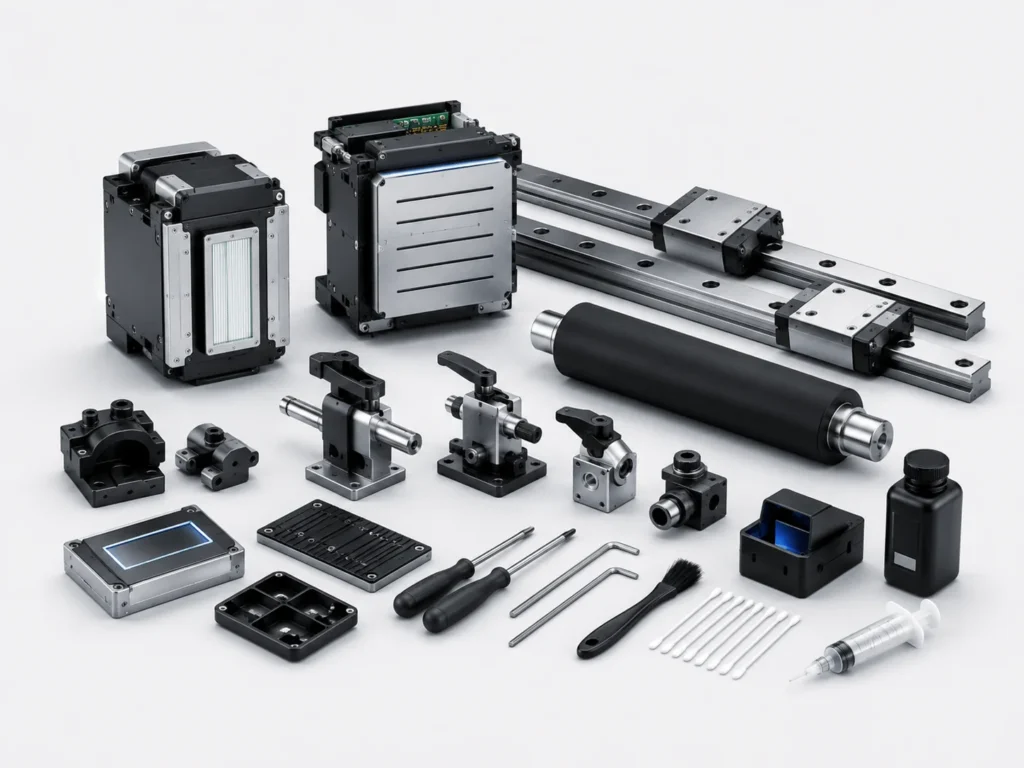
- Printhead Configuration:The number, arrangement, and precision of industrial printheads directly affect printing quality and production efficiency. High-quality printhead systems provide stable long-term performance.
- Material Compatibility:A suitable single pass printer should support various substrates, including paperboard, corrugated materials, PVC, acrylic, wood panels, metal sheets, and composite materials to maximize application flexibility.
- Color Performance:For packaging, advertising, and decorative applications, accurate color reproduction is essential. Businesses should evaluate ink systems and color management technology.
- Automation Level:Features such as automatic feeding, intelligent inspection, and production data management can reduce manual involvement and improve overall efficiency.
- Equipment Stability:Continuous production requires reliable operation. Structural design, cooling systems, and control technologies all influence equipment durability.
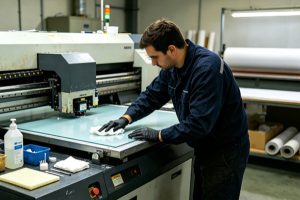
- Maintenance Convenience:Easy printhead cleaning, ink system maintenance, and component replacement can reduce long-term operating expenses.
Evaluating these factors helps businesses select a single pass printer that better matches their actual production environment.
Application Scenarios of Single Pass Printers
Single pass printers are widely used in packaging production, corrugated boxes, color cartons, advertising displays, furniture panels, architectural decoration materials, and industrial product surface printing. In packaging manufacturing, these printers enable rapid production of large quantities of colorful graphics and improve order processing capacity. In advertising production, they support fast creation of display boards, signage, and customized promotional products. In furniture and decorative industries, digital printing technology enables personalized textures and patterns on various materials. For businesses requiring stable long-term production, single pass printers optimize manufacturing workflows, improve equipment utilization, and support growing market demand for faster delivery and diversified products.
Operation and Management Methods for Single Pass Printers
After selecting suitable equipment, proper operation and maintenance management are essential for maintaining stable printing performance. Businesses should establish standardized procedures to ensure the printer continues operating efficiently.
Recommended management practices include:
- Configure appropriate printing parameters for different materials to improve output quality.
- Regularly inspect printhead conditions to maintain consistent ink flow.
- Maintain the ink supply system to prevent blockages and production interruptions.
- Clean the conveyor platform regularly to ensure accurate material transportation.
- Check UV curing system performance to guarantee complete ink curing.
- Keep equipment operation records to identify potential issues quickly.
- Provide professional training for operators to improve equipment utilization.
- Create scheduled maintenance plans to reduce unexpected downtime.
Effective management extends equipment service life, improves production stability, and allows businesses to fully utilize the high-speed advantages of single pass printing technology.
As industrial digital printing technology continues to develop, single pass printers have become an important solution for companies seeking higher production efficiency. When selecting equipment, businesses should consider product types, production volume, material requirements, and future development goals. By choosing a single pass printing system with stable performance, advanced automation, and strong material compatibility, companies can increase production speed, reduce labor costs, optimize manufacturing processes, and achieve stronger competitiveness in an increasingly demanding market.