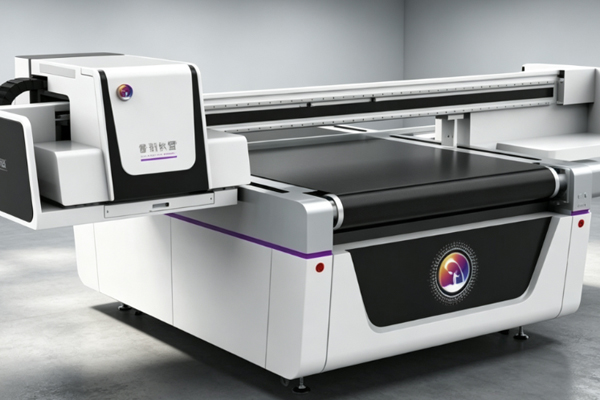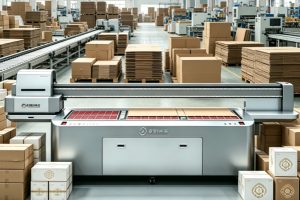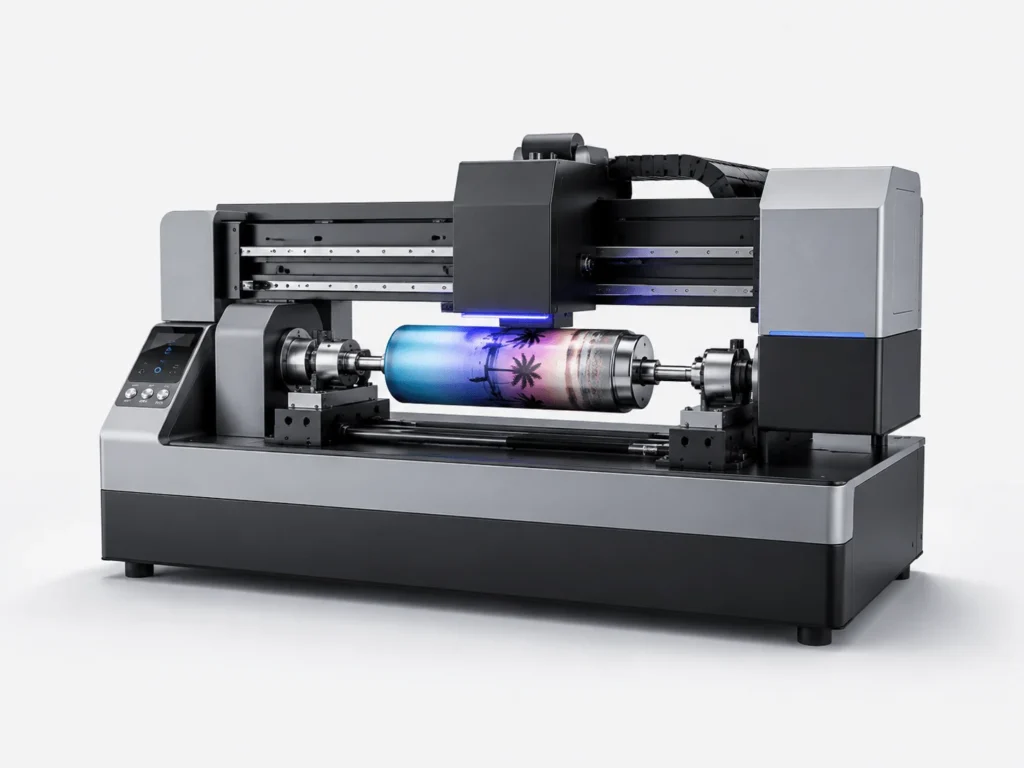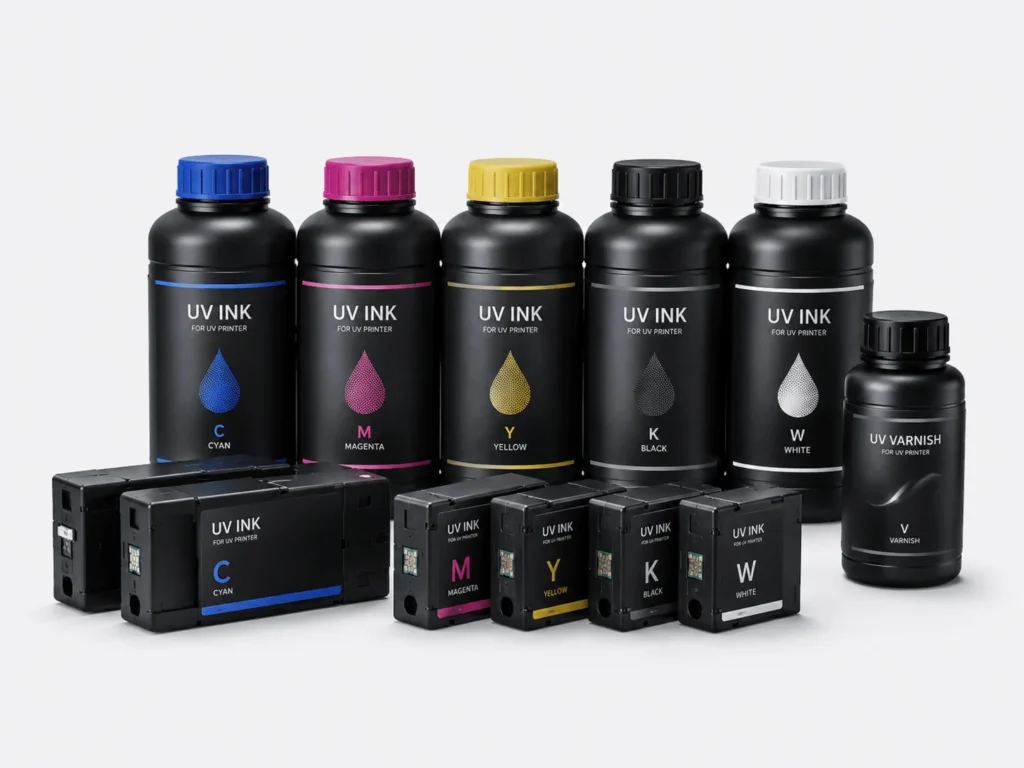
As the food packaging industry continues to raise its standards for print quality, production efficiency, and environmental performance, UV LED ink has gradually become one of the preferred choices in the packaging printing sector. Compared with traditional printing inks, UV LED ink features rapid curing, vibrant colors, excellent adhesion, and lower energy consumption. As a result, it is widely used for folding cartons, labels, plastic packaging, gift boxes, and many other packaging products. However, food packaging differs significantly from general packaging because it is subject to much stricter food safety requirements. Therefore, whether UV LED ink can be used for food packaging printing depends on several factors. UV LED ink can be applied to certain types of food packaging, but its suitability should be determined based on the packaging type, printing location, whether it comes into direct contact with food, and applicable regulatory requirements. It cannot simply be assumed that all food packaging is suitable for standard UV LED ink.
What Types of Food Packaging Can Use UV LED Ink?
Suitable for Non-Food-Contact Packaging
Many printed graphics on food packaging do not come into direct contact with the food itself, making these products more suitable for UV LED printing. Examples include outer paper cartons, gift boxes, beverage cartons, transport packaging, display packaging, and outer labels. These packaging components primarily serve to display brand information and protect the product, while the food itself remains separated by inner bags, liners, films, or other packaging materials. In such cases, as long as UV LED ink that meets the relevant requirements is selected and the printing process follows proper production standards, it can satisfy practical manufacturing needs.
Suitable for Food Label Printing
Food labels must clearly display product information, which places high demands on print quality. Many labels for bottled beverages, seasonings, health supplements, and externally applied product labels are produced using UV LED printing technology. Since these labels are generally attached to the outside of the package and do not directly contact the food, using UV LED ink that complies with relevant standards can deliver excellent color performance, abrasion resistance, and printing efficiency.
Suitable for Certain Decorative Packaging Applications
In addition to product information printing, many premium food packages incorporate decorative printing techniques to enhance their appearance. Examples include gift boxes, mooncake boxes, chocolate packaging, tea packaging, and festive food packaging, which often feature spot UV coating, varnish finishes, or embossed effects. UV LED ink provides excellent gloss and three-dimensional visual effects, making packaging more refined while improving overall product presentation.
Situations That Require Special Attention
It Should Not Come into Direct Contact with Food
Food safety is always a critical requirement in packaging production. Therefore, packaging that directly contacts food requires much stricter control. Standard UV LED ink is generally not recommended for printing directly onto surfaces that come into direct contact with food, such as inner food packaging, the inside surfaces of food containers, or packaging materials without protective barrier layers. If direct food contact is required, specialized inks that comply with food-contact regulations should be selected and manufactured according to the relevant standards.
Compliance with Applicable Regulations Is Required
Food packaging must not only achieve excellent print quality but also comply with regulatory requirements in different countries and regions. Various markets have specific regulations regarding packaging materials, ink compositions, and migration performance. When manufacturing or exporting food packaging, companies should select UV LED inks that comply with the standards of the target market and conduct the necessary testing together with the packaging materials to ensure regulatory compliance.
Choose Professional Food Packaging Inks
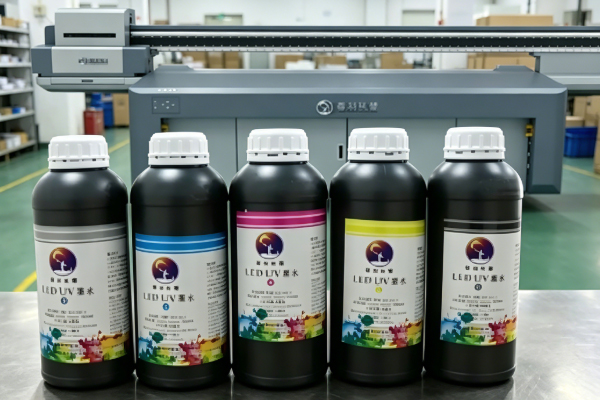
UV LED inks available on the market are designed for different applications and should not be substituted arbitrarily. Some manufacturers have developed Low Migration UV LED inks specifically for food packaging. These products use more carefully selected raw materials and stricter formulation designs to minimize the risk of substance migration, making them more suitable for food packaging printing applications.
What Are the Advantages of Using UV LED Ink for Food Packaging?
Fast Curing Speed
Food packaging production typically involves continuous, high-volume printing, making production efficiency extremely important. UV LED ink cures rapidly under ultraviolet light, allowing printed products to move directly into die-cutting, laminating, creasing, and packaging processes without long waiting times. This significantly improves overall production efficiency and helps shorten order delivery cycles.
Stable Printing Performance
Food packaging must ensure both accurate product information and attractive visual presentation. UV LED ink offers high color saturation and excellent adhesion, keeping text sharp and graphics vivid while enhancing the overall appearance of the packaging. Once fully cured, the printed surface also demonstrates good abrasion resistance, reducing the likelihood of scuffing during transportation.
A Cleaner Production Environment
Modern packaging manufacturers place increasing emphasis on environmental protection and workplace cleanliness, making ink performance an important consideration. UV LED ink is cured primarily through ultraviolet light rather than solvent evaporation. Compared with conventional solvent-based inks, it generally produces lower volatile organic compound (VOC) emissions. When combined with LED curing systems, it can also reduce energy consumption, creating a cleaner production environment while improving equipment operating efficiency.
Frequently Asked Questions
Can All Food Packaging Use UV LED Ink?
The answer is no. Whether UV LED ink can be used depends on whether the printed area comes into direct contact with food. For outer packaging and external labels, suitable UV LED inks can generally be selected according to product requirements. However, packaging intended for direct food contact must comply with much stricter safety standards.
What Is the Difference Between Low Migration Ink and Standard UV LED Ink?
The primary difference lies in their intended applications and safety control requirements. Low Migration UV LED ink has been specifically optimized for food packaging, with stricter formulation design and migration control to reduce the possibility of chemical substances migrating into food. Therefore, it is better suited for food packaging applications.
What Should Be Considered When Printing Food Packaging?
In addition to selecting the appropriate ink, attention should also be paid to the entire printing process. Packaging materials, curing performance, production environment, printing equipment, and quality inspection must all comply with relevant standards. Standardized production management not only ensures printing quality but also helps improve product safety and market competitiveness.
UV LED ink can be widely applied in the food packaging industry, but its suitability should be evaluated based on the packaging structure, printing location, and whether the printed surface comes into direct contact with food. For outer packaging, paper cartons, labels, and display packaging, selecting UV LED ink that complies with applicable standards can generally meet production requirements. For packaging that involves direct food contact, Low Migration UV LED inks that comply with relevant regulations should be prioritized. Food packaging requires not only high-quality ink but also comprehensive production management. From material selection and printing processes to curing performance and quality inspection, every stage directly affects product quality. Manufacturers should strictly follow industry standards throughout production and conduct testing and verification according to the regulations of the target market to ensure consistent packaging quality while meeting customer and market expectations.
UV LED ink can indeed be used for food packaging printing, but not all food packaging is suitable for standard UV LED ink. For non-food-contact applications such as outer packaging, paper cartons, labels, and decorative printing, UV LED ink has been widely adopted due to its fast curing, vibrant colors, strong adhesion, and high production efficiency. For packaging that comes into direct contact with food, Low Migration UV LED inks should be selected in accordance with applicable regulations, together with compliant packaging materials and standardized printing processes, to ensure excellent printing performance while fully meeting food packaging safety requirements.