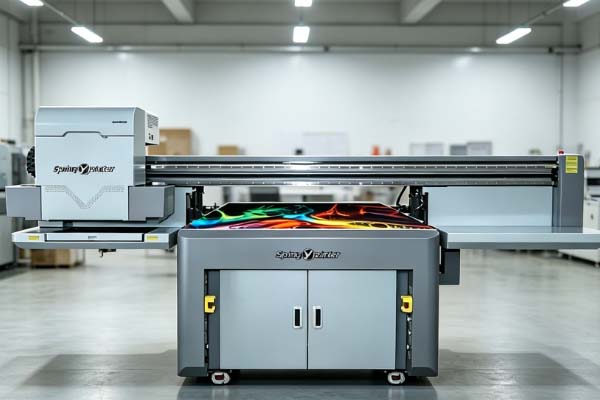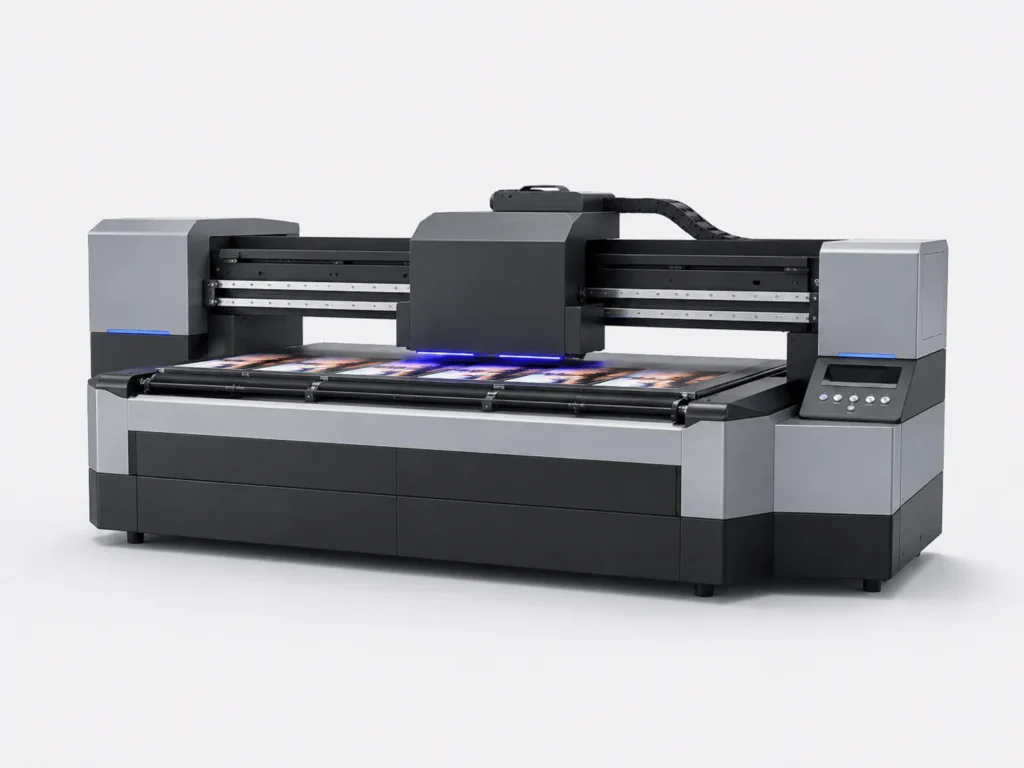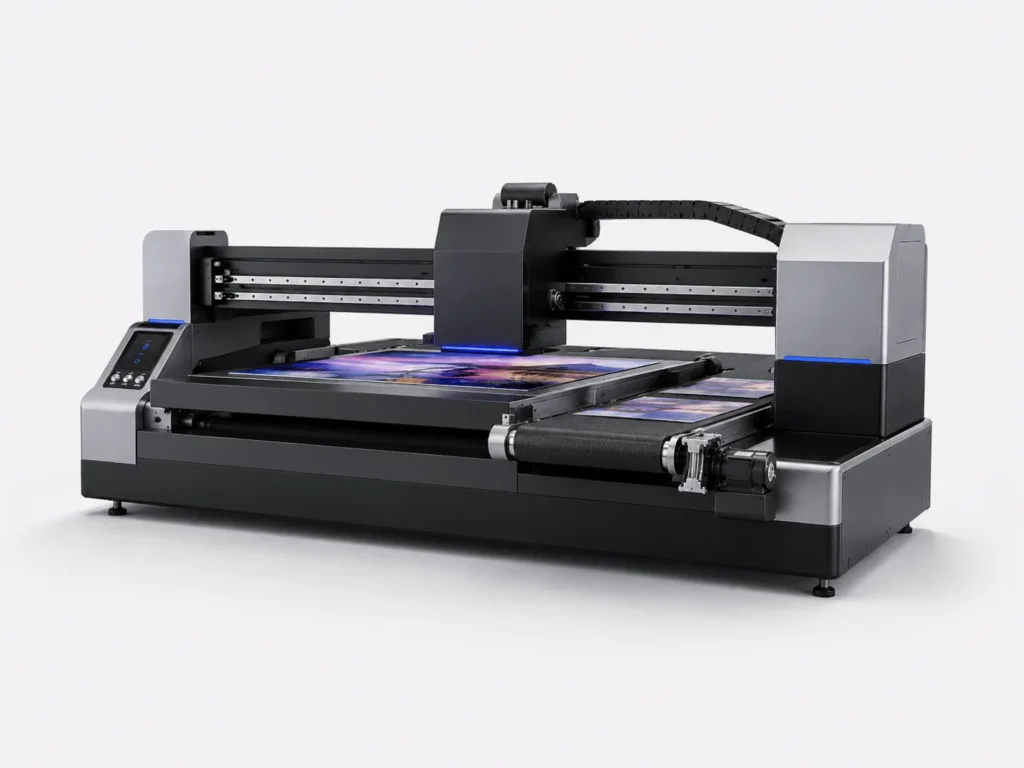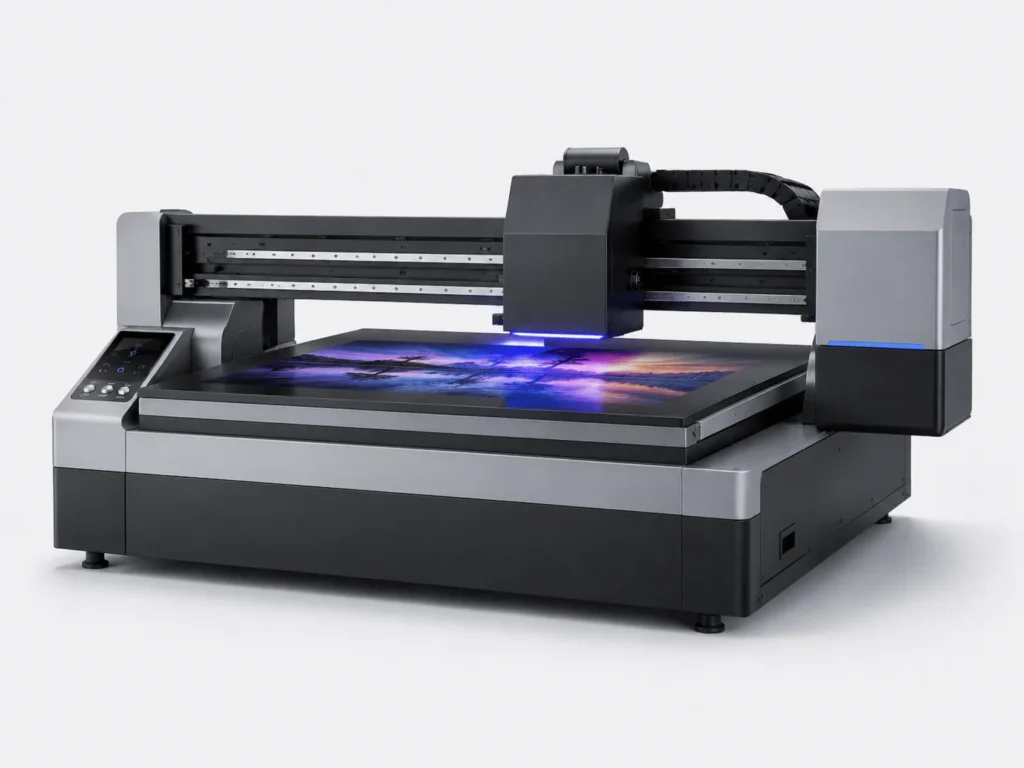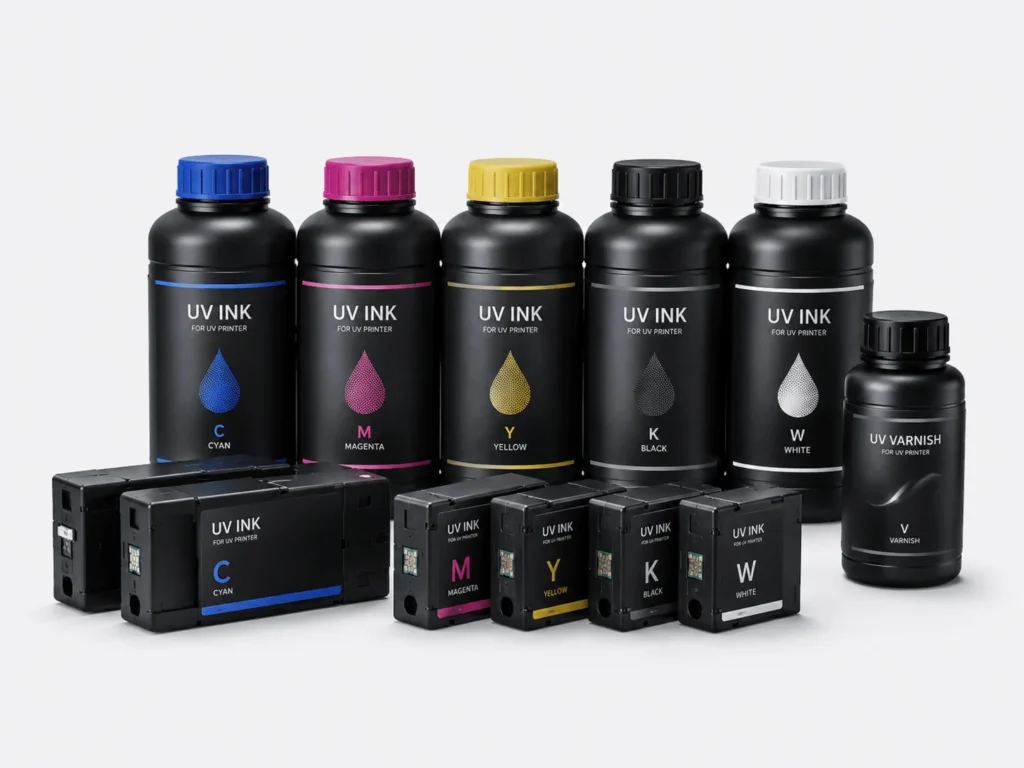
The home decoration panel industry is moving toward personalization, high efficiency, and environmentally friendly production. Traditional processes such as spraying, lamination, and screen printing can no longer fully meet modern interior design requirements. Single-pass UV printers, with their one-pass imaging, high-speed output, and high-precision image reproduction, can directly print high-definition patterns and textured surfaces on MDF, eco-boards, PVC panels, solid wood boards, and composite materials. This significantly enhances both the visual appearance and design flexibility of home products.
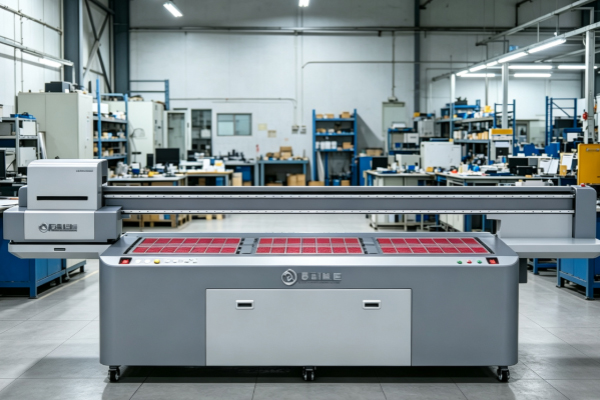
Working Principle of Single-Pass Printing on Home Panels
Single-pass printers use a high-speed printhead array system. While the panel moves continuously through the conveyor system, multiple printheads simultaneously complete full-width image printing. UV lamps instantly cure the ink, allowing the pattern to solidify in a very short time.
The main workflow includes:
- Panels are fed into the printing area via an automatic feeding platform
- The printhead array sprays UV ink based on design data
- UV lamps instantly cure the ink during printing
- The conveyor system continuously transports panels for full-surface printing
- An automatic correction system ensures precise image alignment
This continuous printing method eliminates repeated back-and-forth operations, significantly improving production efficiency while maintaining consistency across large panels.
Value of Single-Pass Printing in Home Panel Applications
Interior decoration materials require strong visual appeal and surface texture quality. Single-pass UV printing enhances decorative effects while simplifying traditional processing steps.
Key value benefits include:
- Enhancing decorative effects with more realistic textures
- Supporting customized designs for different interior styles
- Shortening production cycles and improving delivery efficiency
- Reducing plate-making and labor costs
- Enabling fast switching between different design styles
In today’s home market, rapidly changing design trends make digital printing a core processing method for panel manufacturing.
Technical Advantages of Single-Pass UV Printing for Panels
Single-pass printers combine high speed with high precision, achieving a balance between efficiency and quality in large-format home panel production.
Core advantages include:
- High-speed continuous output:A single pass completes full-board printing, suitable for industrial production.
- High-precision image reproduction:Clearly reproduces wood grain, stone texture, fabric patterns, and complex designs.
- Strong material compatibility:Suitable for MDF, PVC boards, acrylic sheets, and composite panels.
- Instant UV curing technology:Prevents ink spreading and ensures sharp image edges.
- Multi-layer effect capability:Supports embossed textures and localized gloss coating effects.
These advantages make the equipment highly practical and stable for home panel processing.
Application Scenarios in the Home Industry
With the rise of customized home solutions, single-pass UV printing is widely used across multiple segments of interior decoration.
Typical applications include:
- Customized wardrobe and cabinet door panels
- Decorative background walls and artistic wall designs
- Wood flooring surface pattern printing
- Office furniture and commercial space panel decoration
- Hotel and exhibition space interior decoration materials
- Personalized furniture surface customization
Different spaces require different styles, and single-pass printing enables fast design switching, making production more flexible.
Operating Methods for Single-Pass Printing on Home Panels
In actual production, settings must be adjusted according to different panel materials to ensure stable printing results.
Standard operating procedures include:
- Clean panel surfaces to remove dust and oil stains
- Adjust print platform height according to panel thickness
- Set resolution, ink volume, and conveyor speed
- Conduct sample testing for color and texture verification
- Start continuous production while monitoring system status
- Apply surface protection or lamination after printing
- Regularly inspect printheads and UV curing systems
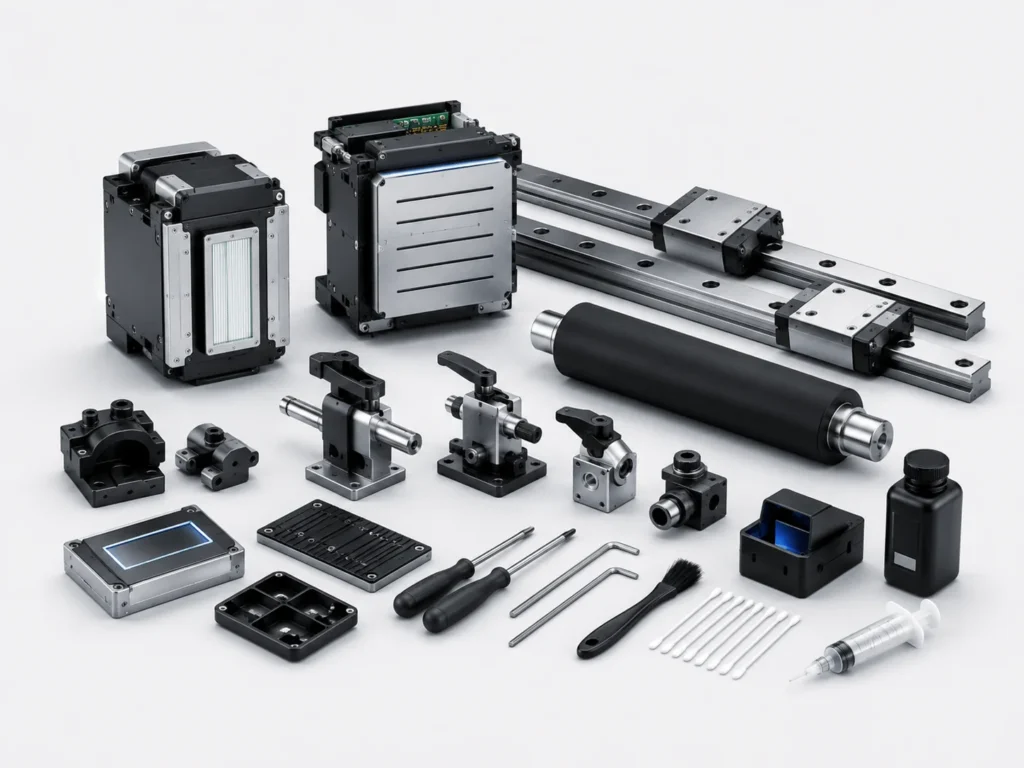
Proper maintenance is also essential, including printhead cleaning, rail lubrication, and UV lamp inspection, which helps extend equipment lifespan.
Single-pass UV printers are driving the home panel industry toward digitalization, customization, and high-efficiency production. With high-speed output and rich design capabilities, they are transforming traditional fixed-style decoration into flexible and creative interior solutions, while continuously improving manufacturing efficiency and product value.