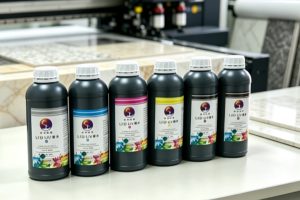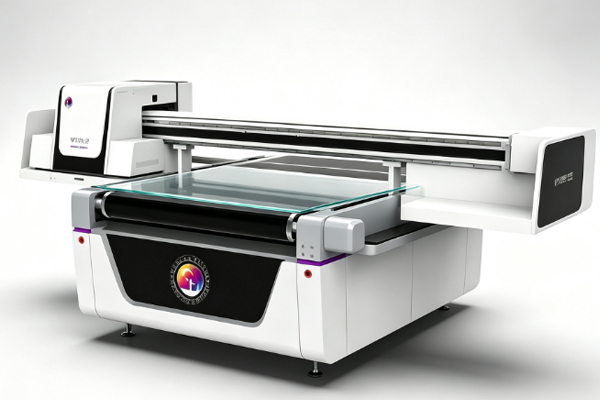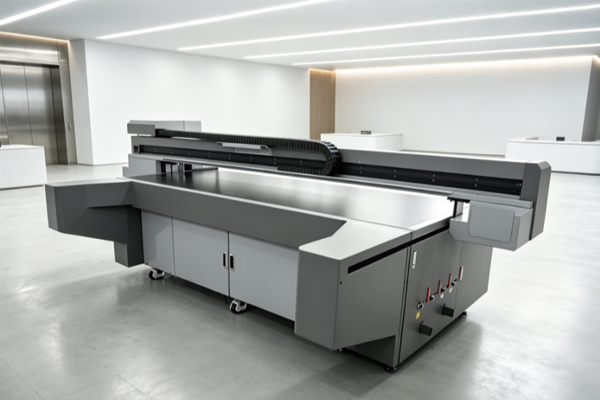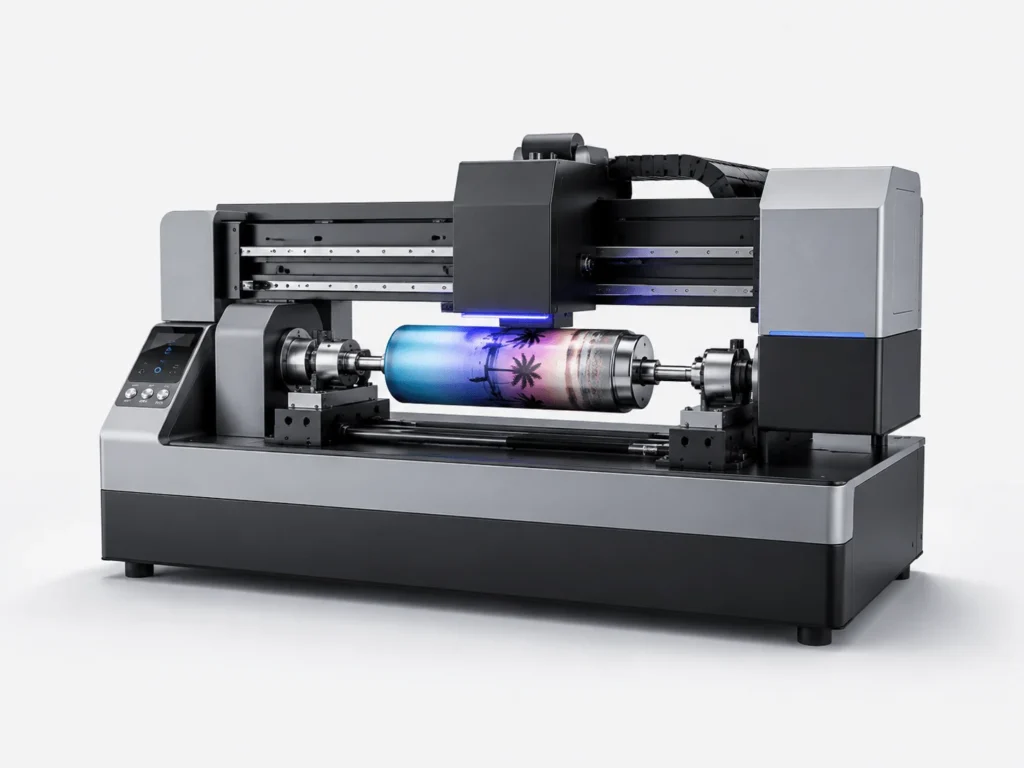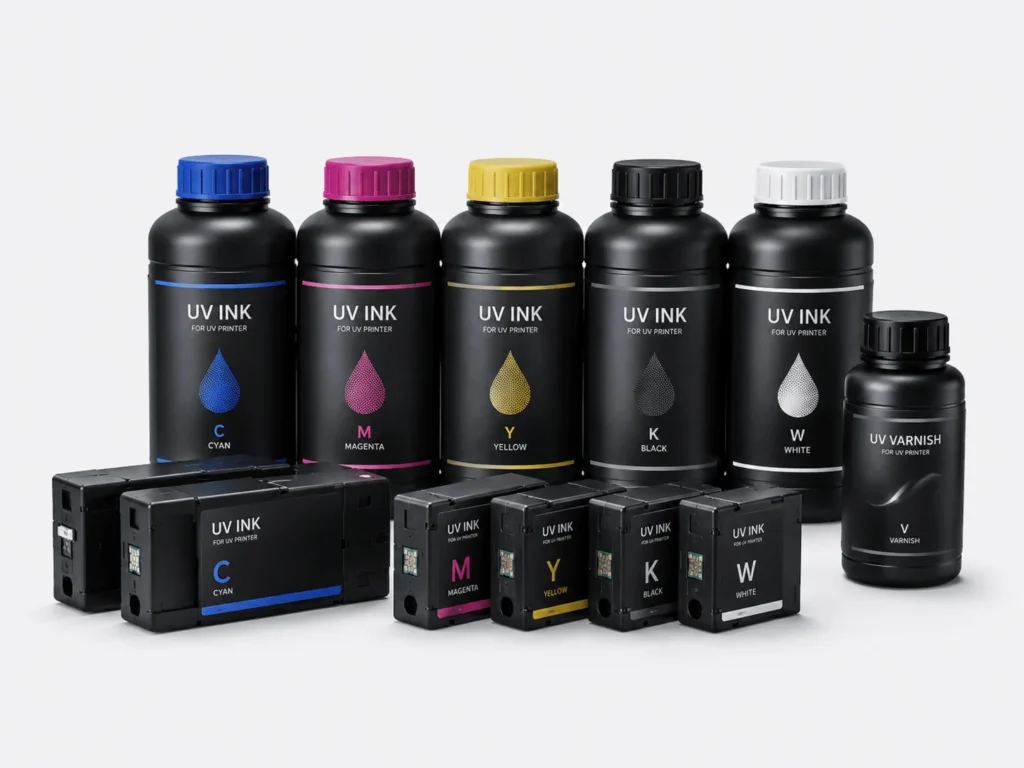
Whether printing advertising boards, packaging materials, craft gifts, or industrial signage, rework, scrap, misalignment, or poor ink adhesion during the printing process can all result in additional material consumption. Thanks to its fast curing speed, stable printing performance, and broad material compatibility, UV LED ink has become an important choice for many companies looking to control production costs. It not only improves printing efficiency but also helps businesses reduce waste, minimize unnecessary material loss, and maximize the value of every sheet and every finished product throughout the production process.
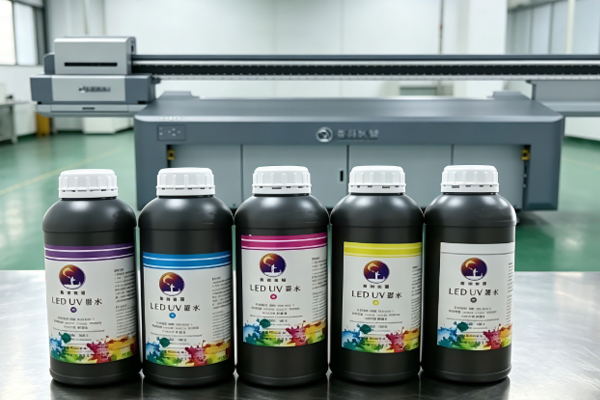
Why Can UV LED Ink Help Reduce Material Waste?
Fast Curing Reduces Losses Caused by Waiting
If printed products require a long drying time, materials can easily become scratched, crushed, or contaminated during handling, stacking, and transportation. UV LED ink cures rapidly through LED ultraviolet light, allowing printed products to move quickly to the next production process after leaving the printer. This reduces rework caused by uncured ink and lowers the risk of damage to semi-finished products during handling. For mass production, the stability provided by rapid curing can significantly reduce material scrap caused by excessive waiting time.
Stable Printing Reduces Trial-and-Error Costs
Much material waste is generated not during formal production but during repeated machine adjustments, sample printing, and plate corrections. UV LED ink generally performs more consistently when used with compatible printing equipment. Color reproduction, adhesion performance, and curing conditions are easier to control. Once the equipment parameters have been properly adjusted, subsequent production runs can maintain consistent printing quality. As a result, repeated proofing is minimized, reducing unnecessary consumption of sample materials, printing substrates, and ink.
Wide Material Compatibility Reduces Material Replacement
Some factories are forced to replace printing materials or purchase additional consumables because of material compatibility issues, leading to significant waste. UV LED ink can be applied to a wide variety of materials, including acrylic, glass, metal, PVC, wood, and ceramic. With appropriate printing parameters, stable printing performance can be achieved across different substrates. Greater material flexibility means companies no longer need to replace materials simply because the ink is incompatible, helping reduce inventory accumulation and material waste.
How to Reduce Waste in Production with UV LED Ink?
Perform Material Testing Before Production
Much material waste occurs because production begins immediately without testing, only to discover poor adhesion or incorrect colors afterward, requiring everything to be redone. Before starting large-scale production, conducting small-area tests with UV LED ink allows manufacturers to evaluate adhesion, curing performance, and color accuracy in advance. Although this requires a little extra preparation time, it can prevent entire batches of materials from being scrapped later. Especially when using new materials, handling new orders, or meeting changing customer requirements, testing before production is one of the most effective ways to control waste.
Set Printing Parameters Properly
Improper printing parameters may result in excessive or insufficient ink application, causing unclear images or inconsistent colors that ultimately lead to discarded materials.When using UV LED ink, ink volume, printing speed, and curing power should be adjusted according to the material thickness, surface characteristics, and printing content. Proper parameter settings increase the likelihood of achieving acceptable print quality on the first attempt, thereby reducing the need for rework.
Maintain a Stable Production Environment
Significant changes in the production environment can also increase material waste. Temperature fluctuations, excessive dust, and unsuitable humidity levels can all affect finished product quality. Although UV LED ink is generally more stable than conventional inks, printing performance can still be affected if the workshop environment is poorly maintained. Keeping the production area clean, maintaining suitable temperatures, and ensuring proper air circulation can reduce ink contamination, material soiling, and surface defects. A more stable production environment naturally leads to lower reject rates and higher material utilization.
Practical Benefits of UV LED Ink in Reducing Waste
Lower Rework Rates
Rework is one of the most direct sources of material waste. Once a finished product fails quality inspection, the printing substrate, ink, and production time must all be invested again. With its rapid curing and reliable adhesion, UV LED ink increases the likelihood that products will pass inspection on the first attempt.
Reduced Material Loss During Machine Setup
Whenever equipment is started up or production switches to a new order, repeated test printing is often required, resulting in considerable material waste in many factories. Once the printing equipment reaches stable operating conditions, UV LED ink delivers highly consistent printing results, reducing the number of setup tests required. With proper routine maintenance and well-maintained printheads, test prints can reach acceptable quality more quickly. This allows companies to avoid repeatedly consuming printing substrates and ink simply to verify printing performance.
Reduced Inventory Waste
Material waste does not occur only on the production floor. Consumables stored in warehouses for extended periods may gradually lose their usability as well. Because UV LED ink is compatible with a wide range of materials and production scenarios, companies can manage inventory more accurately without maintaining excessive stocks of different consumables. A clearer inventory structure reduces the risks of excess stock and expired materials while making warehouse management more efficient.
Frequently Asked Questions
Does Using UV LED Ink Automatically Eliminate Material Waste?
Many people assume that simply switching to UV LED ink will automatically solve material waste problems, but this is not the case. Ink is only one important factor in reducing waste. The overall level of material loss is also determined by equipment condition, operator practices, material selection, and production process management. If these factors are not properly controlled, scrap and rework will still occur.
Is UV LED Ink More Suitable for Small-Batch Orders?
Small-batch orders often involve more sample printing and more frequent production changeovers, making ink stability especially important. UV LED ink cures quickly and allows convenient production transitions, making it well suited for this type of work. It helps companies reduce waiting time while lowering trial-and-error costs during multi-product manufacturing, making it particularly valuable for factories handling small-volume, multi-batch production.
Is Material Waste Mainly Related to the Ink?
Material waste is not determined solely by the ink, but ink performance directly affects the final results. If the ink has poor adhesion, slow curing, or unstable color performance, materials are much more likely to be scrapped. Conversely, selecting high-performance UV LED ink and following standardized production procedures can significantly improve finished product yield.
UV LED ink itself does not automatically reduce material consumption. However, its fast curing speed, reliable adhesion, and broad material compatibility can effectively help companies minimize many unnecessary losses. When printed materials are less likely to become scratched and first-pass printing success rates improve, rework and scrap naturally decrease. Nevertheless, ink is only one tool. The overall production process ultimately determines how much waste is generated. Material testing, parameter optimization, environmental management, and equipment maintenance must all be properly implemented. When combined with appropriate printing parameters, a stable production environment, and standardized operating procedures, UV LED ink can deliver greater material savings in actual manufacturing, allowing businesses to maximize the value of every piece of material they use.