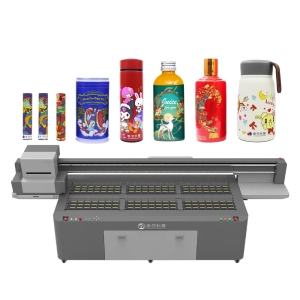
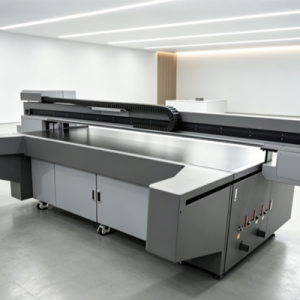
Why do the same UV printer produce different results on different materials? Some products have sharp graphics, bright colors, and strong durability, while others may experience ink peeling or poor adhesion. In many cases, the printing result is not only related to the equipment but also depends on how the material surface is prepared. Different materials, such as glass, metal, plastic, wood, and acrylic, have their own characteristics, and direct printing may not always achieve the best results. Proper preparation before UV printing helps ink bond better to the surface, improving both the stability and appearance of the finished product.
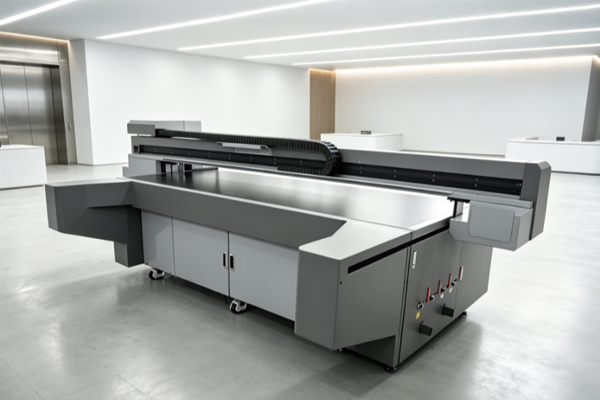
Plastic Materials Need Better Surface Adhesion Before Printing
Plastic is one of the most commonly used materials in UV printing and is widely applied in packaging, electronic housings, and daily products. However, most plastic surfaces are smooth, making it difficult for ink to naturally bond without proper treatment.
Before printing plastic products, pay attention to:
- Cleaning surface contaminants: Remove dust, oil, and release agent residues from the manufacturing process to avoid affecting ink adhesion.
- Using surface activation methods: Some plastics require treatments such as corona or plasma processing to improve surface energy.
- Applying primer when necessary: For plastics with lower adhesion performance, primer can improve the connection between ink and the material.
Different plastics have different characteristics. Materials such as ABS, PVC, PET, and PP do not always perform the same during printing. Testing the material before mass production helps determine the most suitable treatment method.
Glass UV Printing Requires Careful Cleaning and Adhesion Treatment
Glass has a smooth, transparent, and premium appearance, making it popular for decorative products, bottles, and display items. However, because glass has very low ink absorption, it is also one of the materials that requires more attention during UV printing.
Before printing on glass, consider:
- Cleaning the surface thoroughly: Remove fingerprints, dust, and grease to keep the surface clean.
- Checking the glass condition: Avoid water stains, scratches, or particles that may affect image quality.
- Improving adhesion: Use glass-specific treatment agents when needed to enhance ink stability.
- Controlling curing performance: Ensure proper curing to improve ink hardness and durability.
Glass products often focus heavily on appearance quality. For transparent glass or premium packaging, color accuracy and fine details are especially important. Proper preparation helps create clearer and more attractive prints.
Metal Materials Require Attention to Ink Adhesion
Metal materials offer excellent texture and durability, making them widely used for signs, equipment panels, decorative boards, and industrial products. However, metal surfaces are usually smooth and have limited ink absorption, so proper preparation is necessary.
Before UV printing on metal, focus on:
- Removing oil and oxidation layers: Metal surfaces may contain grease or oxidation after processing, which should be cleaned before printing.
- Maintaining surface smoothness: Rust, scratches, or uneven areas can affect the final printing quality.
- Choosing suitable treatment methods: Outdoor metal products usually require stronger adhesion and weather resistance.
For industrial metal products, printing quality is not only about appearance but also long-term durability. Proper surface treatment helps reduce issues such as fading and wear during use.
Wood and Acrylic Printing Require Attention to Surface Conditions
Wood and acrylic are also widely used materials in UV printing. Although both can achieve good printing results, they require different preparation methods. Wood may have natural textures and absorption characteristics, while acrylic has a smoother surface similar to glass and requires better adhesion control.
Before printing, consider:
- Removing dust from wood surfaces: Prevent wood particles and debris from affecting image details, and polish the surface if needed.
- Keeping acrylic surfaces clean: Avoid dust caused by static electricity, which may reduce printing clarity.
- Testing different surface effects: Some wood and acrylic products may require adjustments to ink volume and curing settings.
For customized products, the material itself plays an important role in the final result. Understanding material characteristics in advance helps make the UV printing process more stable and reduces production waste.
Achieving clear, attractive, and durable UV printing results requires more than just choosing the right printer. Material preparation is equally important. Different materials have different surface structures, adhesion levels, and usage environments, so suitable cleaning, activation, and treatment methods are needed to achieve the best performance from UV ink. From plastic and glass to metal, wood, and acrylic, paying attention to every preparation step can improve product quality and customer satisfaction. SpringYprinter provides professional UV printing equipment solutions to help businesses achieve high-quality customized printing on various materials.