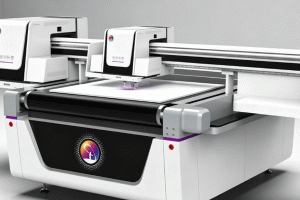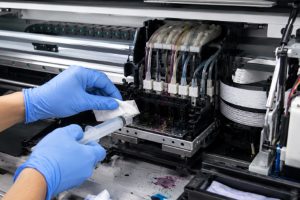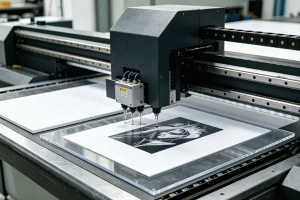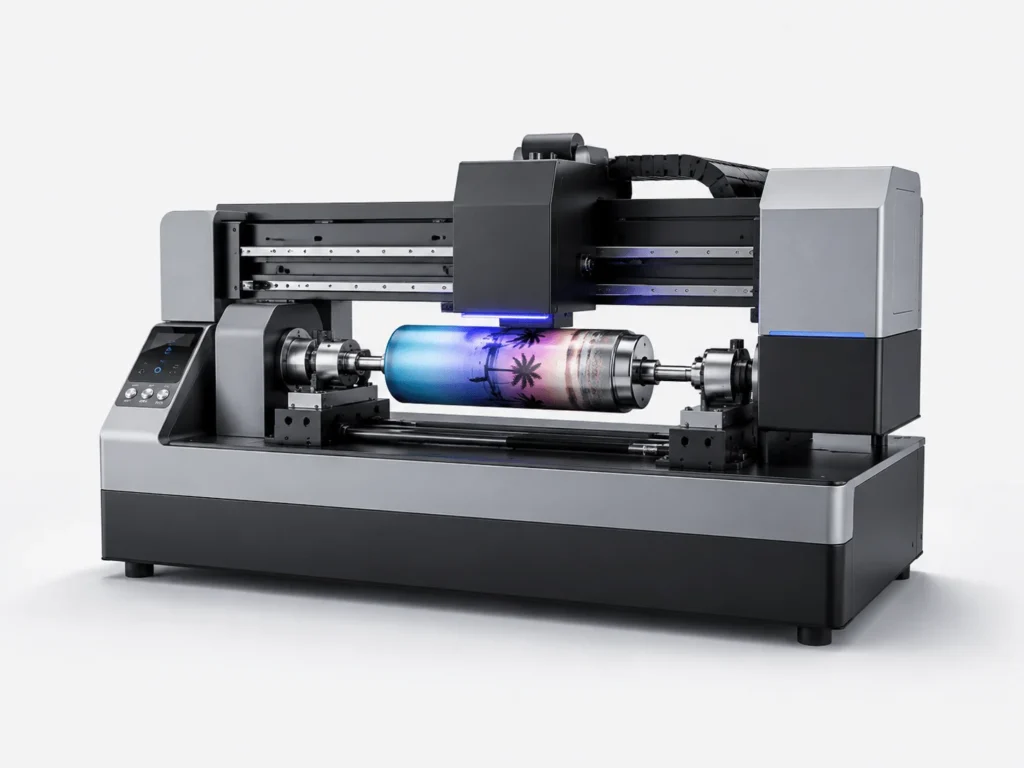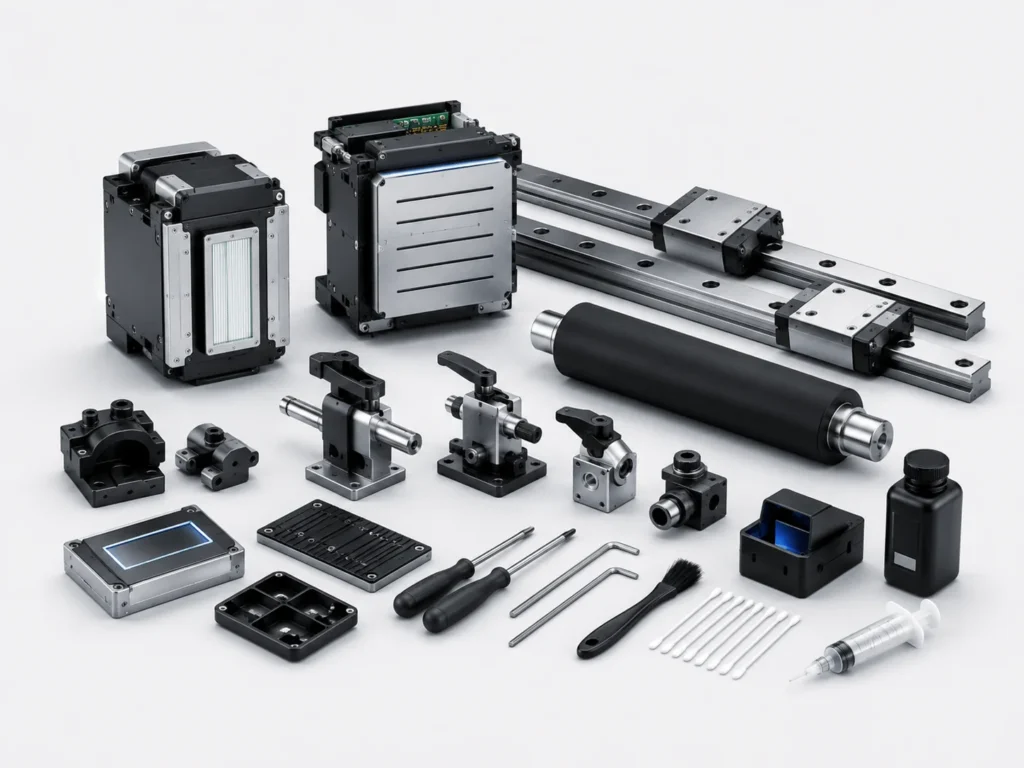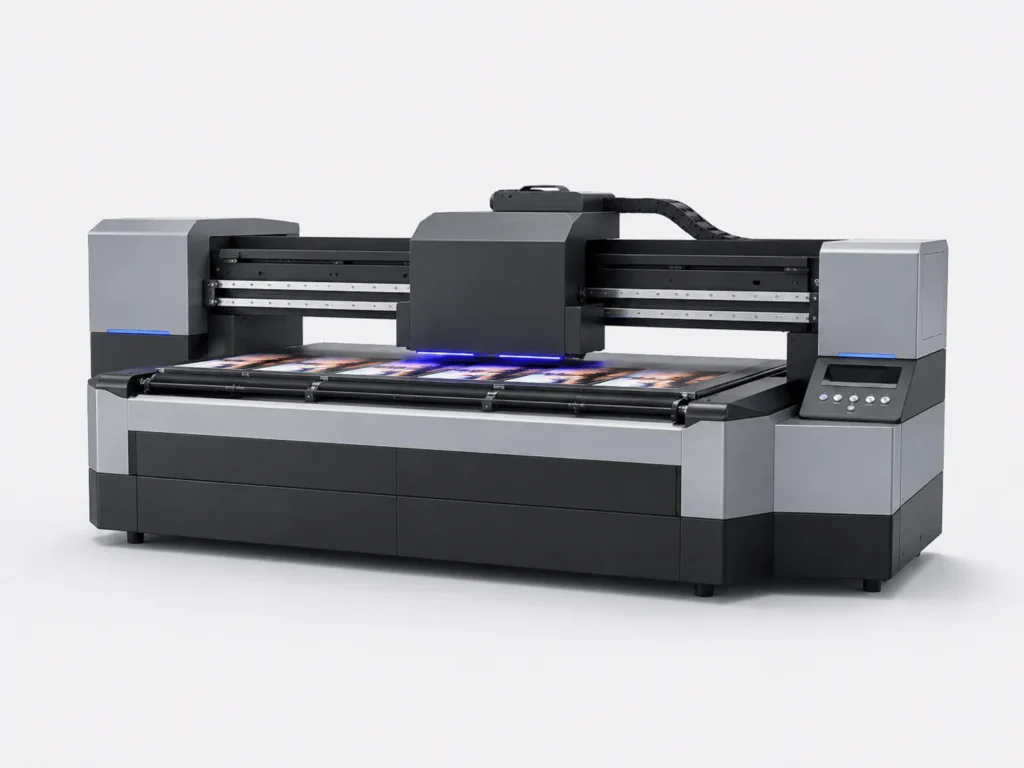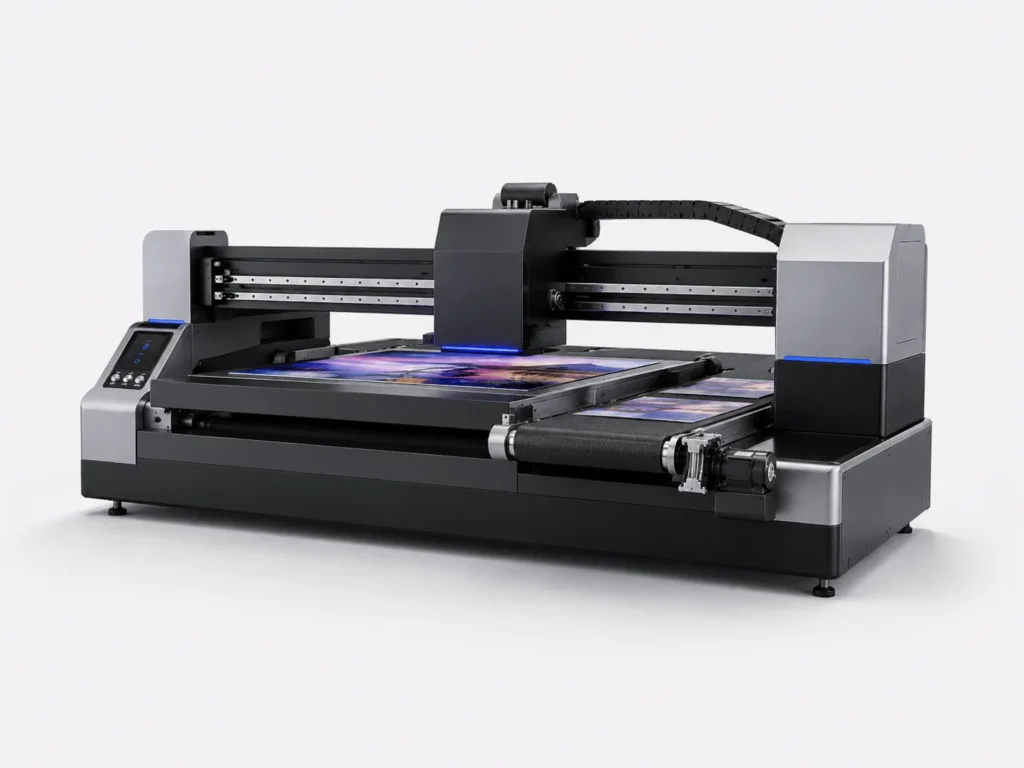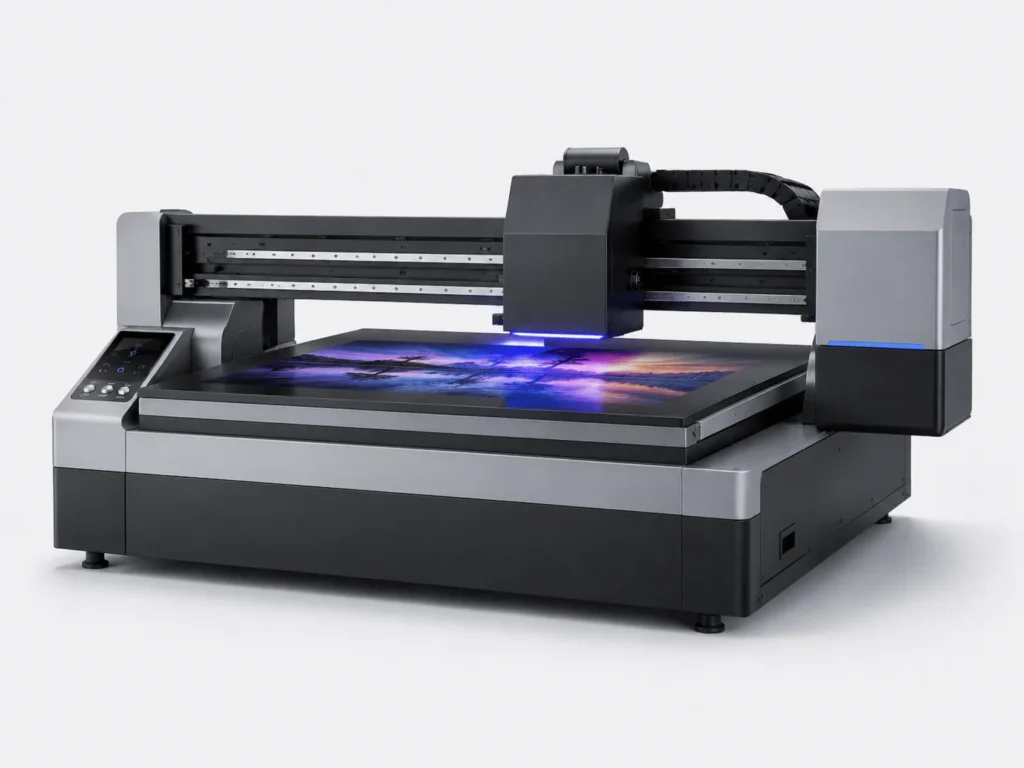
In continuous production processes, the conveyor belt of a UV flatbed conveyor printer plays a crucial role in material transport and precise positioning. Once deviation occurs, it can affect printing accuracy, leading to image misalignment, unstable feeding, and reduced production efficiency. Conveyor belt deviation is usually related to tension imbalance, roller condition, installation accuracy, and long-term wear. Mastering proper inspection and adjustment methods helps reduce downtime and maintain stable printing performance.
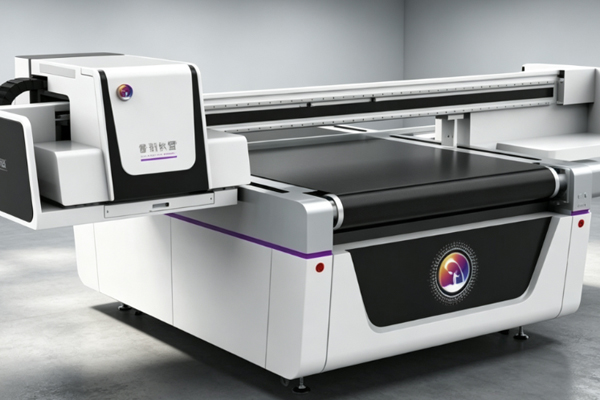
Understanding Common Causes of Conveyor Belt Deviation
Conveyor belt deviation is often caused by a combination of mechanical factors and requires a comprehensive evaluation of both structure and operating conditions.
Uneven Tension Causing Deviation
During operation, changes in belt tension directly affect tracking stability.
- Unequal tension on both sides causes the belt to shift toward the looser side.
- Long-term high-load operation may lead to belt loosening, affecting transport accuracy.
- Excessive tension increases friction resistance and causes unstable movement.
- Frequent start-stop cycles can cause tension fluctuations and slight drift.
- Uneven force distribution affects material transport smoothness and positioning accuracy.
Maintaining balanced and appropriate tension is the foundation of stable operation.
Abnormal Roller and Structural Position
The condition of rollers and the machine frame directly affects belt running direction.
- Misalignment between drive and driven rollers will continuously guide belt deviation.
- Ink or dust accumulation on roller surfaces disrupts uniform contact.
- Bearing wear may cause roller eccentricity.
- Insufficient installation accuracy leads to initial tracking deviation.
- Long-term vibration may loosen the structure and worsen deviation.
Systematic inspection of mechanical components helps quickly identify the root cause.
Methods for Adjusting Conveyor Belt Deviation
After identifying possible causes, adjustments should be carried out step by step from simple to complex to avoid worsening the issue or introducing new deviations.
Inspect and Adjust the Tensioning System
Adjustment of the tensioning system is the basic step in resolving conveyor belt deviation. It should be performed only when the machine is powered off and completely stopped to avoid errors. First, observe the tightness on both sides of the belt to determine whether the force is balanced. Then, make fine adjustments to the tensioning screws on both sides according to the machine structure to gradually equalize tension. Each adjustment should be small, and the belt tracking should be observed after restarting the machine. Avoid large one-time adjustments to prevent excessive movement in the running direction. Through gradual fine-tuning, the conveyor belt can return to a stable tracking state.
Correct Roller Parallelism
If deviation persists after tension adjustment, the parallelism between rollers and the frame should be checked.
- Check whether the front and rear rollers are level and aligned axially.
- Measure both ends to confirm whether there is any deviation.
- Fine-tune the brackets to restore roller parallelism.
- Check whether the rollers rotate smoothly without jamming.
- Clean roller surfaces to ensure uniform contact.
Once rollers are properly aligned, belt tracking issues can be effectively reduced.
Strengthening Daily Maintenance to Reduce Deviation Risk
Standardized maintenance helps reduce failure frequency and extend equipment lifespan.
Regular Cleaning of the Conveyor System
Keeping the conveyor system clean helps maintain a stable operating environment and reduces interference.
- Regularly clean dust, ink residue, and other contaminants on the belt surface.
- Check for foreign objects or debris accumulation around rollers.
- Keep the entire transport platform clean to avoid interference with tracking.
- Prevent small particles from entering the transmission system and causing wear or jamming.
- Inspect equipment condition periodically to address accumulated issues in time.
A clean and stable operating environment helps extend the overall service life of the conveyor system.
Establish Equipment Inspection Habits
Through standardized inspection procedures, abnormal conditions can be detected and handled before they escalate. Before each startup, observe the belt tracking direction to ensure stable transport. Check the smoothness and positioning consistency during material feeding. Pay attention to abnormal sounds or slight vibrations during operation. Record all adjustments and maintenance activities for future analysis. Establish a maintenance schedule based on usage frequency and strictly follow it. A systematic inspection process helps reduce unexpected downtime and improves production continuity.
Optimizing Conveyor Belt Performance
Proper usage and structural optimization can improve overall stability.
Reasonable Control of Production Load
Operating conditions directly affect conveyor belt stability and should be properly managed.
- Avoid long-term operation under overload conditions to reduce structural fatigue.
- Adjust transport speed according to material weight and thickness to ensure smooth operation.
- Reduce frequent emergency stops and starts to minimize sudden tension changes.
- Maintain a stable printing rhythm to keep the transmission system in balanced operation.
- Optimize machine parameters according to production requirements to improve efficiency.
Scientific usage helps reduce stress on the transmission system and improve stability.
Selecting a Stable and Reliable Machine Structure
The structural design of the equipment directly affects long-term stability and maintenance difficulty.
- A high-strength frame structure effectively reduces deformation during long-term operation.
- A precision transmission system improves material positioning accuracy.
- A stable conveying design reduces the probability of belt deviation.
- High-quality components extend overall equipment lifespan.
- A well-designed structure facilitates maintenance and quick adjustments.
A reliable machine foundation is essential for long-term efficient and stable production.
Conveyor belt deviation in UV flatbed conveyor printers should be addressed through a combination of tension adjustment, structural correction, and routine maintenance. Through step-by-step troubleshooting and standardized operation, printing errors can be effectively reduced, equipment efficiency can be improved, and material waste during production can be minimized. Springyprinter focuses on the R&D of industrial digital printing equipment, providing stable and efficient UV flatbed conveyor printing solutions for businesses.