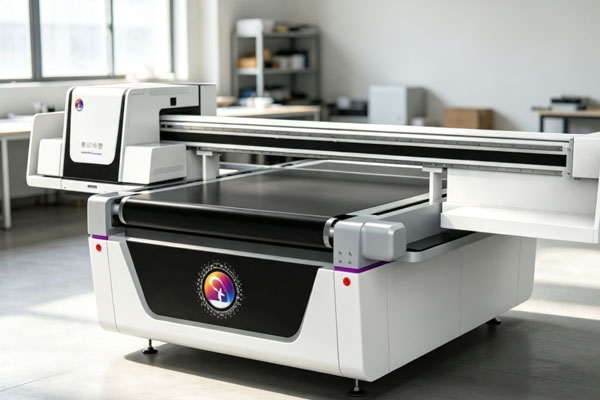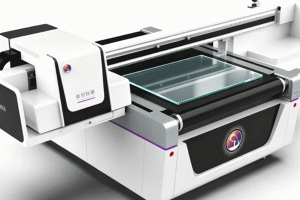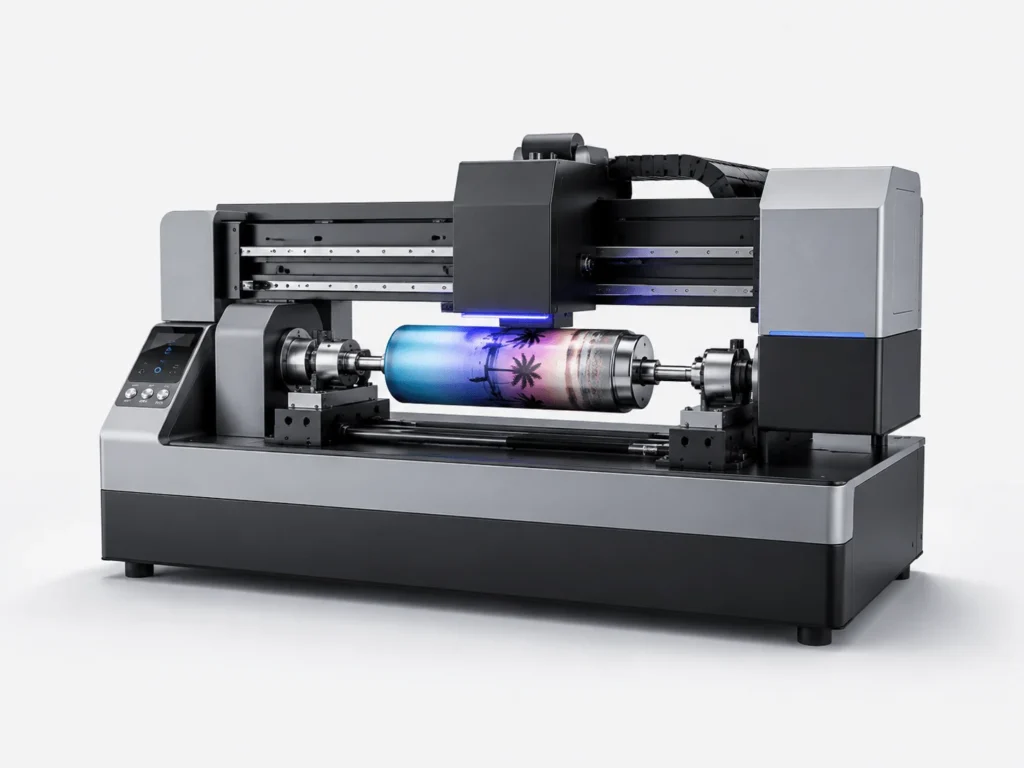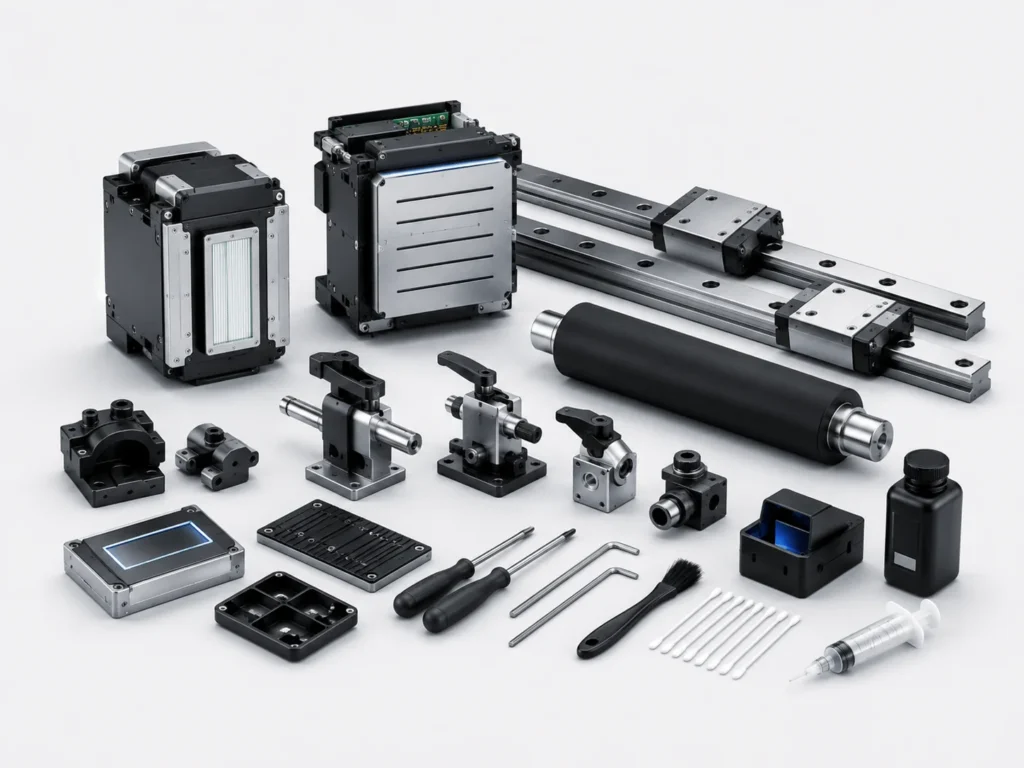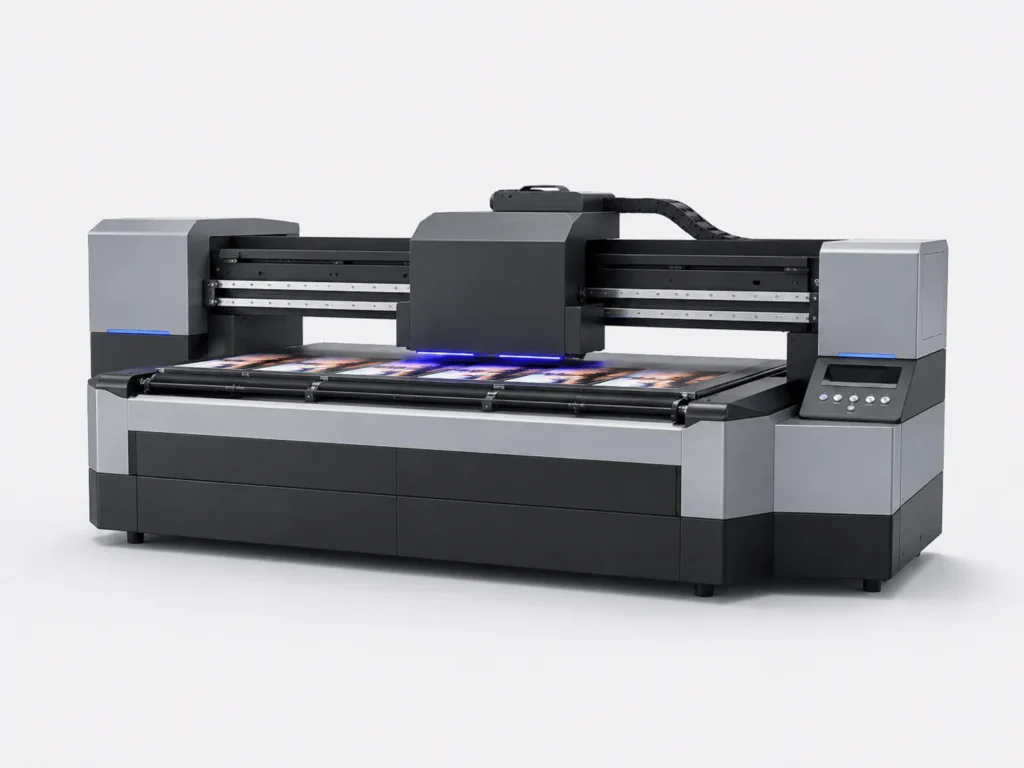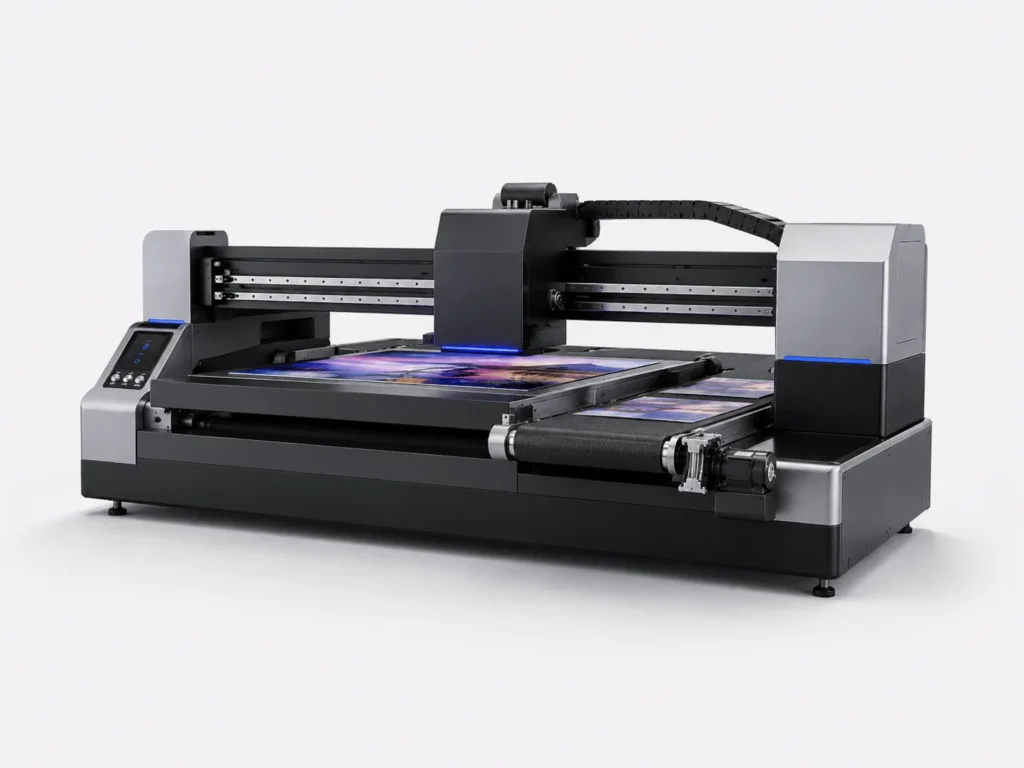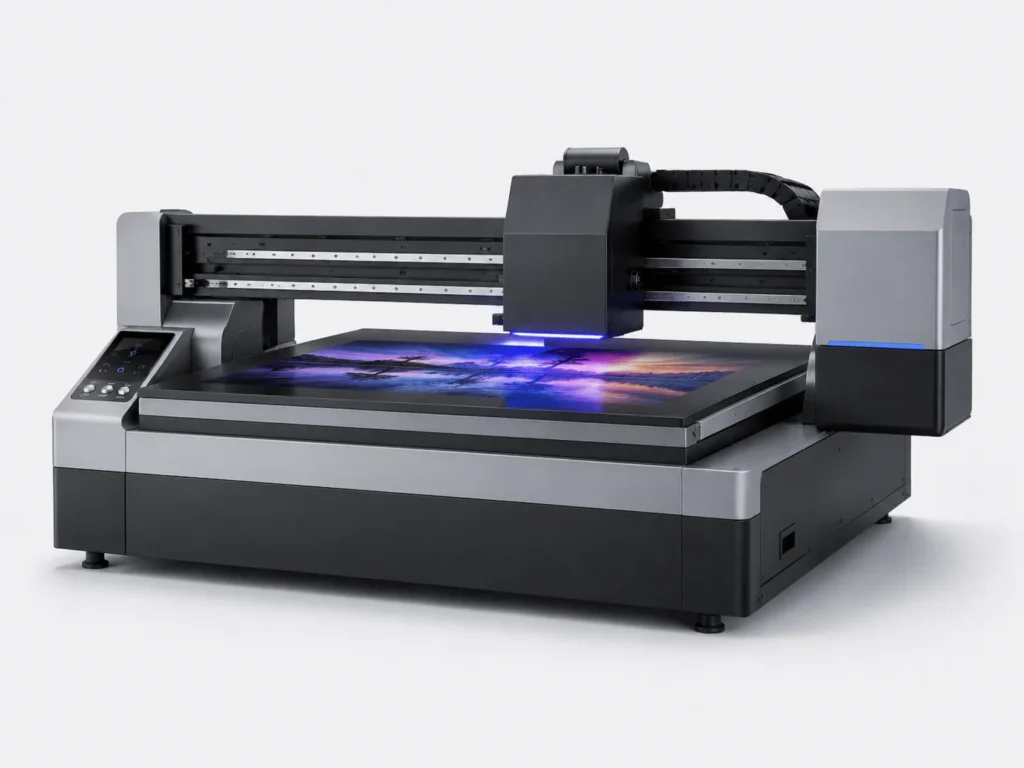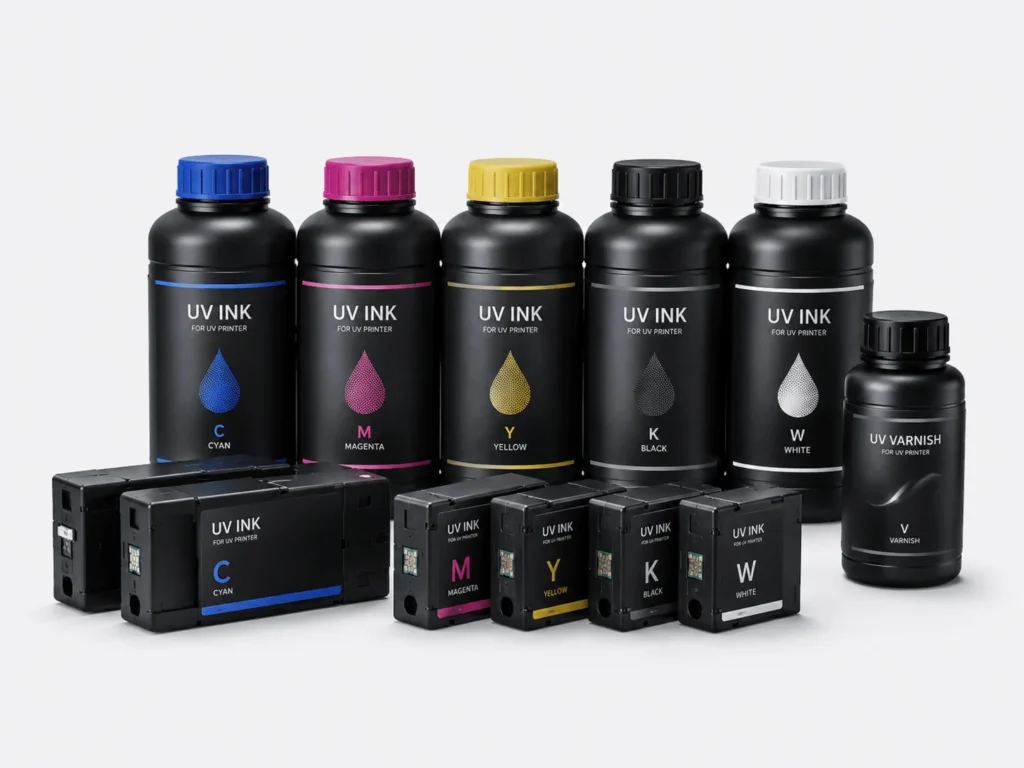
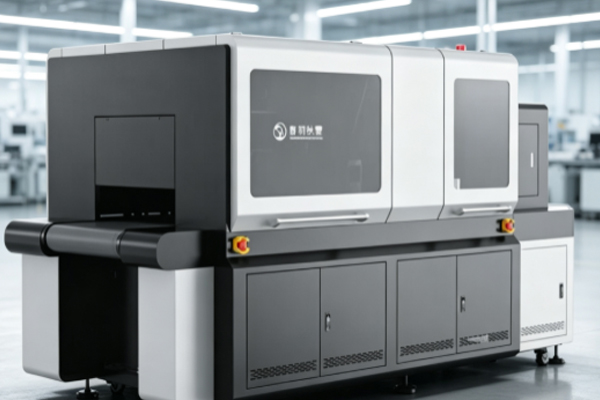
The core advantage of a single-pass printer lies in its high-speed continuous output, while the printing width directly affects the product specifications, layout methods, and production efficiency that the equipment can handle. If the width is too small, large-format products may require splicing or a change of equipment; if it is too large, it may increase equipment investment and space requirements. For enterprises, choosing the right printing width requires comprehensive consideration of product dimensions, order structure, production speed, and future business plans.
How Is the Printing Width of a Single-Pass Printer Related to Production Requirements?
A wider printing width is not always better. It must match the specifications of the main products in order to convert the advantages of high-speed printing into stable production capacity.
Determine the Basic Width Based on the Main Product Dimensions
When purchasing a single-pass printer, enterprises can analyze the dimensions of common products in their existing orders.
- Small-format products such as packaging boxes and labels are suitable for a printing width that matches standard layout sizes.
- Products such as large-format advertising materials and decorative panels require a larger effective printing area.
- When product specifications vary significantly, attention should be paid to the equipment’s ability to handle materials of different sizes.
- For continuous roll materials, both the material width and the equipment’s effective printing area should be considered.
It is recommended to organize the commonly used dimensions in recent orders and calculate the actual requirements based on the layout method, rather than purchasing equipment based solely on the dimensions of a single product.
Evaluate Effective Utilization Based on the Layout Method
The same printing width may result in different actual production capacities under different layout schemes.
- Multiple small-format products can be arranged horizontally to increase output per unit of time.
- When the equipment width matches the product dimensions, edge waste and blank areas can be reduced.
- Repetitive patterns or standardized packaging can improve the utilization of the printing area through proper imposition.
- When there is a significant difference between the product width and the effective equipment area, considerable unused space may be created.
Printing width not only determines whether a product can be printed, but also affects material utilization and output per unit of time.
How to Choose the Printing Width of a Single-Pass Printer for Different Production Scenarios
Product structures vary significantly across industries, and packaging, advertising, and industrial manufacturing have different requirements for printing width.
Packaging and Label Production Focus More on Layout Efficiency
Packaging printing typically involves large order volumes, multiple versions, and tight delivery schedules. The printing width should match the overall production rhythm.
- Products such as folding cartons, paper bags, and labels require planning the number of products arranged horizontally based on commonly used specifications.
- Multi-SKU orders can improve single-run output efficiency through proper imposition.
- Seasonal and promotional packaging often comes in various specifications, so the equipment width should provide a certain degree of adaptability.
- Large-volume standardized orders are more suitable for taking advantage of the continuous high-speed capabilities of single-pass printing.
If an enterprise mainly serves packaging customers, it is recommended to evaluate printing width based on “how many products can be arranged in a single run,” rather than focusing only on the nominal equipment width.
Advertising and Industrial Applications Focus More on Large-Format Adaptability
Advertising materials, decorative materials, and industrial products are generally larger in size and require a wider printing area. Choosing the appropriate equipment width can reduce splicing and secondary processing, improve image integrity, and ensure consistency in batch production. If the enterprise plans to expand into large-format products in the future, it should also reserve sufficient room for upgrades.
What Other Factors Should Be Considered When Choosing the Printing Width of a Single-Pass Printer?
Printing width is only one part of the equipment configuration. When making a purchase, attention should also be paid to printing speed, material transport, printhead configuration, and factory conditions.
The Width Must Match the Printing Speed and Printhead Configuration
A single-pass printer completes horizontal image output in one pass through a printhead array. As the printing width increases, the requirements for the number of printheads, their arrangement, and the ink delivery system also become higher.
- A wider printing area generally requires expanded printhead coverage.
- The printhead configuration should match the target speed and printing resolution.
- The ink supply capacity must meet the requirements of continuous high-speed printing.
- The UV curing system should cover the actual printing area to avoid uneven local curing.
- The control system must ensure consistent inkjet performance during wide-format output.
For enterprises engaged in high-speed production, it is not enough to pursue a wider model. They must also confirm whether the entire system can maintain stable output.
Equipment Width Should Also Be Considered Alongside Factory Space and Future Maintenance
As the printing width increases, the overall equipment dimensions, material handling space, and maintenance area may also expand.
- Sufficient space for material loading and unloading should be reserved at the installation location.
- For large-format equipment, material handling routes and loading and unloading procedures should be considered.
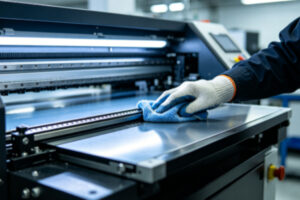
- Operators need adequate space for routine maintenance.
- A reasonable maintenance area should be reserved around the equipment.
- If automatic feeding, take-up, or production-line integration may be added in the future, expansion space should be planned in advance.
Considering equipment dimensions, factory layout, and production-line planning together can reduce the need to rearrange the production area after the equipment arrives.
How to Determine the Appropriate Width When Purchasing a Single-Pass Printer
The appropriate printing width should meet current order requirements while covering business growth over a certain period in the future. Order data analysis and sample testing can improve the accuracy of equipment selection.
Determine the Width Based on Existing Orders and Future Business
Enterprises can classify order specifications from a recent period and then make an assessment based on future business plans.
- Record the maximum width, commonly used widths, and order proportions of the main products.
- Calculate the layout quantity and material utilization under different printing widths.
- Analyze the order growth trend for large-format products.
- Evaluate potential future product categories and customer types.
- Compare the investment cost and expected production capacity of equipment with different widths.
When order specifications are relatively fixed, a model with a high degree of compatibility can be selected. When the product line is expanding rapidly, future business potential should be taken into consideration.
Confirm Actual Production Performance Through Sample Testing
Equipment specifications can only serve as a basic reference. Before purchasing, commonly used materials and actual product dimensions should be tested to evaluate printing width, layout utilization, high-speed printing performance, continuous operation stability, output per unit of time, material waste, and labor input.
When choosing a single-pass printer, the printing width should serve actual production needs rather than simply pursuing a larger specification. Enterprises can make an assessment based on common product dimensions, order structure, layout utilization, production speed, and factory space, and then use real-material testing to confirm whether the equipment meets the requirements of continuous production. Springyprinter specializes in the research, development, and manufacturing of industrial UV digital printing equipment and can provide single-pass printing equipment and application solutions based on different product specifications and production requirements.