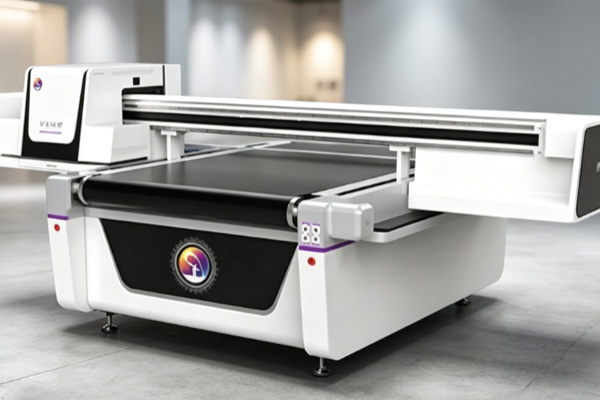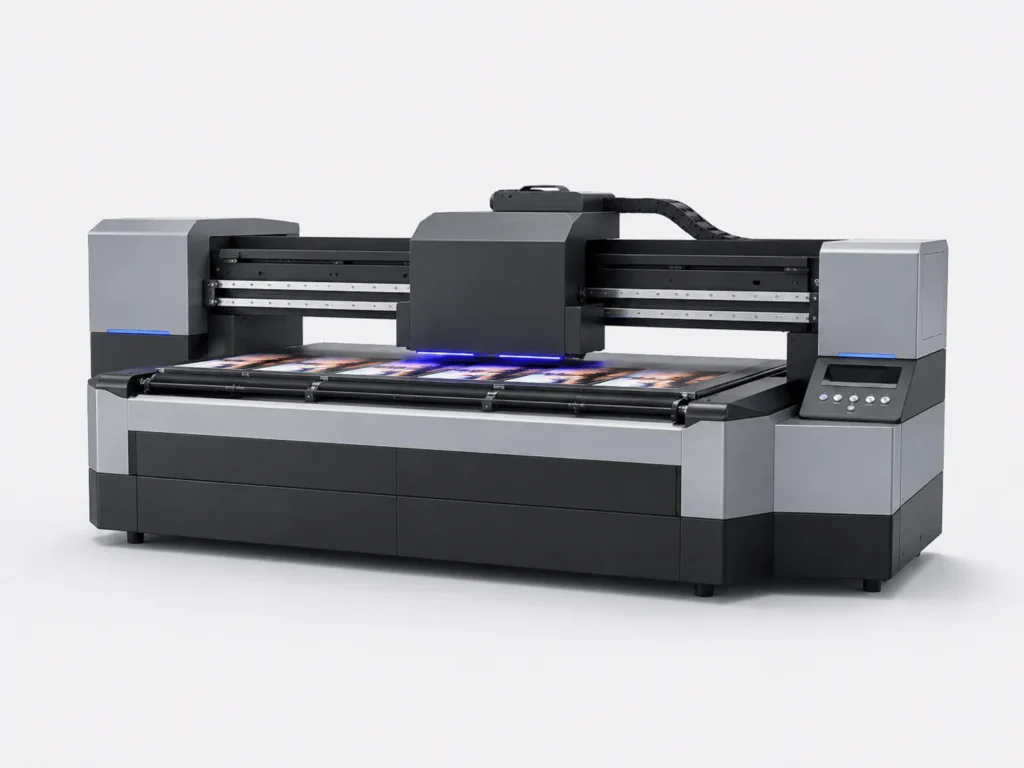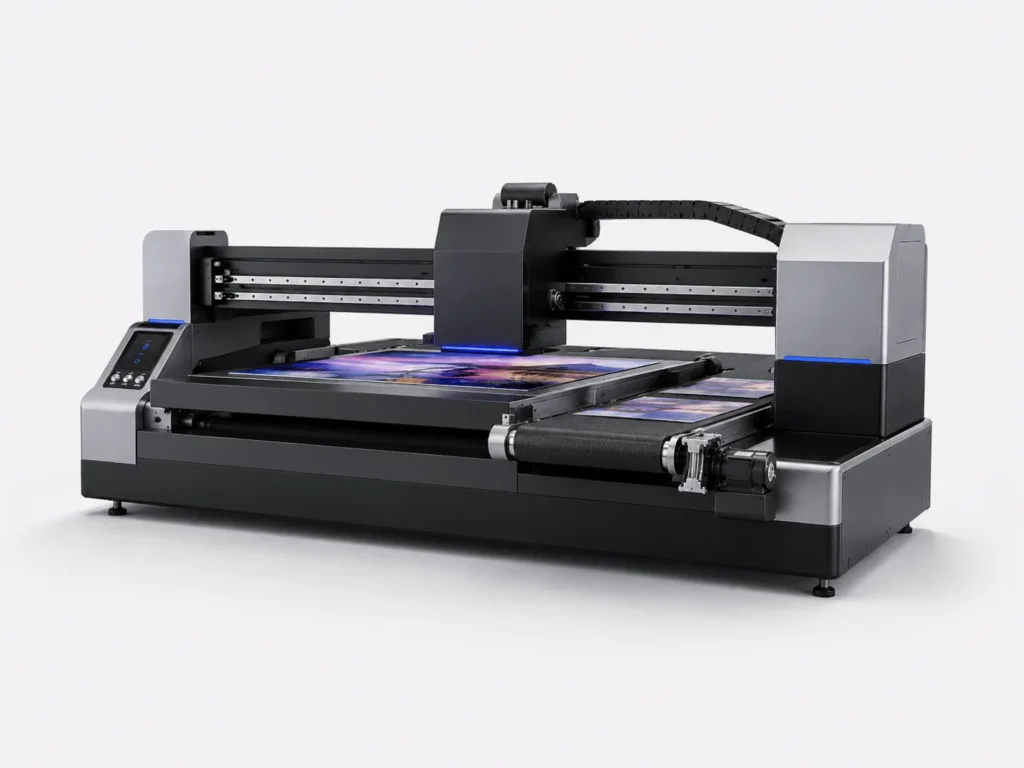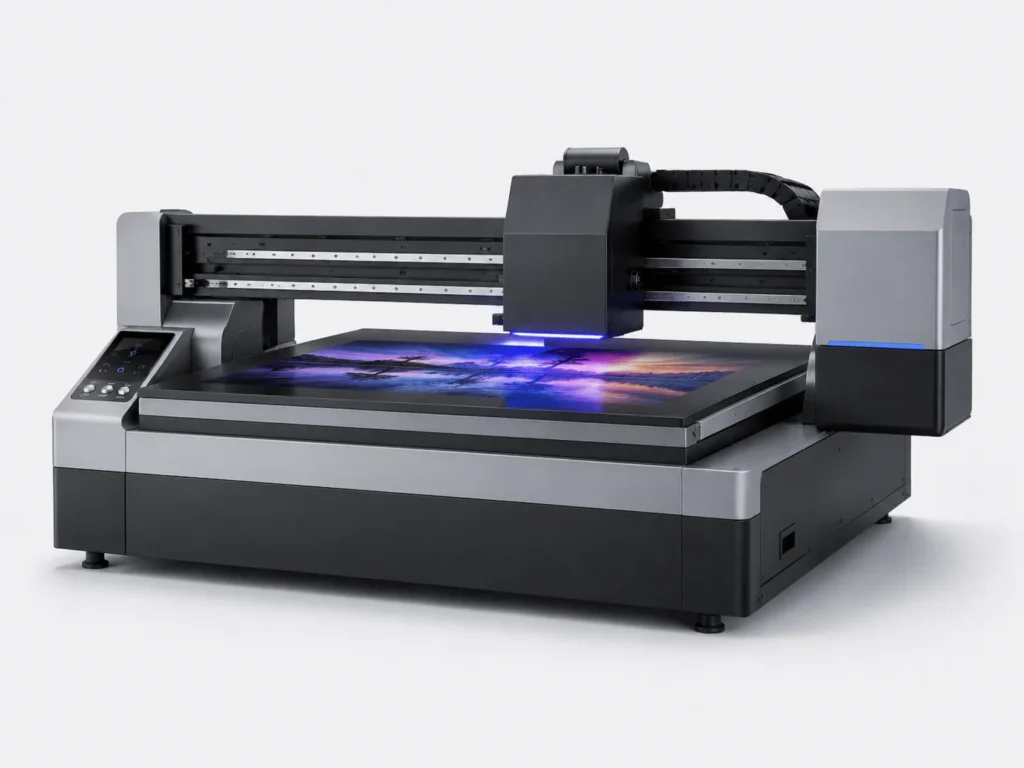
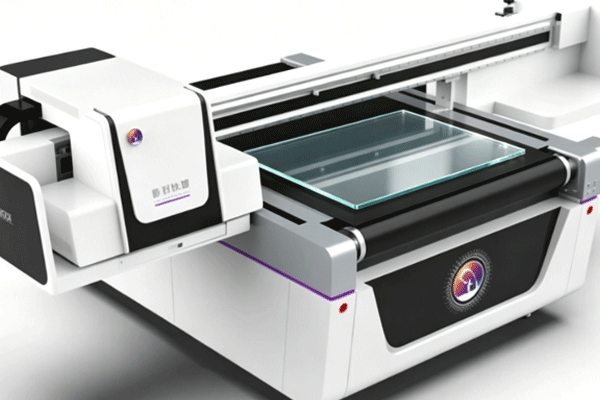
Corrugated cardboard is commonly used for express boxes, gift boxes, display packaging, and promotional outer cartons. For businesses, its role is no longer limited to simply “holding goods.” The graphics need to be clear, delivery times are often tight, and batch sizes are frequently small. By combining direct printing, fast curing, and continuous conveying, a UV flatbed conveyor printer gives corrugated cardboard more possibilities in packaging, display, and customization scenarios, turning packaging from a simple carrier of products into a more communicative outer layer.
Making Corrugated Cardboard Better Suited for Small and Urgent Orders
Corrugated cardboard orders change quickly, and production methods need to keep pace with this rhythm in order to better handle multi-batch, small-volume, and last-minute additional orders.
No plate-making required, easier order changes
Corrugated cardboard orders change quickly, and traditional processes often slow down delivery. A UV flatbed conveyor printer can adapt well to this pace.
- Design files can be imported directly into the machine, eliminating the plate-making step and making the transition between proofing and mass production smoother.
- Pattern switching is fast, making it suitable for parallel production of multiple styles and allowing businesses to arrange tasks more flexibly when facing different customer needs.
- Small-batch orders can also be handled smoothly, with lower proofing costs, making it especially suitable for new product testing and temporary event packaging.
- Packaging content can be updated flexibly, making it easier for brand campaigns to keep up and for promotional information to reach end products more quickly.
This direct-output method allows businesses to stay more composed when dealing with last-minute revisions and multi-batch orders.
Continuous conveying for more stable production rhythm
The continuous conveying structure makes corrugated cardboard printing closer to an assembly-line workflow, making production rhythm easier to control. The conveyor-based structure can connect feeding, printing, and output more tightly, allowing boards to move in and out more smoothly, reducing manual handling, and lowering the risk of bumps and damage caused by frequent transfers. The production rhythm becomes more uniform, order handoff becomes tighter, and it is well suited for packaging processing scenarios that require continuous delivery. When facing multi-batch tasks, machine operation is more consistent, and businesses also find scheduling and management easier. A stable rhythm not only improves efficiency but also makes packaging processing more suitable for scaled management.
Improving the Printing Performance of Corrugated Cardboard
The surface of corrugated cardboard is not smooth, but the right printing method can help it deliver a more impressive visual effect.
Even rough surfaces can show detail
The surface of corrugated cardboard is not smooth, but UV printing technology can help it achieve better visual results.
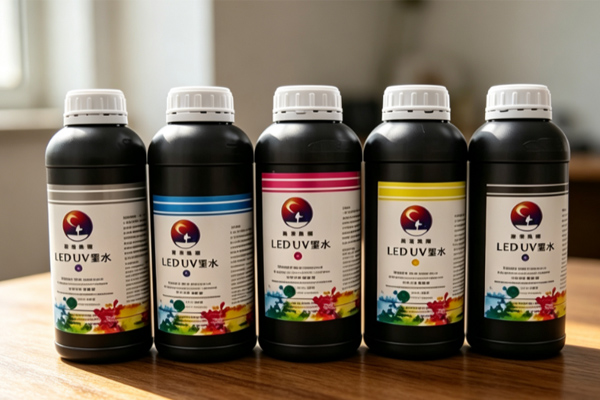
- UV ink has strong adhesion and can better adapt to the texture and surface unevenness of corrugated cardboard.
- Text, lines, and logos are easier to keep sharp, and even small elements can remain highly recognizable.
- Solid color areas are more complete, visual layers are richer, and the overall packaging looks more refined.
- Brand packaging and promotional outer cartons can achieve better display effects, making cardboard more than just a basic load-bearing material.
Even ordinary cardboard can gain improved texture and brand recognition through printing.
Fast curing for more durable finished products
Fast curing is one of the key features of UV printing, and it is especially helpful for the stability of corrugated cardboard products.
- The print sets quickly after printing, reducing the risk of smudging and making subsequent handling more secure.
- The surface is better suited for cutting, folding, and transportation, making the production process smoother.
- The printed graphics are more firmly fixed, making transportation safer, especially for packaging products that need to be moved multiple times.
- The finished appearance is cleaner, and delivery quality is more consistent, helping improve the customer’s overall impression of the packaging.
More durable finished products mean fewer quality issues during circulation and use.
Helping Businesses Reduce Overall Costs
When choosing equipment, businesses look not only at processing speed but also at long-term investment and management pressure.
1. Reducing consumables and inventory pressure
For packaging companies, cost control is not only about the cost of a single production run, but also about inventory and stocking pressure.
- There is no need to keep plates for long periods, reducing upfront investment and lowering capital occupation when taking orders.
- Production based on actual orders is more flexible, and inventory pressure is smaller, especially for packaging businesses with frequent order changes.
- Packaging styles can be updated quickly, reducing obsolete stock and helping businesses keep up with market changes faster.
- Warehouse space is used more efficiently, management becomes easier, and overall operational efficiency improves as well.
This model allows businesses to focus resources on more critical parts of the workflow when handling diverse orders.
Lowering labor and rework losses
Equipment with a higher level of automation often helps businesses reduce many hidden costs.
- Higher automation means fewer operating steps, and employees can get started more quickly.
- Errors are easier to control, and waste rates are lower, improving stability in batch production.
- Batch consistency is better, reducing the number of reworks and saving both time and materials.
- Production management becomes clearer, overall efficiency improves, and businesses gain more confidence in scheduling and delivery.
When manual intervention is reduced, both production stability and delivery efficiency improve accordingly.
Expanding the Commercial Value of Corrugated Cardboard
After UV printing, corrugated cardboard is no longer just a basic packaging material; it can cover a wider range of applications.
Suitable for multiple packaging scenarios
After UV printing, corrugated cardboard is no longer just a basic packaging material. It can be used for e-commerce outer boxes, gift packaging, display cartons, and promotional packaging for events. This allows packaging to serve multiple roles at once, including brand presentation, enhanced texture, and stronger communication effects, further increasing the commercial value of corrugated cardboard. It not only helps businesses build a more distinctive visual identity on outer packaging, but also allows ordinary cartons to take on more marketing functions during transportation and display. For businesses pursuing differentiation and efficiency, this processing method also makes small-batch customization and fast delivery easier to achieve.
Giving packaging a marketing function
If packaging can combine display and communication, it can play a much greater role at the point of sale.
- Graphics can strengthen brand recognition, helping consumers remember the product and brand at first glance.
- Packaging itself can also communicate selling points, presenting product information in a more natural way.
- Customized content stands out more clearly, making it especially suitable for holidays and promotional campaigns.
- End-display effects are stronger, leaving more room for conversion, so packaging becomes not just an outer shell but part of the sales process.
When packaging becomes part of marketing, businesses can improve customer impressions and market competitiveness through details.
The value of corrugated cardboard lies not only in being lightweight and economical. After processing with a UV flatbed conveyor printer, it can also become a packaging carrier that is faster to deliver, easier to customize, and more visually appealing. For brand packaging, gift boxes, and promotional display cartons, this processing method allows cardboard to balance practicality and visual performance. Springyprinter focuses on the research, development, and manufacturing of industrial UV digital printing equipment and can provide stable printing solutions and technical support.