With the continuous development of the toy industry, product design has gradually shifted from simple shapes toward more creative and personalized directions. Today’s toy products on the market include not only traditional plastic toys, but also wooden toys, metal models, acrylic ornaments, resin figures, electronic interactive toys, and many other types. Due to differences in surface characteristics among various materials, higher requirements are placed on printing effects, adhesion performance, and production processes. Traditional printing methods often require different molds or printing templates when dealing with multi-material, small-batch, and multi-design requirements, making the production process relatively complicated.
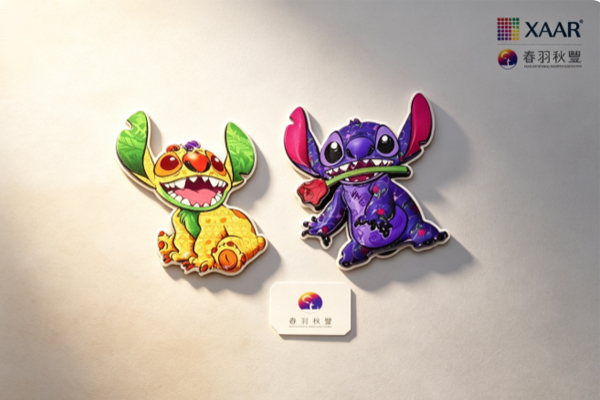
Industrial UV digital printing technology can directly print patterns onto the surfaces of different materials through a digital process, achieving rich colors and clear details. Whether it is children’s building blocks, anime figures, educational toys, or branded gift toys, UV printing technology can be used to achieve high-quality appearance upgrades. The multi-material UV printing process solution for toy products mainly includes material analysis, printing preparation, equipment production, and quality control processes, enabling companies to respond more flexibly to market demands while improving product design freedom and production efficiency.
What Is the Multi-Material UV Printing Process for Toy Products?
The multi-material UV printing process for toy products is a digital processing method that uses industrial UV digital printing equipment to directly spray specialized UV ink onto the surfaces of different toy materials and quickly cure the ink through ultraviolet light to form stable patterns. This technology breaks through the limitations of traditional printing methods regarding material types and production quantities, meeting the decorative printing requirements of toys made from various materials.
As the variety of toy products continues to increase, a single printing method can no longer meet the needs of manufacturers. For example, plastic toys need to solve surface adhesion issues, transparent acrylic toys need enhanced pattern layering, while wooden toys need to preserve the natural texture of the material. UV printing technology can adjust ink types, printing parameters, and production processes according to different material characteristics, achieving more stable printing results.
Suitable for Producing Toys Made from Different Materials
Toy products use a wide range of materials, and different materials have significant differences in ink absorption, hardness, and surface smoothness. The multi-material UV printing process can adjust printing solutions according to product characteristics, allowing patterns to adhere better to the product surface.
Common applicable materials include:
● ABS plastic toys
● PVC soft rubber toys
● Wooden assembly toys
● Acrylic display toys
● Metal model toys
● Resin figure products
With proper adjustment of printing parameters, different materials can achieve clear and high-quality pattern effects.
| Toy Material | Common Products | UV Printing Features |
| ABS Plastic | Building blocks, models | Bright colors and stable adhesion |
| Wood | Puzzles, educational toys | Preserves natural texture |
| Acrylic | Display ornaments | Outstanding transparent effects |
| Metal | Collectible models | Good pattern wear resistance |
| Resin | Figures, statues | Rich detail presentation |
Meeting Creative Pattern Design Requirements
Modern toy products are placing increasing importance on appearance design. Consumers are not only concerned about toy functions but also whether products have unique visual effects. UV printing can directly output complex patterns without the need to create printing plates in advance, allowing companies to quickly test different design concepts. For example, anime-related toys can be printed with character images, educational toys can include learning patterns, and branded gift toys can incorporate company logos and exclusive design elements. This flexible design approach helps companies launch new products faster and improve market response speed.
Increasing the Added Value of Toy Products
High-quality patterns can significantly improve the visual appeal of toy products. A basic toy can become a collectible, commemorative, or branded product after being decorated with exquisite patterns. UV printing not only achieves ordinary full-color effects but also enhances three-dimensional appearance through white ink and varnish printing processes, creating different visual effects on the product surface.
How Is Multi-Material UV Printing for Toy Products Achieved?
The multi-material UV printing production process needs to be adjusted according to the characteristics of different toy materials. From product design to the final finished product, the process includes file preparation, material treatment, equipment printing, and quality inspection. A reasonable production process can ensure stable printing results for toys made from different materials.
Product Analysis and Pattern Design
Before printing begins, it is necessary to determine an appropriate printing solution based on the toy material, product structure, and usage environment. Different materials have different requirements for ink adhesion performance, so designers need to understand product characteristics in advance.
For example:
● Plastic toys require attention to surface treatment effects
● Wooden toys require consideration of texture influence
● Metal toys require enhanced adhesion performance
● Transparent materials require adjustment of white ink printing methods
After completing product analysis, designers create printing files according to customer requirements and adjust pattern size, color, and layout. Digital design methods allow quick modifications. Even if customers need to change patterns, there is no need to recreate production templates.
Material Treatment and Printing Preparation
Different toy materials usually require simple preparation before printing to improve pattern adhesion.
Common preparation steps include:
● Cleaning dust from the product surface
● Removing oil stains and impurities
● Adjusting product placement position
● Setting printing height
● Checking printing files
For some special materials, surface treatment may also be required to help UV ink bond better with the product surface. After preparation is completed, the equipment adjusts printing parameters according to product size and material characteristics to ensure stable production.
UV Equipment Printing and Curing Process
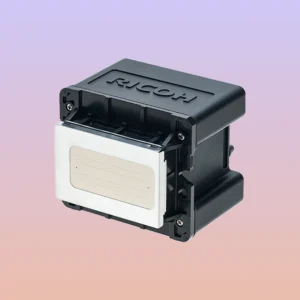
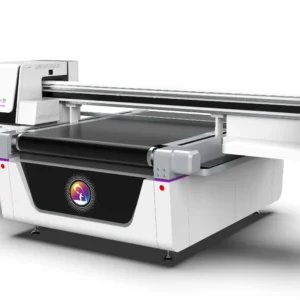
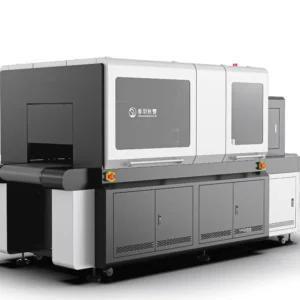
During the formal production stage, the industrial UV printer automatically completes pattern printing according to the design file. The print head accurately sprays UV ink onto the toy surface, while ultraviolet lamps instantly cure the ink, allowing it to quickly form a stable coating. The entire process does not require natural drying time, resulting in faster production speed.
Products after printing feature:
● Clear patterns
● Rich colors
● Complete details
● Stable surface performance
For batch production orders, UV printing equipment can also improve production efficiency and reduce manual operation time through automatic layout and intelligent positioning functions.
Technical Requirements for Multi-Material UV Printing on Toy Products
Compared with ordinary flat printing, multi-material printing has higher requirements for equipment performance and process control. Only by properly matching materials, inks, and printing parameters can different toy products achieve stable printing results.
Material Compatibility and Ink Selection Technology
Different toy materials have different surface characteristics, so suitable printing methods must be selected. For example, plastic surfaces are usually smoother and require improved ink adhesion; wood has natural textures that require good color reproduction; metal surfaces require enhanced wear resistance. Selecting appropriate UV ink can help manufacturers achieve better printing results.
| Material Type | Recommended Focus |
| Plastic | Adhesion performance |
| Wood | Color reproduction |
| Metal | Wear resistance |
| Acrylic | Transparent effects |
Through proper material matching, product quality stability can be improved.
White Ink and Varnish Printing Technology
Some toy products require special visual effects, such as transparent ornaments, dark-colored models, and high-end collectible toys. White ink printing can serve as a base layer to make color patterns stand out more clearly, while varnish printing can enhance surface gloss and three-dimensional texture. This combination allows ordinary toys to achieve richer visual effects and improve product value.
Frequently Asked Questions
Can UV Printing Be Applied to All Toy Materials?
Most common toy materials can be processed with UV printing, including plastic, wood, acrylic, metal, and resin. However, different materials require different printing solutions, and the final effect needs to be tested according to the actual product conditions.
Will Printed Patterns Easily Peel Off?
After UV curing, the ink layer has good stability and can maintain long-term performance under normal usage conditions. By selecting suitable ink and properly preparing the material surface, pattern adhesion can be further improved.
Can Small-Batch Toy Orders Be Produced?
Yes. UV digital printing does not require traditional plate making, so even small-batch or single-piece products can be produced. It is especially suitable for personalized toys, customized gifts, and new product testing.
Can Complex Patterns Be Printed?
Yes. Industrial UV printing equipment can achieve high-definition color output. It can accurately reproduce cartoon characters, brand logos, small text, and complex textures.
As the toy market continues to develop toward personalization and creativity, multi-material UV printing technology has become an important choice for improving product quality and production efficiency. Whether it is plastic building blocks, wooden toys, acrylic ornaments, resin models, or metal collectible toys, stable UV printing technology can help companies achieve diverse pattern designs and fast production delivery, allowing more creative ideas to be quickly transformed into actual products.For toy manufacturers, brand owners, and customized gift companies, selecting suitable industrial UV printing equipment can not only improve product appearance competitiveness but also reduce time costs in the production process, meeting the needs of small-batch, multi-style, and personalized orders. Springyprinter focuses on the research, development, and manufacturing of industrial UV digital printing equipment. With extensive industry experience and a professional technical team, Springyprinter provides customized printing solutions based on different toy materials, production requirements, and application scenarios.
If you are looking for UV equipment suitable for multi-material printing of toy products, or would like to learn more about specific printing effects, equipment configurations, and application cases, please contact Springyprinter for professional consultation. We will help you select a more suitable UV printing solution for your production needs and support higher-quality and more efficient toy manufacturing upgrades.
Email: Tongly@springyprinter.com
Phone: +86 183 1888 5593