On the surface, the DTF process is just a few steps—“print, powder, dry, heat press”—but in real production, problems often arise from a single detail. Designs fail to adhere, edges lift, colors look dull, and prints peel after washing. These issues may seem like finished-product defects, yet they are often the combined result of consumable condition, equipment settings, fabric characteristics, and operating habits. To improve transfer success rates, the key is not to rely on repeated trial and error, but to stabilize every step so the process produces repeatable results.
Incompatible Consumable Matching
The compatibility between consumables often determines whether DTF transfer can be completed smoothly. Many failure cases actually begin at the material selection stage.
Unstable PET Film and Hot Melt Powder
If the PET film and hot melt powder are unstable in condition, it becomes difficult to maintain consistent transfer results later on, and this is often where repeated rework begins.
- When the coating on the film surface is unevenly distributed, powder adhesion becomes too thick in some areas and too thin in others, and the printed edges are also more likely to look irregular after heat pressing.
- When the hot melt powder particles are too coarse, fine details are affected, line edges appear stiff, transitions look unnatural, and the finished product often feels worse to the touch.
- Powder that has absorbed moisture tends to clump, making it difficult to spread evenly during powdering, and during transfer it may also cause blank spots, missing adhesive areas, or insufficient local bonding.
- If the adhesion between the film and the powder is not well matched, local delamination can easily occur after heat pressing. The design may appear attached, but in reality it has not formed a strong enough bond, making later use more likely to fail.
Once the condition of the film and hot melt powder is stabilized, the rest of the process has a truly reliable foundation.
Insufficient Compatibility Between Ink and Fabric
Whether the ink matches the fabric directly affects whether the design can adhere firmly, and this step is often more important than expected. When the white ink lacks sufficient coverage, the base color of dark garments can show through, making the design look gray and reducing its sense of depth. When the color ink adheres poorly, the color may fade after washing, or even show signs of discoloration, affecting product durability. Cotton, polyester, and blended fabrics differ significantly in ink absorption and heat response, so universal settings may not suit every material, and applying them directly can easily lead to deviations. If the consumable combination is not tested with a small sample first, batch production is more likely to encounter problems, and once finished products need rework, time, materials, and labor are all wasted. Confirming ink and fabric compatibility before batch production usually leads to much better stability.
Uncontrolled Printing and Powder Drying Steps
Printing and powder drying may seem like intermediate steps, but they directly affect the final bonding strength and appearance of the finished product. Many problems are actually introduced here.
Uneven White Ink and Image Layers
When the printed layers are uneven, the finished product often shows blotching, blurring, or unclear edges. These issues are usually only discovered at the final product stage.
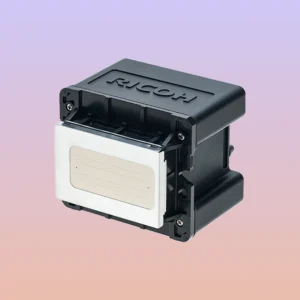
- When the printhead condition is poor, the thickness of the white ink varies noticeably, causing the design to look blotchy in some areas and reducing overall visual consistency.
- When the file resolution is too low, fine lines and small text tend to blur after transfer, and the original design loses its sharpness due to insufficient pixel detail.
- When the ink volume is set too high, layer buildup makes the design thicker. Although it may look whiter and fuller, flexibility decreases and cracking becomes more likely later on.
- When printing speed is too fast, the ink layer has not spread evenly before moving to the next step, reducing design stability and making edges and details more prone to defects, which significantly lowers the overall quality of the print.
Keeping the white ink layer and image layer uniform improves both the visual effect and durability after transfer.
Incorrect Drying Temperature and Time
The drying stage may seem simple, but it has a major impact on the final bonding effect. Even a slight deviation in temperature or time can lead to very different results.
- When the temperature is too low, the hot melt powder does not fully melt, and the adhesive layer cannot form enough bonding strength, making the transfer easy to fail.
- When the temperature is too high, the film may warp or deform, affecting the design edges and even causing the adhesive layer to age prematurely in some areas.
- When drying time is too short, the powder layer may look formed on the surface, but it has not fully stabilized internally, making the transfer prone to weak adhesion or peeling.
- When drying is excessive, the design becomes stiff. After heat pressing, not only does the hand feel worsen, but fine cracks may also appear at the edges, affecting product quality and later performance.
Adjusting temperature and time to the proper range allows the drying process to truly support transfer quality rather than becoming another source of instability.
Heat Press Parameters Are Not Properly Set
Heat pressing is the key step that determines whether the design will ultimately bond firmly. If the parameters are not coordinated, even excellent earlier steps may be wasted.
Temperature, Pressure, and Time Are Not Balanced
If even one heat press parameter is off, both bonding strength and hand feel will be affected. This is where product differences become most obvious. When the temperature is insufficient, the adhesive layer cannot be fully activated. The design may appear attached, but the bonding strength is not enough, and problems are likely to appear during later use. When the pressure is too light, the design remains only on the surface, and the adhesive layer does not truly penetrate into the fabric fibers, reducing wash resistance and abrasion resistance. When the pressure is too heavy, the fabric texture may be damaged, and the design edges may deform, affecting both appearance and feel. When heat pressing lasts too long, the adhesive layer may age, making the surface of the design hard and even causing yellowing or brittleness. Once temperature, pressure, and time are properly matched, the heat press stage can truly do its job and keep the finished product stable in both appearance and durability.
Incorrect Peeling Method and Timing
When the peeling method is not standardized, edge lifting and partial detachment occur frequently, and these problems are often directly related to operating habits.
- When hot peel and cold peel methods are mixed, the most common issue is edge lifting. The design may look complete, but it is not stable enough in reality.
- When the peeling angle is too abrupt, the design may be pulled up, and fine text and edge lines are especially vulnerable at this stage.
- When waiting times are inconsistent, product performance becomes unpredictable, and even items from the same batch may show different adhesion results.
- If a second press is not performed after peeling, the surface bonding strength of the design is often insufficient, making it more likely to fail during washing or stretching, which significantly reduces product durability.
Fixing the peeling rhythm improves product stability noticeably and makes batch production much easier to keep consistent.
Fabric Condition and Process Management Are Not Adequate
Fabric and process management may seem like supporting factors, but they directly affect adhesion and batch consistency. Many recurring problems are tied to these areas.
Fabric Surface Affects Adhesion
When the fabric surface is not in good condition, the adhesive layer struggles to form a stable bond, and problems may occur even when the parameters are correct.
- If the garment surface has lint, dust, or oil stains, the adhesive layer will not bond properly, and local gaps may appear after heat pressing.
- When the fabric has too much moisture, bubbles may form during heat pressing, causing the design surface to blister or turn whitish and affecting the overall appearance.
- If wrinkles are not smoothed out in advance, the design will experience uneven pressure in some areas, and the adhesion at the edges and center will not be consistent.
- Different fabric weights and weaving structures behave very differently. Lightweight fabrics and thicker fabrics do not respond the same way to temperature and pressure, so the same settings cannot be copied directly. Otherwise, product stability will easily decline.
Keeping the fabric surface clean, flat, and dry usually makes adhesion more reliable and reduces rework rates later on.
Lack of Standardized Operating Records
Without a standardized workflow, problems tend to repeat and become difficult to trace, which continuously reduces production efficiency.
- When every parameter is adjusted temporarily based on experience, fluctuations in batch production become very obvious, and product consistency is hard to guarantee.
- Without a fixed sampling process, it becomes difficult to trace which step caused the deviation once a problem appears, greatly reducing troubleshooting efficiency.
- If equipment maintenance is not performed in time, printhead clogging, unstable ink supply, or temperature control deviations can directly affect success rates and even cause an entire batch to be scrapped.
- When operator training is insufficient, many seemingly minor mistakes happen repeatedly. Over time, these become hidden risks in stable production and eventually slow down the entire factory’s delivery schedule.
Recording and continuously improving the workflow is the only way to make DTF transfer more stable, more controllable, and more suitable for batch production as a true process system.
DTF transfer failure may look like a simple issue of poor adhesion on the finished product, but in reality it is often the result of an unstable closed loop across consumables, printing, powder drying, heat pressing, and fabric condition. Recording each parameter, validating with small samples first, and then moving into batch production can significantly improve transfer success rates. Establishing standardized temperature, pressure, and time settings can also further reduce rework and material waste. Springyprinter focuses on industrial digital printing equipment and can provide stable, reliable solutions and technical support for DTF production.