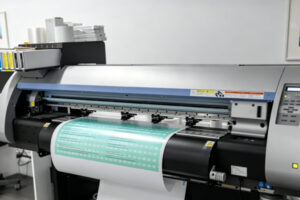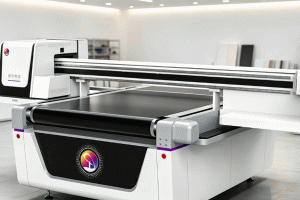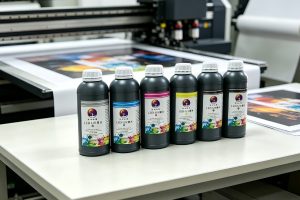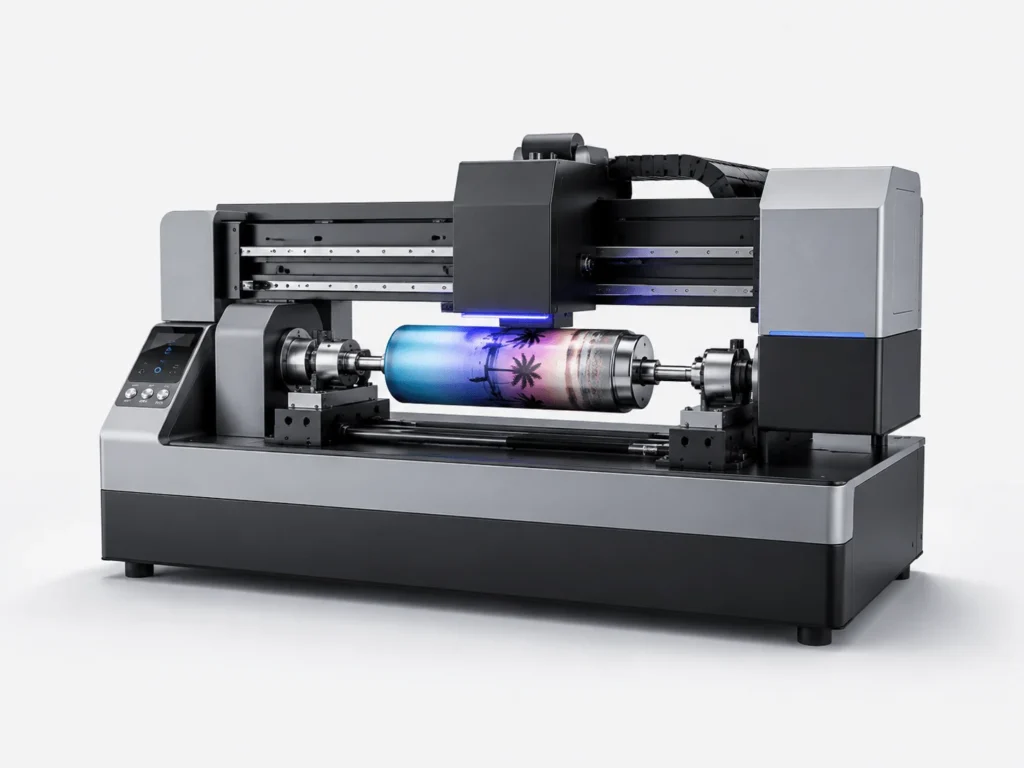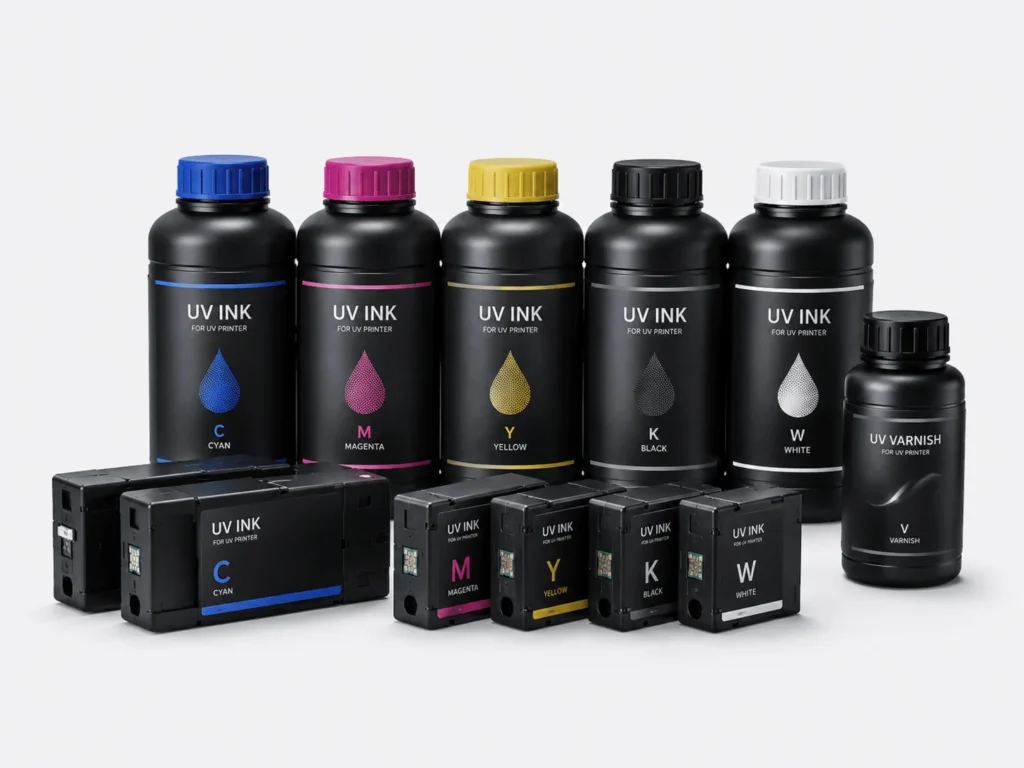
UV LED ink is an environmentally friendly ink that uses ultraviolet LED light sources for rapid curing. In recent years, it has been increasingly used in packaging printing, label printing, advertising production, and industrial printing. As a common printing method, flexographic printing features high printing speed, wide material compatibility, and relatively low production costs. Whether UV LED ink can be applied to flexographic printing equipment needs to be evaluated based on printing materials, equipment structure, ink performance, and production requirements. During flexographic printing, ink needs to be evenly transferred onto the surface of the substrate through a flexible printing plate cylinder and complete drying or curing within a short period of time. When using UV LED ink, the ink must have good fluidity, transfer performance, and LED light response capability.
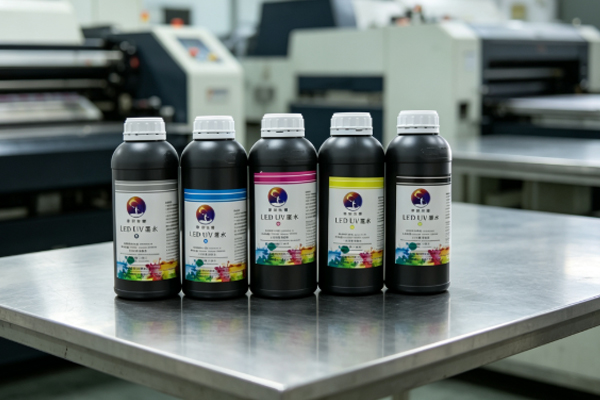
UV LED Ink Can Be Applied to Flexographic Printing
UV LED ink and flexographic printing processes have good compatibility, but not all flexographic printing equipment can use it directly. Before making a selection, companies need to confirm whether the equipment is equipped with a UV LED curing system and check the compatibility between the ink, printing plate, anilox roller, and printing materials.
UV LED Ink Has Rapid Curing Characteristics
The biggest feature of UV LED ink is that it uses LED ultraviolet light to complete curing without requiring a long natural drying time. In flexographic production, printing speeds are usually high. If the ink drying speed is insufficient, problems such as ink smearing, sticking, and unclear patterns may occur. After using UV LED ink, the ink can quickly form a stable ink film after being exposed to the LED light source, allowing printed products to quickly enter the next processing stage. This feature is particularly suitable for continuous production environments, such as label printing, packaging printing, and film printing applications.
Flexographic Equipment Requires a Corresponding LED Curing Device
Although UV LED ink has excellent curing performance, traditional flexographic printing equipment usually uses hot air drying or conventional UV lamp curing methods, which may not be directly suitable for LED ink. If the equipment does not have an LED light source with the required wavelength, the ink may not cure completely. Before using UV LED ink, companies need to confirm whether the LED lamp wavelength range, output power, and irradiation distance meet the ink requirements. Only when the ink and curing equipment are properly matched can the adhesion, abrasion resistance, and color stability of the printed products be ensured.
Flexographic Printing with UV LED Ink Requires Attention to Material Selection
Flexographic printing can be applied to various substrates, including paper, plastic films, metal foils, and composite materials. However, different materials have different requirements for ink adhesion performance. Although UV LED ink has a wide application range, not all materials can achieve good printing results directly.
Different Substrates Affect Ink Adhesion
On paper-based materials, UV LED ink usually provides good adhesion performance and maintains high printing clarity. However, on plastic film materials such as PE and PP, the low surface energy may cause insufficient ink adhesion. For flexible packaging products such as plastic packaging and food labels, surface treatment is usually required in advance, such as corona treatment, to increase the surface tension of the material and allow the ink to bond more firmly to the surface.
Ink Performance Needs to Meet Flexographic Printing Requirements
During flexographic printing, ink needs to be transferred through an anilox roller, so the ink viscosity cannot be too high or too low. If the ink is too thick, it will affect ink transfer volume and cause uneven printing; if the ink is too thin, it may result in insufficient color density. UV LED flexographic inks usually require specially designed formulations to provide good leveling, transfer performance, and curing properties. Ordinary UV inks cannot necessarily replace UV LED inks specifically designed for flexographic printing.
Advantages of Using UV LED Flexographic Ink
With the increasing demand for energy-saving, efficient, and environmentally friendly production in the printing industry, the application value of UV LED ink in flexographic printing has gradually gained attention. Compared with traditional inks, UV LED ink can reduce drying waiting time while lowering energy consumption during some production processes.
Improve Flexographic Printing Efficiency
During traditional flexographic printing, if the ink drying speed is slow, additional drying equipment may be required or the printing speed may need to be reduced. UV LED ink can complete curing quickly, allowing equipment to maintain a higher operating speed. For large-volume production of labels and packaging products, rapid curing can reduce production interruptions, improve equipment utilization, and reduce product rework caused by insufficient ink drying.
Reduce Production Environmental Pollution
During the curing process, UV LED ink does not release large amounts of volatile organic compounds like some solvent-based inks, giving it certain advantages in production environments with strict environmental requirements. At the same time, LED light sources have longer service life, faster startup speed, and lower heat generation compared with traditional mercury lamps, which can reduce equipment maintenance frequency and make the flexographic printing process more stable.
Frequently Asked Questions
Can UV LED Ink Be Used Directly on Ordinary Flexographic Printing Machines?
Generally, it cannot be used directly. Ordinary flexographic printing machines cannot take advantage of the rapid curing characteristics of UV LED ink if they are not equipped with a UV LED curing system. Before use, the equipment configuration needs to be checked, and the corresponding LED curing device should be added according to production requirements. In addition, the ink circulation system, anilox roller parameters, and printing plate materials of the flexographic press may also need adjustment to ensure stable ink transfer. Otherwise, the final printing quality may be affected.
What Flexographic Products Are Suitable for UV LED Ink?
UV LED ink is suitable for labels, packaging boxes, plastic film packaging, industrial markings, and some high-precision printing products. For example, food labels, daily chemical product packaging labels, and electronic product outer packaging can use UV LED flexographic printing processes. These products usually require bright colors, clear patterns, and certain abrasion resistance and weather resistance. UV LED ink can meet some high-quality printing requirements.
UV LED ink is suitable for flexographic printing, but this depends on the proper matching of equipment, materials, and ink types. It is not simply a replacement for traditional flexographic inks, but a specialized printing solution developed by combining LED curing technology. When selecting UV LED ink, attention should be paid to curing speed, adhesion performance, color performance, and production environment requirements. At the same time, companies need to check whether the flexographic printing equipment provides suitable LED curing conditions to avoid affecting printing results due to equipment incompatibility. Currently, UV LED ink has good applicability in label printing, packaging printing, and industrial flexographic printing fields. With the correct selection of ink types, proper equipment adjustment, and suitable material treatment, UV LED ink can provide advantages such as rapid curing, stable printing performance, and environmentally friendly production, offering a more reliable solution for flexographic printing applications.