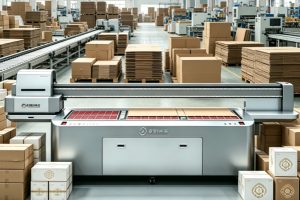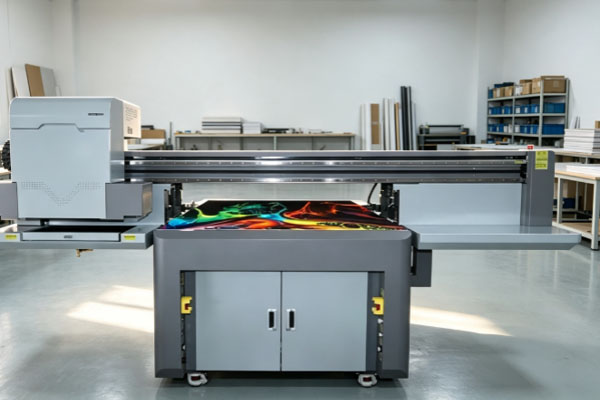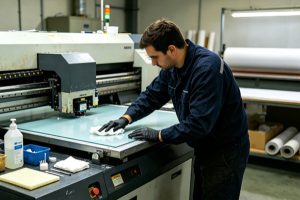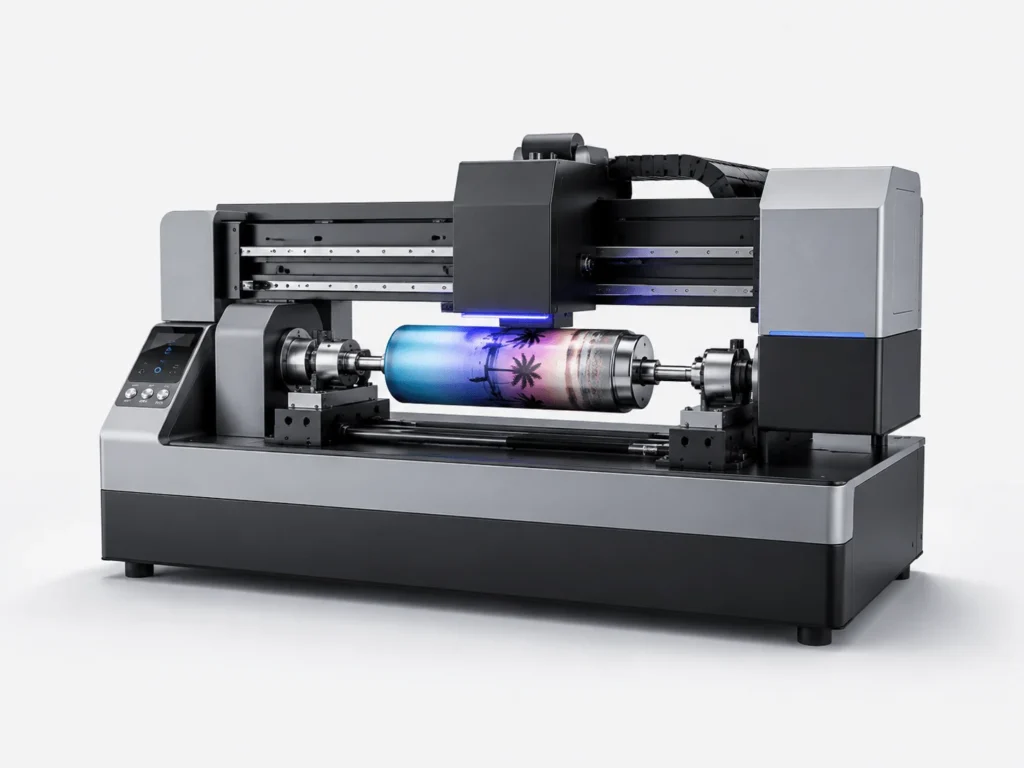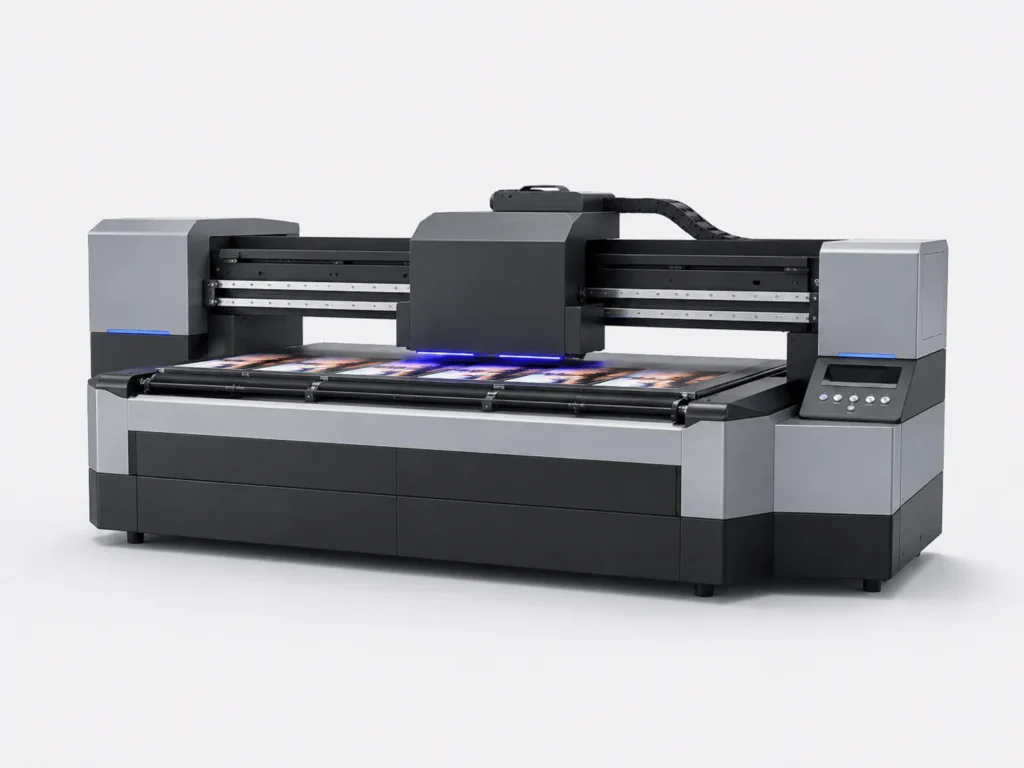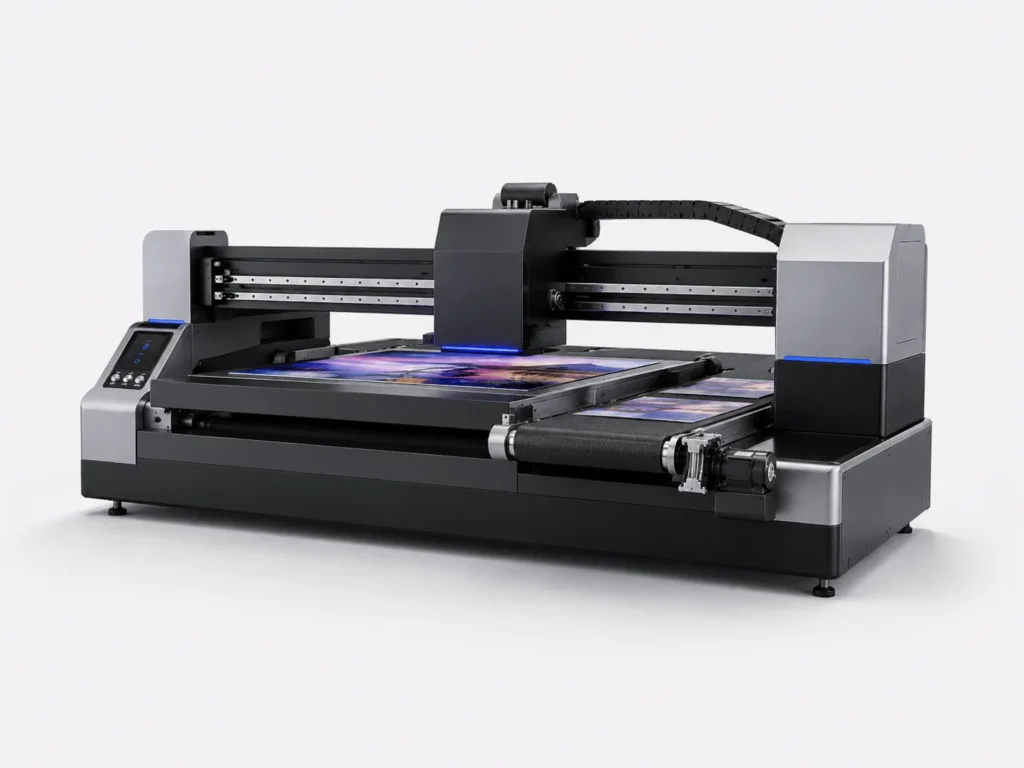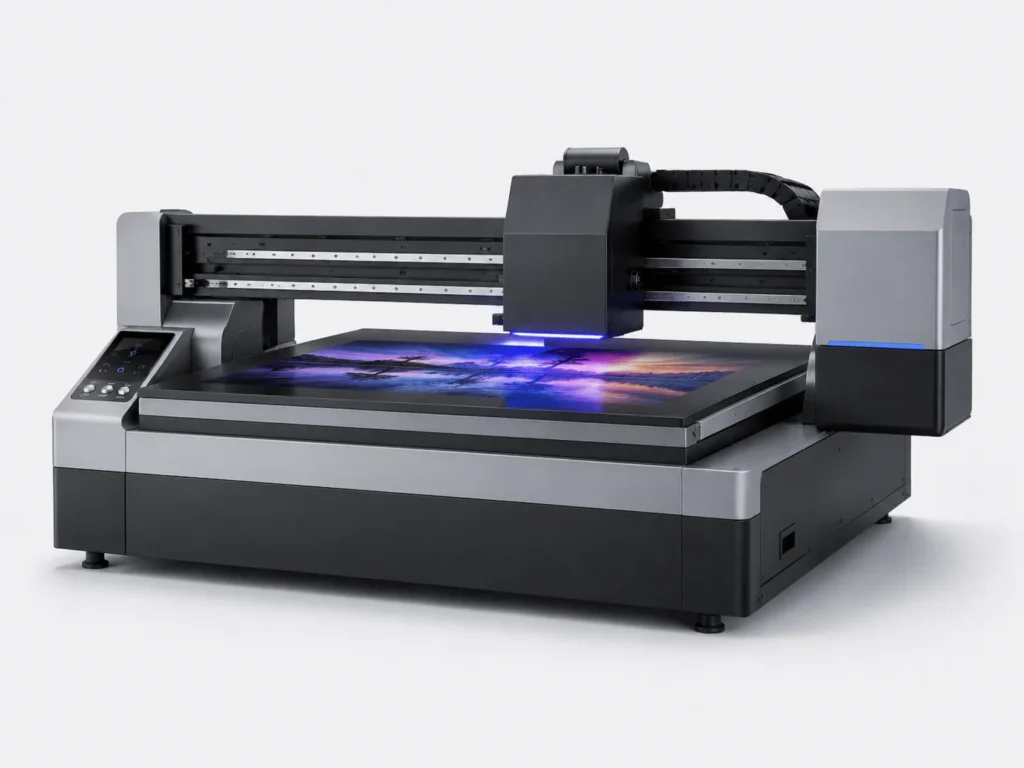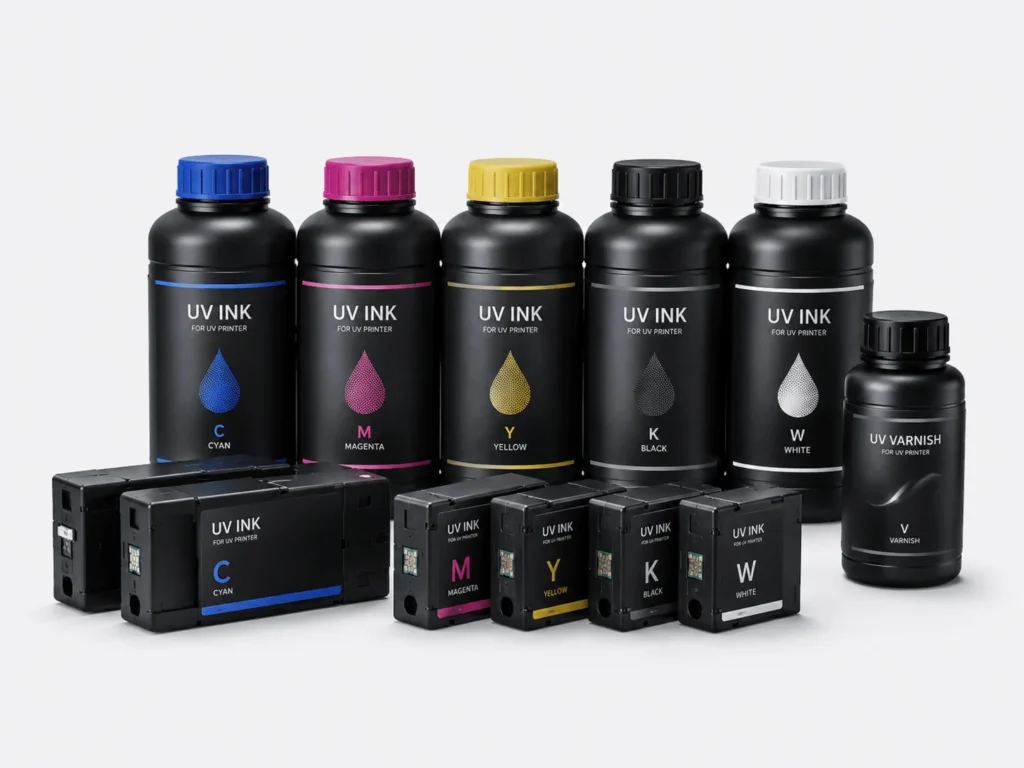
As the concept of green manufacturing continues to gain popularity, more and more companies are paying attention to the environmental performance of their production processes. In industries such as advertising production, packaging printing, industrial inkjet printing, and personalized customization, UV LED printer ink has gradually become an important choice for many businesses. Compared with traditional solvent-based inks, UV LED ink does not rely on the evaporation of large amounts of solvents for drying. Instead, it is rapidly cured by LED ultraviolet light, which reduces the release of volatile substances during use while also lowering energy consumption. At the same time, UV LED printing technology improves material utilization and reduces production waste, making a positive contribution to improving the production environment and enhancing product quality. Because of these advantages, an increasing number of companies are adopting UV LED printing solutions in the hope of achieving a more environmentally friendly and efficient production process while maintaining excellent print quality.
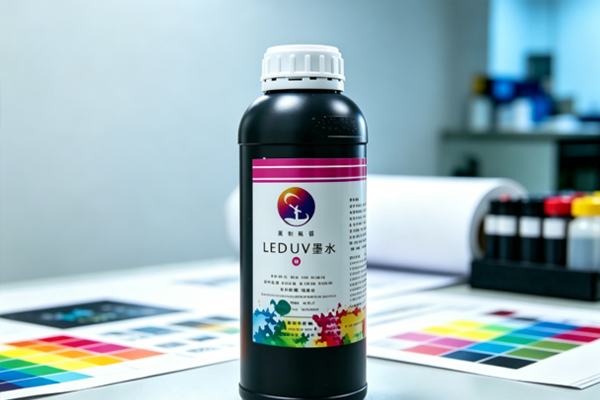
How Is UV LED Ink More Environmentally Friendly?
Reduces Volatile Organic Compound (VOC) Emissions
Traditional solvent-based inks rely on solvent evaporation during the drying process, which easily releases volatile organic compounds (VOCs). This not only affects air quality in the production workshop but may also increase ventilation and air treatment requirements.UV LED ink uses a UV curing process and cures rapidly under LED ultraviolet light without relying on the evaporation of large amounts of solvents. As a result, VOC emissions are generally much lower. This not only helps improve the working environment but also reduces odors that may affect machine operators.
Reduces Energy Consumption
In addition to the ink itself, the energy consumption of printing equipment is also an important factor in environmental performance.Traditional UV mercury lamps require a warm-up period before operation, consume relatively high amounts of electricity, and generate considerable heat during use. After switching to LED light sources, UV LED printers can be turned on and used immediately without lengthy preheating. Their operating power is relatively low, resulting in lower overall energy consumption.
Reduces Production Waste
Improving material utilization is another important aspect of environmentally friendly manufacturing.
Because UV LED ink cures very quickly, printed images are fixed almost immediately after printing, making them less likely to be damaged by smudging, contamination, or rework while waiting to dry. As a result, fewer defective products are generated, reducing material waste. In addition, the ink utilization rate is relatively high because it is not easily lost through evaporation, helping improve overall production efficiency.
How Does UV LED Printing Technology Support Green Manufacturing?
Improves the Production Environment
A better production environment not only improves employee comfort but also contributes to stable equipment operation.Since UV LED ink produces relatively low emissions during normal use, the workshop generally has less noticeable odor than when using traditional solvent-based inks. Furthermore, LED light sources generate less heat, reducing heat accumulation around the equipment and creating a more comfortable working environment while helping ensure long-term equipment stability.
Supports Direct Printing on Various Materials
Reducing processing steps is another effective way to lower resource consumption.UV LED printers can print directly onto glass, acrylic, wood, metal, PVC, ceramics, and many other materials without requiring complicated transfer printing processes. This not only saves processing time but also reduces the use of auxiliary materials, improves production efficiency, and minimizes waste generated during manufacturing.
Reduces Resource Consumption for Equipment Maintenance
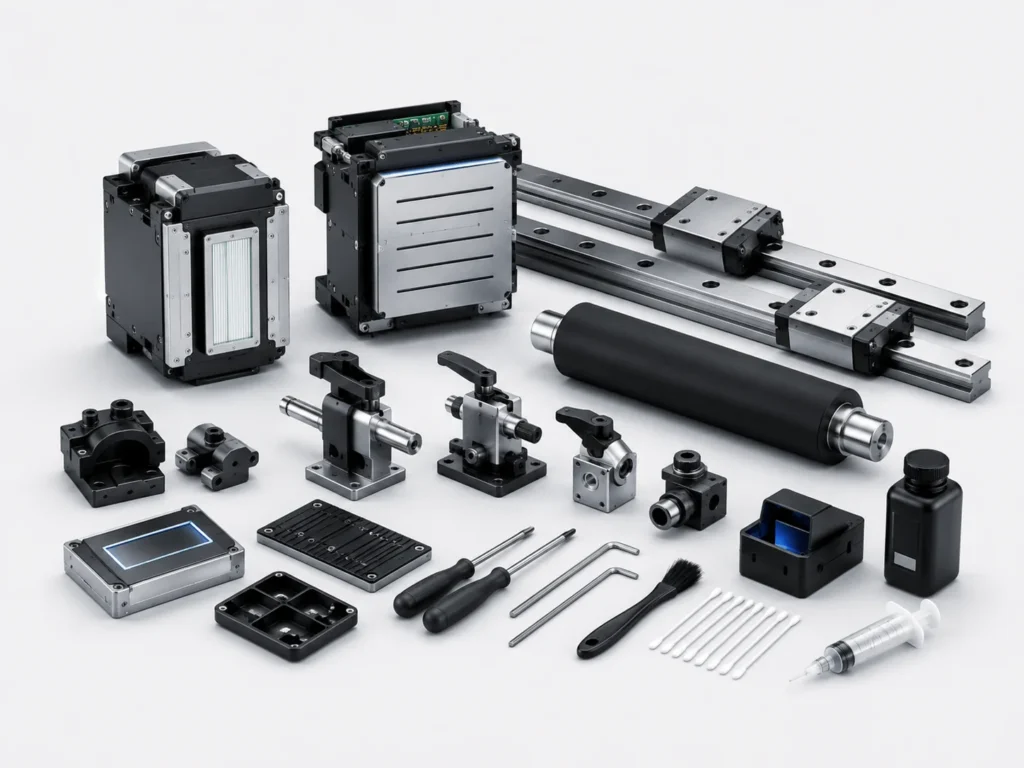
Reducing maintenance frequency also helps decrease long-term resource consumption.LED curing systems have a long service life and do not require frequent lamp replacement like traditional mercury lamp systems. As a result, fewer consumable parts such as lamps need to be replaced. In addition, stable curing performance reduces rework and repeated production caused by printing defects, further improving resource utilization.
Environmental Advantages of UV LED Ink in Practical Applications
Advertising Production Industry
The advertising industry performs a large amount of printing every day, making environmental performance increasingly important.After adopting UV LED ink, advertising companies can quickly print products such as acrylic sheets, PVC boards, and KT boards, reducing waiting time while minimizing odors caused by ink evaporation. This helps maintain a cleaner and more comfortable production environment.
Packaging Printing Industry
Packaging products require not only attractive appearance but also environmentally responsible production.UV LED ink cures rapidly, improving production efficiency while reducing product contamination caused by long drying times. This helps packaging manufacturers engaged in continuous production lower defect rates and improve product consistency.
Industrial Signage Industry
Industrial nameplates, equipment labels, and similar products require excellent durability.UV LED ink forms a strong adhesion layer that provides good abrasion resistance and weather resistance while reducing material waste caused by repeated printing. For manufacturers involved in long-term mass production, it also improves overall resource utilization.
Frequently Asked Questions
Is UV LED Ink Completely Odor-Free?
Many users assume that environmentally friendly ink produces no odor at all, but this is not entirely accurate.UV LED ink may still produce a slight odor during use, but it is generally much milder than that of traditional solvent-based inks. Maintaining good ventilation can further improve the working environment.
Does Better Environmental Performance Mean Lower Print Quality?
UV LED ink is capable of producing vibrant colors while providing excellent adhesion and abrasion resistance.As long as the printer parameters are properly configured, the print quality can satisfy the requirements of most applications.
Are All UV Inks Equally Environmentally Friendly?
Although all UV inks belong to the same general category, there are still differences between products.Different manufacturers may use different formulations and raw materials, resulting in variations in environmental performance, odor control, and material compatibility. When purchasing, it is recommended to choose products with stable quality that comply with relevant industry standards.
UV LED inks make the entire printing process cleaner and more efficient by reducing volatile organic compound (VOC) emissions, lowering energy consumption, and improving material utilization. Even when using eco-friendly UV LED inks, adherence to standardized operating procedures—such as proper ink storage, equipment maintenance, appropriate print parameter settings, and adequate workshop ventilation—is essential. Such standardized management not only ensures consistent print quality but also maximizes the environmental benefits.Compared to traditional solvent-based inks, UV LED inks cure rapidly under LED ultraviolet light, thereby reducing VOC emissions, energy consumption, and material waste. Additionally, the long lifespan and low heat output of LED curing systems help lower equipment maintenance requirements and production costs. Proper use of UV LED inks not only maintains high print quality but also improves the production environment, leading to a more efficient and stable production process.