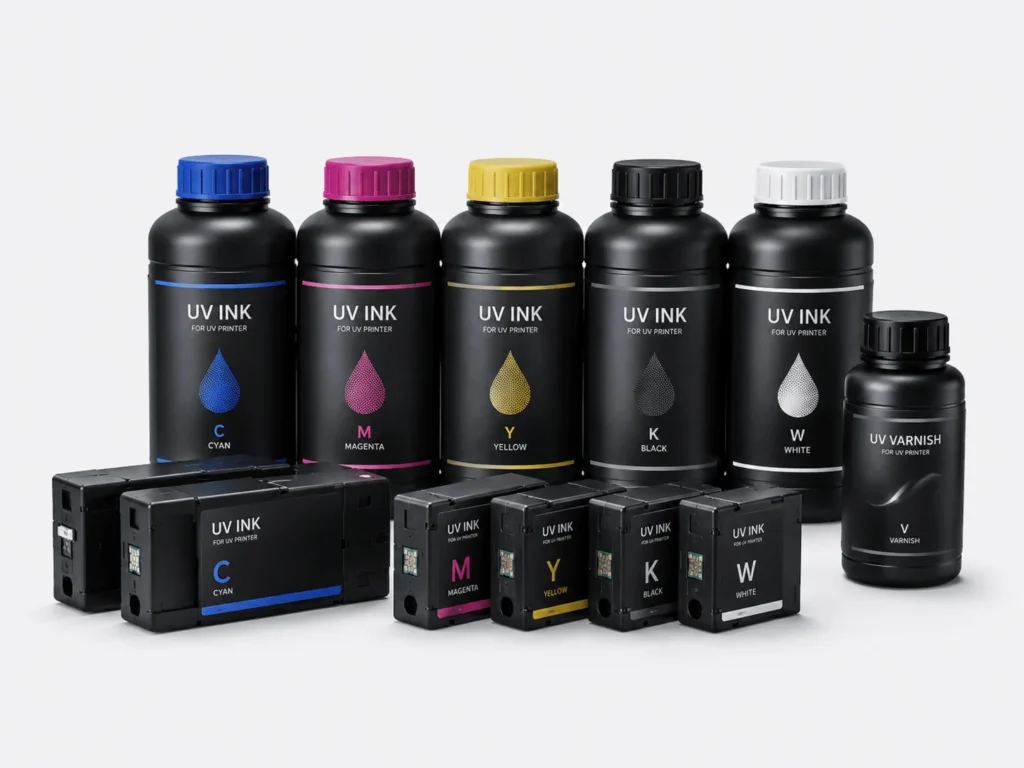
In the modern UV digital printing industry, UV LED ink is widely used in advertising production, packaging printing, and industrial inkjet applications. Although it performs stably during use, many people overlook a key factor: proper storage conditions.Ink is a fine chemical material that is sensitive to temperature, light exposure, and sealing conditions. Improper storage can easily lead to issues such as deterioration, sedimentation, or abnormal curing, which will directly affect printing results and equipment stability. Especially in factories with long-term stockpiling or seasonal usage, storage conditions have a direct impact on ink lifespan and final product quality.
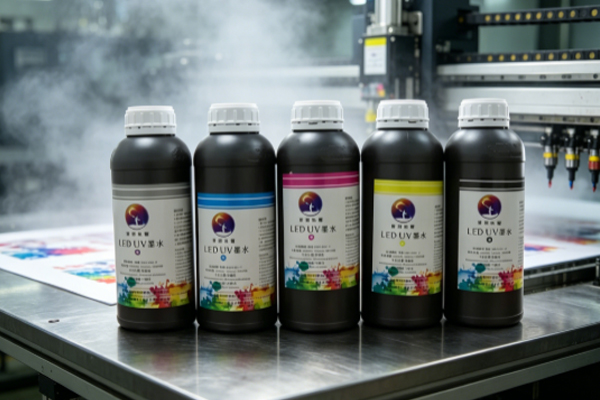
Basic Storage Conditions for UV LED Ink
Temperature Control Requirements
In daily warehouse management, temperature is one of the most important factors affecting the stability of UV LED ink. If ink is stored in an unsuitable environment for a long time, its physical properties may change, affecting printing performance.To maintain optimal performance, warehouse temperature should ideally be controlled between 15°C and 30°C, and kept as stable as possible.Avoid high temperatures: Excessive heat may cause internal components of the ink to change gradually, leading to increased viscosity or partial pre-curing, which can affect smooth inkjet performance.Avoid low temperatures: If the temperature is too low, the ink may become thicker, lose fluidity, or develop sediment, affecting color consistency.Minimize temperature fluctuations: Frequent day-night temperature changes can alter ink stability, so it is best to store ink in a temperature-controlled or relatively stable environment.Therefore, maintaining a normal and stable temperature environment is a fundamental requirement for proper UV LED ink storage.
Importance of Avoiding Direct Sunlight
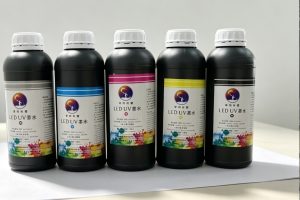
Light exposure has a more direct impact on UV LED ink than many people realize, especially ultraviolet light.Since UV LED ink is cured by UV light, prolonged exposure to sunlight or strong UV environments during storage may trigger premature photochemical reactions, causing partial curing or performance degradation.Therefore, ink should be stored in a dark environment, such as a closed warehouse or light-blocking shelving. Transparent containers should not be exposed to strong light. Many factories use opaque packaging or dark storage barrels to minimize light interference.
Sealed Storage and Air Exposure Control
Oxygen and moisture in the air can also affect ink stability, which is often overlooked.UV LED ink must be stored in a well-sealed condition, avoiding frequent opening or long exposure to air. If air enters the container, oxidation may occur on the surface, and slight skin formation may appear.Moisture intrusion may also affect stability, resulting in uneven color output or reduced adhesion during printing. Therefore, containers should be sealed immediately after use, and air exposure time should be minimized.
Management Practices During UV LED Ink Storage
Batch Storage and FIFO Principle
Proper inventory management can effectively extend ink usability.
UV LED ink should be stored by batch classification and used according to the “first in, first out” (FIFO) principle. Different batches may have production time differences, and long-term storage without rotation may lead to expiration or performance degradation of certain stock.
Batch management helps control usage order, reduce waste, and maintain consistent production quality.
Avoiding Vibration and Long-Term Static Effects
Many people overlook changes that may occur during long-term static storage.UV LED ink may experience slight sedimentation over time, which is a normal physical phenomenon. However, unstable storage conditions such as frequent vibration or improper handling may affect internal uniformity.Therefore, ink should be stored on stable shelving and moved as little as possible. Before use, gentle stirring can help restore uniformity and ensure stable printing results.
Storage Containers and Packaging Requirements
The choice of storage container also affects ink stability and is often underestimated.UV LED ink is typically stored in sealed barrels or professional light-proof packaging. Ordinary open containers should be avoided.Containers must have good chemical stability to prevent reactions with the ink. After each use, immediate sealing is required to minimize air exposure. Long-term open storage may not only degrade ink quality but also increase contamination risks.
Precautions During UV LED Ink Storage
Environmental Conditions and Their Effects
Different storage environments directly affect ink stability.UV LED ink is sensitive to environmental changes, especially in areas with large temperature fluctuations. If daytime temperatures are high and nighttime temperatures drop significantly, ink viscosity may become unstable, affecting printing performance.Therefore, maintaining a stable environment is more important than temperature control alone, and frequent hot-cold cycles should be avoided.
Problems That May Occur During Long-Term Storage
Many companies purchase ink in bulk, but long-term storage carries certain risks.Even if unopened, UV LED ink stored for extended periods may still experience slight performance changes, such as reduced fluidity or weaker color performance.It is recommended to purchase according to production schedules, avoid excessive inventory accumulation, and regularly inspect stock conditions to ensure safe usage.
Pre-Use Inspection Steps
Performing simple checks before using ink can effectively reduce production issues.Often, the ink itself is not damaged, but slight changes in condition may occur due to storage time or environmental factors. A quick inspection can help prevent major production problems.
Before use, you can perform the following checks:
- Observe whether there is layering, sedimentation, or clumping. If the color appears uneven, stir it thoroughly before use.
- Check for any unusual odor. If the smell differs significantly from normal, the ink condition may have changed.
- Perform a small test print to check for clogging, color deviation, stickiness, or unstable adhesion. These simple steps can help detect abnormalities early and avoid large-scale production defects.
Common Questions About UV LED Ink Storage
Can UV LED Ink Be Refrigerated?
Some users consider low-temperature storage, but refrigeration is not recommended.Although low temperatures may extend the stability of some chemical materials, UV LED ink may develop abnormal viscosity or separation under overly cold conditions. Therefore, room temperature storage is more stable and reliable.
How Long Can Opened Ink Be Stored?
The storage time after opening depends on usage frequency and sealing conditions.If properly sealed and stored under suitable conditions, ink can last for a considerable time. However, it is recommended to use it as soon as possible to ensure optimal print quality. Frequent opening will accelerate performance degradation.
Can Thickened Ink Still Be Used?
Thickened ink does not necessarily mean it is unusable, but caution is required.If the viscosity increase is mild, it may be restored through stirring. However, if there is significant clumping or abnormal curing, it should not be used, as it may affect equipment performance.
UV LED Ink Storage Management Cases
Advertising Factory Warehouse Management Case
An advertising production factory implemented a standardized ink storage system. UV LED ink is classified by batch and stored in a temperature-controlled warehouse, with regular inventory checks.
This systematic management significantly reduced ink waste and quality fluctuations, greatly improving production stability.
E-commerce Custom Factory Management Case
An e-commerce customization company with frequent order changes uses small-batch procurement to avoid large inventory accumulation.Each time after use, ink is strictly sealed, effectively reducing the risk of deterioration and improving production flexibility and cost control.
Industrial Manufacturing Storage Case
An industrial component manufacturer with high stability requirements uses a dedicated warehouse for ink storage.They also implement regular stirring and quality inspection procedures to ensure that ink maintains stable performance even after long-term storage, meeting continuous production requirements.
Although UV LED ink is stable in performance, storage conditions directly affect its final application results. Temperature, light exposure, and sealing conditions all influence its chemical structure, making proper storage essential for ensuring print quality.Through scientific inventory management, ink lifespan can be extended while reducing waste and production risks. Batch control, sealed storage, and regular inspection help improve overall production stability.Only under proper storage conditions can UV LED ink maintain optimal performance, ensuring consistent color output and strong adhesion during actual printing processes.