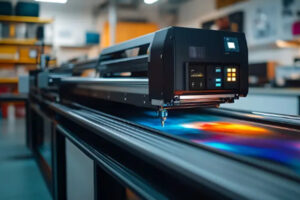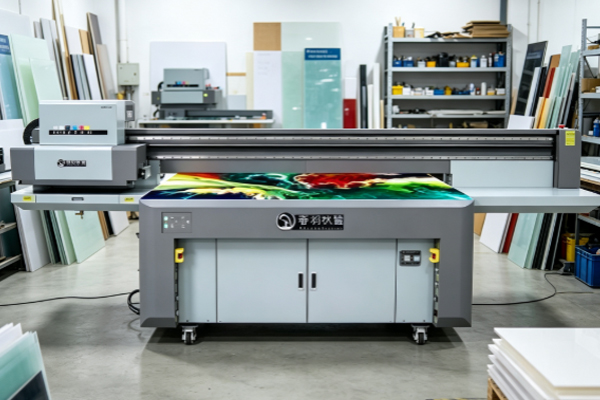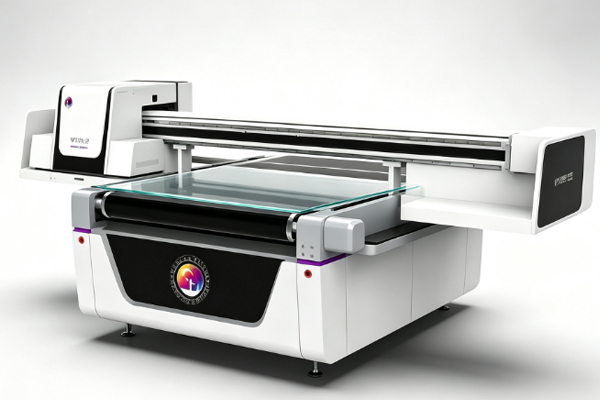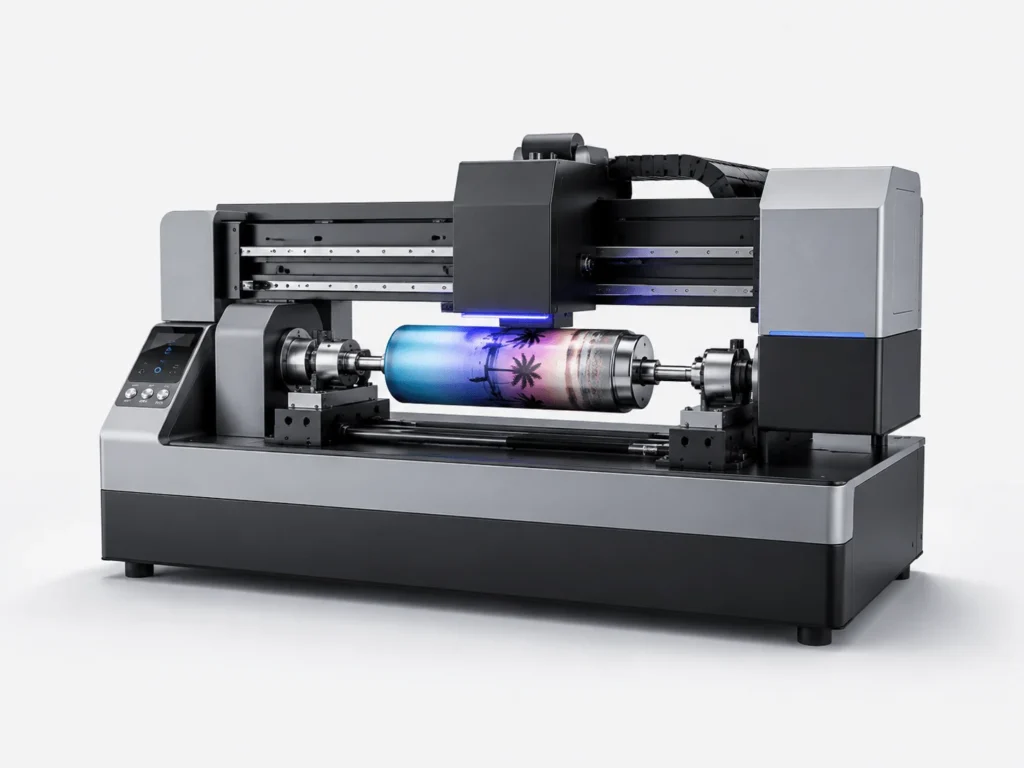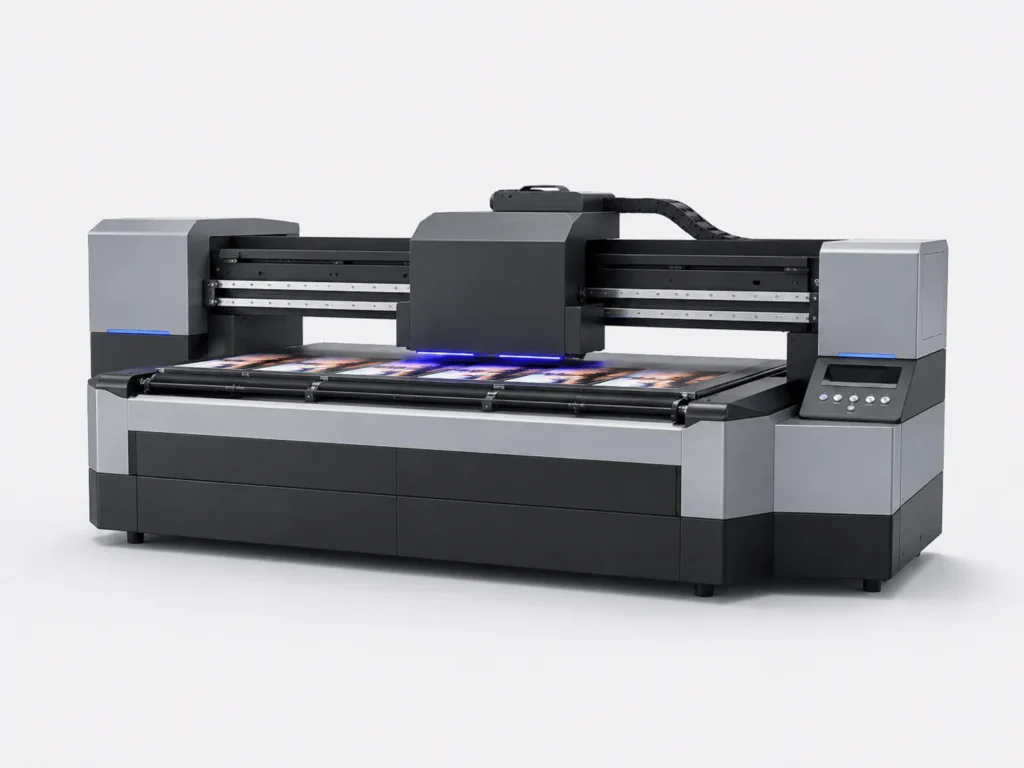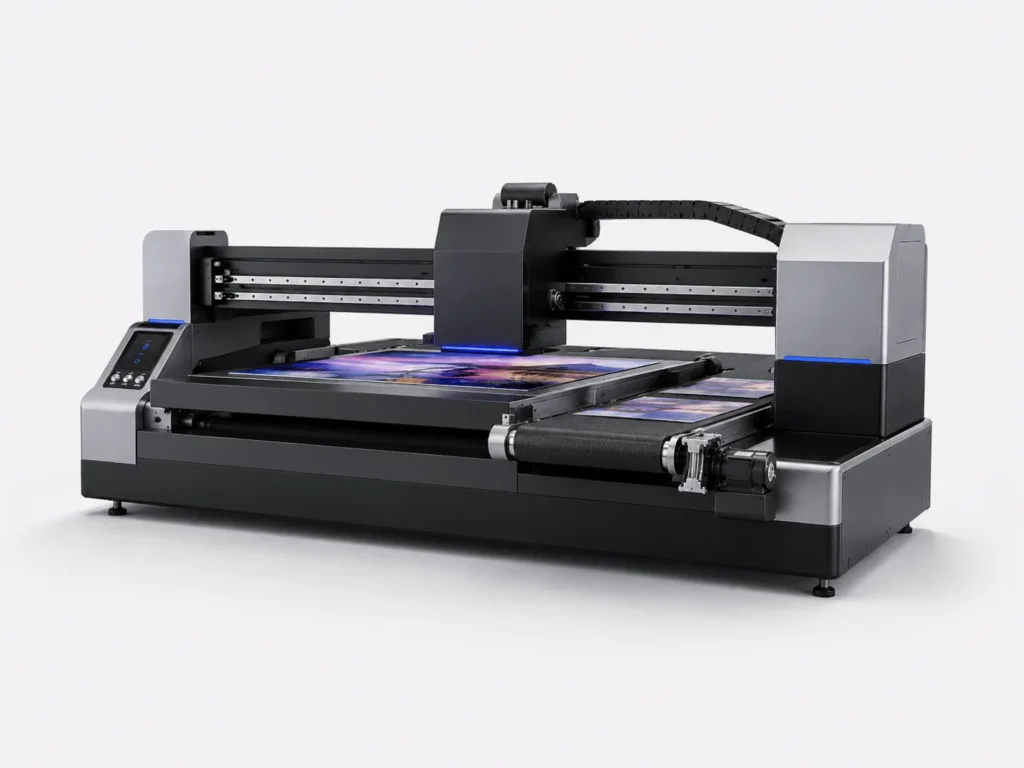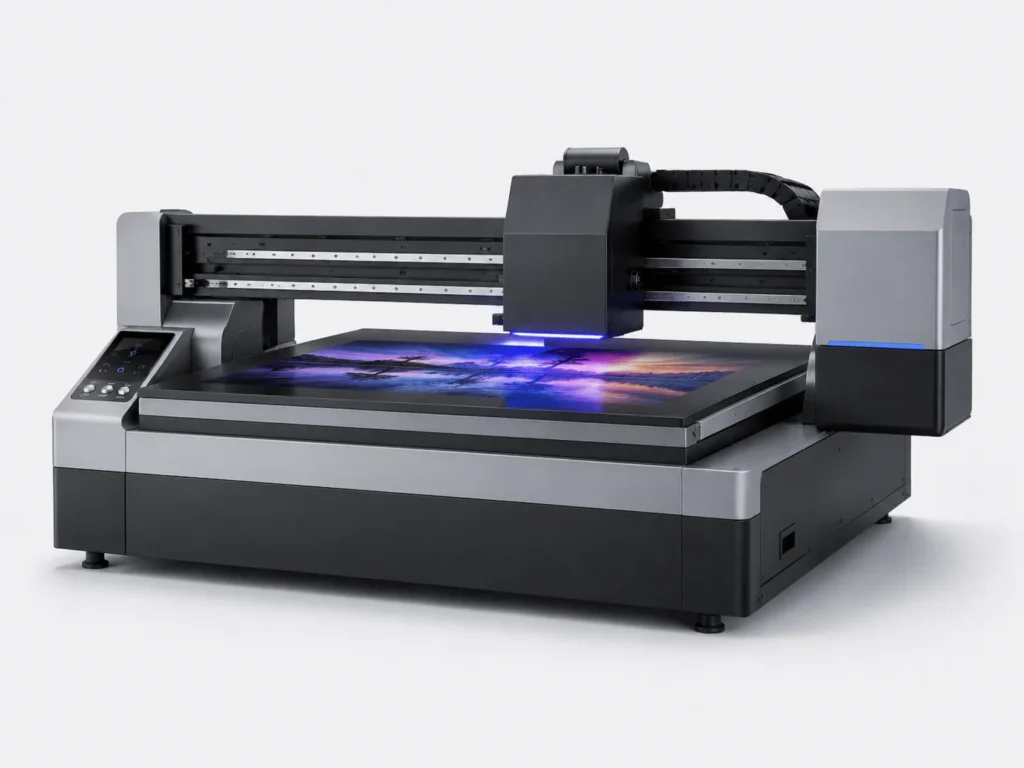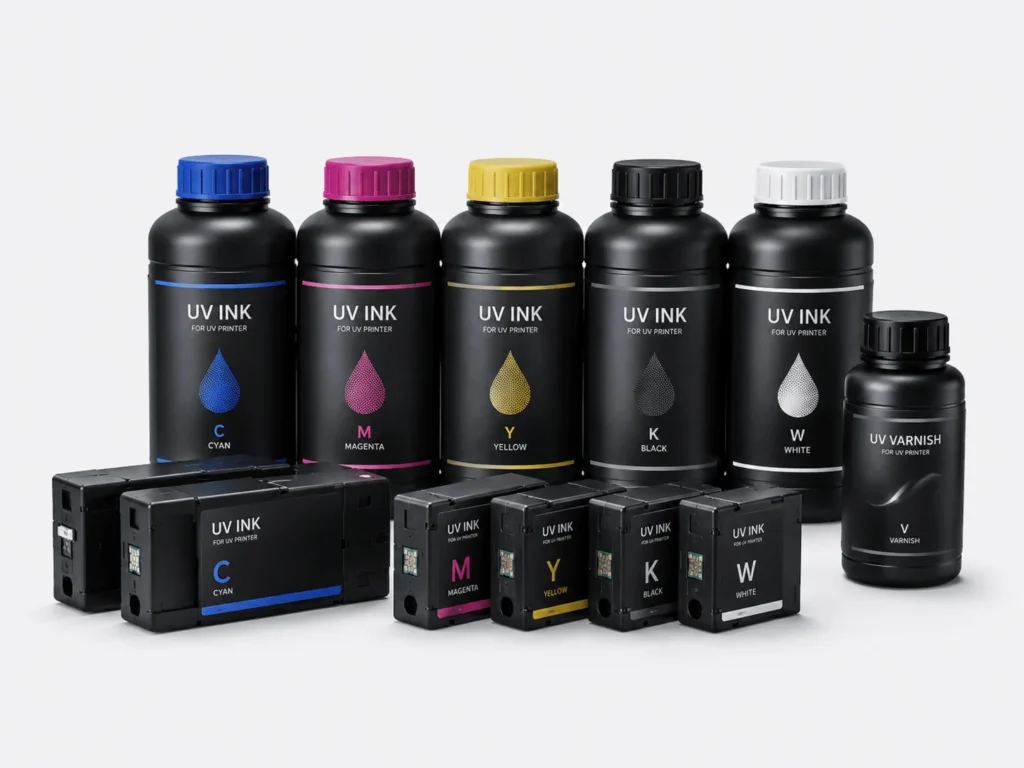
With the continuous upgrading of industrial digital printing technology, more and more companies are adopting single-pass printers to improve production efficiency. Compared with traditional scanning printing equipment, industrial single-pass printers have high-speed continuous production capabilities, meeting the needs of large-volume order processing. With stable operating performance and automated production characteristics, single-pass printers have gradually become important equipment in the industrial printing field. For companies that need to increase production capacity, shorten delivery cycles, and achieve digital production, understanding the applicable industries for single-pass printers is of significant reference value.
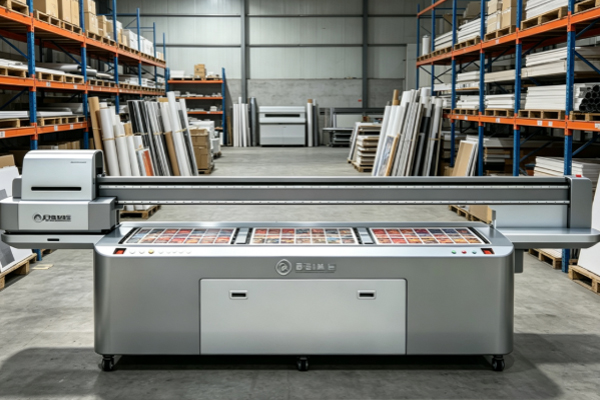
Packaging Printing Industry is an Important Application Area for Single-Pass Printers
With the continuous expansion of the consumer market and the increasing demand for logistics and transportation, the production scale of packaging products is also constantly increasing. Products such as cartons, color boxes, display packaging, and transport packaging often need to be produced in large quantities in a short period of time, which places higher demands on the efficiency of printing equipment. Industrial single-pass printers, with their continuous conveying and one-pass imaging working mode, can quickly complete large-area graphic printing tasks and maintain stable output quality. When facing multiple batches and multi-specification orders, the equipment does not require frequent downtime for adjustments, helping to improve production rhythm and order delivery capabilities, thus attracting the attention and application of many packaging manufacturing companies.
Which Industries Are Suitable for Industrial Single-Pass Printers
Industrial single-pass printers are currently widely used in the following industries:
- Packaging and printing industry, meeting the production needs of cartons and color boxes.
- Corrugated cardboard industry, achieving high-speed graphic printing.
- Label printing industry, improving batch production efficiency.
- Building materials and decoration industry, completing surface pattern printing on boards.
- Industrial manufacturing industry, realizing product appearance decoration processing.
These industries typically have characteristics such as large order volumes, fast production pace, and high automation requirements.
Why Does the Building Materials and Decoration Industry Favor Single-Pass Printing Equipment?
As consumers’ requirements for the quality of home environments continue to increase, the building materials and decoration industry is developing towards personalization and customization. Products such as wood grain boards, decorative boards, wall panels, and furniture veneer materials place higher demands on pattern accuracy and production efficiency. With its high-speed continuous printing capability, the industrial single-pass printer is gradually becoming an important piece of equipment for building materials companies to enhance their competitiveness. The application of single-pass printers in the building materials and decoration industry is mainly reflected in the following aspects:
- Wood grain board printing: Achieving realistic wood grain texture effects and improving product quality.
- Wall decoration material printing: Meeting the needs of personalized home decoration and commercial space design.
- Furniture surface processing: Supporting diversified pattern customization and enhancing product differentiation.
- Floor surface decoration: Improving texture clarity and color reproduction.
- Mass production of decorative panels: Adapting to the needs of large-scale order processing.
In actual production, building materials companies usually need to run production lines continuously for long periods. Single-pass printers can seamlessly connect with automated conveyor equipment to achieve continuous production. Through a digital control system, different patterns and order contents can be quickly switched, reducing downtime for adjustments.
This production method brings significant advantages:
- Improved production efficiency and shortened order delivery cycle.
- Reduced labor costs and improved automation level.
- Maintained product color consistency and improved finished product quality.
- Reduced material waste and optimized production resource utilization.
- Meets the needs of simultaneous personalized customization and mass production.
With the continuous advancement of digital upgrading in the building materials industry, single-pass printing technology is becoming an important solution for decorative material production, creating higher production value and market competitiveness for enterprises.
Application Scenarios in Industrial Manufacturing
In the industrial manufacturing sector, single-pass printing technology also has broad application prospects:
- Decorative printing of home appliance casings.
- Printing of industrial equipment panel markings.
- Packaging production of electronic products.
- Printing of furniture surface textures.
- Customized industrial product pattern processing.
These applications have high requirements for production efficiency and printing stability.
Development Prospects of Industrial Single-Pass Printers
With the continuous advancement of intelligent manufacturing, industrial single-pass printers are developing towards higher speeds, greater intelligence, and higher precision. Continuous upgrades in printhead technology are improving print quality; the application of automatic detection systems and intelligent control software further enhances equipment operational stability. At the same time, digital order management and production data analysis functions are gradually being integrated into the equipment system, providing enterprises with more efficient production solutions.
In the future, the demand for digital production in industries such as packaging printing, building materials decoration, industrial manufacturing, and label printing will continue to grow. With its high-speed continuous output, high degree of automation, and adaptability to large-scale production, industrial single-pass printers will play an important role in more industrial fields and become an important force in promoting the upgrading of the digital printing industry.