With the continuous development of the toy industry, consumers’ requirements for toy products are no longer limited to simple design structures. Product appearance, color effects, and detailed presentation have gradually become important factors influencing purchasing decisions. Whether it is plastic toy housings, anime models, collectible figures, assembly models, or educational toys for children, more refined pattern presentation methods are required. Although traditional processing methods such as screen printing, stickers, and spraying can achieve basic decoration, they often face problems such as low efficiency, complicated processes, and insufficient color performance when dealing with complex curved surfaces, multi-color designs, and small-batch customization needs. The emergence of UV printing technology provides a more flexible solution for the toy manufacturing industry.
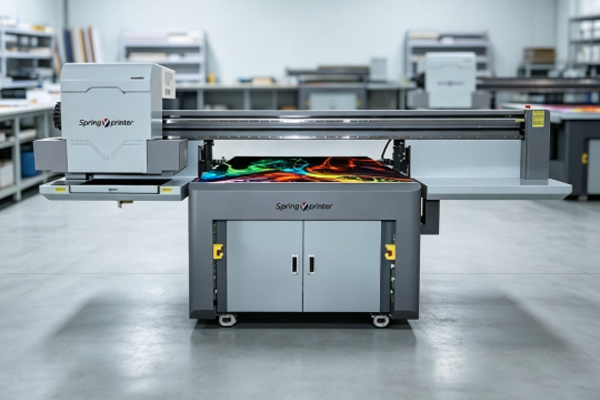
Through industrial UV printing equipment, full-color printing can be directly performed on the surfaces of toy housings and models made from different materials, achieving high-definition patterns, gradient effects, three-dimensional textures, and personalized content production. Manufacturers do not need to create traditional printing plates and can quickly complete product design conversion, making it suitable for applications such as new product development, small-batch production, and brand customization. The UV printing solution for toy housings and model products not only focuses on printing effects but also involves material compatibility, production processes, equipment configuration, and quality control. Proper selection of UV printing equipment can help companies reduce production complexity, improve product added value, and provide ordinary toy products with richer visual performance.
Introduction to UV Printing Technology for Toy Housings and Model Products
How UV Printing Is Applied in Toy Product Manufacturing
UV printing is a digital printing method that uses ultraviolet light to cure ink. During the printing process, the print head accurately sprays colored ink onto the surface of the toy housing or model according to the design file. At the same time, the UV lamp quickly cures the ink, forming a stable pattern layer. Compared with traditional printing methods, UV printing does not require printing plates and can directly adjust pattern content through a computer. When toy companies need to change product designs, adjust color schemes, or create different themed product series, they only need to modify the printing file to complete production changes.
During toy manufacturing, UV printing can be applied to:
| Application Product | Printing Content | Suitable Application Scenarios |
| Plastic toy housings | Logos, patterns, character images | Branded toy production |
| Anime models | Character details, clothing textures | Collectible model manufacturing |
| Assembly models | Labels, decorative lines | DIY model products |
| Acrylic ornaments | Color images, transparent effects | Display products |
| Resin figures | Detailed textures, gradient colors | High-end customized products |
Through UV printing, toy products can achieve richer visual effects. For example, an ordinary plastic housing can be enhanced with metallic texture patterns, cartoon graphics, or brand logos through printing, giving the product stronger recognition.
Why Toy Housings and Models Are Suitable for UV Printing
Toy products usually feature small sizes, complex shapes, and various color changes. When traditional processing methods face these requirements, they often require multiple steps such as plate making, film application, and manual processing, resulting in longer production processes. UV printing can directly process products with different shapes and has good adaptability to flat surfaces, slightly curved surfaces, and complex model structures. Especially in the model industry, many products need to present character expressions, clothing details, and mechanical structure textures, which require high printing accuracy.
The main advantages of UV printing include:
- Easy pattern modification, suitable for rapid new product development;
- Rich colors, capable of presenting various visual effects;
- Reduced manual operations and improved production stability;
- Support for small-batch orders to meet customization requirements.
This production method can reduce preparation time and allow creative designs to be transformed into actual products more quickly.
Printing Requirements for Different Toy Materials
Toy products are made from various materials, and different materials have different requirements for ink adhesion. Therefore, before UV printing, an appropriate printing solution needs to be selected according to the product material.
Common materials and printing characteristics are as follows:
| Toy Material | Material Characteristics | UV Printing Processing Method |
| ABS plastic | Smooth surface, widely used | Adjust ink adhesion performance |
| PVC material | Flexible and durable | Select ink suitable for flexible materials |
| Acrylic | High transparency | Achieve high-definition color printing effects |
| Resin models | Rich details | Emphasize fine printing capability |
| Wooden toys | Visible texture | Enhance pattern integration effects |
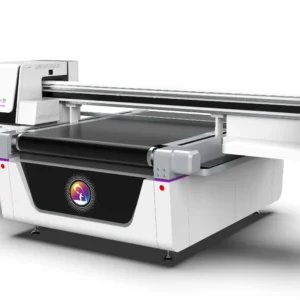
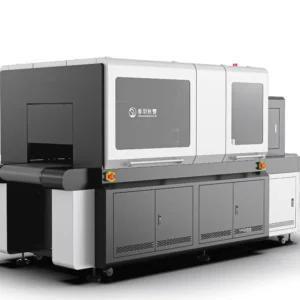
Springyprinter industrial UV printing equipment can provide corresponding printing solutions according to different product requirements, helping companies solve color performance and adhesion issues for different materials during the printing process.
Production Process of UV Printing for Toy Housings
Product Positioning and Pre-Printing Treatment
Toy models are usually small in size. If the product placement position is inaccurate, it can easily cause pattern deviations. Therefore, precise positioning is required during the production process. Industrial UV printing equipment is usually equipped with intelligent positioning functions, which can help operators quickly confirm product placement positions and improve printing consistency.
Before printing, the following steps need to be completed:
- Clean dust from the product surface;
- Check whether the product has scratches;
- Adjust printing parameters according to the material;
- Confirm the fixing method.
For batch production of toy products, dedicated fixtures can also be designed to fix multiple products for simultaneous printing, improving production efficiency.
UV Printing Process and Effect Control
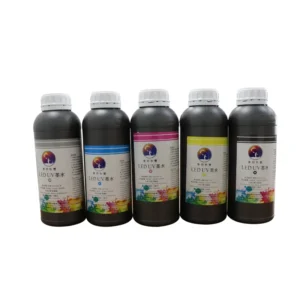
During formal printing, the equipment completes color output according to the design file. Unlike ordinary printing methods, UV printing can achieve richer effects through the combination of white ink and color ink.
For example:
| Printing Effect | Implementation Method |
| Ordinary color patterns | Color UV ink printing |
| Bright colors on dark products | Add white ink as a base layer |
| Three-dimensional tactile effects | Multi-layer ink stacking |
| Surface gloss effects | Add varnish layer |
In the toy model industry, white ink and varnish functions are very important. Many dark-colored models require white ink to improve color brightness, while collectible-grade models can use varnish to enhance surface texture, making products closer to high-end display effects.
Characteristics of Toy Model UV Printing Technology and Equipment Solutions
Core Requirements for Industrial UV Printing Equipment
Toy housings and model products have relatively high requirements for printing accuracy, especially anime figures and collectible models. Their surfaces usually contain small structures, such as facial features, clothing textures, and mechanical components. If the printing equipment does not provide sufficient accuracy, problems such as blurred patterns and uneven colors may occur. Therefore, UV printing equipment used in the toy industry needs to have stable printing performance and flexible product adaptability. Industrial-grade equipment is usually designed according to production requirements. It not only focuses on printing speed but also needs to ensure stable operation during long-term use.
When selecting equipment, toy manufacturers can focus on the following points:
- Whether the printing accuracy meets the requirements for model detail presentation;
- Whether the equipment supports printing products of different sizes;
- Whether it can adapt to different material surfaces;
- Whether maintenance and technical support are complete.
For example, a small toy housing may require fine Logo printing, while a large display model may require complete color pattern coverage. These two applications have different requirements for equipment printing size and control capabilities.
Multi-Function Printing Modes Improve Toy Product Expressiveness
As the toy market continues to become more segmented, product design places increasing emphasis on personalized effects. Single-color printing can no longer meet the needs of some high-end model products. Therefore, UV printing equipment usually needs to support multiple printing modes.
Common functions include:
| Function Type | Application Effect |
| Color ink printing | Achieve rich color patterns |
| White ink printing | Improve color performance on dark materials |
| Varnish printing | Increase surface brightness and protection effects |
| Multi-layer printing | Create embossed and three-dimensional tactile effects |
| Precise positioning | Ensure accurate printing positions on complex products |
Practical Value of UV Printing Solutions for Toy Housings and Model Products
Helping Toy Companies Achieve Personalized Product Development
Nowadays, consumer demand for toy products is changing. Many users hope to purchase products with unique designs. For example, limited-edition models, anime collaboration toys, and corporate commemorative gifts all require more flexible production methods. UV printing technology can quickly complete the production of different themed patterns, allowing companies to achieve small-batch and multi-style production without creating large numbers of printing templates.
Improving Product Quality and Brand Display Effects
Toy products are not only entertainment items but are also gradually becoming collectible, display, and cultural consumption products. High-quality appearance can enhance product value and improve consumer recognition of the brand.
UV printing can help products achieve:
- High-definition pattern display;
- Detailed texture reproduction;
- Rich color combinations;
- Personalized logo and identification production.
For example, high-end figure products need to present detailed patterns on character clothing. If traditional sticker methods are used, problems such as edge lifting or reduced overall texture may occur. UV printing allows patterns to directly integrate with the product surface, creating a more natural visual effect.
Springyprinter Provides Professional UV Printing Equipment Support
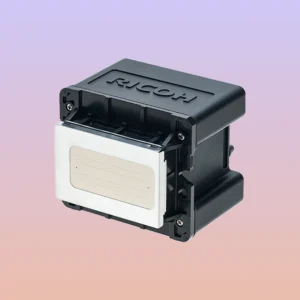
During the production of toy housings and model products, equipment stability, printing performance, and after-sales support all affect the long-term production efficiency of enterprises. Springyprinter focuses on products such as toy housings, models, and acrylic ornaments. The company can provide suitable equipment solutions according to customer materials, sizes, and production requirements, helping enterprises improve printing efficiency. If you are looking for an industrial UV printing solution suitable for the toy industry, you can contact Springyprinter to obtain professional recommendations.
Frequently Asked Questions
Q: Can UV printing be used for all types of toy housings?
A: Most common toy materials can achieve pattern processing through UV printing, such as ABS plastic, PVC, acrylic, resin, and other materials. However, different materials have different surface conditions, so ink types and printing parameters need to be adjusted according to the product material. For materials with particularly smooth surfaces or special treatments, testing can be carried out before production to ensure that color performance and adhesion meet requirements.
Q: Is UV printing suitable for small-batch customized toys?
A: Yes, it is highly suitable. Traditional printing methods usually require template production. When product quantities are small or designs frequently change, production costs become relatively high. UV printing is a digital production method that does not require complicated plate-making processes, making it very suitable for orders involving dozens, hundreds, or multiple mixed product designs.
Q: Are UV printed patterns on toys easy to peel off?
A: Under normal conditions, UV printed patterns processed with proper material treatment and parameter adjustment have good stability. During production, surface cleaning, ink selection, and curing control need to be properly managed to improve product wear resistance and service life.
With the continuous development of the toy industry, product appearance and personalized design are receiving increasing attention. UV printing technology can help enterprises achieve high-definition patterns, rich colors, and fine textures on the surfaces of toy housings, models, figures, and other products, giving products better visual effects and market competitiveness. Springyprinter focuses on the research, development, and manufacturing of industrial UV digital printing equipment. With a professional R&D team, standardized production processes, and extensive industry experience, the company provides stable and reliable UV printing solutions for industries such as toys, models, and gifts.
Whether for small-batch customization or mass production, suitable equipment support can be provided according to customer requirements. If you are looking for a UV printing solution suitable for toy housings and model products, please contact the Springyprinter team to obtain professional equipment recommendations and technical support.