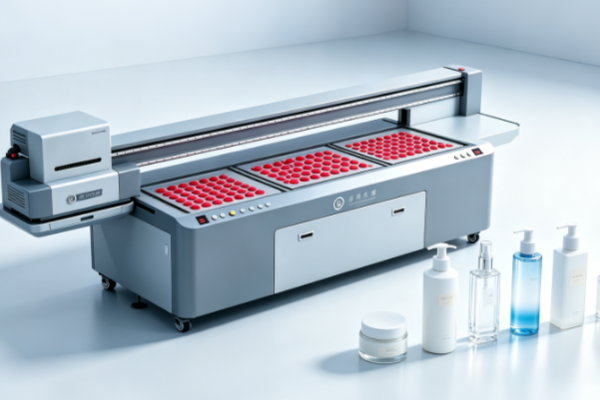
In the high-end skincare market, consumers often judge a product from its packaging before experiencing the product itself. A beautifully designed package with refined details can not only improve the product’s premium image but also help brands build stronger market recognition. As competition in the cosmetics industry continues to increase, more brands are focusing on packaging upgrades and looking for ways to create more sophisticated designs, richer material effects, and faster product development. However, traditional packaging production methods often face limitations when dealing with customized designs, small-batch testing, and special materials. With high-resolution printing, multi-material compatibility, and flexible customization capabilities, UV printing is becoming an important solution for enhancing the visual appeal of high-end skincare packaging.
Challenges in High-End Skincare Packaging Visual Upgrades
High-end skincare packaging is not only used to protect products but also serves as an important way to communicate brand value and enhance customer experience. From bottle designs to gift boxes, every detail can influence how consumers perceive the quality of a brand. For cosmetics companies, packaging upgrades require not only attractive appearance but also stable production quality and efficient manufacturing processes.
Traditional Printing Methods Cannot Fully Meet Refined Design Requirements
High-end skincare packaging often includes complex patterns, brand logos, gradient colors, and delicate textures to create a premium appearance. However, some traditional printing methods may struggle to reproduce these details accurately.
Common issues include:
- Blurred logo edges that affect brand recognition
- Fine textures and patterns not being fully displayed
- Insufficient color layering in gradient designs
- Differences between the final package and the original design
For premium skincare brands, packaging visuals directly influence consumers’ perception of product value. Therefore, high-quality and stable printing performance has become increasingly important.
Various Packaging Materials Increase Production Difficulty
To create a luxurious appearance, skincare packaging often uses materials such as glass, acrylic, metal, and specialty surfaces. However, different materials have different surface characteristics, which creates higher requirements for printing technology.
Main challenges include:
- Different materials requiring different preparation methods
- Color differences appearing on certain surfaces
- Limited printing stability on special materials
As skincare brands continue to explore innovative packaging designs, printing solutions that support various materials have become a key factor in improving packaging competitiveness.
Growing Demand for Personalized Packaging
Today, skincare brands are paying more attention to product differentiation and frequently launch limited editions, gift sets, and seasonal collections. These products often require small production quantities but still need premium packaging effects.
Key requirements include:
- Quickly testing packaging design concepts
- Supporting multiple visual design options
- Reducing modification and trial costs
- Shortening product development cycles
This is one of the main reasons why more brands are adopting digital printing technologies.
How UV Printing Enhances High-End Skincare Packaging Visual Effects?
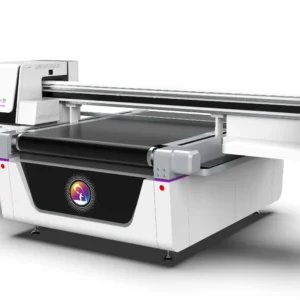
With the development of digital printing technology, UV printing has become an important solution for packaging upgrades in the cosmetics industry. Compared with traditional printing methods, UV printing can directly output designs onto packaging surfaces and combine features such as white ink and varnish to achieve richer visual effects.
Comparison Between UV Printing and Traditional Packaging Printing
When selecting a packaging visual upgrade solution, brands usually focus on printing accuracy, material compatibility, and customization efficiency. Different technologies have different performance in real applications. The following comparison highlights the key differences:
| Comparison Item | Traditional Packaging Printing | UV Printing Packaging Solution |
| Image Accuracy | Limited by traditional processes | High-resolution output with precise details |
| Material Compatibility | Difficult for some special materials | Supports glass, acrylic, metal, and more |
| Customization Efficiency | Longer modification cycles | Quick digital file adjustments |
| Sampling Cost | Higher cost for small batches | More suitable for fast testing |
In practical applications, UV printing reduces complicated production steps and gives brands more flexibility during new product development. For high-end skincare products, being able to quickly view realistic packaging samples helps teams confirm design directions earlier.
High-Resolution Printing Improves Packaging Quality
High-end skincare packaging requires excellent detail performance because consumers often judge product quality through appearance. UV printing uses precise inkjet technology to accurately reproduce design elements and enhance packaging texture.
Main advantages include:
- Clear reproduction of brand logos
- Improved text and graphic details
- Better presentation of complex designs
- Enhanced premium packaging appearance
High-resolution printing helps skincare brands create more recognizable packaging and attract greater consumer attention.
Multi-Material Printing Supports Customized Packaging Designs
Modern skincare packaging focuses more on creative expression. UV printing can be applied to various materials, giving brands more possibilities for unique packaging solutions.
Common applications include:
- Printing on glass bottles
- Acrylic gift box decoration
- Metal packaging surface printing
- Premium display packaging production
This flexibility allows brands to create more distinctive packaging designs while meeting different market positioning requirements.
Special Printing Effects Enhance Premium Brand Image
Besides standard color printing, UV printing can combine technologies such as white ink and varnish to create richer visual effects and improve packaging appeal.
Specific effects include:
- White ink enhancing transparent material depth
- Varnish creating partial glossy effects
- Adding three-dimensional texture effects
These special printing effects strengthen packaging quality and help products better match high-end market positioning.
Key Control Processes for UV Printing Production of High-End Skincare Packaging
To achieve stable and premium packaging results, printing equipment alone is not enough. Design preparation, material testing, and production management are equally important. A complete production process helps reduce errors and ensures the final packaging meets brand expectations.
Optimize Design Files to Improve Printing Accuracy
Design files directly affect the final packaging appearance. Before production, files need to be properly prepared and adjusted.
Main steps include:
- Confirming file dimensions and proportions
- Checking image resolution
- Adjusting color settings
- Optimizing printing areas
Proper file preparation improves printing accuracy and reduces later adjustments.
Test Packaging Materials to Ensure Stability
Different packaging materials have different requirements for ink adhesion and color performance, so testing should be completed before production.
Testing includes:
- Checking ink adhesion performance
- Testing different material effects
- Confirming surface appearance
Material testing helps reduce production risks and ensures more consistent packaging quality.
Establish Standardized Production Management
High-end skincare packaging requires strong consistency between different production batches. A standardized production process helps maintain stable quality.
Main measures include:
- Setting unified production standards
- Maintaining equipment regularly
- Strengthening quality inspections
A stable production workflow helps brands continuously deliver premium packaging and improve market recognition.
As the cosmetics industry continues moving toward premiumization and personalization, packaging appearance has become a key factor in brand competition. With advantages such as high-resolution output, multi-material compatibility, and flexible customization, UV printing provides a more efficient solution for high-end skincare packaging upgrades. By applying UV printing technology effectively, brands can create more sophisticated packaging experiences and further enhance product value and market appeal.