With the increasing use of metal products in electronic devices, smart hardware, home decoration, industrial components, and customized gifts, businesses are placing higher demands on metal surface printing quality. Compared with traditional printing methods, UV printing delivers high-resolution graphics, fast curing, and rich color performance. However, because metal surfaces are usually smooth, dense, and have low absorption properties, ensuring strong ink adhesion has become a key challenge in production. Understanding the factors that affect adhesion and optimizing the printing process can effectively improve product quality and reduce rework rates.
Main Reasons for Poor Adhesion in Metal UV Printing
Metal materials offer excellent strength and durability, but their surface characteristics also create challenges for UV printing. Unlike porous materials such as wood or paper, metal surfaces do not naturally absorb ink. The ink mainly relies on surface bonding, making proper preparation essential before printing.
Common influencing factors include:
- Metal surfaces that are too smooth may prevent ink from forming strong mechanical bonding, reducing adhesion strength
- Oil, dust, or oxidation residues from processing can interfere with ink contact and bonding with the metal surface
- Different metal materials have different surface properties and require suitable printing solutions
- Incorrect UV ink selection, curing performance, or equipment settings can affect final adhesion quality
In actual production, the adhesion of metal UV printing is not determined by one single factor. It is the result of combined effects from materials, equipment, and printing processes.
Proper Metal Surface Treatment for Better UV Printing Stability
Surface preparation is a key foundation for improving UV printing adhesion on metal and is also one of the most commonly overlooked steps. Even with high-performance equipment, poor surface treatment may cause problems such as peeling or cracking after printing.
Common treatment methods include:
- Thoroughly cleaning the metal surface to remove oil, dust, and other contaminants from processing
- Using polishing, sanding, or sandblasting methods to improve surface texture and increase ink bonding area
- Applying anti-oxidation treatments to certain metals to improve long-term printing stability
Through proper surface preparation, UV ink can bond more effectively with metal surfaces while improving wear resistance and service life.
Choosing the Right UV Ink and Primer Solution
During metal UV printing, ink does not simply cover the surface; it needs to form a stable bond with the material. Selecting suitable UV inks and supporting materials is essential for improving printing performance.
Important considerations include:
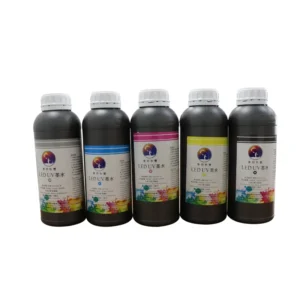
- Choosing UV inks specifically developed for metal materials to improve bonding strength between ink and substrate
- Using specialized primers according to different metal types to enhance surface adhesion
- Selecting inks with better wear and weather resistance based on product usage conditions
- Adding protective coatings for products requiring long-term use or frequent contact
A proper combination of ink and primer solutions can improve not only adhesion but also color performance and overall product quality.
Optimizing UV Printing Parameters for Stronger Graphics
Besides materials and inks, printer settings also have a direct impact on metal UV printing quality. Proper parameter adjustment helps ensure complete curing and reduces potential quality issues during use.
Key optimization methods include:
- Adjusting UV lamp power and curing time according to different metal materials to ensure complete ink curing
- Controlling ink volume and print layers to prevent overly thick coatings from affecting bonding performance
- Adjusting printing modes based on metal reflectivity to improve image clarity
- Testing different parameter combinations to find the most stable solution for mass production
After parameter optimization, UV printing can achieve both high production efficiency and consistent product quality.
Protective Treatment After Metal UV Printing
The printing process is not completely finished after UV ink curing. Proper post-processing methods can further improve graphic protection, especially for applications such as outdoor products and electronic device housings.
Common protection methods include:
- Applying transparent protective coatings to improve scratch resistance
- Performing adhesion tests to identify potential quality issues before delivery
- Adding waterproof, UV-resistant, or chemical-resistant treatments based on product requirements
- Establishing standard inspection procedures to ensure consistent batch quality
A complete post-processing process helps extend product lifespan and improve customer satisfaction.
How to Choose the Right Equipment for Metal UV Printing?
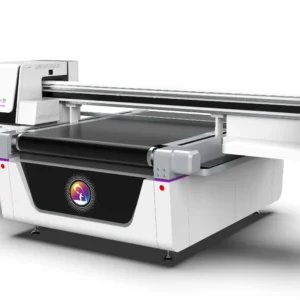
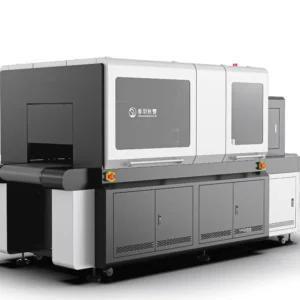
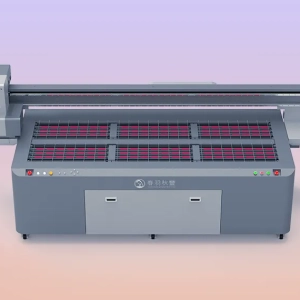
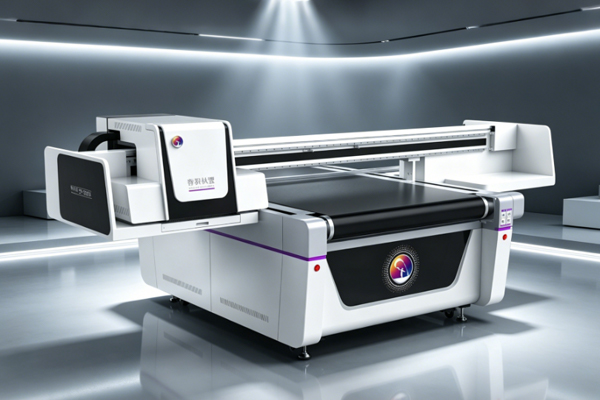
Besides process optimization, equipment performance is another important factor affecting metal UV printing results. Stable equipment not only improves printing accuracy but also influences production efficiency and cost control during long-term operation.
When selecting equipment, businesses should focus on:
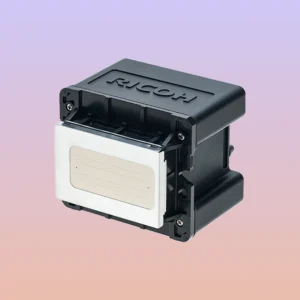
- Whether printhead accuracy meets the requirements for high-resolution metal printing
- Whether the UV curing system provides stable and sufficient curing performance
- Whether the printer supports multiple metal materials to expand application possibilities
- Whether equipment reliability meets continuous production requirements
Choosing the right UV printing equipment can reduce adjustment time and improve overall production efficiency.
Achieving stable adhesion in metal UV printing requires optimization across multiple stages, including surface preparation, ink selection, equipment settings, and protective treatment. As demand continues to grow in electronics, industrial manufacturing, and customized products, UV printing is becoming an important technology for metal surface processing due to its high precision, efficiency, and wide material compatibility. SpringYprinter provides reliable UV printing equipment and professional solutions to help businesses improve metal product printing quality and production efficiency.