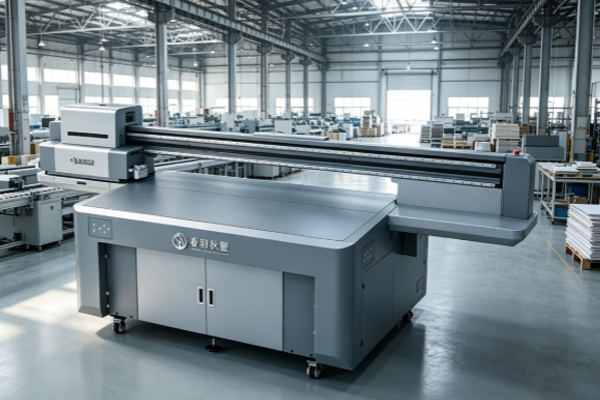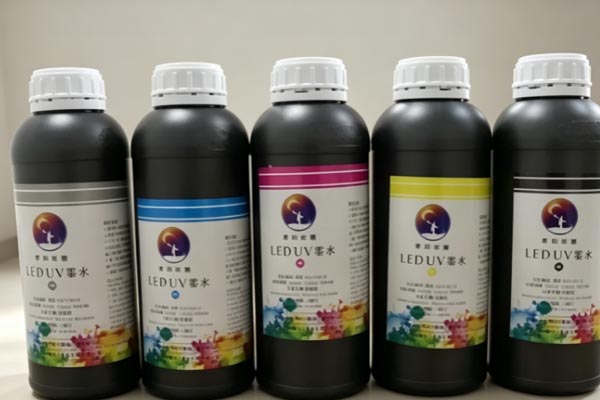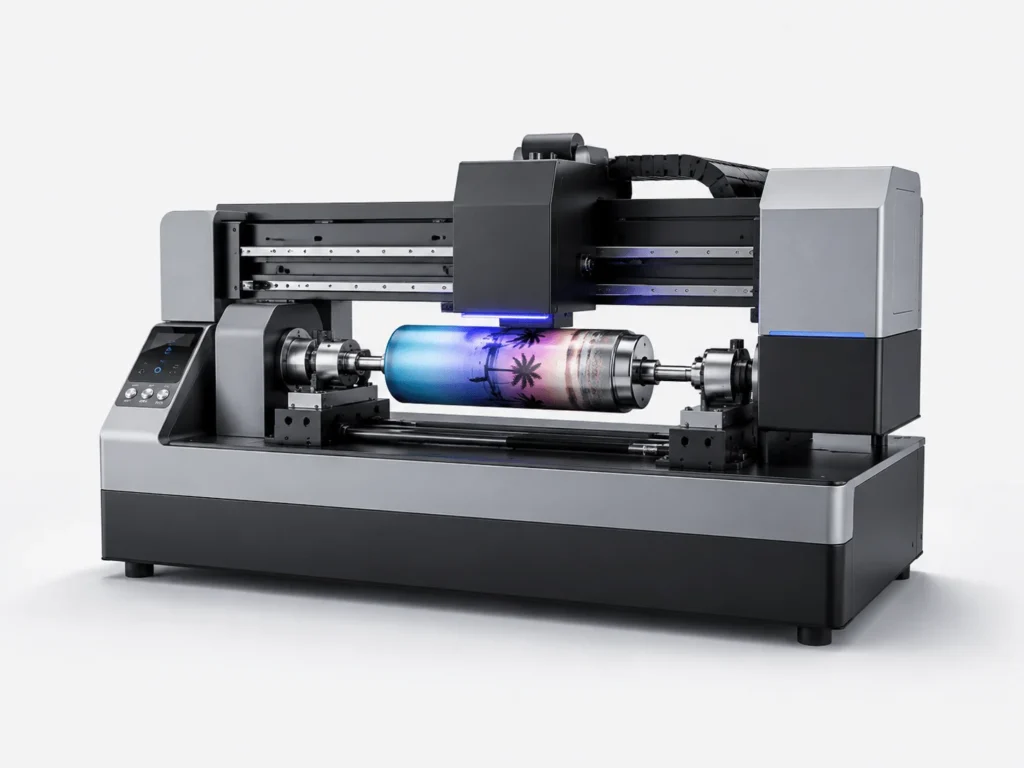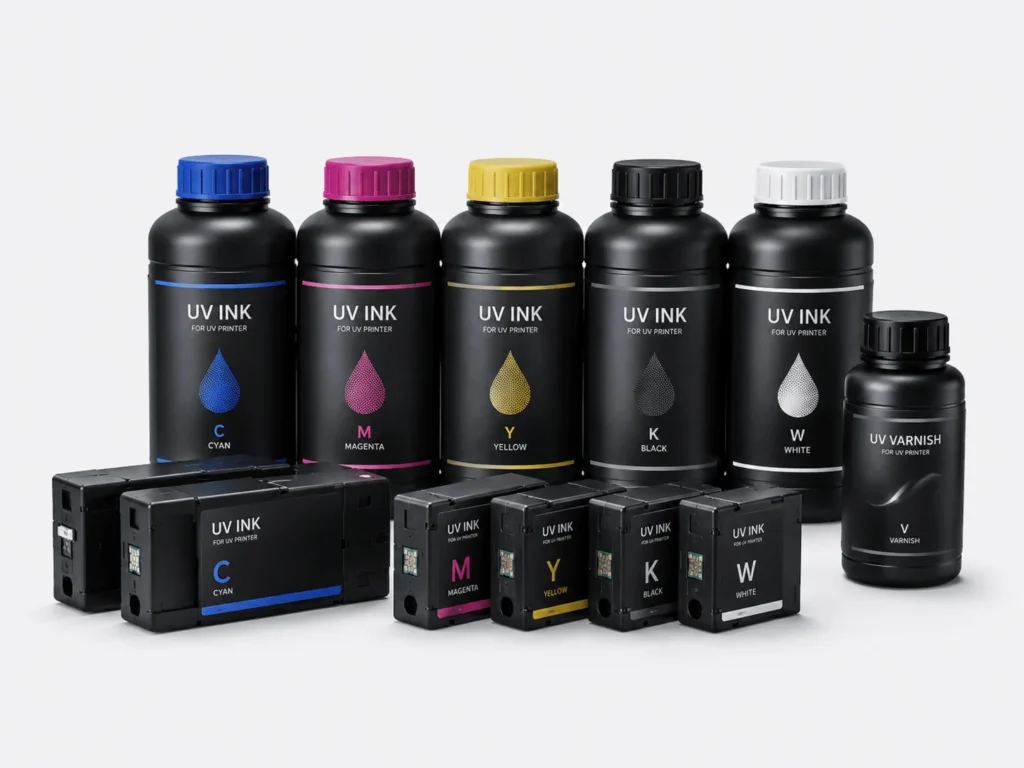
Single-pass printers used in industrial UV printing are high-speed continuous production systems. The printhead is the core component, and once clogging occurs, it directly affects output quality, causing issues such as missing lines, color loss, blurred patterns, or even complete image defects. Printhead clogging is not caused by a single factor; it results from a combination of ink conditions, environmental factors, and operating habits. Solving the problem requires a systematic approach covering working principles, emergency treatment, maintenance, and daily operation.
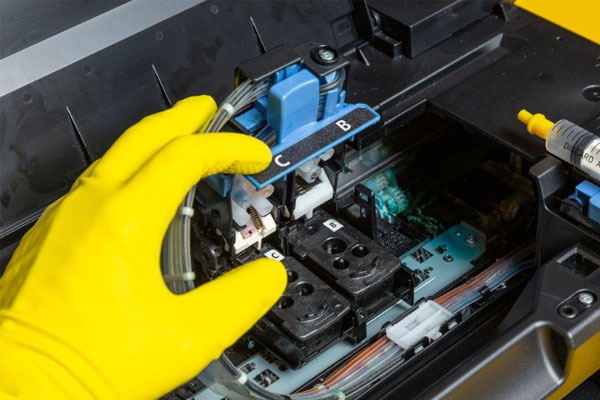
Printhead Working Principle and Clogging Mechanism
Single-pass printheads use a piezoelectric driving system to eject UV ink as extremely fine droplets onto the material surface, which is then instantly cured by UV light. The nozzle holes are extremely small, requiring very stable ink flow. Any abnormal condition can affect jetting performance.
Common causes of clogging include:
- Ink sediment not properly filtered, allowing particles into the nozzle
- Ink drying at the nozzle edge after long idle time
- Dust contamination around the printhead area
- Unstable negative pressure in the ink supply system introducing air
- Local premature curing caused by UV light reflection
These issues gradually accumulate, leading to uneven ink output and eventual partial or complete clogging.
Quick Solutions for Printhead Clogging
When clogging occurs, response speed directly affects recovery results. Light clogging usually appears as broken lines or partial missing colors. In this case, the printer’s automatic cleaning system can be activated to circulate ink and flush internal residues in the nozzles. If the result is insufficient, a negative pressure back-flushing method can be used to remove air bubbles and lightly cured ink from the nozzle channels. For more serious clogging, a dedicated cleaning solution can be applied to soften ink residues. After soaking, repeated low-intensity jetting helps restore ink flow. During the process, excessive force should be avoided to prevent damage to the nozzle structure.
Production Impact and Value Control of Clogging
Printhead clogging affects not only image quality but also overall production efficiency. In packaging printing, advertising production, and industrial marking, a clogged printhead may lead to batch rejection, increasing material waste and delivery delays. Timely handling of clogging reduces downtime and avoids unnecessary reprinting costs. A stable printhead also ensures consistent color output, improving uniformity across mass production and strengthening product quality perception.
Typical Application Scenarios of Printhead Clogging
Clogging behavior varies across different application environments. In high-speed packaging production lines, clogging often appears as local color loss or banding due to continuous operation and ink accumulation. In advertising printing, dust contamination and unstable ink supply may cause uneven jetting. In electronic product shell printing, where patterns are highly detailed, even slight clogging can result in visible loss of fine elements. In furniture or wood panel printing, higher ink volumes may lead to edge buildup and localized blockage over time.
Prevention and Proper Usage of Printhead Clogging
Compared with repair, prevention is more effective in reducing clogging risks. A stable operating routine and maintenance schedule are essential. Nozzle checks should be performed before daily startup to confirm normal ink output. Cleaning cycles should be executed after production to prevent ink from drying inside the nozzles. Using properly filtered industrial UV ink reduces particle contamination. Keeping the working environment clean minimizes dust interference. During long shutdown periods, moisture protection should be applied to avoid ink drying. Regular inspection of the ink supply system and filters also helps maintain stable performance and reduce clogging frequency.
Printhead clogging is a common issue in single-pass UV printers, but with proper handling methods and standardized operation, the risk can be significantly reduced. This ensures long-term stable performance and extends the service life of the printhead, allowing consistent and efficient production output.