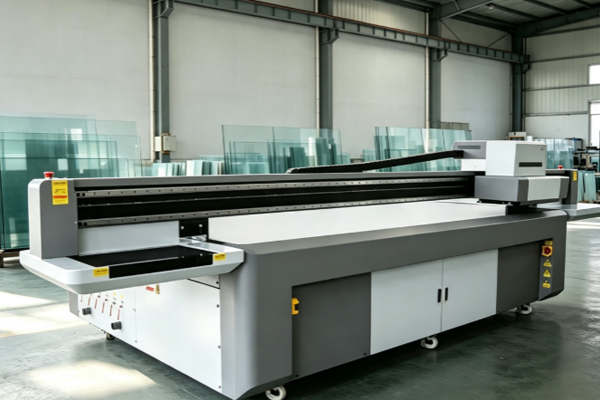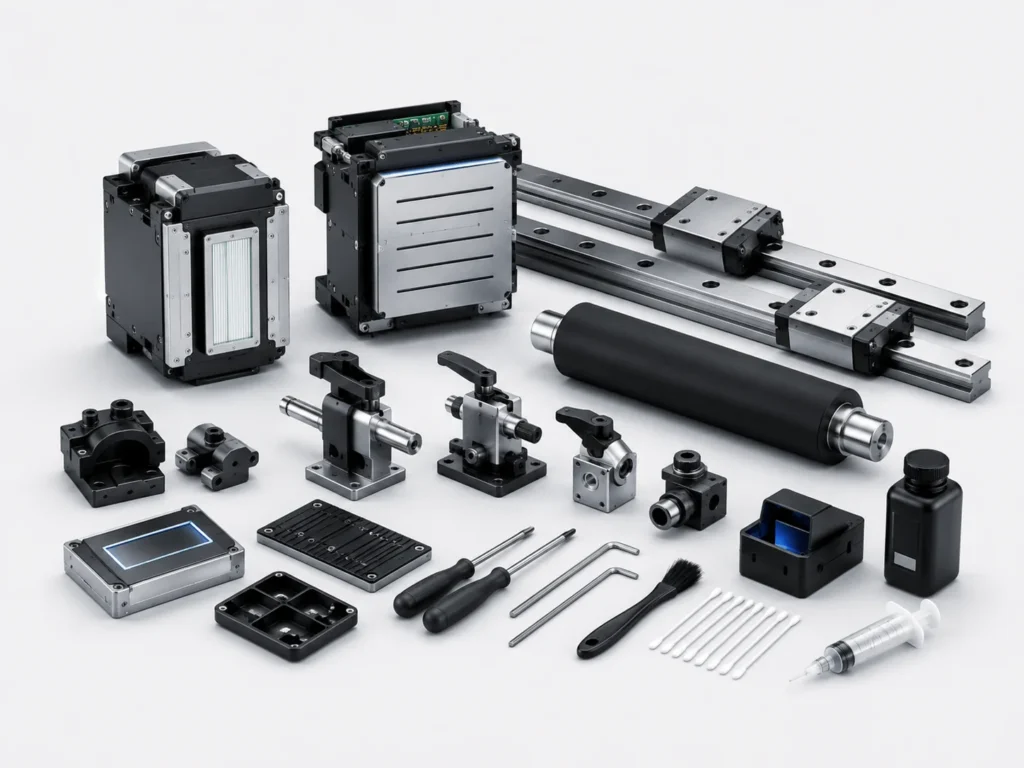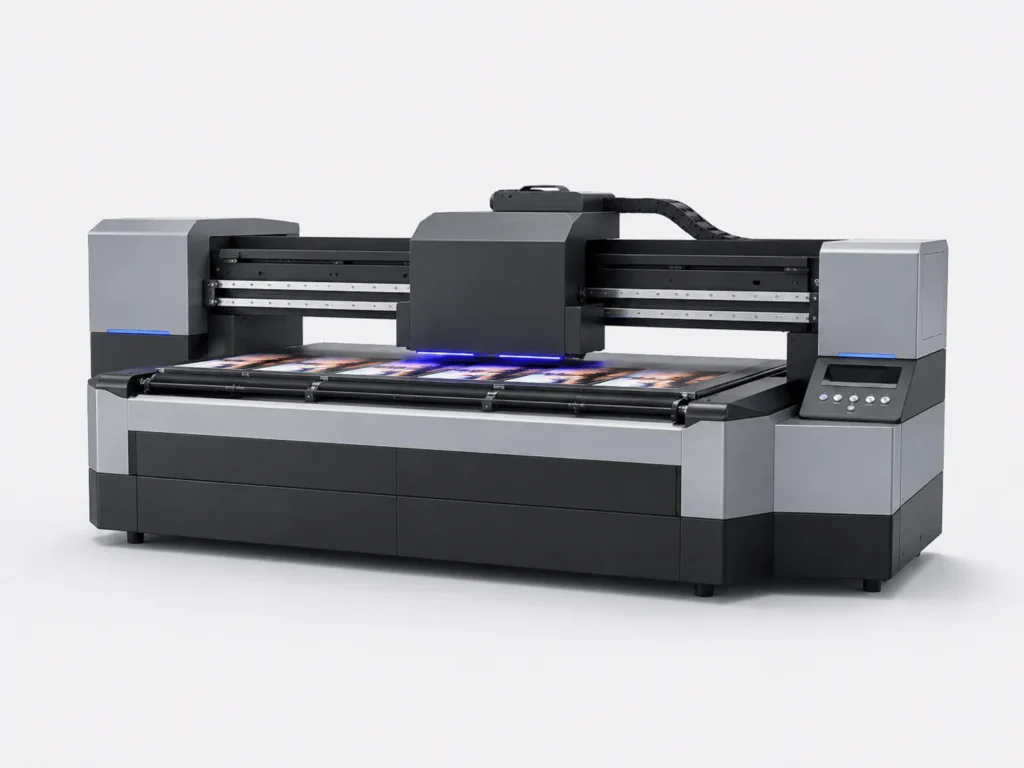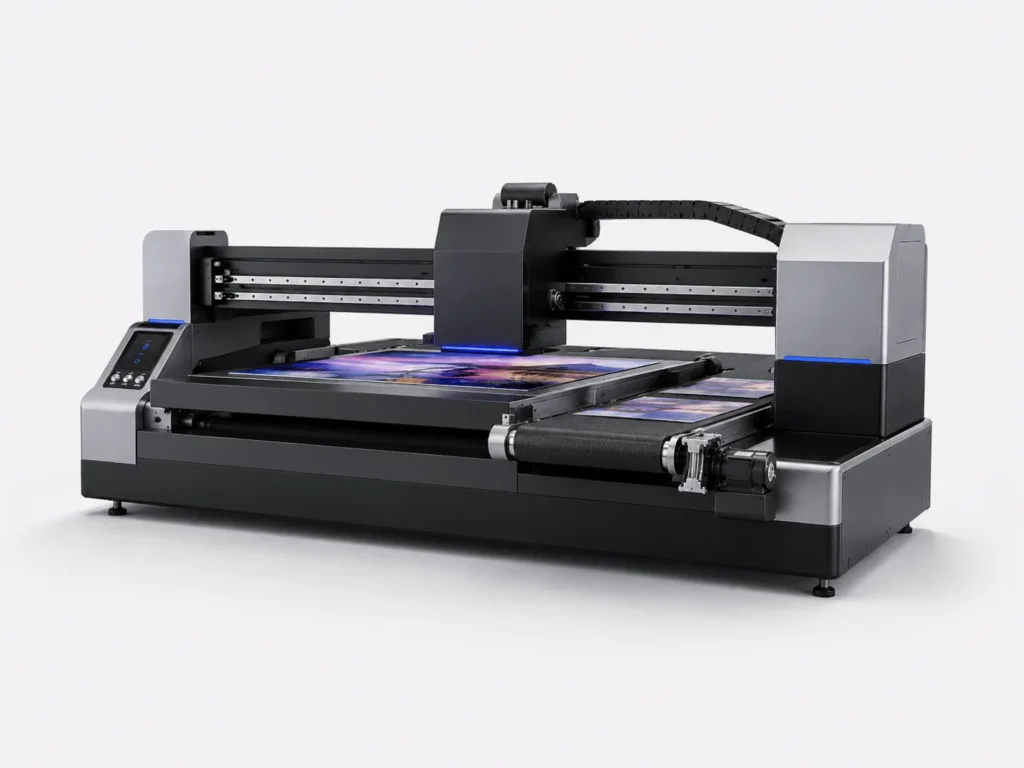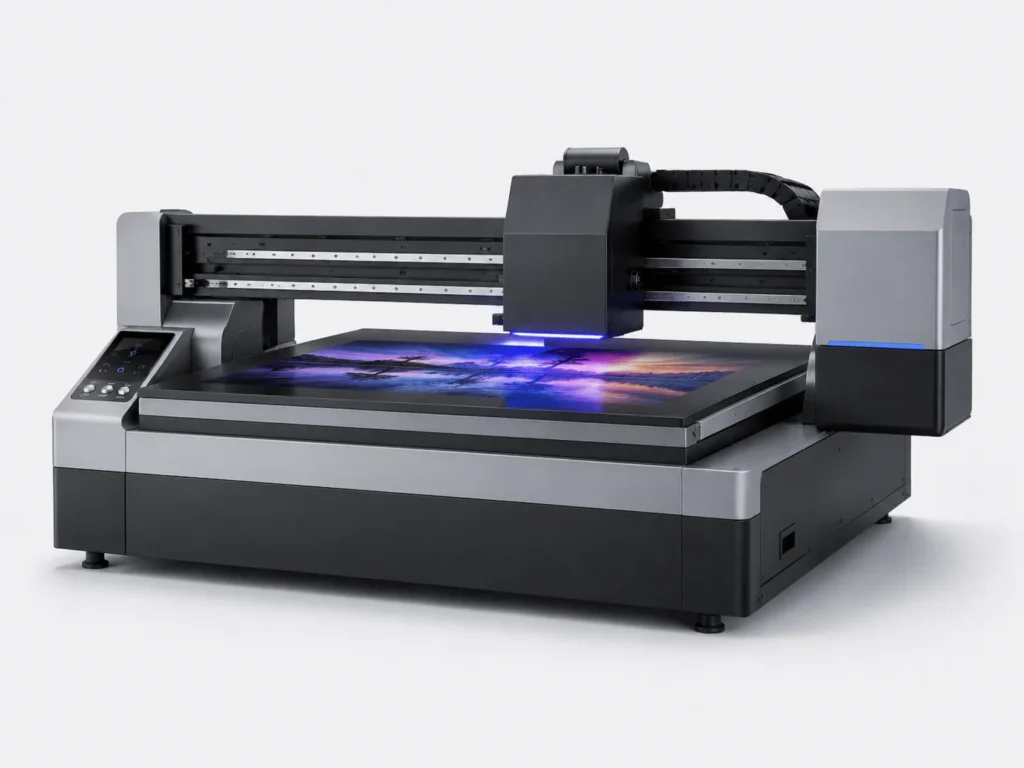
As industrial digitalization continues to advance, manufacturers are placing greater emphasis on production efficiency and delivery speed. For industries such as packaging printing, advertising signage, building decoration, furniture manufacturing, and industrial processing, continuous production has become an essential strategy for improving competitiveness. Single Pass printers utilize a combination of fixed printhead arrays and continuous material transport, allowing substrates to pass through the printing area only once while the complete image is printed in a single operation. Supported by automated control systems, precision conveyor platforms, industrial-grade printheads, and intelligent production software, Single Pass printers can operate continuously for extended periods, meeting the demands of high-volume manufacturing while supporting customized production with outstanding efficiency.
Single Pass Printing Technology Enables Continuous Production
The foundation of continuous production is minimizing unnecessary machine movement and production interruptions. Conventional printing systems often require multiple scanning passes to complete a single image, reducing overall productivity. Single Pass printers arrange industrial printheads across the full printing width so the entire image is printed as the substrate moves beneath the printhead array only once. This printing method dramatically increases production capacity while reducing mechanical movement and equipment wear. Continuous material transport also creates a smooth production rhythm, allowing different product sizes and artwork files to be processed with minimal setup time. Manufacturers can quickly switch between various production orders while maintaining consistent output quality, making Single Pass technology an ideal solution for modern factories that require uninterrupted, high-speed manufacturing and shorter delivery times.
Automatic Conveyor Systems Ensure Stable Continuous Operation
High printing speed alone cannot achieve continuous production without a reliable material handling system. Single Pass printers are equipped with precision conveyor platforms that automatically feed substrates into the printing area while maintaining accurate positioning and consistent transport speed. Throughout the printing process, the conveyor system minimizes vibration, material deviation, and positioning errors, ensuring excellent print consistency across every product. Whether processing corrugated cardboard, PVC sheets, acrylic panels, wooden boards, or other rigid materials, the conveyor system can adjust operating parameters according to the characteristics of each substrate. Automated feeding significantly reduces manual handling while allowing the production line to operate continuously for extended periods, improving manufacturing efficiency and supporting intelligent factory automation.
Intelligent Control Systems Improve Continuous Production Efficiency
Modern Single Pass printers incorporate advanced control software that manages the complete digital printing workflow from job preparation to final production. After production files are imported into the system, the software automatically processes image data, controls color management, configures printing parameters, and coordinates printhead operation throughout the production cycle. During continuous manufacturing, different print jobs can be switched automatically without frequent operator intervention, greatly improving operational efficiency. Intelligent systems also monitor printhead performance, ink circulation, temperature control, and automatic cleaning functions to maintain stable ink delivery while reducing the risk of nozzle blockage, missing nozzles, or color inconsistency. Production data can be collected continuously, enabling manufacturers to analyze equipment performance, optimize workflows, and maximize machine utilization for long-term productivity.
Typical Applications of Continuous Production with Single Pass Printers
Continuous production capabilities allow Single Pass printers to become an essential part of many industrial manufacturing environments, supporting efficient, large-scale production across various industries.
Typical applications include:
- Packaging Printing Lines:Corrugated cartons, retail packaging, display boxes, and shipping cartons require uninterrupted high-volume production. Single Pass printers can integrate with automatic feeding, slotting, die-cutting, and packaging equipment to establish highly efficient production lines.
- Advertising Signage Manufacturing:Shopping mall signs, retail displays, corporate branding panels, directional signage, and outdoor advertising boards often require rapid production schedules. Continuous printing enables manufacturers to complete large quantities of products efficiently while maintaining consistent quality.
- Building Materials and Decorative Products:Wood veneer panels, ceramic tiles, glass, metal sheets, and sintered stone can be printed continuously before moving directly to lamination, cutting, or installation processes, reducing overall manufacturing time.
- Furniture Manufacturing:Cabinet doors, furniture panels, decorative boards, and customized home furnishings can be printed with wood grain, marble textures, and artistic graphics while supporting both mass production and personalized manufacturing.
- Industrial Product Manufacturing:Electronic device housings, plastic components, metal parts, industrial identification plates, and machinery panels can move through automated production lines for continuous decoration and branding before inspection and packaging.
Continuous production improves manufacturing efficiency while enabling companies to meet tight delivery schedules and large-scale production requirements with greater consistency and operational flexibility.
Automation Integration Drives the Future of Continuous Single Pass Printing
As intelligent manufacturing technologies continue to evolve, Single Pass printers are becoming fully integrated components within automated production lines rather than operating as standalone machines. Automatic loading equipment supplies materials continuously, vision positioning systems ensure accurate alignment, robotic handling systems transport finished products, online inspection systems monitor print quality in real time, and automated packaging equipment completes the production workflow. These interconnected systems create a seamless manufacturing environment that improves efficiency while reducing manual labor. Manufacturers can also integrate Single Pass printers with MES and ERP management systems to monitor production schedules, equipment status, order progress, and material consumption through centralized digital management. As industrial automation advances, Single Pass printing technology will continue to support smarter, faster, and more reliable manufacturing, helping businesses increase production capacity, improve product quality, and strengthen their competitive position in global markets.