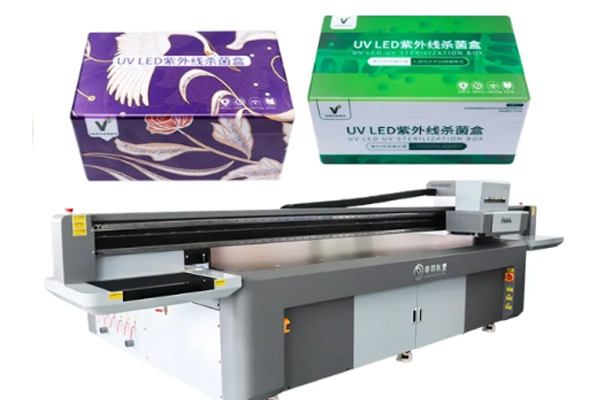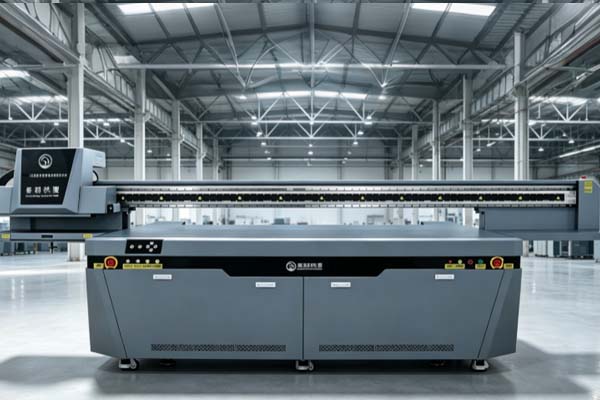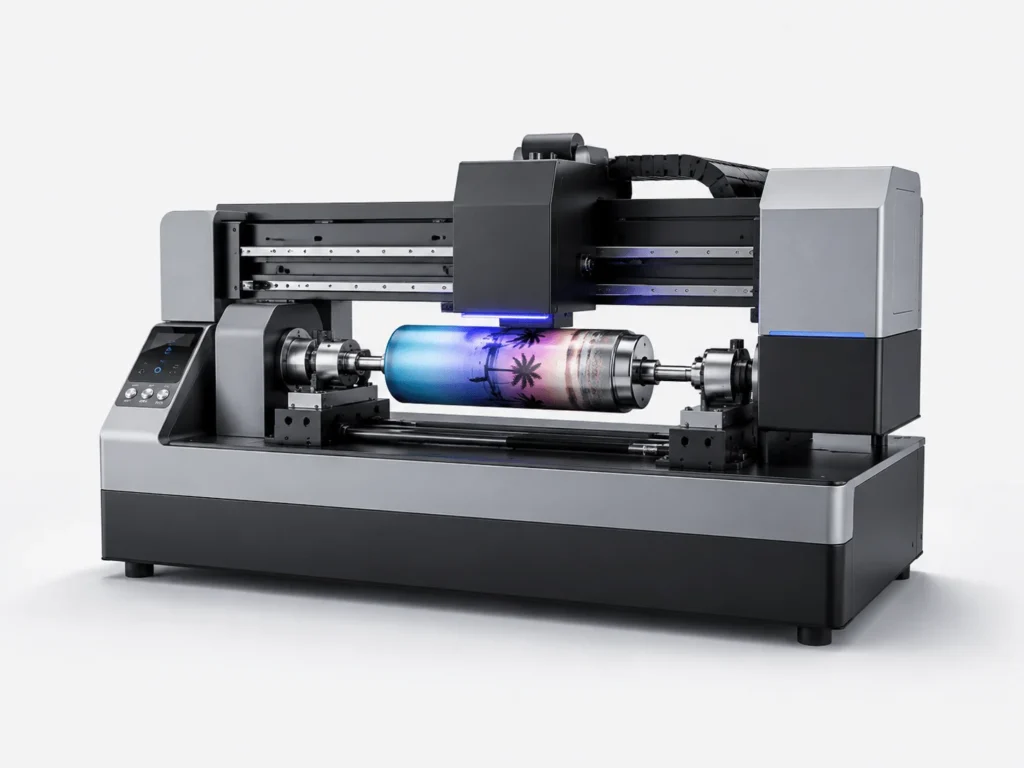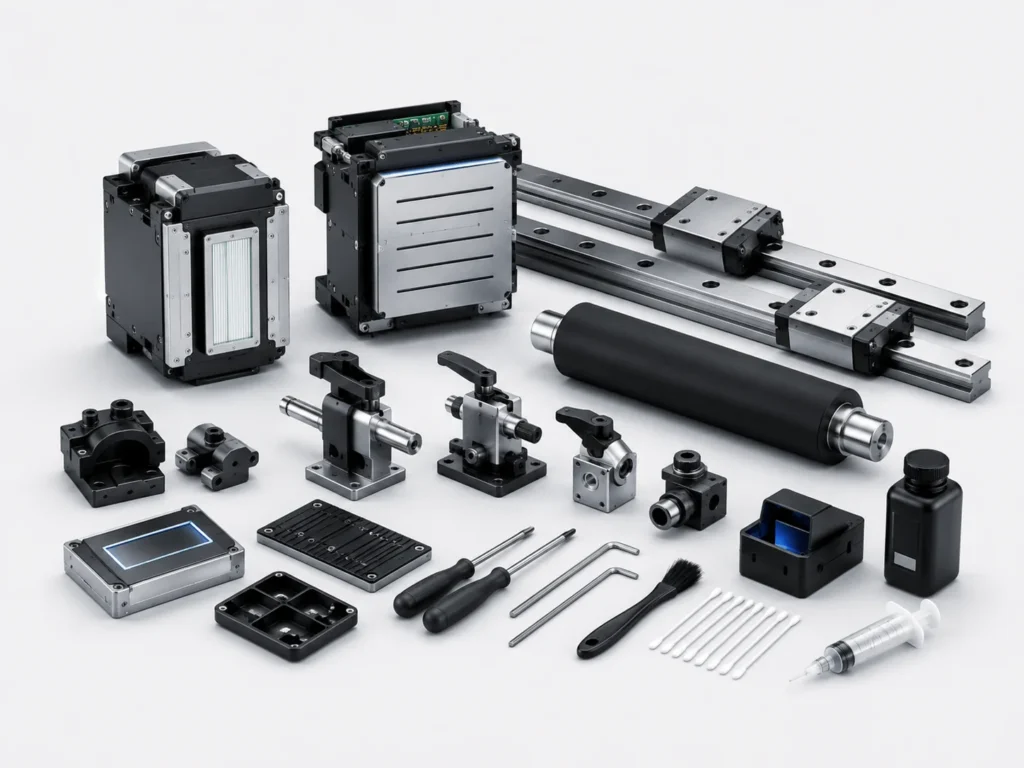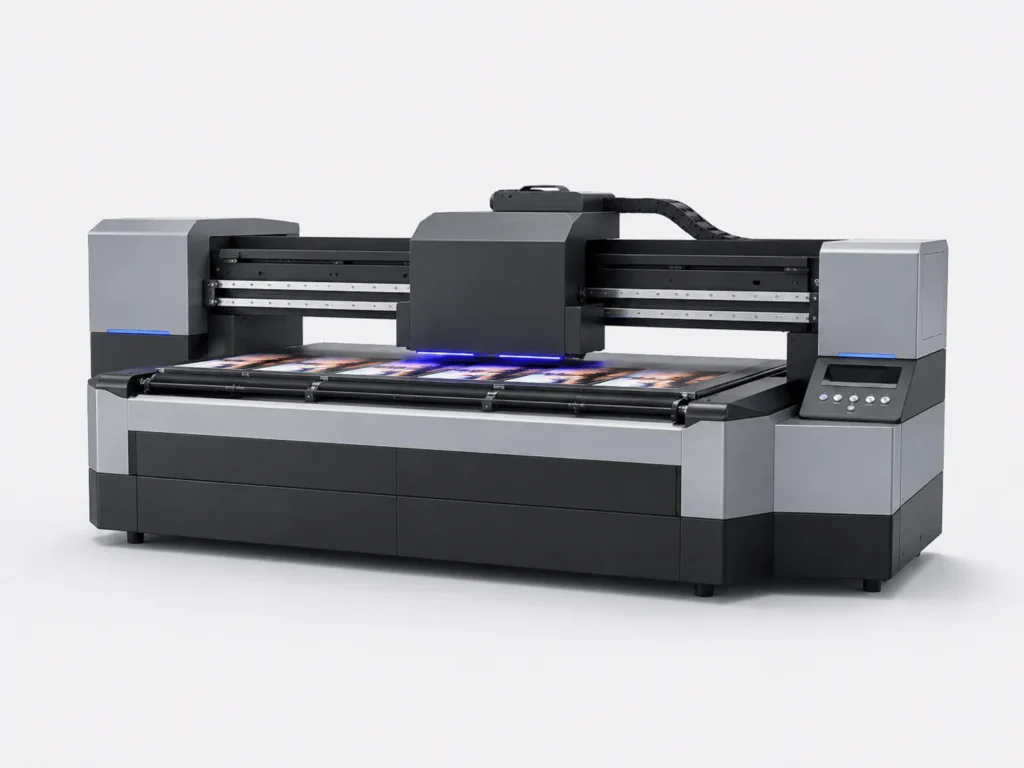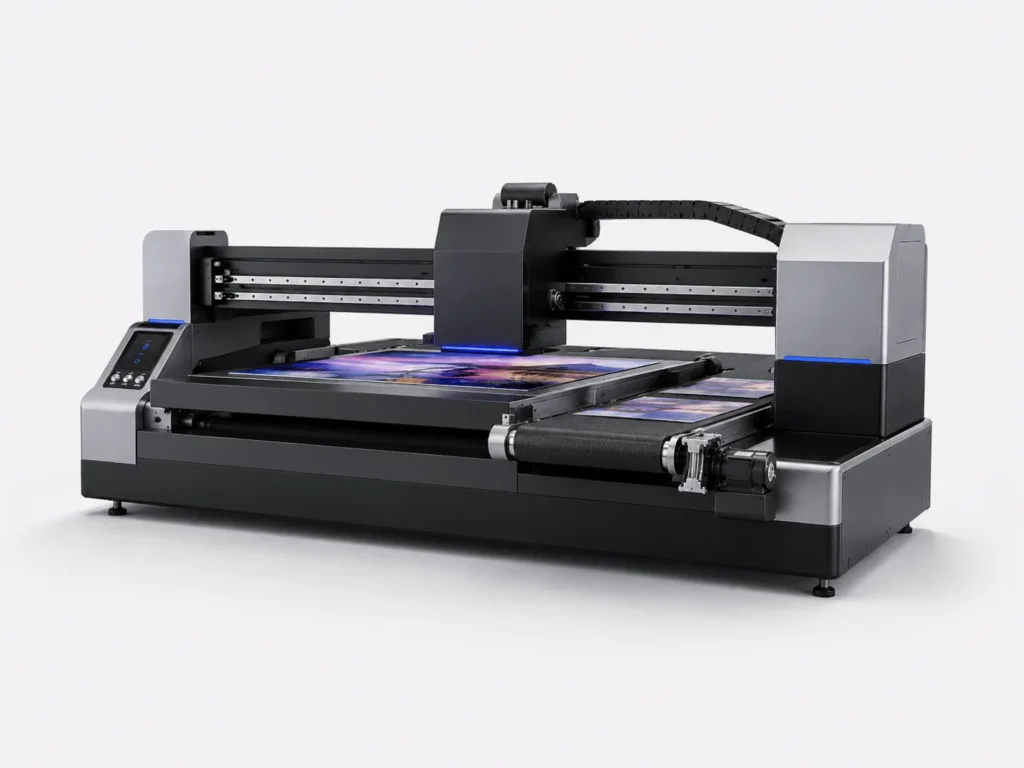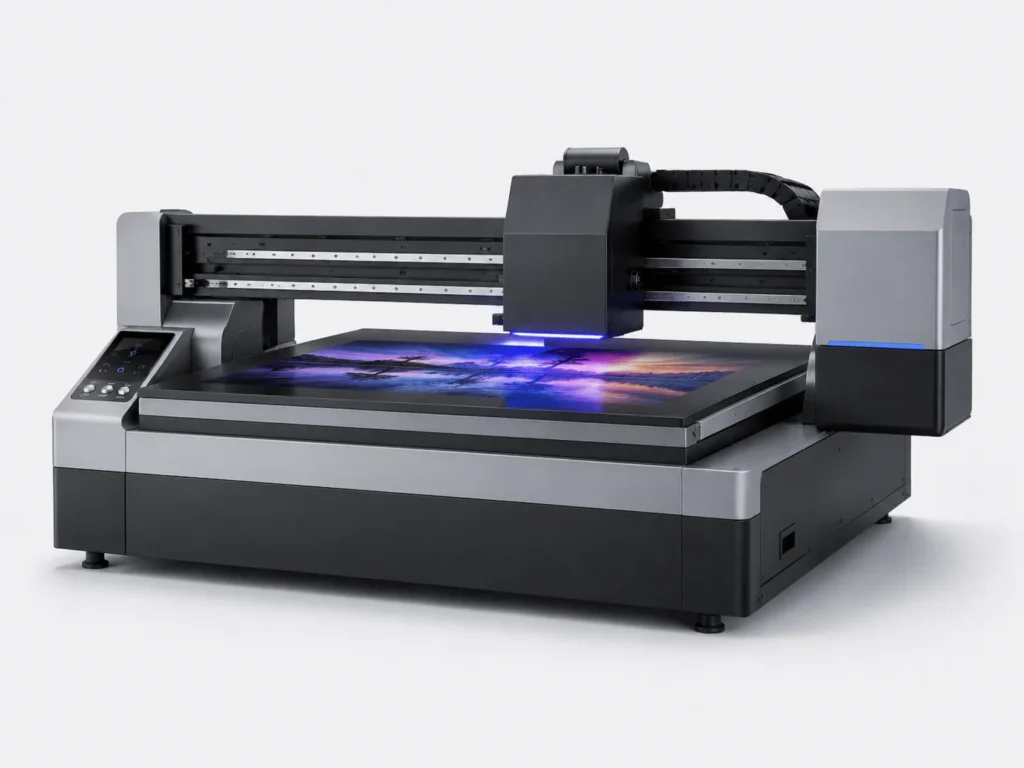
Single Pass printers are widely used in packaging printing, advertising signage, building decoration, furniture manufacturing, and industrial production because of their high-speed continuous printing, advanced automation, and reliable performance. After extended periods of operation, insufficient maintenance can lead to unstable ink output, declining print quality, mechanical wear, and reduced production efficiency. Establishing a routine maintenance program helps extend equipment lifespan, maintain consistent printing performance, minimize unexpected downtime, and improve overall productivity. Proper maintenance practices also reduce repair costs and keep Single Pass printers operating at peak performance throughout long production cycles.
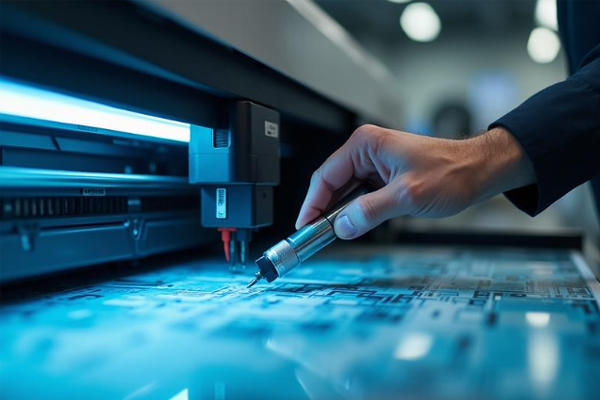
Keeping the Printheads Clean Is the Most Important Maintenance Task
The printhead is one of the most critical components of a Single Pass printer because it directly affects print quality and production stability. After each production shift, operators should perform the recommended printhead cleaning procedure to remove residual ink and fine contaminants from the nozzle surface, preventing dried ink from causing nozzle blockages. For printers that remain idle for extended periods, automatic moisturizing or nozzle protection functions should be activated regularly to keep the nozzles in optimal condition. Before every production run, a nozzle check should be performed to confirm that every nozzle is firing correctly. If missing nozzles, uneven ink output, or color inconsistencies are detected, the cleaning or maintenance procedure should be completed before production begins. Consistent printhead maintenance ensures sharp image quality, stable color performance, and a longer printhead service life while reducing replacement costs.
Regular Mechanical Inspection Ensures Stable Operation
Single Pass printers rely on conveyor systems, transmission components, and positioning mechanisms to achieve high-speed continuous production. These mechanical components require regular inspection to maintain stable operation. Operators should frequently examine conveyor belts for proper alignment, inspect rollers for wear, clean guide rails, and verify that moving components operate smoothly without excessive vibration. Lubrication should be applied to designated mechanical parts according to the manufacturer’s maintenance schedule to reduce friction and component wear. Fasteners, mounting brackets, and structural connections should also be inspected periodically to prevent loosening caused by continuous machine vibration. Well-maintained mechanical systems improve positioning accuracy, maintain consistent print quality across production batches, and reduce downtime caused by mechanical failures.
Maintain the Ink Delivery System for Reliable Printing
A stable ink supply system is essential for uninterrupted Single Pass printing. Air bubbles, contaminants, or ink sediment inside the ink circulation system can negatively affect printing consistency. During routine maintenance, operators should inspect ink cartridges, ink tubes, filters, and all ink supply connections to ensure proper sealing and prevent ink leakage or air entry. Ink that has been stored for an extended period should also be checked to confirm it remains suitable for production. During continuous printing, the ink pressure should be monitored to ensure a steady and uniform ink supply to every printhead. Maintaining a clean ink circulation system minimizes the risk of nozzle clogging, improves color consistency, and reduces equipment failures, helping maintain reliable long-term production performance.
Recommended Daily Maintenance Tasks for Single Pass Printers
A structured maintenance schedule helps manufacturers improve equipment reliability while maximizing production efficiency and reducing unexpected downtime.
Recommended maintenance tasks include:
- Daily Startup Inspection:Check the overall condition of the printer, verify printhead status, inspect the ink delivery system, examine the conveyor platform, confirm control system operation, and perform a nozzle test before beginning production.
- Daily End-of-Shift Maintenance:Clean the printhead area, remove dust from machine surfaces, clear debris from the conveyor platform, and perform the automatic cleaning cycle to prepare the printer for the next production shift.
- Weekly Equipment Inspection:Examine guide rails, rollers, conveyor belts, and transmission systems for wear or abnormal operation. Inspect mounting hardware and ensure all mechanical components remain secure and properly aligned.
- Monthly System Maintenance:Perform comprehensive inspections of the ink circulation system, filters, ink supply components, electrical wiring, cooling systems, and other critical assemblies. Replace worn components when necessary to maintain long-term reliability.
- Maintain Detailed Service Records:Record every maintenance activity, including inspection dates, completed tasks, identified issues, and corrective actions. Maintenance records help monitor equipment condition and support better long-term maintenance planning.
A standardized maintenance program enables businesses to detect potential problems early, reduce unexpected equipment failures, and maintain stable production efficiency throughout the printer’s service life.
A Comprehensive Maintenance Program Extends Equipment Lifespan
In addition to daily cleaning and scheduled inspections, manufacturers should establish a comprehensive maintenance management system that integrates routine servicing into normal production planning. Assigning dedicated personnel to equipment inspection, preventive maintenance, and operational record keeping helps ensure consistent maintenance quality across the organization. Standardized maintenance procedures allow every operator to follow the same service practices, improving overall equipment reliability. Intelligent monitoring systems can further enhance maintenance by tracking printhead performance, machine temperature, operating hours, and production data in real time, allowing maintenance teams to identify abnormal conditions before they develop into major equipment failures. As digital manufacturing continues to expand, effective maintenance management not only improves the reliability of Single Pass printers but also enhances production efficiency across packaging, advertising, building decoration, furniture manufacturing, and other industrial printing applications.