With the continuous development of industrial digital printing technology, UV printing equipment has been widely used in packaging, advertising, decorative building materials, furniture, electronics, and personalized customization industries. UV printers on the market are mainly divided into two types: UV single-pass printers and regular UV printers. Although both use UV ink printing and LED curing technology, their working modes, production efficiency, application positioning, and equipment structure differ significantly. Understanding the differences between the two types of equipment helps companies choose a more suitable printing solution based on their product characteristics, improving production efficiency and product competitiveness.
Significant Differences in Working Principles
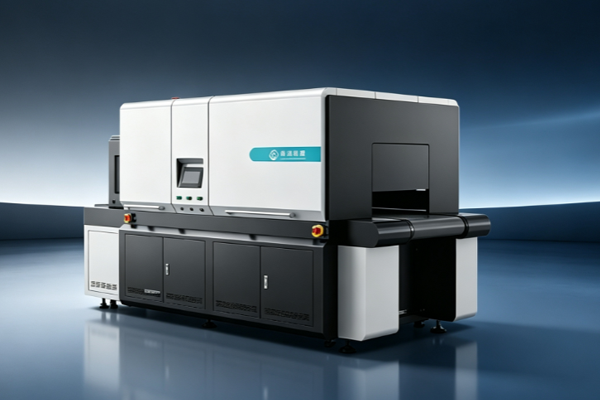
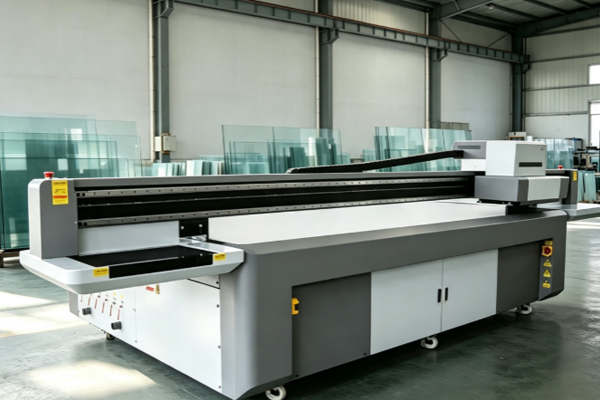
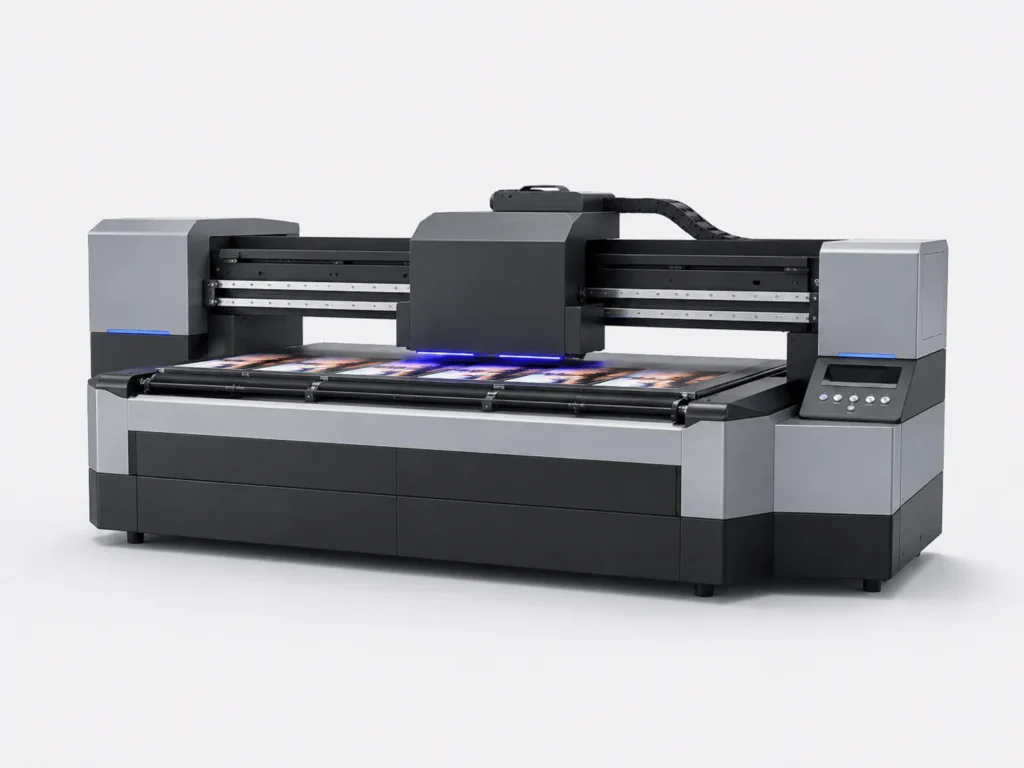
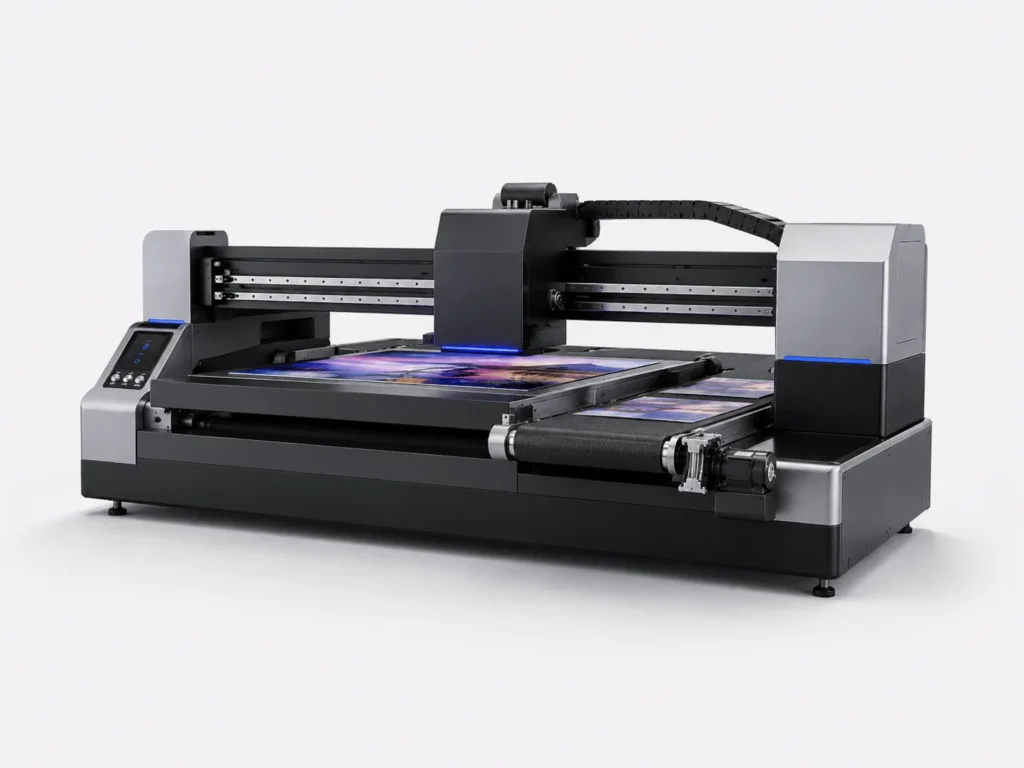
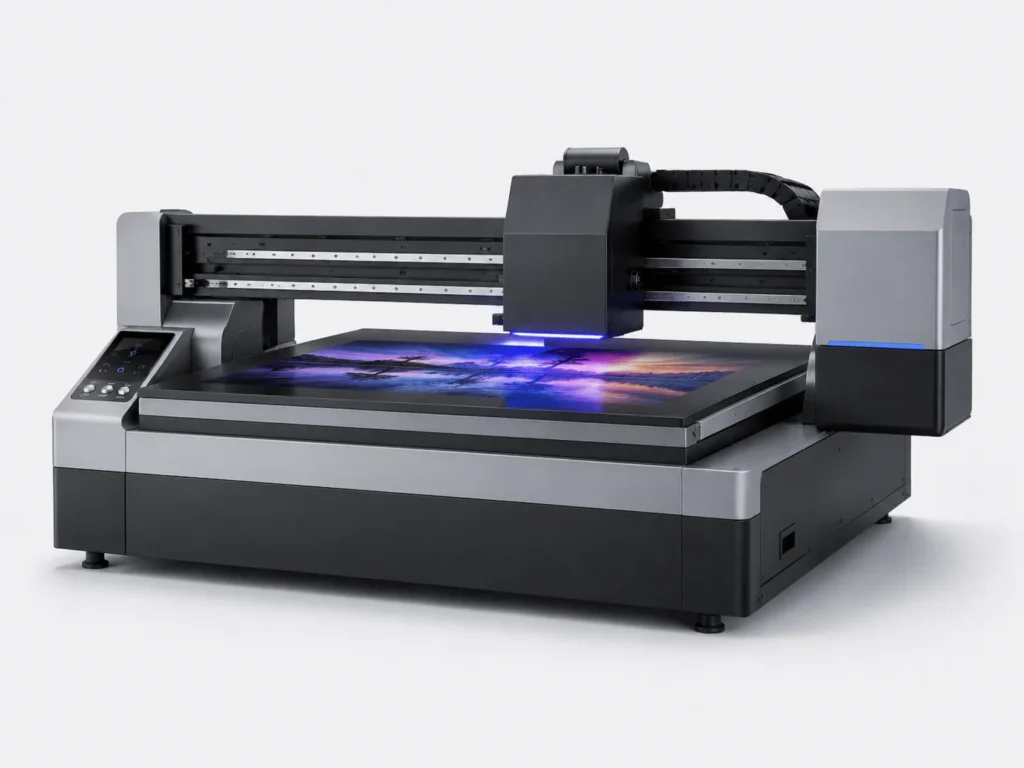
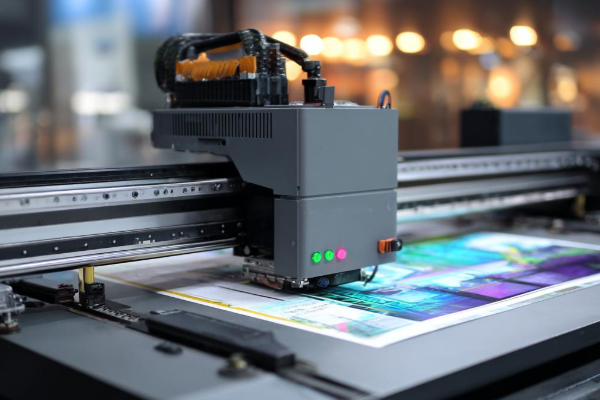
The biggest difference between UV single-pass printers and regular UV printers lies in their printing method. Regular UV printers use a print carriage that moves back and forth to complete the pattern output, moving to the next line after each line is printed until the entire image is complete. UV single-pass printers, on the other hand, use a fixed printhead array design. The entire image is printed in one go as the material passes through the conveyor platform, eliminating the need for repeated movement of the print carriage. This continuous working method significantly improves production efficiency and is more suitable for long-term continuous operation on industrial production lines.
Comparison of Working Modes of the Two Types of Equipment
Different working principles lead to completely different production modes.
- Ordinary UV printers use a scanning printing method.
- UV single-pass printers use a one-pass printing method.
- Ordinary equipment relies on the reciprocating movement of the printing carriage.
- Single-pass equipment uses a fixed printhead for continuous printing.
- Single-pass equipment can maintain high-speed and stable production.
- Ordinary equipment is more suitable for small to medium batch processing.
Different working modes determine the differences in efficiency, accuracy, and application direction of the equipment. Enterprises can choose according to their actual production needs.
Differences in Production Efficiency and Capacity
Production efficiency is a key indicator that enterprises focus on when purchasing equipment. Ordinary UV printers can meet the needs of advertising production, small-batch customization, and sample production. They are flexible in operation when switching products and are suitable for processing modes with a large variety of orders. UV single-pass printers are more suitable for continuous, large-scale production. During equipment operation, the material continuously advances, and printing is almost uninterrupted. They can easily meet the large-scale manufacturing needs of products such as cartons, packaging boards, and decorative panels. For companies with high daily production requirements, single-pass printing equipment can effectively shorten delivery cycles and improve overall production capacity.
Efficiency Advantages of UV Single-Pass Printers
High-speed production is mainly reflected in the following aspects:
- Continuous printing reduces waiting time.
- No need for frequent back-and-forth scanning.
- Faster completion speed for large-volume orders.
- Suitable for 24-hour continuous production.
- Can be connected to automated production lines.
- Significantly increased output per unit time.
For companies pursuing high production capacity, high efficiency means being able to handle more orders while reducing unit product processing costs.
Different Application Scenarios
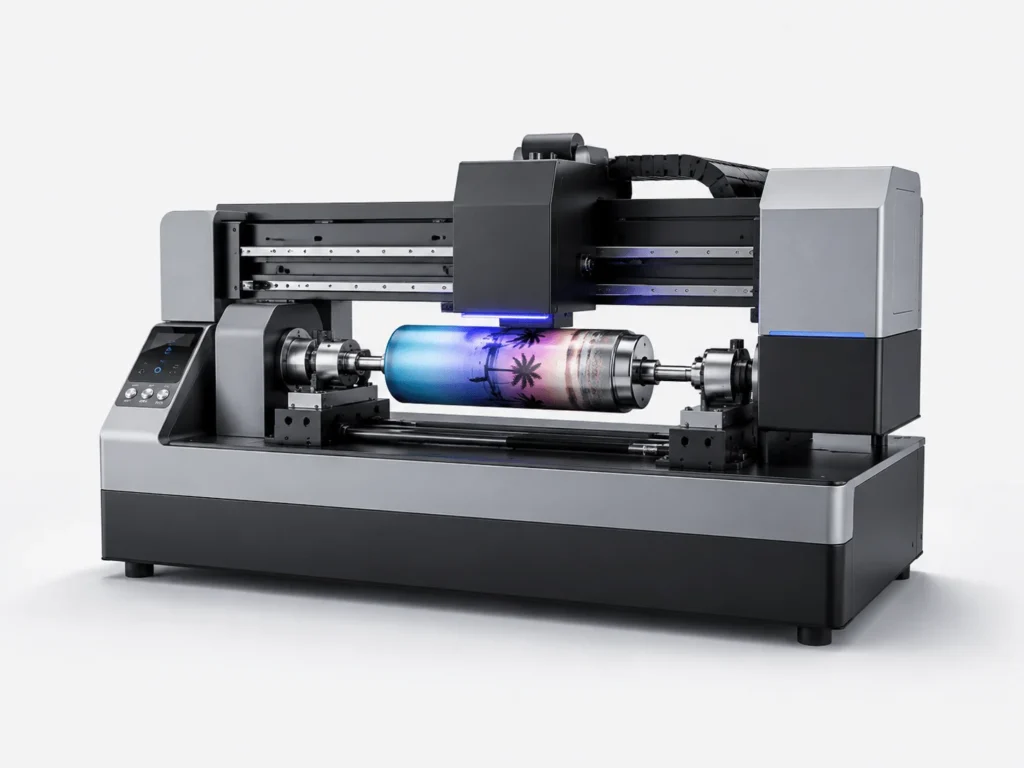
Although both types of equipment belong to UV printing equipment, their applicable industries are not entirely the same. Ordinary UV printers are suitable for products such as advertising signs, mobile phone cases, gifts, handicrafts, acrylic products, and glass decorative paintings, and are suitable for products with frequently changing patterns, small-batch production, and personalized processing. UV single-pass printers are more commonly used in corrugated boxes, packaging cardboard, wood panels, PVC boards, furniture boards, decorative materials, and industrial packaging. They can meet the requirements of continuous, high-volume production while maintaining stable image quality. Choosing equipment based on product size, order quantity, and production process makes it easier to leverage the equipment’s performance advantages.
Different Equipment Structures and Maintenance Methods
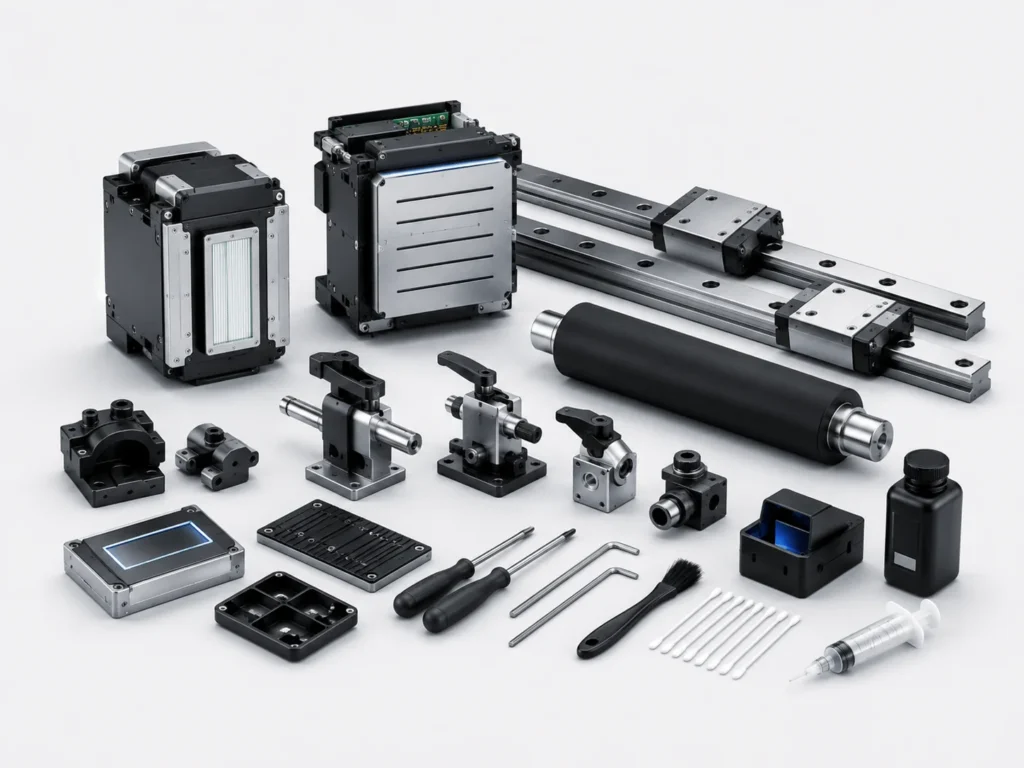
The equipment structure directly affects the efficiency of later maintenance and long-term operational stability. Ordinary UV printers have a relatively simple structure, small footprint, flexible installation, and relatively low maintenance costs. UV single-pass printers, due to their industrial-grade printhead arrays, high-speed conveyor platforms, intelligent ink supply systems, and automatic detection devices, have a more complete overall configuration and are more suitable for long-term continuous operation. To ensure stable image quality under high-speed printing conditions, single-pass equipment is usually equipped with automatic cleaning, automatic moisturizing, constant temperature ink supply, automatic deviation correction, and online detection functions, which help reduce manual maintenance and improve equipment utilization.
What Industrial Configurations Does a Single-Pass Printer Have?
Industrial design typically includes the following components:
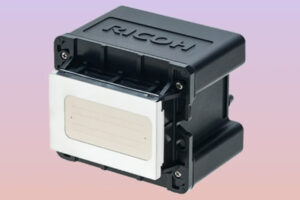
- High-density industrial printhead array.
- Intelligent ink supply circulation system.
- High-precision conveying platform.
- Automatic positioning and detection module.
- LED rapid curing system.
- Intelligent control software platform.
These configurations collectively ensure the equipment can operate stably for extended periods, creating continuous production capacity for the enterprise.
How to Select the Right Equipment Based on Production Needs
Equipment selection should be based on the enterprise’s product type, order quantity, production rhythm, and future development plans. If the enterprise mainly produces advertising products, craft gifts, and personalized customized products, ordinary UV printers can meet flexible processing needs with relatively low investment costs. If the enterprise produces packaging cartons, decorative boards, furniture materials, or industrial printed products, UV single-pass printers, with their high-speed production, high degree of automation, and stable continuous operation, are more suitable for industrial manufacturing environments. With the continuous upgrading of digital printing, more and more enterprises are adopting single-pass printing technology to improve production efficiency, reduce labor input, and meet the market demand for high-quality, high-capacity products. Configuring suitable equipment based on actual production plans will help enterprises achieve a more stable and efficient production experience and enhance their market competitiveness.