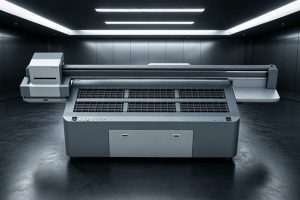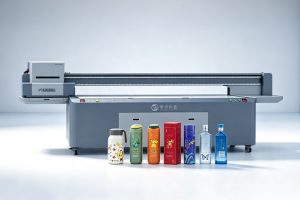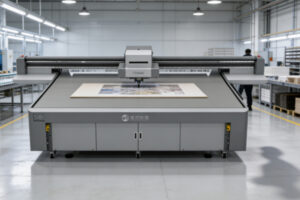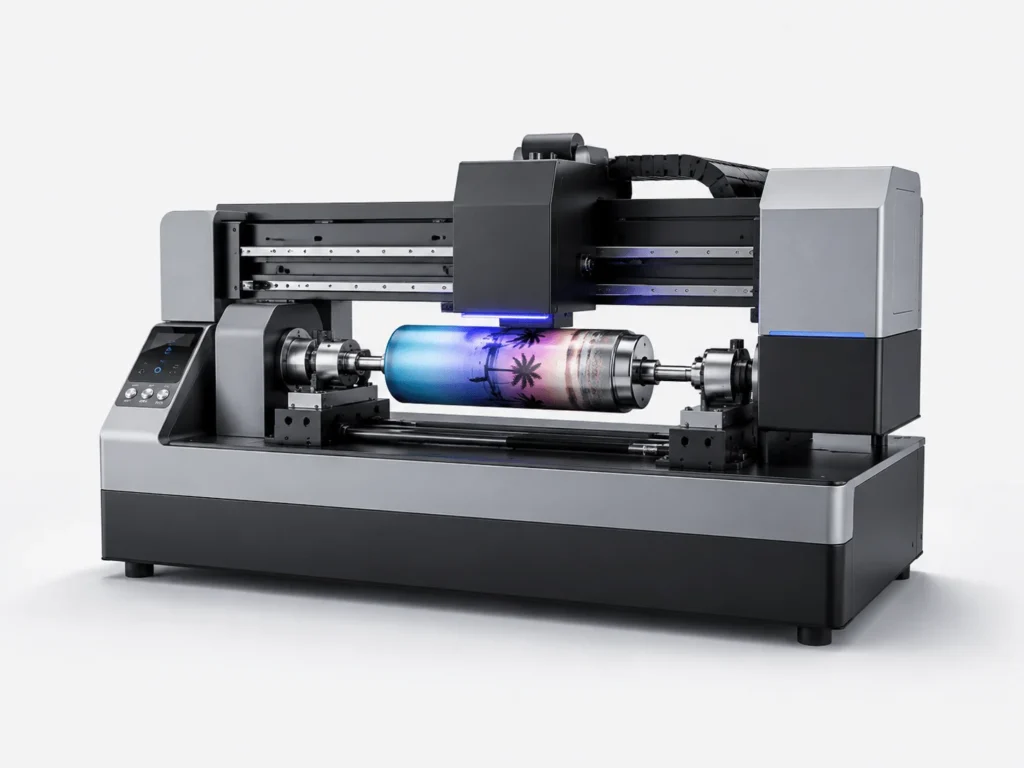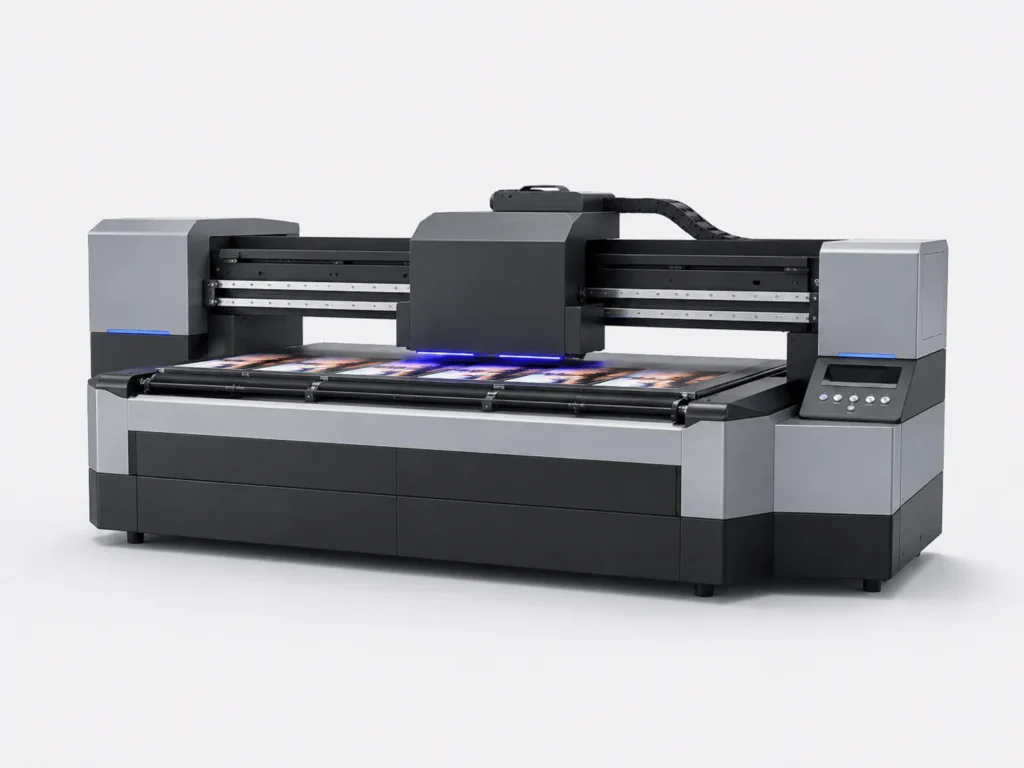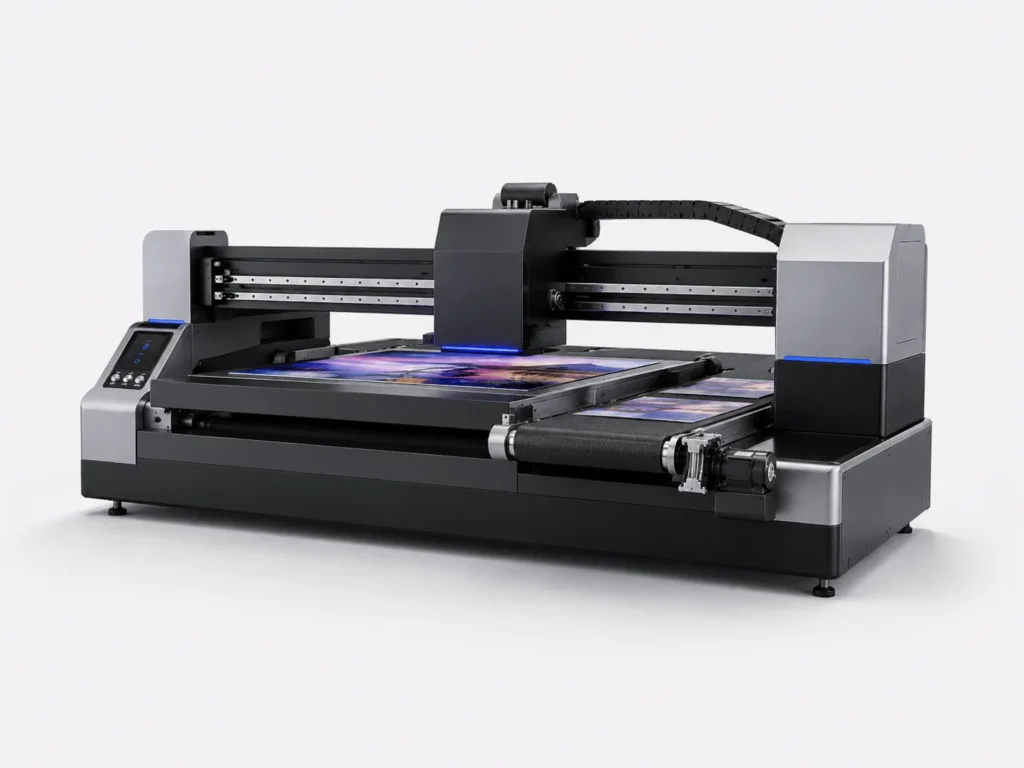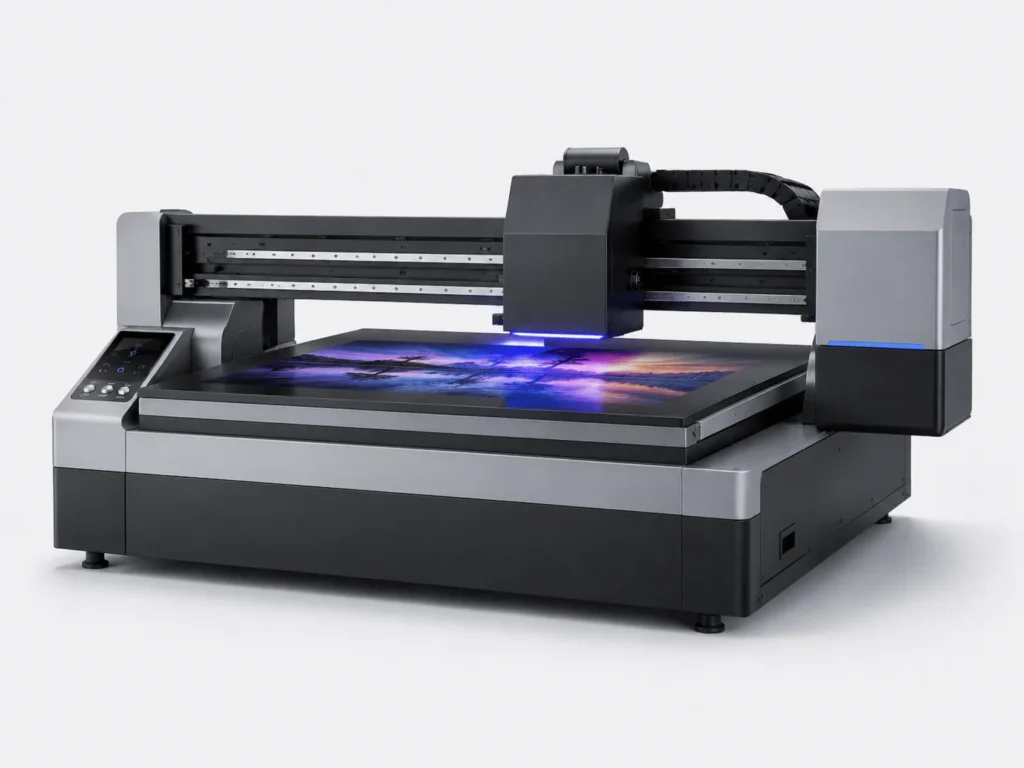
As an important accessory in consumer electronics, phone cases have maintained strong market demand. From ordinary plastic cases to silicone cases, and even metal and composite material cases, personalized patterns and custom designs have gradually become the mainstream consumption trend. In the past, phone case production mainly relied on film lamination, screen printing, or heat transfer processes. However, these methods have certain limitations in small-batch customization and multi-design production, such as high plate-making costs, slow pattern updates, and limited color gradation.With the gradual maturity of UV flatbed printing technology, more and more processing factories are trying to apply it to phone case production. UV printing can directly output full-color images on various material surfaces without complex plate-making processes, and it supports photo-level images, gradient effects, and personalized designs. Therefore, it has strong adaptability in the phone case customization field.
Adaptability of UV Printing for Phone Cases
Material Determines Printing Stability
In phone case printing applications, material is one of the key factors determining final product quality. Different materials have different absorption capabilities for UV ink. If the wrong material is selected, even with high-end equipment, ink peeling or color instability may still occur.
Common phone case materials include:
● TPU soft rubber phone cases
● PC hard cases
● ABS plastic cases
● Composite protective cases
In actual production, PC and ABS materials are relatively easier to process, as their surface structure is stable and UV ink adhesion performance is good. TPU soft rubber cases have good flexibility but relatively smooth surfaces, so a primer is usually required to ensure adhesion. Many manufacturers overlook this in the early stage, which often leads to rework later.
UV Printing Supports Personalized Pattern Production
The phone case industry changes rapidly, with new design trends and market styles emerging every day. Therefore, production methods must be highly flexible. The biggest advantage of UV flatbed printers is that they do not require plate-making and can directly output designs, making them ideal for fast-changing products.
In actual use, it can achieve:
● Single-piece custom production
● Multi-design mixed printing
● Quick image replacement
● Personalized design output
Many e-commerce sellers use this feature to run phone case customization businesses. Users upload photos or select templates, and finished products can be produced directly. This model is almost impossible to achieve with traditional screen printing.
Printing Resolution Meets Phone Case Requirements
Phone cases are close-contact products, and users frequently view the designs in their hands, so high clarity is required. If the image is blurry or edges are unclear, it directly affects product sales. Modern industrial UV flatbed printers can provide high-resolution output, accurately reproducing small text, fine lines, and gradient effects.
Phone Case Printing Process and Equipment Requirements
Surface Treatment Before Printing
Many beginners assume that phone cases can be printed directly once placed on the machine, but this is not the case. Surface treatment is one of the key steps affecting final quality.
Before printing, the following steps are usually required:
● Cleaning surface oil stains
● Removing dust and impurities
● Applying primer to enhance adhesion
● Controlling static electricity effects
If these steps are not properly handled, issues such as partial ink peeling or uneven color may occur. Glossy phone cases, in particular, require even higher surface preparation standards.
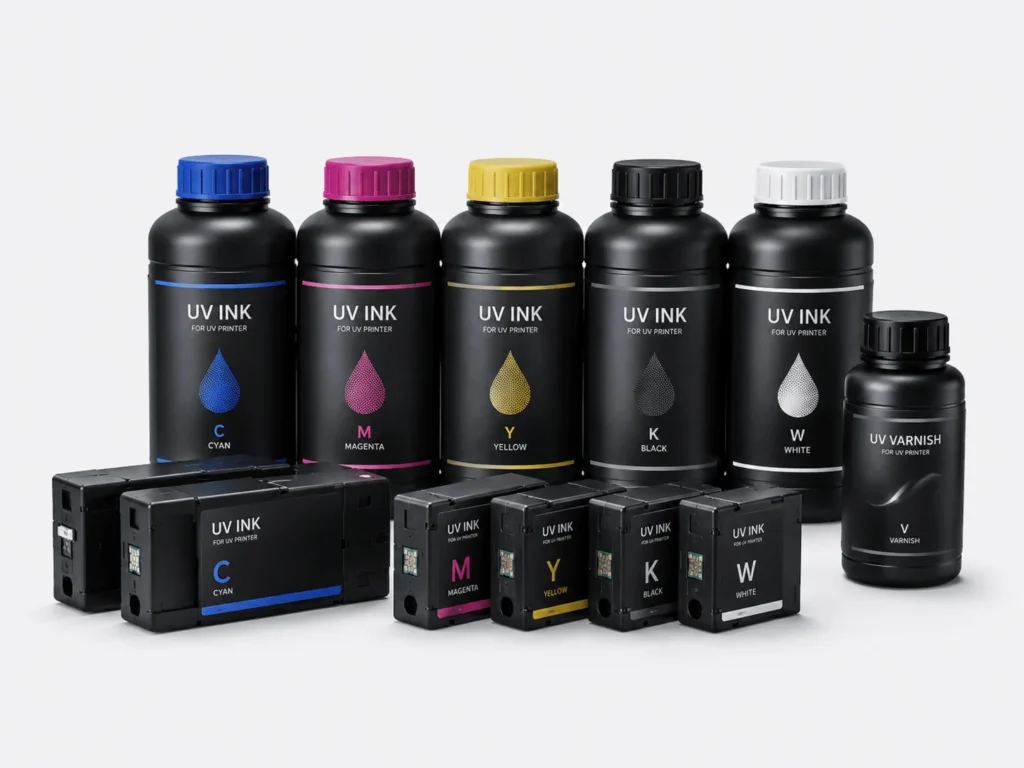
White Ink System Improves Image Performance
Phone cases come in many colors, including transparent, black, and light-colored versions. Without a white ink system, many colors will appear unclear on dark substrates.
White ink plays an important role in phone case printing:
● Enhances image contrast
● Improves color vibrancy
● Enables printing on transparent cases
● Ensures image integrity
Many best-selling phone cases on e-commerce platforms are actually produced using a white ink base layer followed by color printing.
Batch Production Efficiency Considerations
Phone case orders are usually not large single batches but rather multi-style, small-batch combinations, which requires high equipment flexibility.
During production, the equipment should support:
● Fast image switching
● Multi-design layout capability
● Stable continuous output
● Multi-piece simultaneous printing
If equipment efficiency is low, it will directly affect delivery speed. Therefore, equipment selection must align with business models.
Practical Value of UV Printing for Phone Cases
Strong Demand in E-commerce Customization Market
Many e-commerce platforms now support personalized customization services, and phone cases are one of the most popular categories. Users can upload photos, text, or select templates to create personalized products.
Advantages of UV printing include:
● No minimum order quantity
● Fast production
● Controllable cost
● Free design customization
This model is especially suitable for startups or small processing factories.
Brand Merchandise Production
Many brands use phone cases as merchandise for promotion, such as anime IPs, celebrity merchandise, and corporate branding products. UV printing allows fast image conversion without complex mold development, making it ideal for rapidly iterating products.
Gift Industry Applications
Phone cases are also commonly used as gifts, such as birthday presents, couple souvenirs, or holiday gifts. UV printing enables photo-level output, making products more meaningful and increasing added value.
Frequently Asked Questions
Can a UV flatbed printer print all phone cases directly?
Not all phone cases can be printed directly. Different materials require different treatment methods, and some require primer assistance.
Will printed phone cases fade?
Under normal processes, fading is unlikely, provided that material treatment and ink selection meet standards.
Can transparent phone cases be printed?
Yes, but white ink is usually required as a base layer; otherwise, the image may appear too light.
Is phone case printing suitable for mass production?
It is more suitable for small-to-medium batches and multi-style orders. Large-scale production may require integration with other industrial processes.
Phone Case Processing Case Studies
E-commerce Startup Phone Case Project
An e-commerce entrepreneur used a UV flatbed printer to launch a phone case customization business. Users uploaded photos for personalized production. Thanks to fast image switching and single-piece printing, stable orders were quickly established.
Gift Processing Factory Expansion
A factory originally producing photo frames expanded into phone case customization. By using UV printing for direct photo output, product variety and market competitiveness were significantly improved.
IP Merchandise Production Application
An anime merchandise company used UV printers to produce phone case products. Due to frequent design updates, UV printing flexibility became a key advantage, allowing new products to be launched quickly.
The application of UV flatbed printers in phone case processing is already quite mature, especially in today’s market where personalized demand is increasing. Whether for e-commerce sellers or small processing factories, suitable entry points can be found. From practical usage, this type of equipment is more suitable for small-batch, multi-style, and fast-updating design businesses such as photo customization, anime styles, and festival gifts. Compared with traditional processes, UV printing is indeed more flexible and time-saving, although it still requires some initial learning and adjustment in the early stage.