As the personalized customization market continues to expand, more and more companies are paying attention to UV flatbed printers. Whether in advertising signage, home decoration, toy manufacturing, or gift processing, these printers can be found in a wide range of applications. Compared with traditional printing equipment that requires plate-making, color matching, and complex procedures, UV flatbed printers can directly print digital designs from a computer onto product surfaces, enabling rapid production and flexible customization. Many users who are new to the equipment often wonder: What exactly is a UV flatbed printer? What materials can it print on? How does it work in actual production? The following provides a detailed introduction.
What Exactly Is a UV Flatbed Printer?
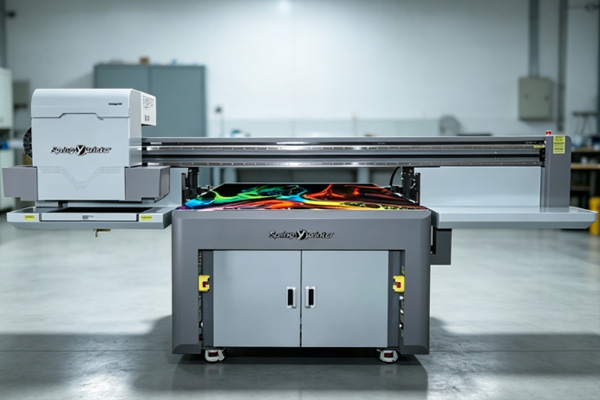
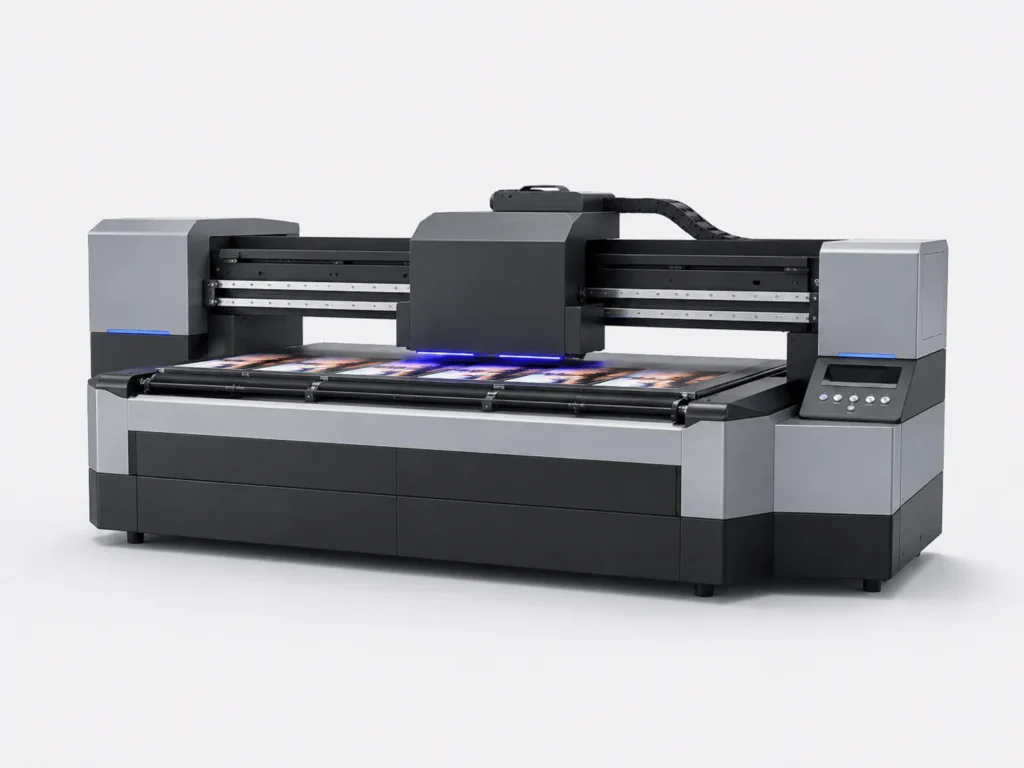
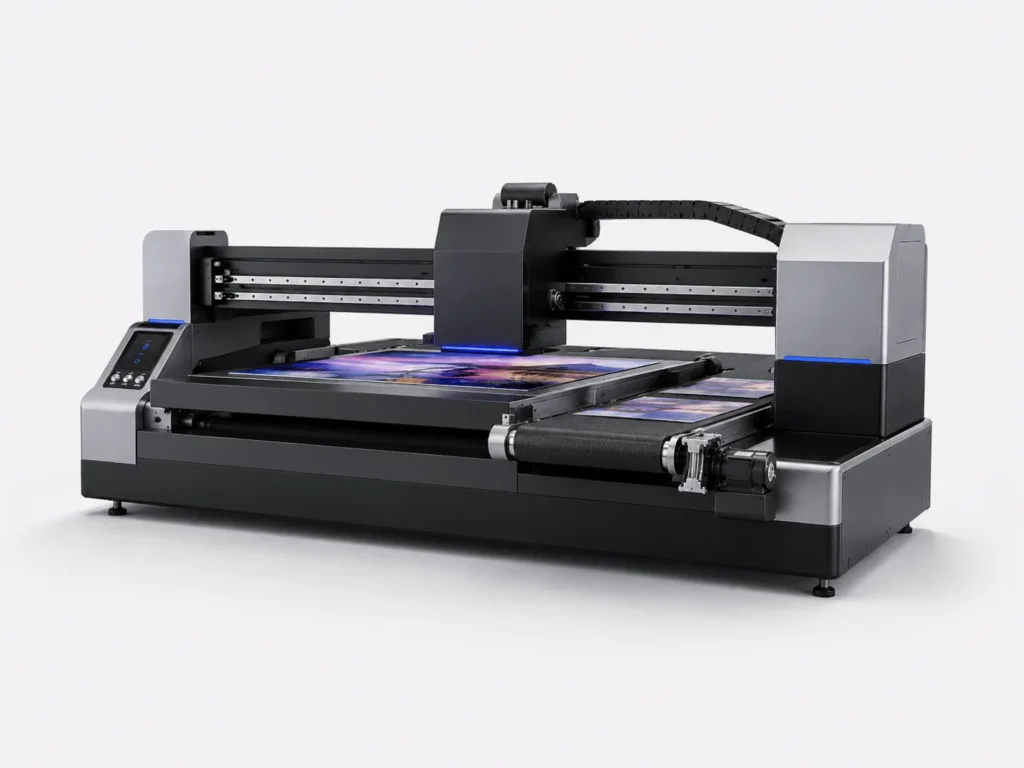
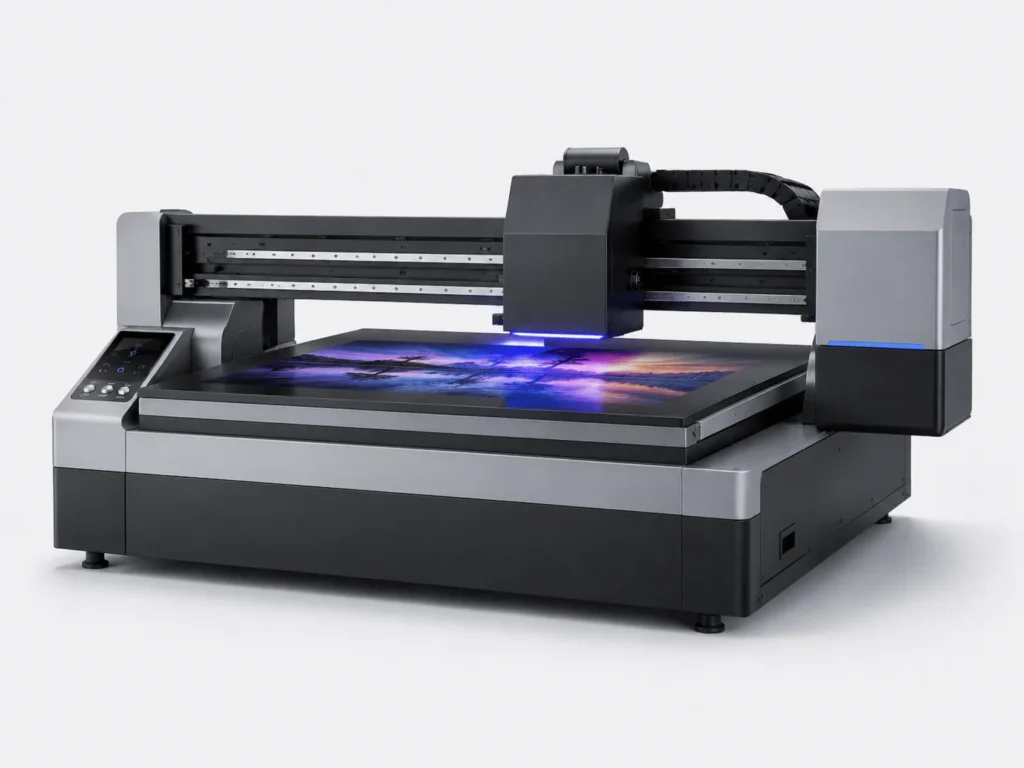
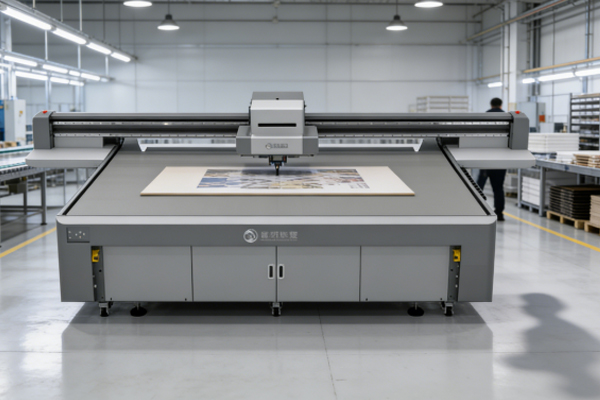
When many people first hear about UV flatbed printers, they assume they are similar to office inkjet printers. In reality, UV flatbed printers are industrial-grade digital printing equipment primarily used for directly printing full-color graphics onto various material surfaces and using ultraviolet technology to cure the ink instantly.Their greatest advantage is eliminating the plate-making process required in traditional printing. When customers need to modify a design, operators only need to adjust the digital file on a computer to begin a new production task without creating new printing plates.
For example:
● Full-color printing on phone case surfaces
● Acrylic sign production
● Decorative graphics on toy housings
● Printing on wooden crafts
● Personalized gift customization
Because of this flexible production capability, more and more factories are adopting UV printing as an important manufacturing method.
What Is the Difference Between a UV Flatbed Printer and Traditional Printing?
Traditional printing is better suited for large-volume production with fixed designs, while UV flatbed printers are more suitable for production environments where market demands change quickly and products are updated frequently.For example, if a customer requires 100 customized products with different graphics, traditional printing often requires multiple printing plates. A UV flatbed printer only needs to switch the digital design file to complete production. This not only saves time but also reduces production costs.
What Materials Can a UV Flatbed Printer Print On?
One of the most common questions users ask when learning about the equipment is whether it can only print on paper. One of the biggest advantages of UV flatbed printers is their wide material compatibility. As long as the material size and thickness meet the equipment requirements, most flat materials can be printed directly.
Common application materials include:
● Acrylic sheets
● PVC boards
● Wood and bamboo products
● Metal sheets
● Glass products
● Ceramic products
● Plastic products
● Leather products
In the past, if a company needed to produce glass decorative paintings, plastic signs, and wooden crafts simultaneously, multiple machines might have been required. Today, in many cases, a single UV flatbed printer can handle all of these production tasks.
How Good Are the Printed Results?
Because the equipment uses high-precision inkjet technology, it can produce rich color gradations and high image clarity. Whether printing cartoon graphics, company logos, or portrait photographs, it can accurately reproduce the original design.Many gift customization businesses take advantage of this capability to create souvenirs, awards, plaques, and personalized ornaments, making their products more attractive to the market.
How Does a UV Flatbed Printer Work?
Many people assume industrial equipment is difficult to operate, but the workflow of a UV flatbed printer is actually quite straightforward.After the customer approves the design, the operator imports the graphic into the printing software and adjusts the layout according to the product dimensions. The material is then placed on the printer platform. Once the positioning is confirmed, production can begin.
The process typically includes the following steps:
● Import the design file
● Set printing parameters
● Place the printing material
● Printhead begins inkjet printing
● UV lamps cure the ink simultaneously
● Finished product inspection
Because printing and curing occur simultaneously, the product is usually ready for packaging or assembly immediately after printing.
Why Can It Print and Dry Instantly?
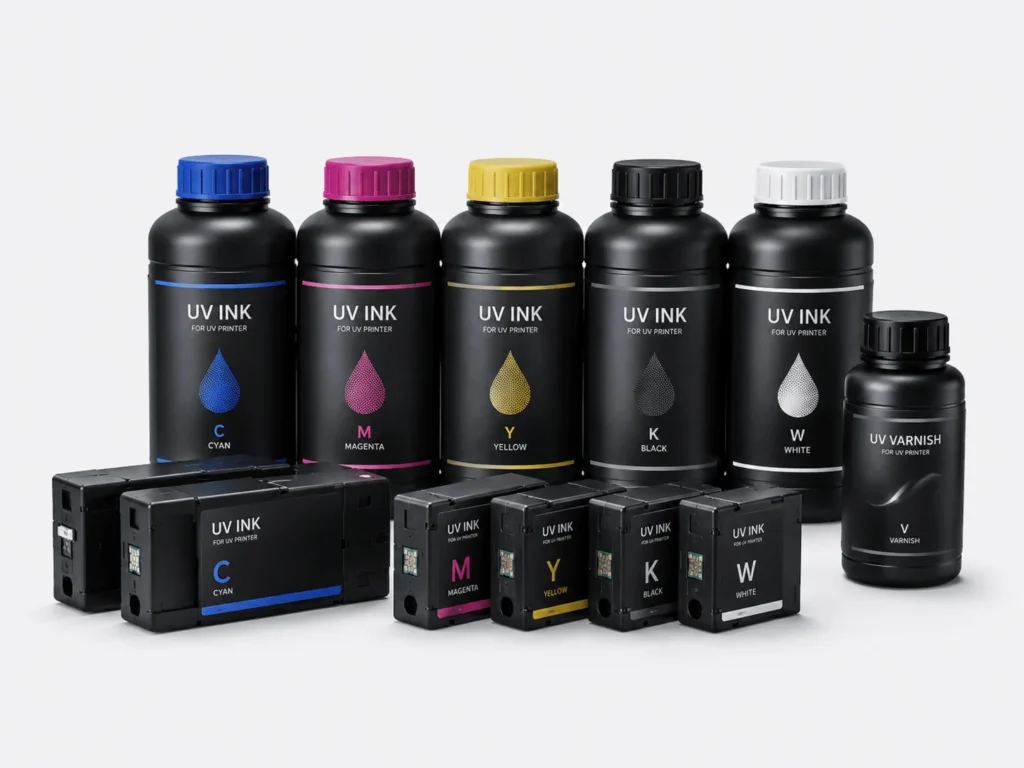
Many traditional ink printing products require a significant drying period before handling. In contrast, UV-printed products can generally be handled immediately after printing.The reason is that UV printers use UV-curable ink. As the ink is deposited onto the material surface, ultraviolet lamps instantly expose it, transforming the ink from a liquid state into a solid state.This process not only improves production efficiency but also minimizes ink spreading, resulting in sharper image edges. For orders with strict delivery deadlines, this technology can significantly shorten production cycles.
Which Technologies Determine Print Quality?
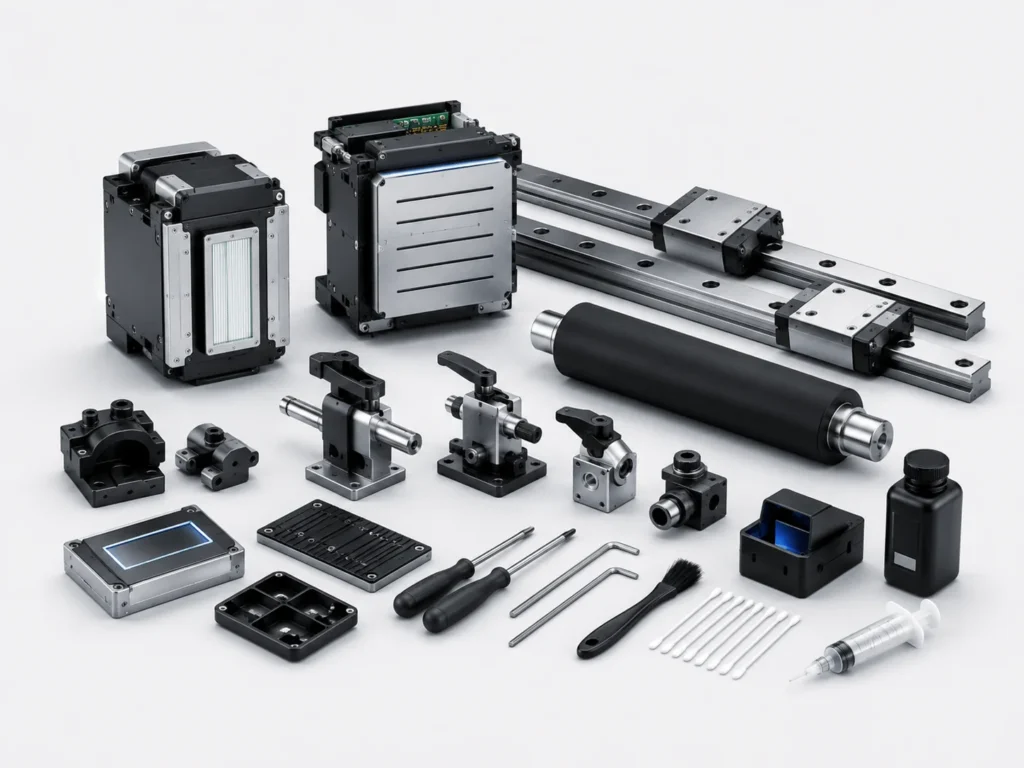
Many buyers focus on printing resolution when selecting equipment. In reality, the core technologies that influence final print quality are mainly concentrated in the printhead and curing system.The printhead is responsible for accurately depositing ink onto the material surface, and its precision directly affects image clarity. High-performance printheads produce sharper text edges and richer image details.At the same time, a stable ink supply system ensures consistent colors during long production runs and helps prevent color variation.
When purchasing equipment, companies usually focus on:
● Printhead precision
● Printing speed
● Ink stability
● Curing performance
● Equipment operational stability
Together, these factors determine the overall production capability of the machine.
How Do Automation Features Help?
As equipment technology continues to improve, modern UV flatbed printers now offer a high level of automation.Many machines can automatically detect material thickness and adjust printhead height accordingly. This not only reduces human operating errors but also lowers the risk of printhead collisions.For users who are new to the equipment, automation features can significantly reduce the learning curve and make production processes more stable and reliable.
How Long Can UV Printed Products Last?
This is one of the most frequently asked questions during equipment consultations.In reality, print durability depends on the equipment, ink, and production process. If suitable UV ink is used and printing is performed according to standard procedures, the printed graphics generally achieve excellent adhesion.Under normal indoor conditions, colors can remain vibrant for extended periods without obvious fading. For products intended for long-term outdoor use, additional protective coatings can be applied to improve wear resistance and weather resistance.
For example:
● Advertising signs
● Decorative wall panels
● Phone case products
● Children’s toys
● Craft gifts
These products are already widely manufactured using UV printing technology and have demonstrated excellent performance in practical market applications.
A UV flatbed printer is no longer just a printing machine; it is a more flexible and efficient digital production tool. It simplifies what were once complex printing processes, makes small-batch customization and rapid delivery possible, and helps businesses adapt more effectively to constantly changing market demands.Whether for advertising production, packaging printing, home decoration, electronic product housing decoration, or toy manufacturing, UV flatbed printers have demonstrated significant application value.Especially in today’s rapidly growing personalized consumption market, consumers expect exclusive designs and fast delivery services. UV printing technology is perfectly positioned to meet these demands.