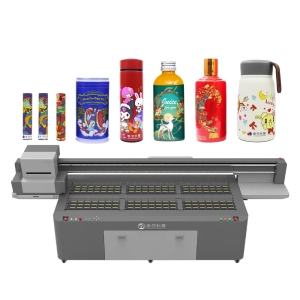
Many customers have a practical question after purchasing a UV printer: when printing on different materials such as acrylic, glass, metal, and plastic, is it necessary to replace the ink every time? After all, different products have different surface characteristics. Some are smooth, some are textured, and some need to withstand long-term use. If the wrong ink is selected, problems such as dull colors, poor adhesion, or ink peeling may occur. In fact, whether UV printing requires different inks mainly depends on the material properties and the final application requirements. Understanding the relationship between different materials and UV inks can help businesses improve print quality and reduce unnecessary adjustments during production.
Why Do Different Materials Affect UV Ink Printing Results?
One of the biggest advantages of UV printing is its wide material compatibility. It can directly print graphics onto various surfaces. However, different materials have different surface conditions, which means ink adhesion and final results can vary. Smooth surfaces usually require stronger adhesion, while materials with better absorption properties are generally easier to print.
The main factors affecting UV ink performance include:
- Material surface smoothness: Materials such as glass, metal, and acrylic have smooth surfaces, so they require better ink adhesion, while materials like wood and PVC are usually easier to print.
- Material color and texture: Different base colors can affect the final appearance of printed graphics, especially when working with transparent or dark materials that may require white ink adjustment.
- Surface preparation: Dust, oil, or improper treatment can reduce ink adhesion and affect printing quality.
In actual production, many color or adhesion problems are not caused by the printer itself, but by poor compatibility between the material and ink. Understanding material characteristics and choosing the right printing method can help create clearer graphics with longer-lasting results.
Which Materials May Require Special UV Ink?
Not every product requires a different UV ink, but some special materials have higher requirements for ink performance. Products that need long-term display, frequent contact, or outdoor use may require more suitable ink options to achieve better durability.
The following materials need extra attention during printing:
- Glass and metal materials: Their smooth surfaces may result in weak adhesion with standard ink, so high-adhesion UV ink or surface treatment may be needed.
- Flexible plastic products: Some plastics have certain flexibility, requiring ink layers that can maintain stability without cracking.
- Outdoor products: Materials exposed to sunlight and temperature changes need inks with better weather resistance.
- Frequently touched products: Items such as cups and packaging containers require better abrasion resistance.
For example, stainless steel cups and glass bottles may look perfect immediately after printing, but if the ink is not suitable for the material, the graphics may wear off after cleaning or repeated use. When choosing UV ink, businesses should consider not only color performance but also the actual usage environment of the product.
Can One UV Printer Use the Same Ink for All Materials?
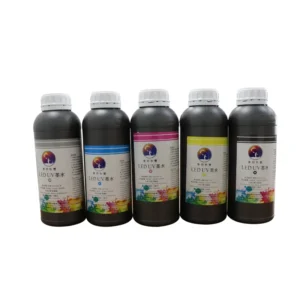
Many businesses hope their UV printer can handle a wide range of products while reducing ink management costs. Today, many UV inks have good versatility and can meet the printing needs of various common materials. However, this does not mean every material will achieve exactly the same results.
Common materials suitable for UV ink printing include:
- Acrylic, PVC boards, and advertising display materials: These materials have smooth surfaces and are commonly used for signs, display stands, and promotional products.
- Wood, leather, and some plastic products: With proper parameter adjustments, these materials can achieve good color performance.
- Processed glass and metal products: After proper surface treatment, these materials can also achieve stable printing results.
For businesses handling customized orders, using stable UV ink can improve production efficiency. However, when working with a new material, it is recommended to run small sample tests first. Confirming color accuracy, adhesion, and overall print quality before mass production can help avoid unnecessary losses.
Besides Changing Ink, How Else Can Printing Results Be Improved?
When UV printing results are not ideal, many users assume the ink is the problem. In reality, print quality is affected by multiple factors, including material preparation, machine settings, and operating methods. In many cases, improving the printing process can be more effective than simply changing the ink.
During production, businesses should focus on:
- Cleaning the material surface before printing: Removing dust, oil, and impurities helps improve ink adhesion.
- Adjusting printing parameters according to the material: Different materials require suitable ink volume, printing speed, and curing settings.
- Using primer to improve adhesion: For difficult materials such as glass and metal, primer treatment can strengthen the bond between ink and surface.
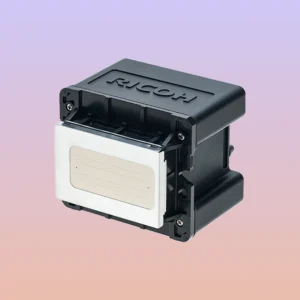
- Maintaining stable printhead performance: Clogged nozzles or uneven ink output can reduce color accuracy and graphic quality.
Achieving stable UV printing results does not rely only on the printer or ink. Proper material testing, parameter adjustments, and standardized production processes are all important for maintaining consistent quality across different materials.
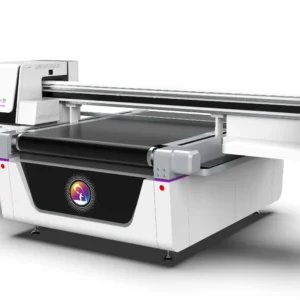
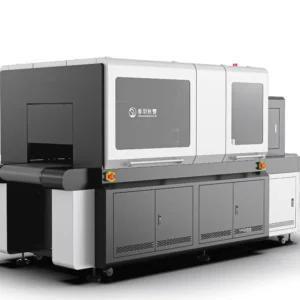
Whether UV printing requires different inks for different materials depends on the material characteristics, product application, and printing requirements. Common materials can usually be printed with versatile UV inks, while special materials such as glass, metal, and outdoor products require more attention to ink compatibility and surface treatment. Choosing the right ink solution and optimizing printer settings can help different materials achieve clearer and more stable printing results. SpringYprinter provides professional UV printing equipment solutions to help businesses achieve high-quality customized printing on multiple materials.