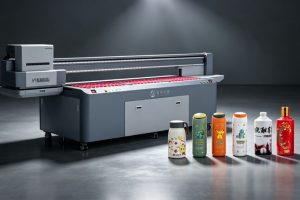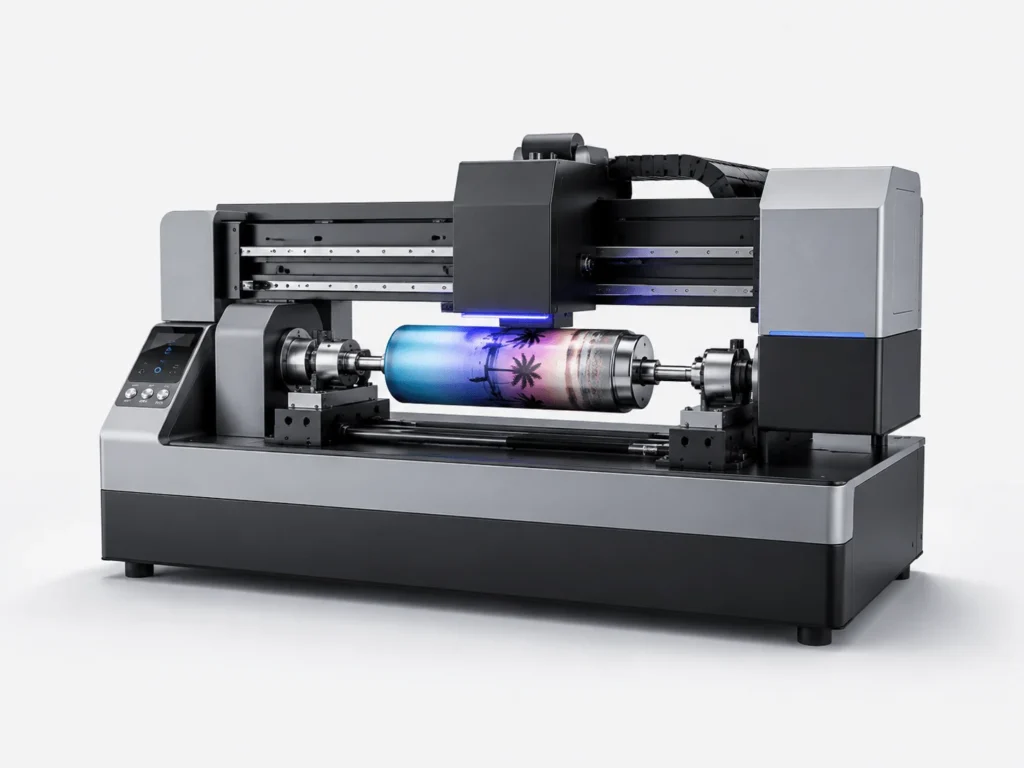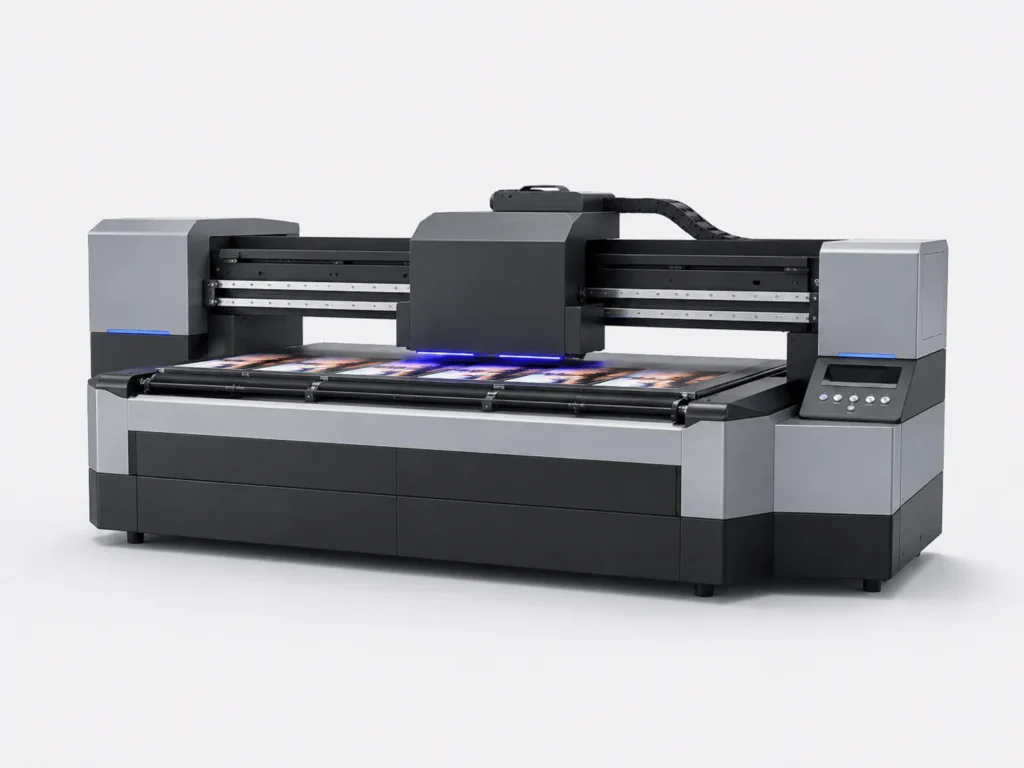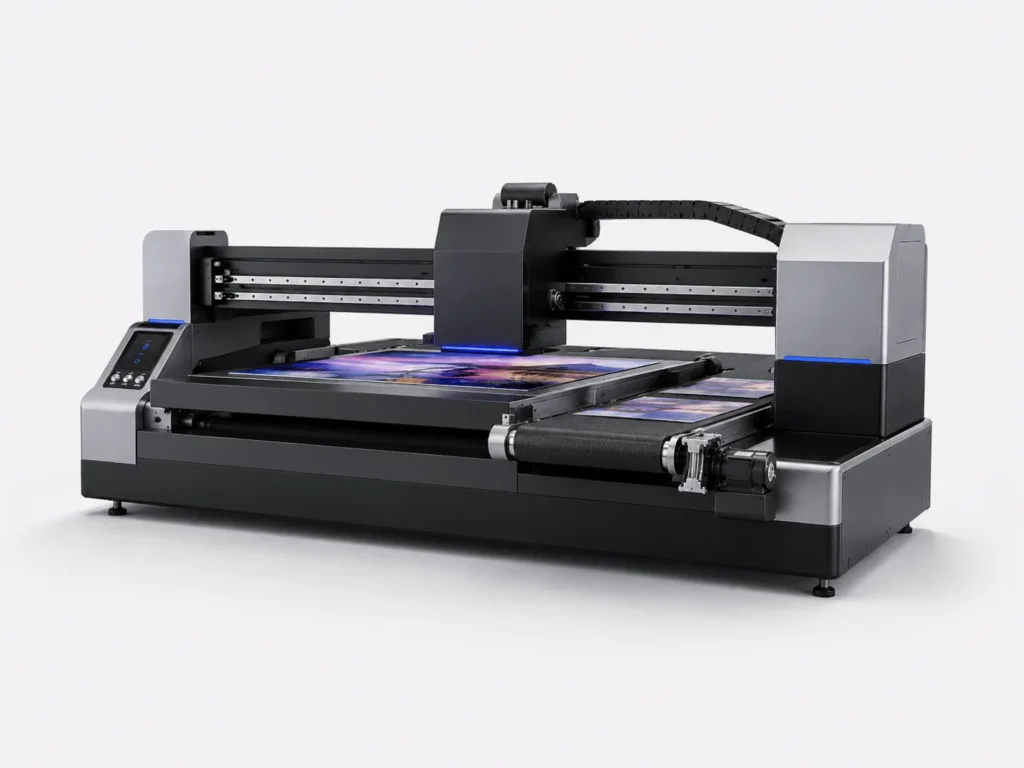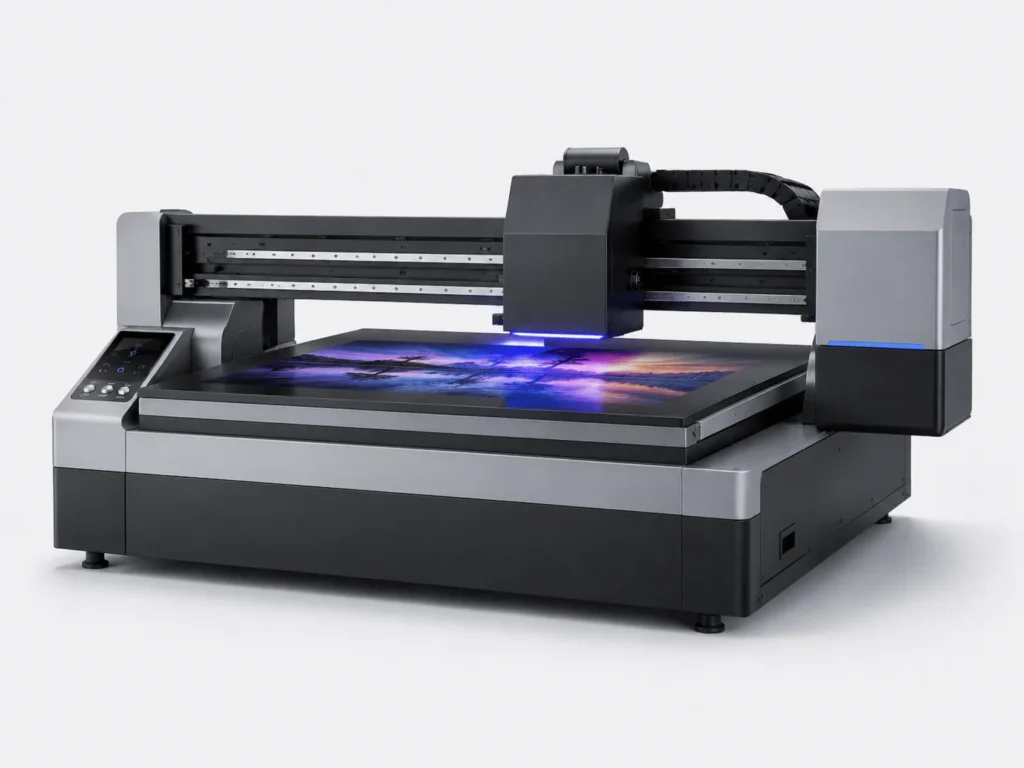
With the continuous development of digital printing technology, businesses are placing greater emphasis on production speed, order response capabilities, and large-scale manufacturing efficiency. Industries such as packaging printing, advertising signage, building decoration, furniture manufacturing, and industrial product processing require more efficient and stable printing equipment to support high-volume production. High-speed Single Pass printers use a one-pass printing method to complete full-image output, reducing repeated scanning processes and significantly improving production capacity. When choosing equipment, many companies are concerned about how many products a high-speed Single Pass printer can produce in one day. The actual output depends on factors such as printing width, product size, equipment configuration, image complexity, production workflow, and operating methods. Compared with traditional printing equipment, Single Pass printing technology can greatly improve production efficiency and provide strong support for continuous manufacturing.
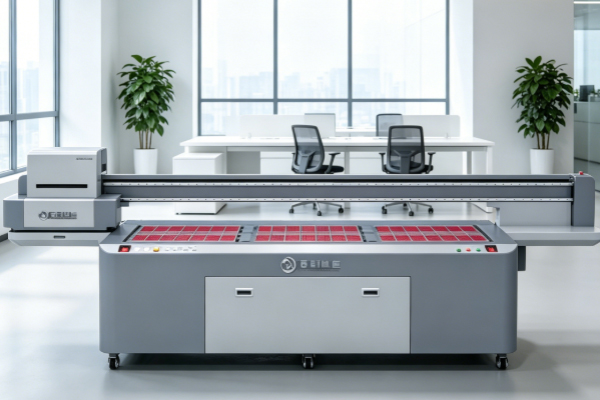
Factors That Determine the Production Capacity of High-Speed Single Pass Printers
The daily production output of a high-speed Single Pass printer is not a fixed number. It is influenced by equipment performance and production conditions. Different printer models have different numbers of printheads, printing widths, and operating speeds, making them suitable for different production scales. During actual manufacturing, smaller products usually allow higher output quantities within the same period, while large panels or complex graphics require longer printing times.
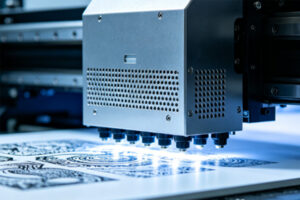
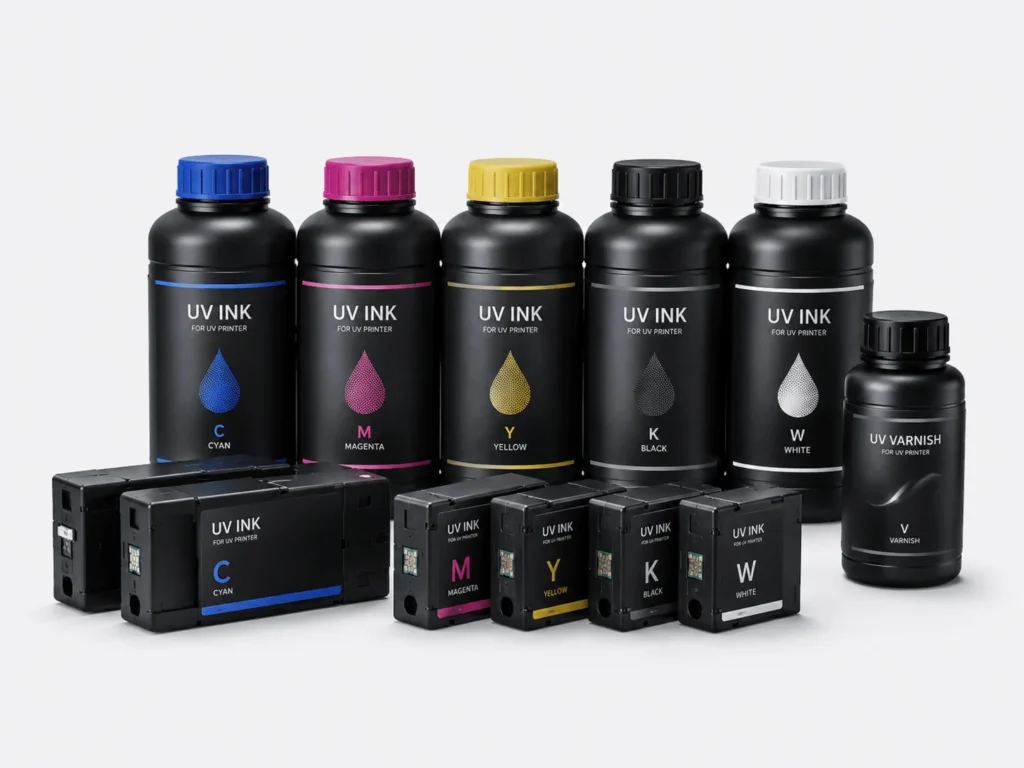
Printing speed is an important factor affecting daily production capacity. High-speed industrial Single Pass printers can maintain continuous operation, allowing materials to pass through the printing area and receive graphic output quickly, reducing waiting time. Printhead performance also affects efficiency. High-quality industrial printheads can maintain stable ink output during high-speed operation while ensuring clear image quality.
The production environment also influences output capacity. When the printer is connected with automatic feeding systems, drying equipment, inspection units, and packaging systems, it can create a more complete automated production line, reduce manual operation time, and improve overall productivity. When calculating equipment capacity, businesses need to evaluate their own product types and manufacturing processes to determine more accurate production expectations.
How Single Pass Printing Technology Increases Daily Production Capacity
Traditional printing equipment often relies on moving printheads that scan back and forth to complete image output, which can limit productivity in large-scale manufacturing environments. High-speed Single Pass printers use fixed printhead arrays, allowing materials to pass through the printing area once and receive complete image output. This method significantly improves continuous production efficiency.
Single Pass technology reduces mechanical movement and allows the printer to maintain a more stable production rhythm. During long production cycles, the equipment can continuously process large quantities of products while maintaining consistent quality. For large-volume orders requiring fast delivery, Single Pass printers help shorten production time and increase factory output.
Key advantages of Single Pass printing technology include:
- Strong Continuous Output Capability:Materials pass through the printing system and receive complete image output without repeated positioning or scanning, making the technology suitable for long-term continuous production.
- Reduced Production Waiting Time:Digital files are transferred directly to the printer, reducing traditional preparation procedures and allowing production tasks to start faster.
- Stable Printing Quality:Fixed printhead structures reduce mechanical movement errors, helping maintain image clarity and color consistency even during high-speed operation.
- Easy Integration with Automated Production Lines:Single Pass printers can connect with feeding, cutting, inspection, and other systems to improve overall production efficiency.
By optimizing the printing process, high-speed Single Pass technology enables businesses to complete more products within the same production period.
Daily Production Performance of High-Speed Single Pass Printers in Different Industries
High-speed Single Pass printers are widely used across different industries. Since product sizes, materials, and production requirements vary, daily output levels can differ significantly. Businesses usually select suitable equipment configurations based on their product characteristics to achieve ideal production efficiency.
In the packaging industry, products such as cartons, folding boxes, and display packaging often have standardized sizes, allowing printers to achieve high-speed continuous production with strong output capacity. In the advertising signage industry, display boards, promotional materials, and branding panels often vary in size, meaning production volume is affected by product specifications. In the building materials industry, large materials such as wood panels, glass, and ceramic tiles require wider printing areas, but Single Pass technology can still provide efficient processing performance.
In furniture manufacturing, customized panels often require frequent design changes. High-speed Single Pass printers can quickly process different patterns and improve order handling capacity. Industrial product manufacturing places greater emphasis on stability and consistency, and Single Pass equipment can meet the requirements of long-term operation.
Although production output varies depending on application scenarios, the high-speed, continuous, and stable characteristics of Single Pass printers help businesses significantly improve manufacturing efficiency.
Methods to Increase the Daily Output of High-Speed Single Pass Printers
To maximize the production capability of high-speed Single Pass printers, businesses need to optimize production workflows in addition to selecting suitable equipment. Proper scheduling, regular maintenance, and improved operational efficiency can all help increase daily output.
Methods for improving production capacity include:
- Optimizing Material Supply Processes:Automatic feeding systems reduce manual loading time and allow the printer to maintain continuous operation, improving effective production hours.
- Adjusting Printing Parameters Properly:Selecting suitable printing speed, resolution, and ink volume settings according to material characteristics helps improve efficiency while maintaining quality.
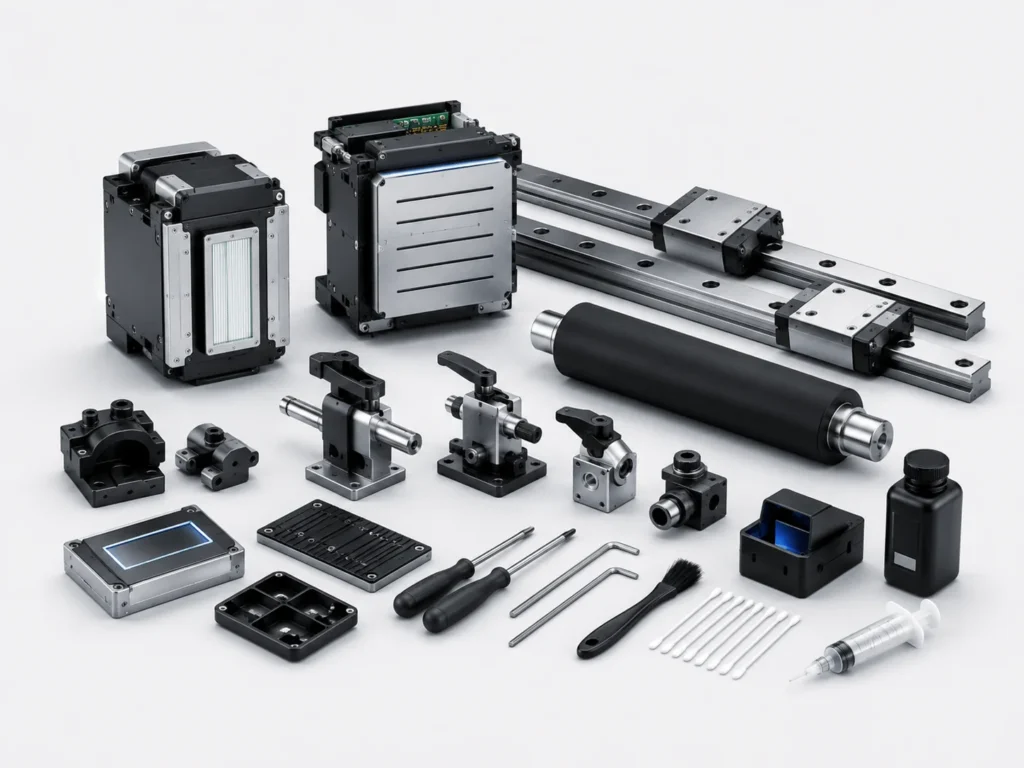
- Strengthening Equipment Maintenance:Regular printhead cleaning, ink system inspection, and mechanical maintenance reduce downtime and improve equipment reliability.
- Improving Production Scheduling Plans:Organizing production sequences according to order quantities and product types reduces time wasted on frequent material changes and file switching.
By optimizing the production process, high-speed Single Pass printers can achieve higher output performance and provide businesses with more stable manufacturing benefits.
High-Speed Single Pass Printers Support Digital Manufacturing Upgrades
As demand for fast delivery and customized products continues to increase, high-speed Single Pass printers are becoming essential equipment in industrial digital printing. They not only improve production efficiency but also help businesses develop more flexible manufacturing models. Through digital file management, companies can quickly respond to order changes, reduce inventory pressure, and accelerate product development.
In the future, with continuous improvements in printhead technology, automation systems, and intelligent manufacturing platforms, the production capacity of high-speed Single Pass printers will continue to increase. These machines will integrate with more smart manufacturing processes, including automatic feeding, intelligent inspection, data management, and unmanned production workflows. For businesses seeking higher efficiency, better quality, and faster delivery capabilities, high-speed Single Pass printers provide reliable production support and help achieve more advanced digital manufacturing solutions.