The packaging industry is evolving towards higher speeds, greater personalization, and higher precision. Traditional multi-pass printing processes are increasingly unable to meet the demands of modern production. UV single-pass printers, with their one-pass imaging, high-speed output, and stable color control capabilities, have become crucial equipment for upgrading packaging production lines. They can achieve high-definition image output on cardboard boxes, corrugated paper, flexible packaging materials, plastic films, and composite packaging materials, while supporting various overlay effects, including partial UV, embossed textures, and gradient colors, giving packaging products a higher level of visual and tactile appeal.
Working Principle of UV Single-Pass Printers in Packaging Production
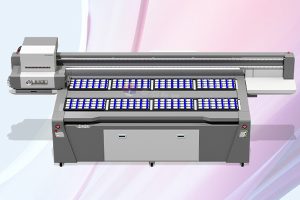
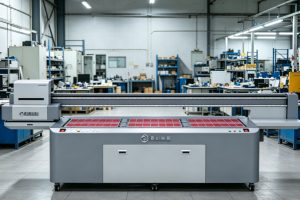
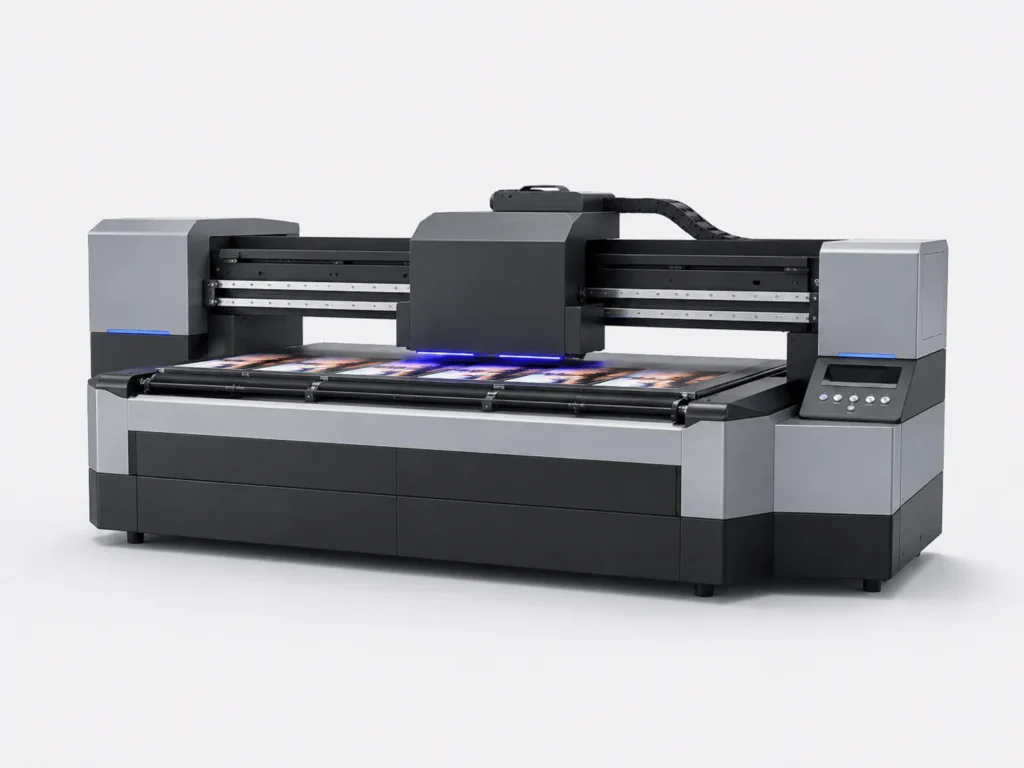
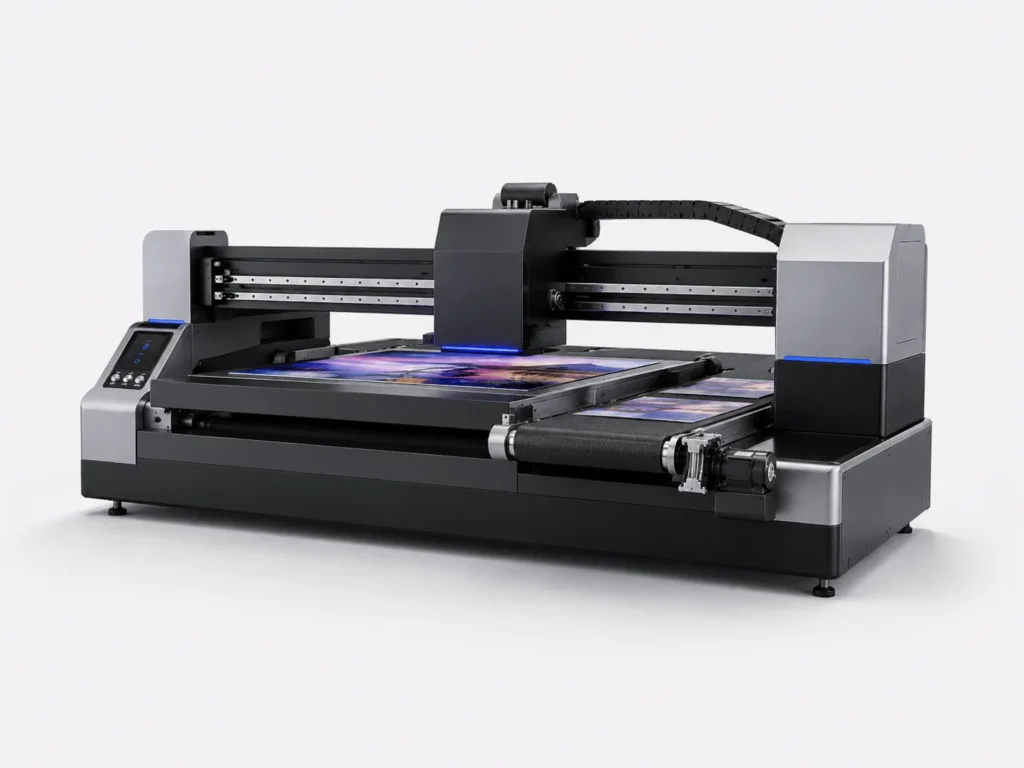
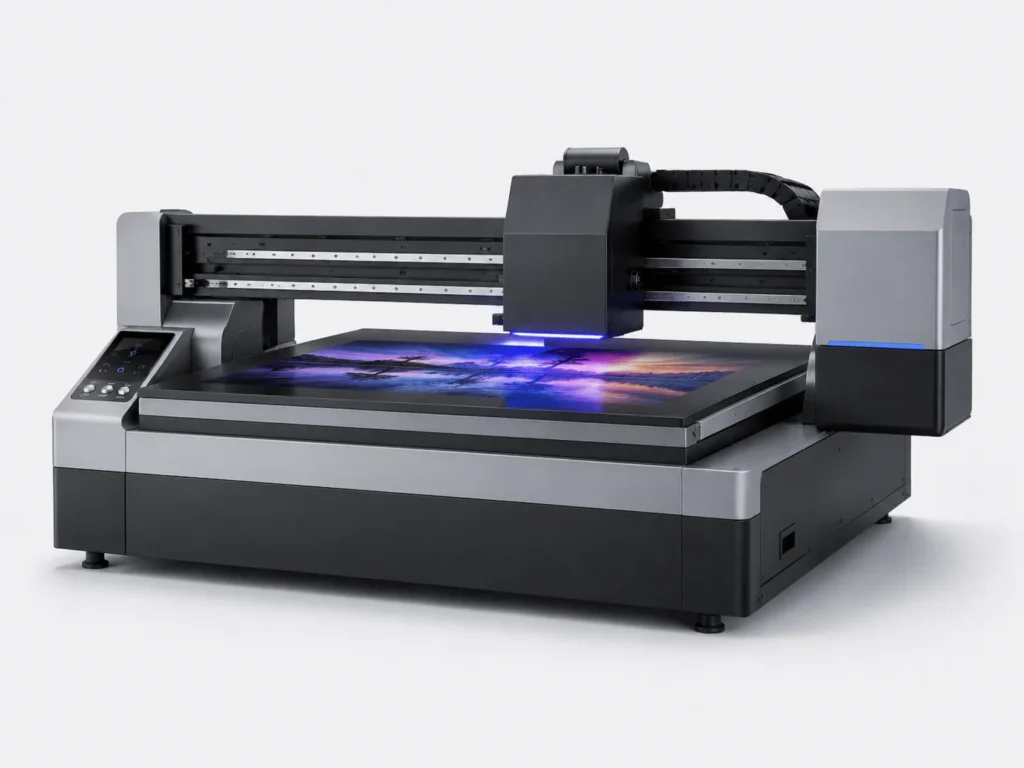
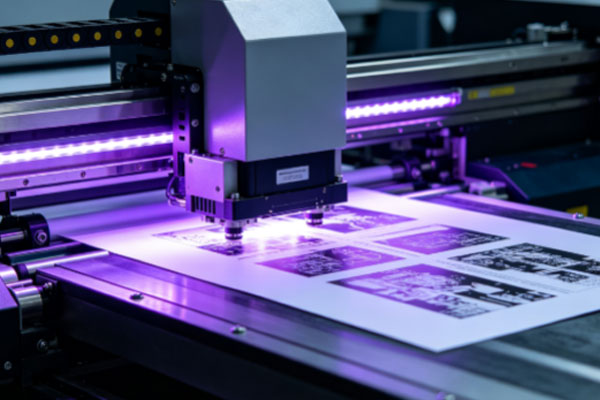
UV single-pass printers employ a one-pass printing structure. The material continuously moves within the conveyor system, and the printhead array synchronously completes the full-width image output. Instant curing by UV lamps ensures rapid ink setting, preventing diffusion and penetration problems.
The main workflow includes:
- Packaging materials enter the printing area via an automatic feeding system
- Multiple printheads simultaneously spray CMYK and spot color inks
- UV light source completes curing treatment instantly during printing
- A high-speed conveyor system continuously outputs finished products
- An automatic detection system corrects color and alignment accuracy.
This structure reduces multiple printing cycles, enabling packaging production to maintain stable and high-speed operation while ensuring batch consistency.
The Value of UV Single-Pass Printing in the Packaging Industry
Packaging not only protects products but also directly impacts consumers’ first impression of a brand. UV single-pass printers provide stronger visual impact for packaging products through high-quality image output.
Main values include:
- Enhancing the visual appeal of packaging, making products more attractive in the market
- Supporting short-run orders, adapting to the needs of e-commerce and FMCG
- Achieving rapid switching between multiple packaging categories, improving production flexibility
- Reducing plate-making and changeover costs, improving production efficiency
- Meeting the needs of brand differentiation design
In a highly competitive market, high-quality packaging has become an important component of product added value.
Technical Advantages of UV Single-Pass Printers in Packaging Applications
Compared to traditional offset, screen, and flexographic printing processes, UV single-pass printers offer significant advantages in speed, precision, and flexibility.
Core advantages include:
- High-speed continuous output capability: A single pass completes the printing of the entire image, suitable for mass production.
- High-precision image performance: High printhead resolution enables the rendering of delicate text and complex patterns.
- Multi-material adaptability: Applicable to cardboard, corrugated paper, plastic film, and composite packaging materials.
- Instant curing technology: UV ink cures instantly, preventing bleeding and improving image clarity.
- Support for multiple process overlays: Enables localized UV, 3D embossing, and varnish effects, enhancing the packaging’s texture.
These advantages allow the equipment to achieve a balance between high efficiency and high quality in packaging production.
Application Scenarios of UV Single-Pass Printing in the Packaging Industry
With the continuous upgrading of packaging design, UV single-pass printing technology has been widely applied in multiple sub-sectors and continues to expand its scope of use.
Typical applications include:
- Printing of food packaging boxes and beverage outer cartons
- High-end packaging design for cosmetics and skincare products
- Color pattern output for electronic product packaging boxes
- Production of express packaging and customized e-commerce packaging
- Production of gift boxes and limited-edition holiday packaging
- Printing of pharmaceutical packaging labels and instruction boxes.
Different packaging types have different requirements for image clarity, abrasion resistance, and environmental friendliness. UV single-pass printing can meet diverse needs through parameter adjustments.
Operation and Usage of UV Single-Pass Printers
To ensure stable operation of packaging production, standardized procedures need to be established during equipment operation, and reasonable adjustments should be made according to material characteristics. Recommended usage process includes:
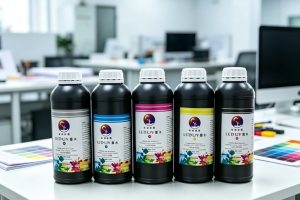
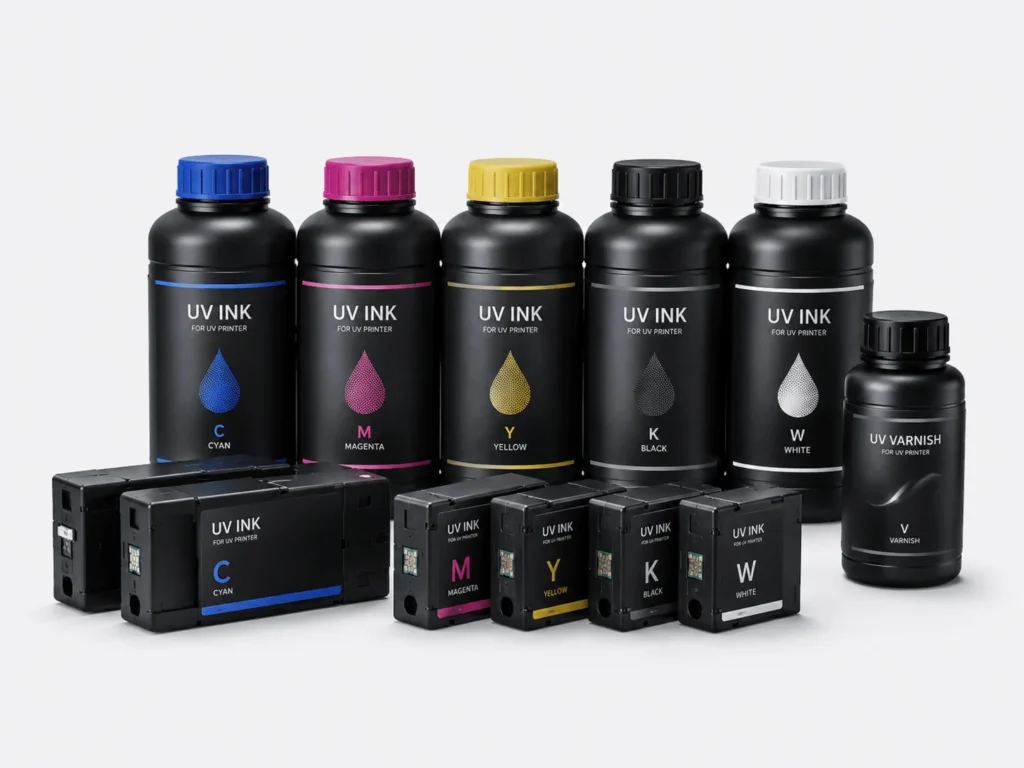
- Selecting the appropriate UV ink based on the type of packaging material
- Checking the alignment accuracy of the conveyor system and printhead
- Setting the printing resolution, speed, and curing power
- Conducting small-batch testing to confirm color and adhesion effects
- Starting continuous production and monitoring equipment operation status
- After completion, performing cutting and quality inspection.
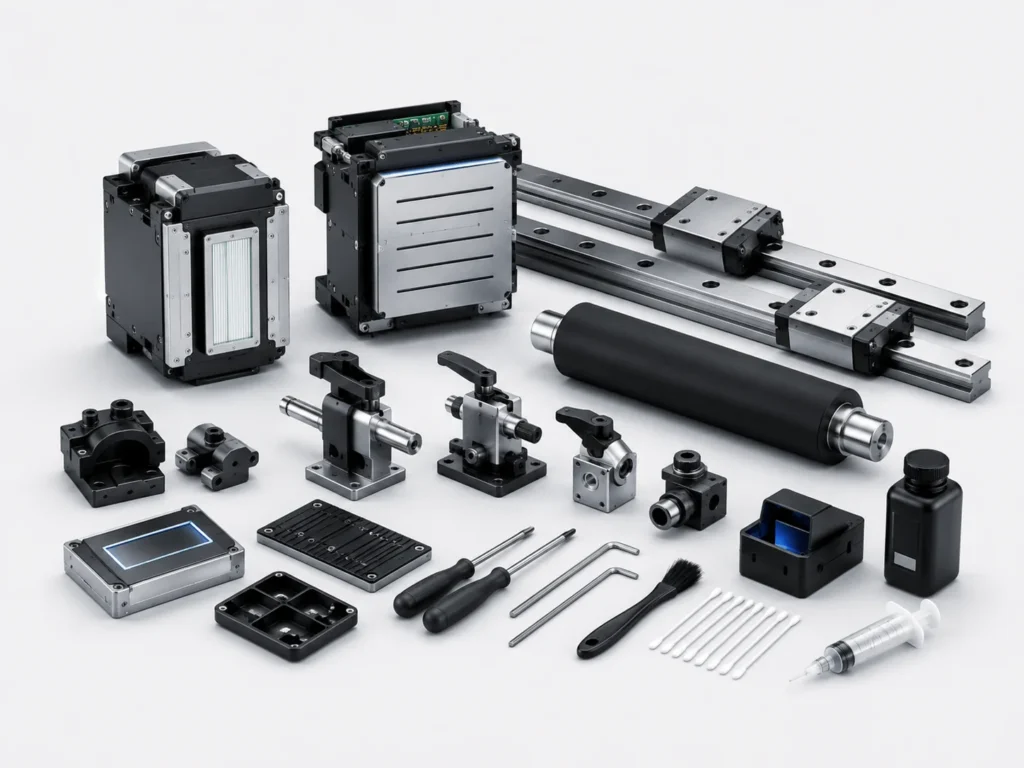
Regular maintenance of the printhead system, cleaning of the conveyor belt, and checking of UV lamp intensity are also necessary to ensure long-term stable output.
UV single-pass printers are driving the packaging industry’s transformation from traditional multi-process production to digital high-speed production. Their high efficiency, high precision, and multi-material adaptability make them an important piece of equipment in modern packaging manufacturing, playing an increasingly crucial role in brand packaging upgrades and the growth of personalized demands.