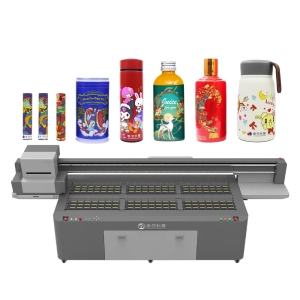
With the continuous upgrading of consumer electronics products, users are no longer only concerned with color and appearance in housing design, but also attach greater importance to product texture, personalization, and durability. UV 3D printing technology, utilizing high-precision inkjet printing and rapid curing with ultraviolet light, can directly create three-dimensional textures and colored patterns on the surfaces of products such as mobile phone housings, tablet housings, earphone charging cases, and smart wearable devices, providing electronic products with richer visual effects and tactile experiences. Compared with traditional painting, screen printing, or lamination processes, UV 3D printing can shorten the production cycle, improve processing flexibility, and meet the increasing demand for customized production.
Working Principle of UV 3D Printing in Electronic Product Housings
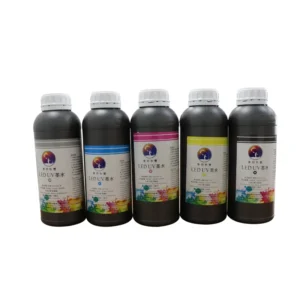
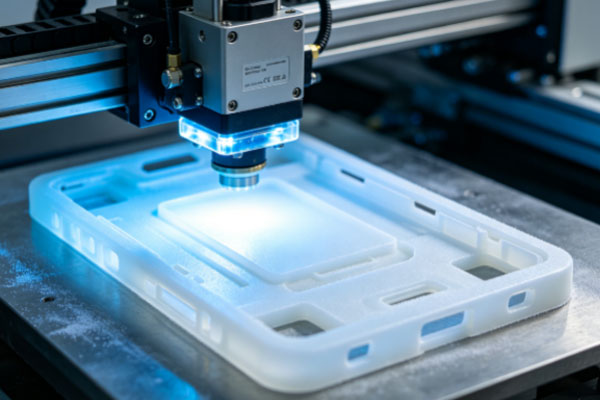
UV 3D printing uses digital inkjet technology to spray UV ink layer by layer onto the surface of the product housing according to the design file, and then cures it instantly with ultraviolet light, allowing the ink layers to continuously stack to form a textured structure with three-dimensional height.
The entire printing process typically includes the following steps:
- Importing the three-dimensional texture design file and completing the pattern and height data processing.
- The software automatically generates the inkjet path and calculates the ink layer thickness in each area.
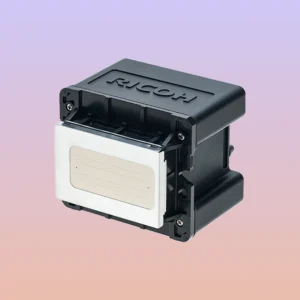
- A high-precision printhead continuously completes multi-layer printing, with each layer simultaneously UV-cured.
- After completing the 3D texture, color patterns and a transparent protective layer are printed.
- The finished product undergoes quality inspection to ensure that the texture height, color, and adhesion meet the requirements.
Digital production methods enable the rapid replication of complex patterns and maintain consistency across each product, making it suitable for mass production of electronic products.
UV 3D Printing Enhances the Value of Electronic Product Shells
With increasing competition in the consumer market, product appearance has become a crucial factor influencing purchasing decisions. UV 3D printing can help electronic products achieve a more refined appearance while enhancing product recognizability.
Key benefits include:
- Improving the overall product grade and enhancing visual appeal.
- Increasing the tactile feel and improving the user’s grip experience.
- Supporting simultaneous printing of brand logos, texture patterns, and decorative elements.
- Meeting the needs of limited editions, co-branded models, and personalized customization.
- Shorten new product development cycles and improve product update efficiency.
With the help of digital printing technology, companies can quickly launch different design versions to meet the market’s continuous demand for differentiated products.
Technical Advantages of UV 3D Printing in Electronic Housings
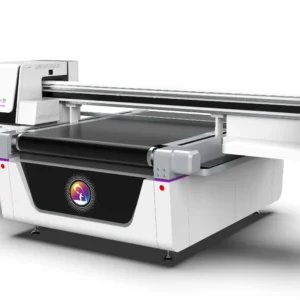
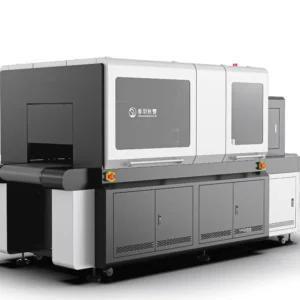
Industrial UV printers have been continuously optimized for electronic product housing processing, demonstrating outstanding performance in printing accuracy, material compatibility, and production efficiency.
Main advantages include:
- High-precision printing effect: Fine textures and details can be clearly presented, meeting the requirements of refined processing of electronic products.
- Rich material compatibility: Applicable to PC, ABS, acrylic, glass, metal, and composite material housings.
- Excellent adhesion performance: With professional UV inks, the pattern’s adhesion can be effectively improved, making it less prone to peeling off.
- Rapid mass production: No need to make screens or molds; designs can be directly put into production after modification.
- Support for simultaneous output of color and relief: Color, texture, and 3D effects are completed in one printing process, improving production efficiency.
These technical advantages have made UV 3D printing one of the important processes for electronic product exterior processing.
Typical Application Scenarios for Electronic Product Shells
With the continuous maturation of printing technology, UV 3D printing has been widely applied to various types of electronic products and is constantly expanding into new market spaces.
Typical applications include:
- Texture processing for mobile phone protective cases and back panels.
- Personalized design of tablet computer protective cases and shells.
- 3D decoration of Bluetooth headset charging cases.
- Aesthetic enhancement of smartwatches and fitness trackers.
- Production of game controllers and e-sports equipment shells.
- Processing of smart home control panels and decorative parts for electronic devices.
These products need to maintain both aesthetic appeal and good wear resistance. UV 3D printing can meet the processing requirements under long-term use environments.
How to Use UV 3D Printing for Electronic Product Shells
To ensure stable printing results, equipment parameters need to be adjusted during production according to different materials and product structures to ensure consistency between the 3D texture and the pattern.
Standard operating procedures include:
- Cleaning the shell to remove dust and oil.
- Setting the nozzle height and printing distance according to material characteristics.
- Adjust ink volume, number of texture layers, and UV curing power.
- Print samples and test color, texture, and adhesion performance.
- Complete mass production and monitor printing status in real time.
- After printing, add a transparent, wear-resistant protective layer to improve product durability.
- Inspect the finished products for appearance and dimensions to ensure consistent quality across batches.
Regular maintenance of the printhead, platform calibration, and UV lamp operation checks ensure stable equipment operation, further improving printing quality and production efficiency.
UV 3D printing technology is driving the processing of electronic product casings towards digitalization, high precision, and personalization. With its rich material compatibility, three-dimensional texture representation, efficient production process, and excellent wear resistance, industrial UV printers are becoming essential equipment in consumer electronics manufacturing, providing reliable support for brands to create more distinctive and competitive product appearances.