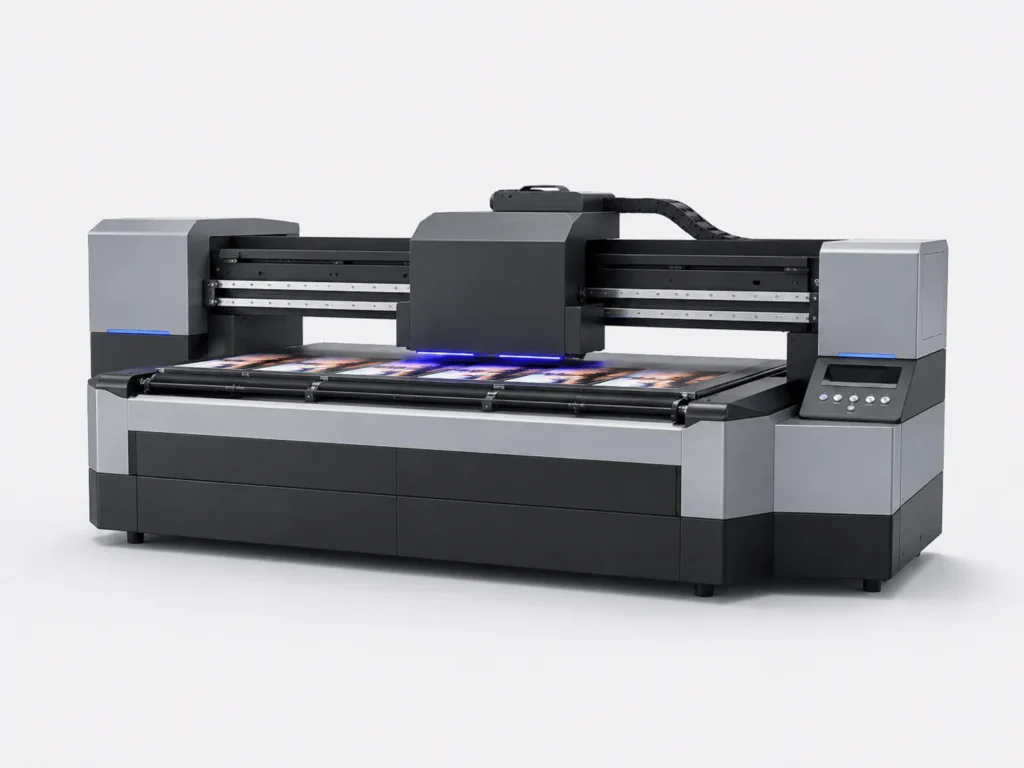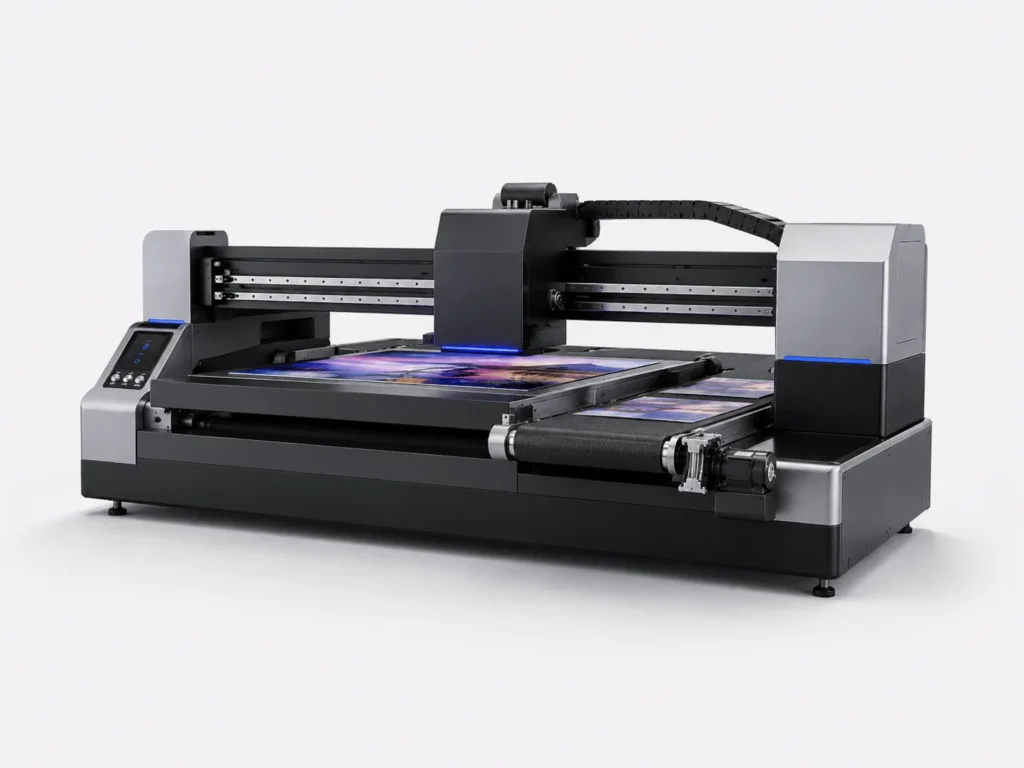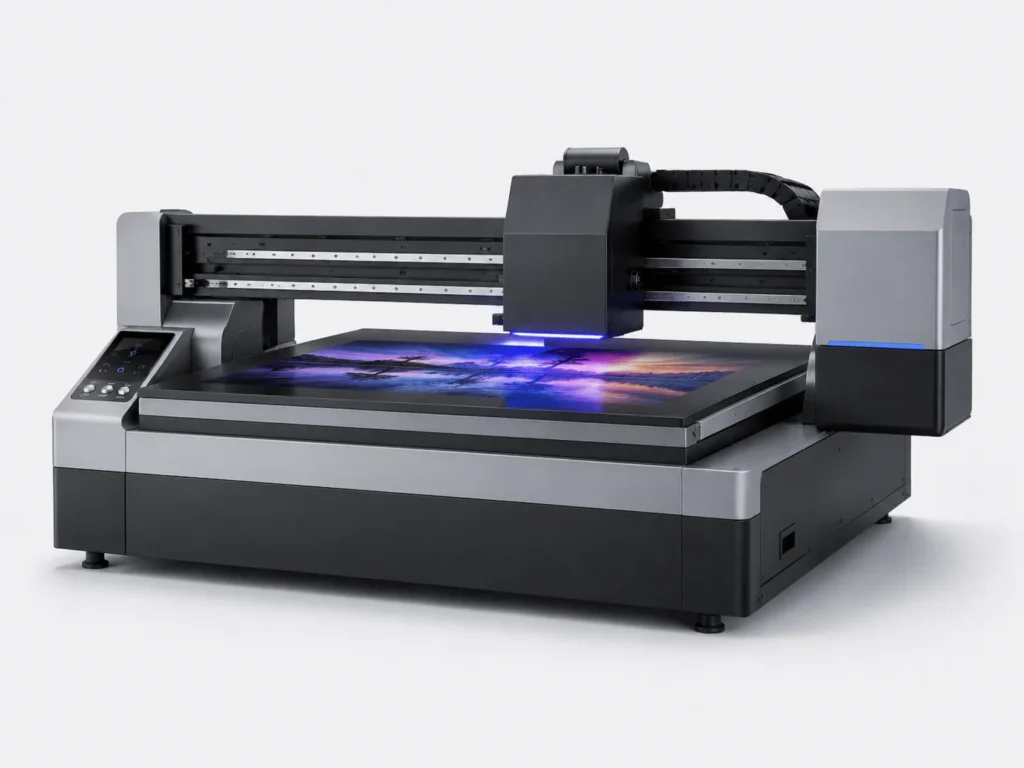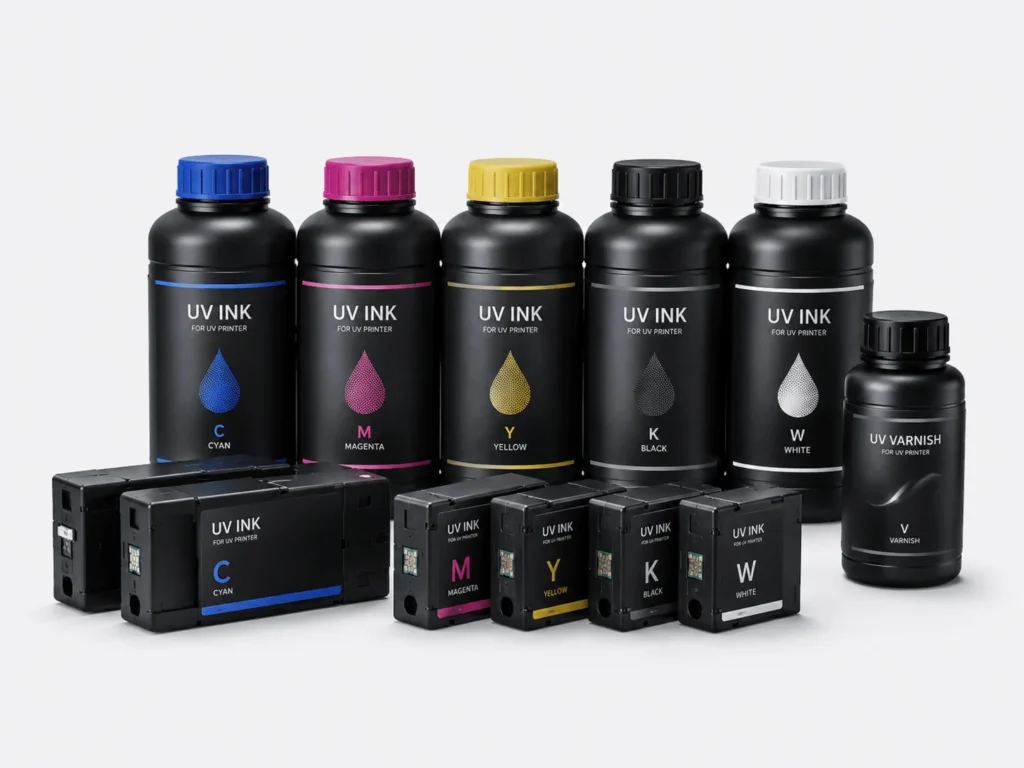
As the demand for high-precision color printing continues to grow, the color performance of UV printers is no longer simply a matter of whether the colors are vivid enough. Gradient backgrounds, skin tones, light-colored textures, soft shadows, and other visual elements are becoming increasingly common. Traditional CMYK combinations may produce visible graininess or insufficient tonal depth when rendering delicate transitions. By adding light cyan, light magenta, and other light-colored inks, UV printers can achieve smoother color transitions and richer tonal layers, making them especially suitable for applications with high visual quality requirements.

What Image Effects Can Be Improved by Adding Light-Colored Ink to a UV Printer?
Light-colored ink improves the printer’s ability to control ink volume in light-colored areas, enhancing the visual depth of complex images.
Making Light-Colored Areas More Delicate
In images with large areas of light colors and soft tones, light-colored ink can reduce the use of dark ink droplets.
- Light-colored backgrounds become more uniform, with less visible graininess.
- Skin tones, light pink, light blue, and other colors appear more natural.
- Delicate textures and soft shadows are easier to reproduce.
- Large gradient areas can maintain smoother transitions.
For high-end product packaging and decorative graphics, this level of delicacy can enhance the overall visual quality.
Improving the Tonal Depth of Gradients and Transition Areas
Gradient performance is one of the important indicators for evaluating the quality of color UV printing. Light-colored ink helps the printer achieve more refined color transitions.
- Transitions from dark to light colors become more natural.
- Changes in brightness and darkness within complex patterns appear softer.
- Shadows, highlights, and semi-transparent visual effects are easier to reproduce.
- Light-colored areas are less likely to show obvious banding.
For advertising graphics, artistic decorations, and high-end packaging, delicate gradients can reproduce the original design more accurately.
How Does Light-Colored Ink Help Improve Color Reproduction in UV Printers?
After light-colored ink is added, the printer has more color combinations and can produce images through finer variations in ink volume.
Enhancing Overall Color Performance
With CMYK combined with light-colored ink, the printing system can create richer color combinations, providing better output in light-colored areas that are difficult to reproduce with traditional four-color printing.
- Light-colored brand packaging can more easily achieve a premium and soft visual style.
- Light gray, light blue, ivory, and other colors on appliance panels appear more natural.
- Soft textures and details in decorative materials are easier to reproduce.
- Skin tones and light-colored objects in product images can achieve smoother visual effects.
For customers who emphasize consistent brand visuals, light-colored ink can improve the reproduction of complex images.
Reducing Graininess Caused by Dark Ink
When light-colored areas are reproduced solely with dark ink, smaller ink droplets or halftone combinations are required to simulate light colors, which may cause graininess in some images. Light-colored ink can directly participate in the imaging of light-colored areas, making the inkjet process more delicate. This advantage is especially noticeable on appliance panels, electronic product housings, premium packaging, and decorative panels viewed from a close distance.
Which Applications Are More Suitable for Light-Colored Ink?
The value of light-colored ink is closely related to the type of product. Applications involving high-resolution images and a high proportion of soft colors are more likely to benefit from it.
High-End Packaging and Appliance Panels
Packaging and home appliance products are placing increasing emphasis on appearance design. Delicate colors can directly influence consumers’ perception of product quality.
- Cosmetic packaging often uses soft tones such as light pink, nude, and light purple.
- High-end gift boxes require delicate gradients and refined textures to enhance their premium appearance.
- Appliance panels for refrigerators, washing machines, coffee makers, and other products have high requirements for color consistency and detail reproduction.
- Electronic product housings require smooth gradients and fine pattern reproduction.
These products are usually viewed from a close distance, making the delicate imaging provided by light-colored ink more likely to translate into visual product value.
Advertising, Decoration, and Personalized Products
For advertising graphics and decorative materials, color richness and image depth directly affect the display effect.
- Portraits can achieve more natural skin-tone transitions.
- The sky, clouds, and distant scenery in landscape images appear softer.
- Large gradients on decorative panels become smoother.
- Personalized products can present more soft and fashionable design styles.
- Art reproductions and high-resolution images can achieve richer color layers.
When customers have high requirements for image quality, light-colored ink can help the printer create a more distinctive competitive advantage.
How Can the Advantages of the Printer Be Maximized After Adding Light-Colored Ink?
Adding ink channels is only one part of the hardware upgrade. The printhead configuration, RIP software, color management, and daily maintenance must also be properly matched.
Matching the Printhead and Color Management System
Light-colored ink needs to be used together with stable printheads, RIP software that supports light-color channels, and suitable color parameters. Different materials should be tested in advance, with adjustments made to ink volume, resolution, and printing speed. Before mass production, test samples should be used to confirm the color results and reduce problems such as color distortion and unstable ink volume.
Performing Regular Maintenance for Light-Colored Ink
After adding light-colored ink, maintenance of the ink system should be strengthened. Regularly inspect the ink supply lines and printhead condition, keep the ink paths and printheads clean, and reduce problems such as air bubbles, clogging, and abnormal inkjet performance. Before changing ink or materials, conduct a test print first and save the corresponding color parameters for different materials to facilitate future repeat production.
For companies that require high-quality color output, light-colored ink can improve the delicacy of light-colored areas, gradient transitions, and overall color performance. It offers greater application value in high-end packaging, appliance panels, advertising graphics, decorative materials, and personalized products. Springyprinter specializes in the research, development, and manufacturing of industrial UV digital printing equipment and can provide multi-channel UV printers, ink configurations, and professional technical support according to different application requirements.