In the exhibition and display industry, an impressive presentation not only attracts visitors’ attention but also plays an important role in communicating brand value. From corporate showrooms and commercial exhibitions to product launches and promotional events, visual presentation has always been a key factor influencing customer experience. As the advertising industry continues to develop, customers now expect higher standards for display production, including sharper images, faster delivery, and more flexible customization. Traditional production methods are becoming less effective when handling high-resolution images, complex designs, various materials, and urgent delivery requirements. With its high-precision output, wide material compatibility, and efficient production capabilities, UV printing is becoming an important solution for improving display quality and production efficiency.
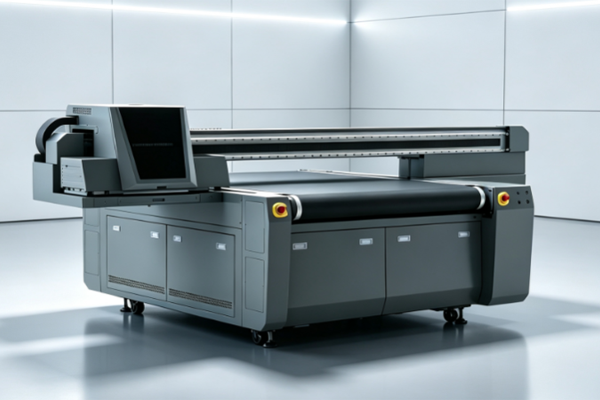
Common Challenges in Exhibition and Display Production
Exhibition and display projects usually involve tight schedules, frequent changes, and high-quality requirements. A complete display solution often requires multiple stages, including design confirmation, material selection, and production processing. Any issue in one stage may affect the final result. For companies in the advertising industry, improving production efficiency while maintaining excellent visual quality has become an important way to strengthen competitiveness.
Difficulty in Accurately Reproducing Complex Designs
Today’s exhibition designs focus more on visual impact. Many brands use high-resolution images, gradient colors, detailed logos, and customized graphics to strengthen brand impressions. However, during actual production, insufficient printing accuracy may cause differences between the final product and the original design.
Common problems include:
- Insufficient detail reproduction in high-resolution images, affecting overall quality
- Small text and fine lines becoming unclear after printing
- Poor performance of gradient colors and complex designs
For exhibition projects, the visual effect directly influences how visitors perceive a brand. High-precision printing is not only about improving image quality but also about helping companies create more competitive displays.
Multiple Display Materials Increase Production Difficulty
The exhibition and display industry uses a wide range of materials, including acrylic, PVC, glass, metal panels, and wooden boards. Since each material has different surface characteristics, traditional production methods often require different processing techniques.
Main challenges include:
- Different materials requiring different production processes
- Longer processing time for special materials
- Increased complexity when switching materials
- Some creative designs being difficult to achieve
As brands place more emphasis on personalized displays, the ability of equipment to handle various materials has become an important factor when advertising companies select production solutions.
Fast Delivery Requirements Create Project Pressure
Exhibitions and display events usually have fixed schedules. In many cases, companies need to complete design adjustments, sample approval, and mass production within a short period. Longer production cycles may affect installation and project progress.
Main issues include:
- Difficulty responding quickly to last-minute design changes
- Multiple design versions requiring simultaneous production
- Urgent projects affecting normal production schedules
- Errors caused by manual operations
Therefore, the advertising industry needs more flexible production methods to shorten manufacturing time and improve project delivery capabilities.
Key Advantages of UV Printing in the Exhibition and Display Industry
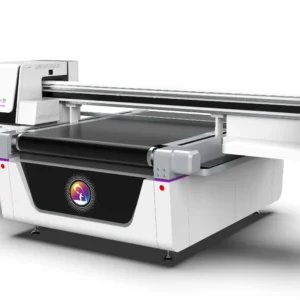
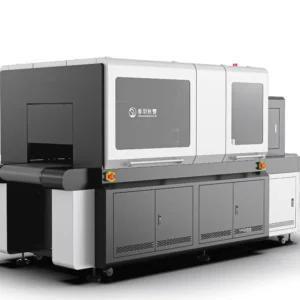
With the continuous development of digital production technology, UV printing has become an important manufacturing solution for exhibition displays. Compared with traditional production methods, UV printing can directly output designs from digital files, reducing processes such as plate making and transfer printing while maintaining high image quality and stable color performance.
UV Printing Simplifies Production Processes and Improves Project Response Speed
In exhibition projects, production efficiency often determines customer satisfaction. Traditional methods require multiple processing steps, while UV printing allows digital designs to be quickly converted into finished display products, significantly reducing waiting time.
To better understand the differences between UV printing and traditional production methods, they can be compared from aspects such as production workflow, output quality, and customization ability:
| Comparison Item | Traditional Display Production | UV Printing Display Solution |
| Production Process | More steps and longer preparation time | Direct digital printing with a simpler workflow |
| Image Quality | Easily affected by production limitations | High-definition output with accurate detail reproduction |
| Material Applications | Difficult for some special materials | Supports various display materials |
| Modification Efficiency | Higher modification costs | Quick design adjustments and reprinting |
In actual production, UV printing not only reduces complicated traditional processes but also allows advertising companies to respond more flexibly to urgent projects, small-batch customization, and design changes, improving overall service capability.
High-Resolution Printing Enhances Visual Appeal
The core goal of exhibition displays is to attract attention, and clear, layered visuals help brands communicate their messages more effectively. UV printing uses precise inkjet technology to improve graphic detail performance.
Main advantages include:
- Clear presentation of brand logos and product images
- Improved text sharpness
- Preservation of complex design details
- Enhanced premium visual quality
High-quality printing helps companies create more professional display environments and attract more attention at exhibitions.
Multi-Material Compatibility Supports Creative Display Designs
Modern display designs focus increasingly on creative expression. Combining different materials can create richer visual effects. UV printing offers strong material adaptability and supports a wider range of display applications.
Common applications include:
- Acrylic display board printing
- PVC exhibition panel production
- Glass decorative image printing
- Metal signage production
This flexibility helps advertising companies expand their business scope while meeting customers’ needs for customized display solutions.
Special Printing Effects Improve Display Depth
In addition to standard image printing, UV printing can combine functions such as white ink and varnish to create richer visual effects and make display products more attractive.
Specific effects include:
- White ink improving transparent material performance
- Varnish enhancing partial gloss effects
- Creating three-dimensional embossed visual effects
These special printing techniques make exhibition products stand out and are suitable for brand showrooms, premium exhibitions, and commercial display applications.
Key Control Processes for UV Printing Production in Exhibition Displays
Although UV printing improves display production efficiency, maintaining consistent high-quality output requires proper design preparation, material testing, and production management. A complete production process can reduce errors and ensure the final result meets customer expectations.
Optimize Design Files to Improve Printing Accuracy
Design files are an important foundation for the final display effect. Before production, files need to be reviewed and adjusted to ensure the printed result matches the original design as closely as possible.
Main steps include:
- Confirming file size and proportions
- Checking image resolution
- Adjusting color modes
- Optimizing graphic layouts
Proper file preparation reduces later modifications and improves overall production efficiency.
Adjust Printing Parameters Based on Material Characteristics
Different materials have different requirements for ink adhesion and color performance. Printing parameters need to be adjusted according to the actual material to ensure stable output quality.
Main control points include:
- Testing printing performance on materials
- Adjusting equipment printing modes
- Checking color performance
Through early testing, companies can reduce quality risks during mass production and create more reliable display products.
Establish Standardized Quality Management Processes
Exhibition projects often include multiple products. Without unified management, differences may appear between products. Therefore, establishing standardized production processes is essential.
Main measures include:
- Creating unified production standards
- Maintaining printing equipment regularly
- Strengthening finished product inspections
- Reducing rework situations
A stable production management system helps advertising companies continuously deliver high-quality display products and improve customer satisfaction.
As the exhibition and display industry continues to move toward higher quality, personalization, and faster delivery, UV printing has become an important technology for improving production capabilities in the advertising industry. With advantages such as high-resolution output, multi-material compatibility, and flexible customization, UV printing helps companies complete display boards, exhibition booths, and brand presentation projects more efficiently, creating more attractive visual experiences for customers.