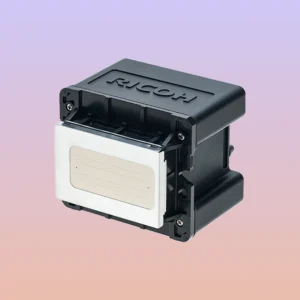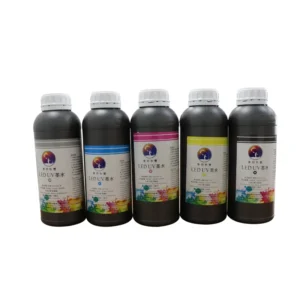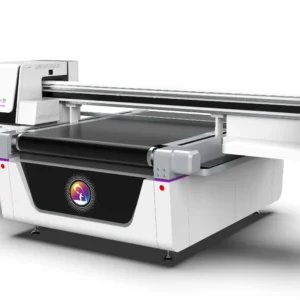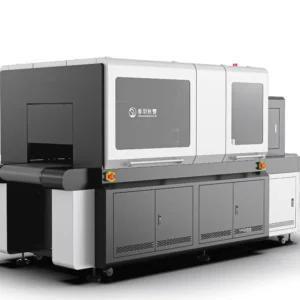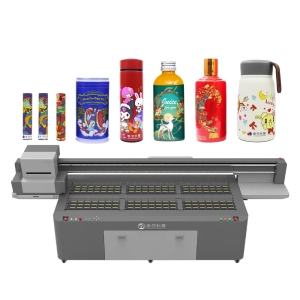
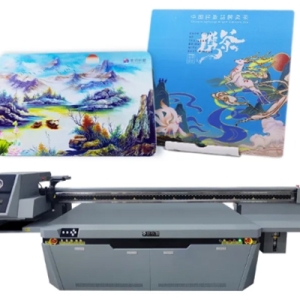
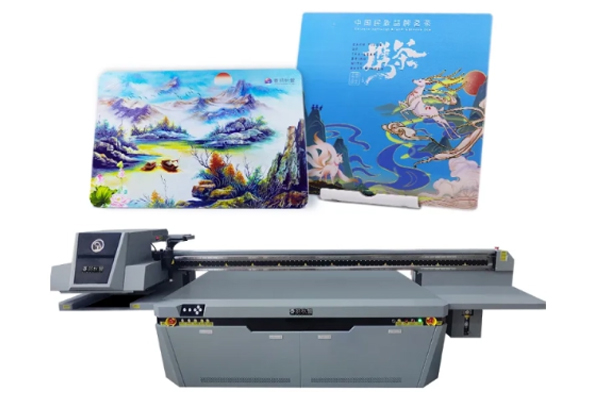
Industrial UV inkjet printing technology has become increasingly advanced, making 3D texture printing an important solution for decorative building materials, artistic wall panels, premium packaging, furniture surfaces, advertising displays, and customized gift products. Unlike conventional flat printing, 3D texture printing uses industrial UV printers to continuously jet UV ink layer by layer while curing each layer instantly with ultraviolet light. This process creates realistic raised textures with both visual depth and tactile effects. The quality of the texture, production stability, and printing efficiency all depend heavily on the performance of the UV ink. Choosing the right UV ink not only improves texture height and fine detail but also reduces printhead clogging, enhances continuous production capability, and keeps industrial UV printing equipment operating reliably, helping manufacturers increase productivity and product value.
Why Does 3D Texture Printing Require Specialized UV Ink?
3D texture printing is far more than standard color printing. Instead of simply producing graphics, industrial printheads continuously deposit multiple layers of UV ink to build raised structures with measurable thickness. Every printed layer must cure rapidly while providing sufficient strength to support the next layer. If the ink flows too easily before curing, the texture edges may spread, reducing the sharpness and depth of the finished effect.
During high-speed industrial printing, UV ink must maintain consistent jetting performance so that every ink droplet lands precisely in its intended position. Stable droplet formation is essential for maintaining accurate texture height and smooth surface transitions. When printing complex relief patterns continuously, the ink layers must also bond firmly together without cracking, bubbling, or collapsing.
Specialized UV inks designed specifically for 3D texture printing are formulated with optimized viscosity, surface tension, curing speed, and stacking capability. These characteristics produce sharper textures while supporting long-term stable operation of industrial printheads.
What Performance Characteristics Should High-Quality UV Ink Have?
Different UV ink formulations offer different performance characteristics. When selecting UV ink for industrial 3D texture printing, manufacturers should ensure compatibility with both the printer and the intended application.
Important characteristics include:
- Excellent Layer Stacking Ability:The ink should build stable raised layers without excessive leveling, allowing clear embossing effects and strong texture depth.
- Fast UV Curing Performance:Rapid curing under UV light improves production efficiency while preventing deformation during multi-layer printing.
- Stable Inkjet Performance:Uniform droplet formation supports high-speed industrial printheads while reducing ink mist, missing lines, and nozzle clogging.
- Strong Adhesion:The ink should bond securely to wood, glass, metal, PVC, acrylic, composite panels, and many other industrial substrates.
- Outstanding Weather Resistance:Printed textures should resist fading, peeling, and environmental wear during long-term use.
High-performance UV ink helps industrial UV printers maintain consistent printing quality throughout extended production runs.
Different Materials Require Different UV Ink Characteristics
3D texture printing is used on a wide variety of materials, and each substrate has different surface properties that influence ink selection. Matching the ink to the material significantly improves both printing quality and production reliability.
Wood panels and decorative boards typically require inks with excellent adhesion while maintaining natural wood grain and stone texture effects. Smooth materials such as glass, ceramics, and metal demand stronger bonding properties to ensure that raised textures remain durable over time. Acrylic, PVC, and plastic products often require greater flexibility and abrasion resistance so that textured surfaces remain intact during transportation and handling.
Corrugated board, folding cartons, and packaging materials require inks that combine fast curing with high-speed printing performance. This ensures that textures are fully cured before subsequent cutting, folding, or packaging operations begin.
Selecting UV ink according to substrate characteristics enables manufacturers to maximize printer performance while achieving superior finished products.
How to Achieve Better 3D Texture Printing Results with UV Ink
High-quality UV ink performs best when combined with proper equipment management and standardized operating procedures. Consistent maintenance and correct parameter settings allow industrial UV printers to deliver stable production over long periods.
The following practices help improve printing performance:
- Store UV Ink Properly:Keep ink within the recommended temperature and humidity range while protecting it from direct sunlight and extreme temperatures.
- Maintain a Clean Ink Delivery System:Regularly inspect filters, ink tubes, and circulation systems to prevent contamination and ensure stable ink flow.
- Optimize Printing Parameters:Adjust ink volume, printing speed, and UV curing intensity according to texture height, substrate type, and design requirements.
- Perform Routine Printhead Maintenance:Clean residual ink from printheads and inspect nozzle conditions regularly to maintain consistent inkjet performance.
- Keep Equipment Running Consistently:Avoid extended shutdown periods whenever possible to maintain ink circulation and reduce the risk of nozzle drying and clogging.
Following these best practices improves texture quality, reduces maintenance requirements, and increases production efficiency.
High-Performance UV Ink Supports the Future of 3D Texture Inkjet Printing
As industrial inkjet technology continues to evolve, 3D texture printing has become an essential part of modern digital manufacturing. Industrial UV printers use precision printheads and rapid UV curing systems to build raised textures through continuous inkjet deposition, placing higher demands on ink performance than conventional printing applications. Premium UV inks provide stable jetting, precise layer stacking, and excellent adhesion, allowing manufacturers to create highly realistic textures with impressive visual depth and tactile quality.
Future UV inks will continue improving in environmental performance, wear resistance, weather durability, and compatibility with next-generation industrial printheads. Combined with intelligent inkjet control systems, automated production lines, and advanced digital workflow management, these innovations will further enhance the efficiency and quality of 3D texture printing. Manufacturers in building decoration, premium packaging, advertising displays, creative products, furniture manufacturing, and consumer electronics will continue benefiting from reliable industrial UV inkjet solutions that deliver outstanding texture effects while supporting high-speed digital production.