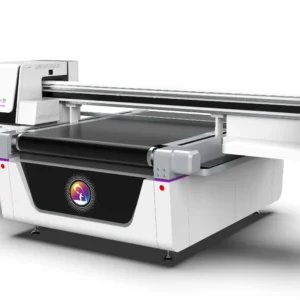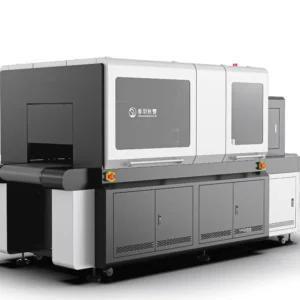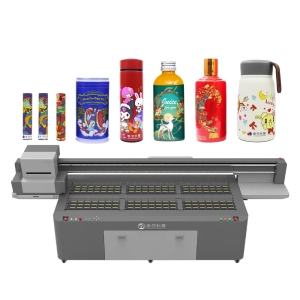
With the continuous development of customized manufacturing and digital printing technology, surface decoration processes are evolving rapidly. More manufacturers are adopting industrial UV printers to produce 3D texture printing by precisely jetting layers of UV ink to create raised surface effects with realistic tactile textures. This technology is widely used for packaging, decorative panels, advertising displays, furniture, handicrafts, and consumer electronics. Unlike traditional embossing, 3D texture printing does not require engraved molds. Instead, it relies on digital inkjet technology to build textures directly on the material surface. This production method improves manufacturing flexibility while supporting customized orders, short production runs, and faster delivery schedules. Understanding the differences between these two technologies helps businesses select the most suitable process for their production requirements.
3D Texture Printing and Traditional Embossing Use Different Forming Principles
Although both technologies create three-dimensional surface effects, their production methods are fundamentally different. Traditional embossing relies on metal molds to physically press patterns into the material using pressure, heat, or embossing rollers. Each texture usually requires a dedicated mold, and changing product designs often involves replacing tooling and readjusting equipment.
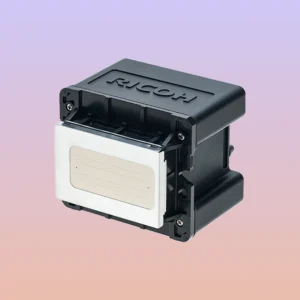
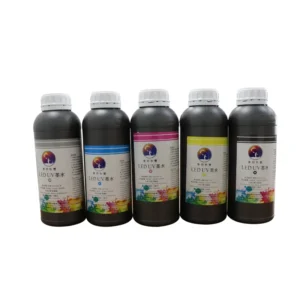
Industrial UV printers create 3D textures through digital inkjet technology. Precision printheads accurately jet UV ink onto the substrate, and each printed layer is immediately cured with UV light. As multiple ink layers are deposited, a raised texture gradually forms with controlled height differences. Since the process does not compress the material, the original substrate structure remains unchanged. Different texture patterns can be produced directly from digital design files without changing physical tooling.
Digital inkjet technology also allows users to adjust texture height, thickness, and fine details, making it possible to create different raised effects on various areas of the same product while increasing design flexibility.
Digital Inkjet Printing Provides Greater Production Flexibility
Traditional embossing is highly suitable for long-term mass production where product specifications remain unchanged. However, in markets where product designs change frequently and customized orders continue to increase, mold replacement and equipment adjustment require additional preparation time.
3D texture printing is controlled entirely by digital files and inkjet paths, eliminating the need for embossing molds. Designers only need to modify the digital artwork to produce different patterns, texture depths, and product sizes, significantly shortening product development cycles.
Advantages of digital inkjet texture printing include:
- No Embossing Mold Required:Digital design files are printed directly, reducing preparation time for new products.
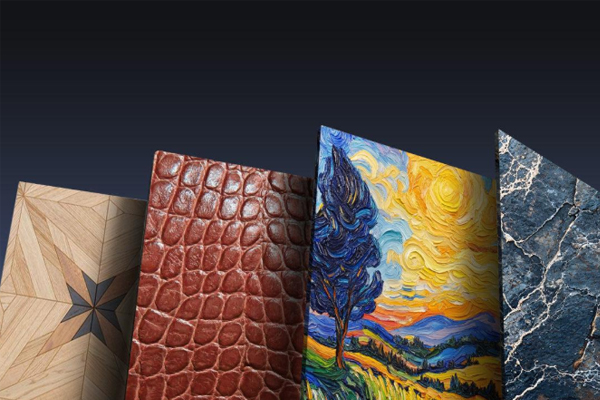
- Fast Texture Switching:A single printer can create wood grain, stone patterns, leather textures, fabric textures, and artistic surface effects without changing hardware.
- Ideal for Customized Production:Small-batch and personalized orders can be produced efficiently without tooling limitations.
- Shorter Product Development Cycles:New designs can move directly from digital artwork to printing, accelerating product testing and market introduction.
Digital inkjet technology enables manufacturers to respond quickly to changing customer demands while improving production flexibility.
Finished Product Appearance Shows Significant Differences
The final appearance and tactile experience of a product are important considerations when selecting a surface decoration process. Traditional embossing generally produces fixed and repetitive patterns because the texture is determined entirely by the mold design, leaving limited room for modification.
3D texture printing builds raised surfaces by depositing multiple layers of UV ink, allowing much greater variation in height and detail. Different areas of the same design can have different elevations, creating natural transitions and emphasizing selected graphic elements with stronger visual depth.
For decorative wood panels, wall coverings, artwork, branded signage, and premium packaging, 3D texture printing can simultaneously produce full-color graphics and raised textures. The printed image and surface texture align precisely, resulting in highly realistic visual effects. Inkjet technology also allows selective gloss adjustments across different areas, further enhancing product appearance and premium quality.
3D Texture Printing Supports a Wider Range of Industrial Applications
As digital manufacturing technology continues to advance, more industries are adopting industrial UV printers for raised texture production. Compared with the fixed processing methods of traditional embossing, digital inkjet printing offers much greater application flexibility.
Common application industries include:
- Building Decoration Materials:Suitable for decorative panels, wooden boards, wall panels, furniture surfaces, and interior decoration products with realistic texture effects.
- Advertising and Display Products:Used for signs, display boards, logos, exhibition graphics, and artistic display products that require enhanced visual impact.
- Packaging Printing:Premium gift boxes and branded packaging can feature embossed-style textures to increase product value and shelf appeal.
- Craft and Gift Manufacturing:Decorative products, souvenirs, and artistic items can achieve detailed textured surfaces that enhance product uniqueness.
- Consumer Electronics:Mobile phone cases, tablet covers, smart device panels, and electronic housings can feature raised decorative textures that improve product recognition.
The broad range of applications has made 3D texture printing one of the leading technologies for modern digital surface decoration.
Digital Inkjet Technology Continues to Advance 3D Texture Printing
As industrial UV printing equipment continues to improve, 3D texture printing has evolved from simple image printing into an advanced digital manufacturing process that combines decorative appearance with functional surface design. Industrial printheads, high-precision motion control systems, and rapid UV curing technology work together to build stable, uniform, and highly detailed raised textures through multiple inkjet layers.
In the future, 3D texture printing will continue integrating intelligent control systems, automatic feeding equipment, vision positioning technology, and digital production management platforms to achieve higher production efficiency and greater printing accuracy. For manufacturers seeking product differentiation, faster product development, and stronger market competitiveness, industrial UV inkjet 3D texture printing offers an innovative solution for building materials, packaging, advertising displays, decorative products, handicrafts, and consumer electronics while delivering impressive visual and tactile effects.