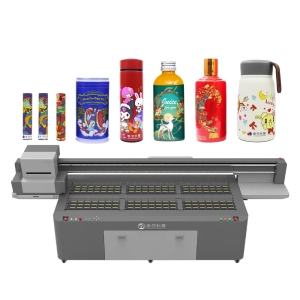
Product appearance has become an important factor influencing customer decisions. Even with the same product, a unique texture and richer visual depth can make it look more premium and increase brand value. UV 3D texture printing uses inkjet technology to create effects similar to wood grain, leather, metallic finishes, and matte textures on different materials, providing more design possibilities for products. However, not all materials deliver the same printing results. Surface smoothness, ink adhesion, and material characteristics can all affect the final appearance. Understanding different material properties and choosing the right printing solution allows 3D texture printing to achieve better performance.
Acrylic Materials Are Ideal for Transparent and Premium Texture Effects
Acrylic is widely used in advertising displays, home decoration, product packaging, and other industries because of its transparency, smooth surface, and decorative appeal. With UV 3D texture printing, acrylic surfaces can achieve richer visual effects while maintaining the material’soriginal clarity.
Common applications of acrylic printing include:
- Display boards and decorative panels: Add textures and graphics to improve visual appeal and design value.
- Brand logo production: Print logos and dimensional visual effects to strengthen brand presentation.
- Premium packaging components: Enhance cosmetic packaging, gift boxes, and other products with refined surface designs.
Since acrylic surfaces are relatively smooth, proper cleaning is important before printing to prevent dust and oil from affecting ink adhesion. With suitable printing settings, the texture effect can become more detailed and attractive.
Wood Materials Can Create Natural Texture Effects
Wood already has natural patterns and a warm appearance. When combined with 3D texture printing, it can further enhance the visual expression of products. For products that aim for a natural style or premium customized appearance, wood is a suitable printing material.
Common applications include:
- Furniture decorative panels: Add unique patterns and designs to wooden products.
- Wooden creative products: Suitable for customized decorations, souvenirs, and artistic items.
- Interior decoration applications: Create different surface effects to meet various design requirements.
Wood surfaces usually have natural grain variations and uneven textures, so printing settings should be adjusted according to the material condition. Proper preparation allows wood products to maintain their natural feel while supporting more creative designs.
Metal Materials Are Suitable for Products with Industrial Style
Metal materials are known for their strength, durability, and modern appearance. They are commonly used for equipment panels, signs, decorative parts, and premium product housings. Through UV 3D texture printing, metal surfaces can achieve more creative designs and transform industrial materials into more visually appealing products.
Common applications include:
- Machinery panels: Print labels, functional markings, and decorative textures to improve product appearance.
- Metal signs: Enhance the visibility and presentation of text and graphics.
- Electronic product housings: Create customized appearances and improve product competitiveness.
- Decorative metal sheets: Simulate different material effects to meet design needs.
Metal surfaces are usually smooth, so surface cleaning and ink adhesion are important before printing. Choosing the right printing solution helps maintain stable texture effects while improving product durability.
Glass and Plastic Materials Are Suitable for Customized Products
Besides acrylic, wood, and metal, glass and plastic are also commonly used materials for UV 3D texture printing. These materials have a wide range of applications and are suitable for packaging, consumer products, and electronic accessories.
Main application areas include:
- Glass packaging printing: Such as wine bottles, perfume bottles, and decorative glass products, improving their visual value.
- Plastic housing customization: Suitable for electronic accessories, daily products, and branded merchandise.
- Small-batch personalized production: Meeting customer demand for unique patterns and customized textures.
Although glass and plastic are widely used, their surface characteristics are different. Some plastics may have weaker ink adhesion, while glass surfaces can easily collect dust. Proper testing and adjustment are necessary before production.
Choosing the Right Material Is the Key to Better 3D Texture Printing Results
The advantage of UV 3D texture printing is its ability to create richer surface effects on different materials. However, achieving the best results requires more than just printing the design. Material characteristics must also be considered during the production process.
Important factors include:
- Selecting materials based on product usage: Display products may focus more on appearance, while frequently used products require stronger durability.
- Testing printing results in advance: Different materials interact differently with UV ink, and testing helps reduce production risks.
- Matching textures with product styles: Wood grain, leather, and stone effects should align with the overall product positioning.
Choosing the right material and printing solution helps create more natural texture effects and allows businesses to develop more competitive products.
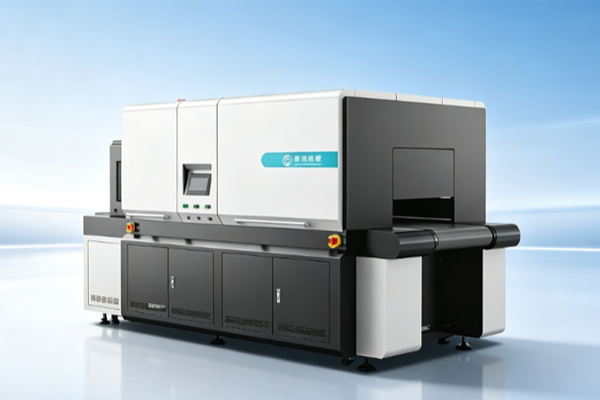
UV 3D texture printing gives different materials more possibilities for surface design. From acrylic, wood, and metal to glass and plastic, various materials can achieve unique visual effects through inkjet technology. This printing method not only improves product appearance but also provides new opportunities for customized designs and brand differentiation. In practical applications, selecting the right printing approach based on material characteristics is essential for achieving stable and outstanding texture results. SpringYprinter provides professional UV inkjet printing solutions to help businesses achieve high-quality 3D texture printing and multi-material surface effects.