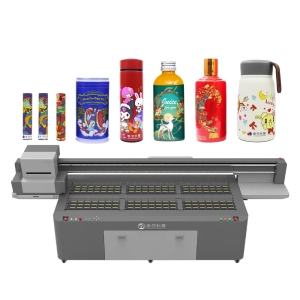
The difference between products in the market is not only reflected in their functions. Packaging also plays an important role in shaping the first impression of consumers. Especially in industries such as cosmetics, gifts, and electronics, customers often judge product value through the appearance and texture of the packaging. Traditional printing can provide rich colors and clear graphics, but it has limitations when creating special surface textures and premium visual effects. By combining UV printing with 3D texture printing effects, businesses can add more depth and refinement to packaging surfaces, allowing materials such as paper boxes, acrylic, and plastic to achieve finishes similar to leather, matte, and metallic textures.
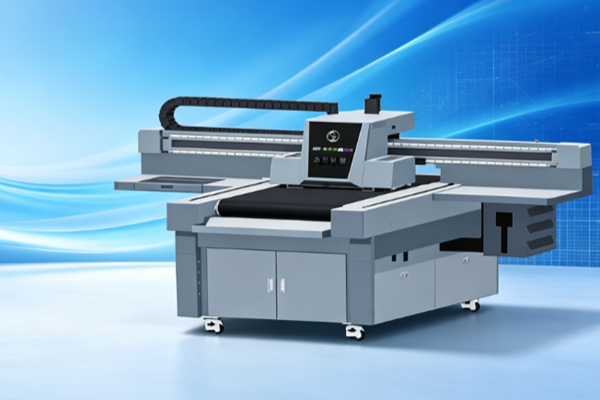
Enhancing Packaging Value Through Texture Design
Packaging design is not only about combining colors and graphics. Surface effects also influence how customers perceive a product. UV printing can directly apply designs onto packaging surfaces and use special texture effects to improve the overall appearance, taking packaging from simply attractive to more premium and sophisticated.
Common ways to improve packaging appearance include:
- Creating unique brand textures: Businesses can design exclusive surface effects based on brand positioning to improve product recognition.
- Enhancing detail presentation: Small patterns, logos, and decorative elements become more noticeable with texture effects.
- Creating different material impressions: Printing techniques can simulate styles such as leather, wood grain, and matte finishes to provide more design options.
For premium products, customers care not only about whether the packaging looks attractive but also whether it reflects quality. Packaging with texture effects can create stronger visual differentiation among similar products.
UV Printing Makes Small-Batch Premium Packaging More Flexible
Traditional packaging processes often require molds or additional processing steps when creating special textures. For small-batch orders, this can increase costs and production time. UV printing provides a more flexible solution, especially for customized and diverse packaging requirements.
This printing method is suitable for:
- New product test packaging: Brands can quickly create different designs and evaluate market responses before mass production.
- Limited-edition product packaging: Ideal for holiday gift boxes, collaboration products, and special releases that require unique appearances.
- Personalized packaging orders: Meets customers’ needs for customized graphics, text, and texture effects.
- Packaging upgrades for small and medium brands: Helps businesses improve product appearance without excessive investment.
As demand for personalized products continues to grow, packaging production is no longer focused only on large-volume manufacturing. Design flexibility has become increasingly important, and UV printing helps businesses launch distinctive products more efficiently.
How Do Different Packaging Materials Present Texture Effects?
Packaging materials are becoming more diverse, and different surfaces create different visual results after UV printing. Understanding material characteristics helps businesses choose more suitable printing solutions and achieve more natural texture effects.
Common material applications include:
- Paper packaging boxes: Suitable for gift boxes, food packaging, and cosmetic packaging, enhancing surface details and premium appearance.
- Acrylic packaging components: The transparent and smooth surface can combine with special textures to create modern visual effects.
- Plastic packaging housings: Suitable for electronics, consumer products, and customized packaging to improve appearance.
- Metal packaging materials: Can create refined industrial-style finishes for premium products.
Different materials have different ink adhesion and graphic performance. Testing samples before production allows businesses to adjust printing settings in advance and avoid inconsistent results during large-scale production.
How Can 3D Texture Printing Help Brands Create Differentiated Packaging?
With increasing market competition, many brands are no longer satisfied with simple packaging designs. They want packaging that creates stronger product recognition and communicates brand value. UV printing with 3D texture effects provides more possibilities for packaging innovation.
Brands can improve packaging competitiveness through:
- Combining textures with brand elements: Make packaging not only display product information but also communicate brand identity.
- Highlighting key design areas: Apply textures to logos, graphics, or important visual sections to attract attention.
- Combining different surface effects: Use multiple texture styles to create richer layers and visual changes.
Compared with simple color printing, texture effects add more interaction and leave a stronger impression on consumers visually and through touch. For brands that focus on premium positioning, this design approach can help increase perceived product value.
UV printing provides more creative possibilities for packaging surface design. Through 3D texture printing technology, businesses can achieve richer visual effects on different materials while meeting customized packaging needs and improving brand image. From premium gift boxes to consumer product packaging, unique texture designs are becoming an important way to strengthen market competitiveness. Choosing the right printing solution and design approach allows packaging to become a valuable part of the overall product experience.