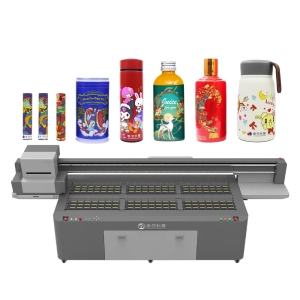
A product’s appearance is often the first thing that attracts customers. Compared with traditional printing that only adds colors and patterns, more businesses now want products to have richer visual effects, such as wood grain, leather texture, embossed patterns, and matte finishes. 3D texture printing has developed to meet this demand. It does not create a real three-dimensional structure by carving or changing the material itself. Instead, it uses UV inkjet printing technology to precisely control ink layers and graphic effects, allowing flat surfaces to achieve a 3D-like visual appearance and tactile experience. This printing method helps businesses improve product value and is increasingly used in packaging, decoration, advertising, and customized products.
What Exactly Is 3D Texture Printing?
When many people first hear about 3D texture printing, they may think it works like 3D printing technology, which builds physical structures through material deposition. In reality, the two technologies are completely different. 3D texture printing mainly relies on UV inkjet technology to create textured effects on the surface of materials, giving products a more layered appearance.
This printing method has several key features:
- Enhancing depth through layered ink application: By applying multiple ink layers, printed patterns can create visual changes in depth and dimension.
- Simulating different realistic textures: It can reproduce effects such as wood grain, leather finishes, metallic appearances, and embossed designs.
- Maintaining high-resolution image quality: In addition to textures, it can also print detailed images, text, and brand logos.
Simply put, traditional printing mainly focuses on displaying graphics, while 3D texture printing takes the visual experience further by making printed surfaces look and feel closer to real materials.
How Does UV Inkjet Technology Create 3D Texture Effects?
The key to 3D texture printing lies in UV inkjet technology. The printer precisely controls ink application, creating different visual effects in specific areas. Combined with lighting and color changes, the printed surface appears more realistic and three-dimensional.
Creating texture effects usually requires:
- Precise control of ink volume: Different areas of the design require different amounts of ink to create natural light and shadow variations.
- Multiple printing layers for enhanced texture: Repeated ink application helps make the texture effect more visible.
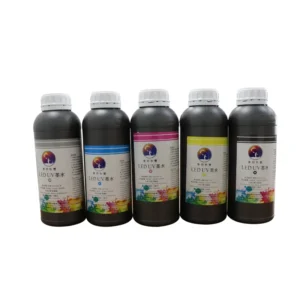
- Combining white ink and varnish effects: Different ink combinations can improve gloss, depth, and special surface appearances.
- High-precision graphic processing: Texture designs need to work together with printing resolution to accurately reproduce details.
One major advantage of this method is its flexibility. It does not require molds or complicated processing procedures. Businesses can quickly adjust designs based on different product requirements, making it suitable for customized and small-batch production.
Which Industries Can Benefit from 3D Texture Printing?
The value of 3D texture printing is not only reflected in its appearance but also in its ability to increase product value. For industries that focus on design and brand image, this printing method can create noticeable differentiation.
Common application areas include:
- Packaging industry: Used on gift boxes, cosmetic packaging, and premium product cases to create more refined surface effects.
- Advertising and display industry: Applied to display boards, promotional materials, and decorative panels to improve visual impact.
- Home decoration field: Can simulate wood grain, stone textures, and other effects to enhance decorative materials.
- Electronic product design: Used on product housings and panels to improve overall product appearance.
For brands, competition among similar products is becoming stronger. A unique surface design can help products stand out and become easier for consumers to remember. 3D texture printing provides a cost-effective way to enhance product appearance and visual value.
What Should You Consider When Choosing 3D Texture Printing?
Although 3D texture printing can create unique visual effects, achieving stable and high-quality results also requires attention to equipment performance, material compatibility, and design solutions. Different materials have different surface characteristics and ink adhesion performance, which can affect the final appearance.
When applying this technology, consider:
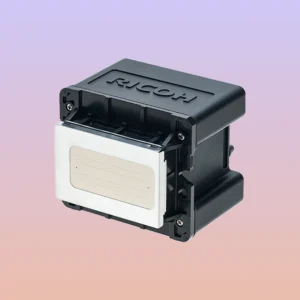
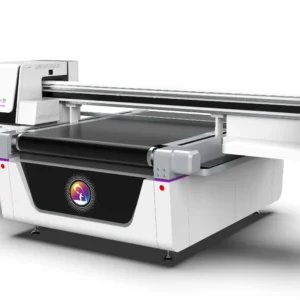
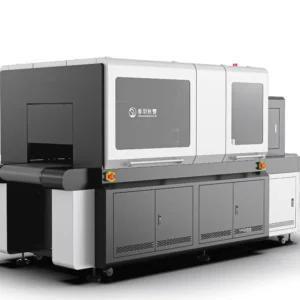
- Choosing the right printing equipment: Printer accuracy, printhead performance, and ink control ability directly affect texture quality.
- Testing material compatibility in advance: Different materials have different adhesion characteristics with UV ink, so testing is necessary before production.
- Designing suitable texture patterns: Texture effects should match the product style, as overly complex designs may affect the overall appearance.
Businesses should also consider production efficiency when introducing 3D texture printing. For products requiring long-term production, stable printing performance and easy operation are equally important. Choosing the right UV printing solution helps businesses turn texture effects into real product advantages.
3D texture printing expands the possibilities of traditional surface printing. Through UV inkjet technology, businesses can create richer and more premium-looking effects on different materials. Although it does not change the structure of the material itself, it uses ink layers, colors, and lighting effects to create an appearance similar to real textures. From packaging and advertising displays to customized products, 3D texture printing is helping more companies improve product value and create unique designs. SpringYprinter provides professional UV inkjet printing solutions to help businesses achieve high-quality 3D texture effects and customized printing applications on various materials.