Digital device housings not only protect internal components but also play an important role in displaying brand identity and improving product competitiveness. With the continuous development of smart devices, industrial terminals, and electronic control products, traditional processes such as spraying and screen printing have limitations in complex pattern processing, rapid customization, and small-batch production. The digital device housing UV printing solution uses industrial UV printers to directly print patterns, text, and textures onto housing surfaces through digital inkjet technology, achieving high-precision, high-efficiency, and diversified appearance processing.
This solution is suitable for various materials, including plastic housings, metal panels, glass covers, and acrylic components. Through UV ink rapid curing technology, it improves pattern adhesion and surface durability. Companies do not need to create traditional printing plates and can complete production by simply importing design files, meeting the requirements of fast product updates, customized production, and differentiated product design.
Advantages and Technical Features of Digital Device Housing UV Printing Solution
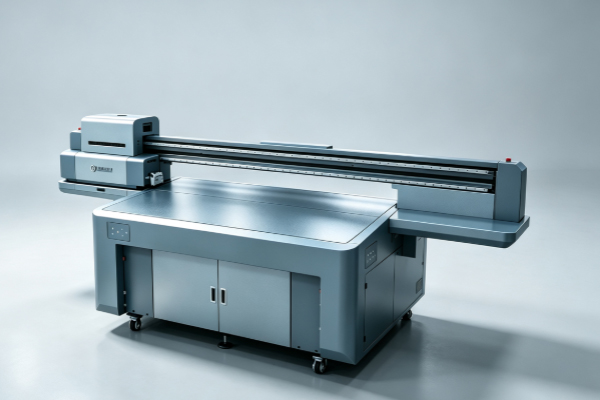
The digital device housing UV printing solution uses a precision inkjet control system to convert design images into printing data and complete high-quality output through accurate printhead movement. This technology reduces complicated processing procedures, improves appearance processing efficiency, and maintains stable printing quality. Compared with traditional manufacturing methods, UV printing is more suitable for modern electronic manufacturing environments and helps companies shorten product development cycles while improving production flexibility.
High-Precision Printing Improves Housing Appearance Quality
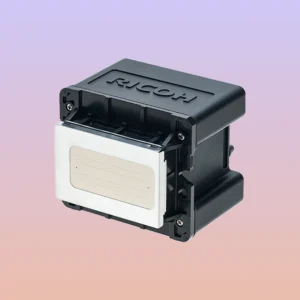
Digital device housings require high levels of visual precision, especially for smart terminals, industrial control equipment, and consumer electronic products. These products need clear presentation of brand logos, functional areas, and decorative textures. UV printing equipment uses high-precision printheads to control ink droplet output, allowing small text, complex lines, and gradient colors to be accurately reproduced.
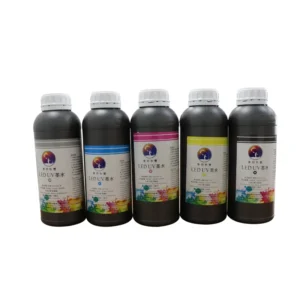
The technology supports multi-layer printing modes. By combining white ink, color ink, and varnish, different visual effects can be achieved. For example, printing a white base layer on dark-colored housings can enhance color brightness, while applying varnish layers can create glossy surfaces or special texture effects, adding higher design value to ordinary housings.
Multi-Material Compatibility Expands Product Applications
Digital device housings are made from various materials, and each material has different surface characteristics. The UV printing solution can adjust ink types, printhead height, and curing parameters to meet different production requirements.
| Housing Material | Printing Advantages | Common Applications |
| ABS Plastic | Stable ink adhesion and high color reproduction | Smart device housings, control terminals |
| Aluminum Alloy | Clear patterns with strong metallic appearance | Industrial equipment panels, communication devices |
| Acrylic | Excellent transparency and decorative effects | Display equipment housings |
| Glass | Smooth surface and fine pattern details | Smart electronic products |
| PVC Material | High processing efficiency for mass production | Electronic accessories |
By adjusting printing processes according to different materials, UV printing can satisfy the diverse appearance processing requirements of electronic manufacturing companies.
Fast Production Mode Optimizes Manufacturing Processes
Digital device housing UV printing does not require traditional plate-making procedures and can directly connect with design software for production. After product designs are modified, companies only need to update the printing file to start processing again, greatly reducing new product development time.
This production method is especially suitable for multi-model and small-batch electronic product orders. Companies can quickly launch different product styles according to market demand, reduce inventory pressure, and improve resource utilization efficiency.
Usage Methods and Application Scenarios of Digital Device Housing UV Printing Solution
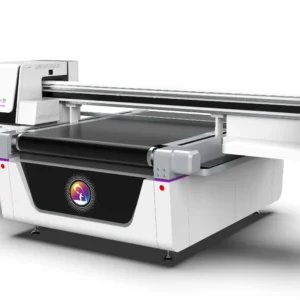
Digital device housing UV printing requires a suitable production process based on equipment performance, product structure, and manufacturing requirements. From product preparation and pattern design to printing and curing, every step affects the final quality. Industrial UV printers are usually equipped with automatic height detection, precision positioning, and intelligent control systems to ensure consistent printing results for housings of different sizes.
UV Printing Equipment Operation Process and Production Requirements
When printing digital device housings, product inspection and parameter settings need to be completed in advance to ensure stable ink adhesion. A proper operation process can reduce printing errors and improve production efficiency.
The specific operation steps include:
- Clean the housing surface to remove dust, oil stains, and impurities.
- Adjust the printing platform according to the housing size to ensure stable positioning.
- Import the design pattern into the printing control system and complete layout settings.
- Adjust printhead height, printing speed, and ink volume according to material characteristics.
- Start the printing process and complete pattern curing through UV lamps.
After printing, the finished products need to be inspected to confirm color consistency, pattern integrity, and surface adhesion. Standardized operation helps maintain stable quality during mass production.
Application Fields of Digital Device Housing UV Printing
The digital device housing UV printing solution is widely used in various electronic manufacturing industries. With the increasing number of intelligent devices, manufacturers have higher requirements for housing decoration and functional identification. UV printing technology provides more flexible processing options.
Common application scenarios include:
- Smart home device housings, used for smart control panels, sensors, and gateway equipment decoration.
- Industrial automation equipment housings, used for operation terminals, testing instruments, and control systems.
- Communication equipment housings, used for network devices, signal modules, and electronic components.
- Consumer electronic product housings, used for earphone cases, charging devices, and smart accessories.
- Medical electronic equipment housings, used for instrument labels, model information, and brand displays.
Different industries have different requirements for appearance and durability. UV printing can adjust processing parameters according to actual usage environments and improve product adaptability.
UV Printing Functions Enhance Product Added Value
Digital device housing UV printing can not only complete basic image printing but also create various special effects, making products more attractive in competitive markets.
Main functions include:
- High-definition color printing for complex patterns and brand identification.
- White ink printing to improve image performance on dark materials.
- Varnish coating to enhance surface protection.
- 3D printing effects to create tactile textures and embossed patterns.
- Customized printing to meet different customer design requirements.
These functions help companies create unique products and improve the visual performance and user experience of digital device housings.
Performance Optimization and Future Development Trends of Digital Device Housing UV Printing
With electronic products becoming more precise and intelligent, housing processing technologies need to meet requirements for appearance, durability, and rapid production. Digital device housing UV printing solutions continuously improve production capabilities through equipment upgrades, material optimization, and automation integration, providing reliable processing methods for the electronics manufacturing industry.
High Stability Performance Ensures Long-Term Production
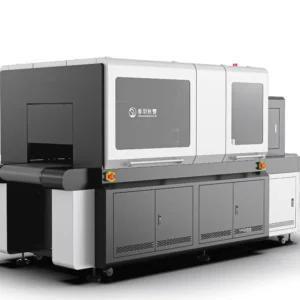
Industrial UV printers use stable mechanical structures and precise control systems to support continuous production. During the printing process, equipment can maintain uniform ink output, reduce color differences and pattern deviations, and improve consistency among mass-produced products.
High-performance UV printing equipment usually includes automatic printhead cleaning, intelligent detection, and precision positioning functions, reducing maintenance requirements and improving equipment operating efficiency. For companies producing electronic housings continuously, stable performance can effectively reduce downtime and improve overall manufacturing efficiency.
Eco-Friendly and Intelligent Technologies Promote Industry Development
UV printing technology uses rapid curing methods, reducing material waste and complicated processing procedures during traditional printing. Digital production methods can accurately control ink consumption, improve resource utilization, and better meet the requirements of modern manufacturers for environmentally friendly production.
In the future, digital device housing UV printing solutions will further integrate automated production lines, visual inspection systems, and intelligent manufacturing platforms to achieve more efficient production models. With the growing demand for personalized electronic products, UV printing will play a greater role in smart devices, industrial electronics, and consumer electronics, providing companies with high-quality and efficient housing decoration solutions.