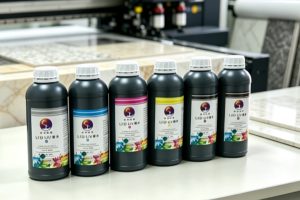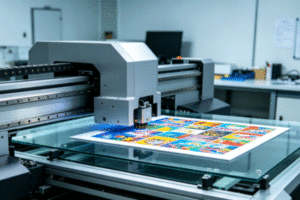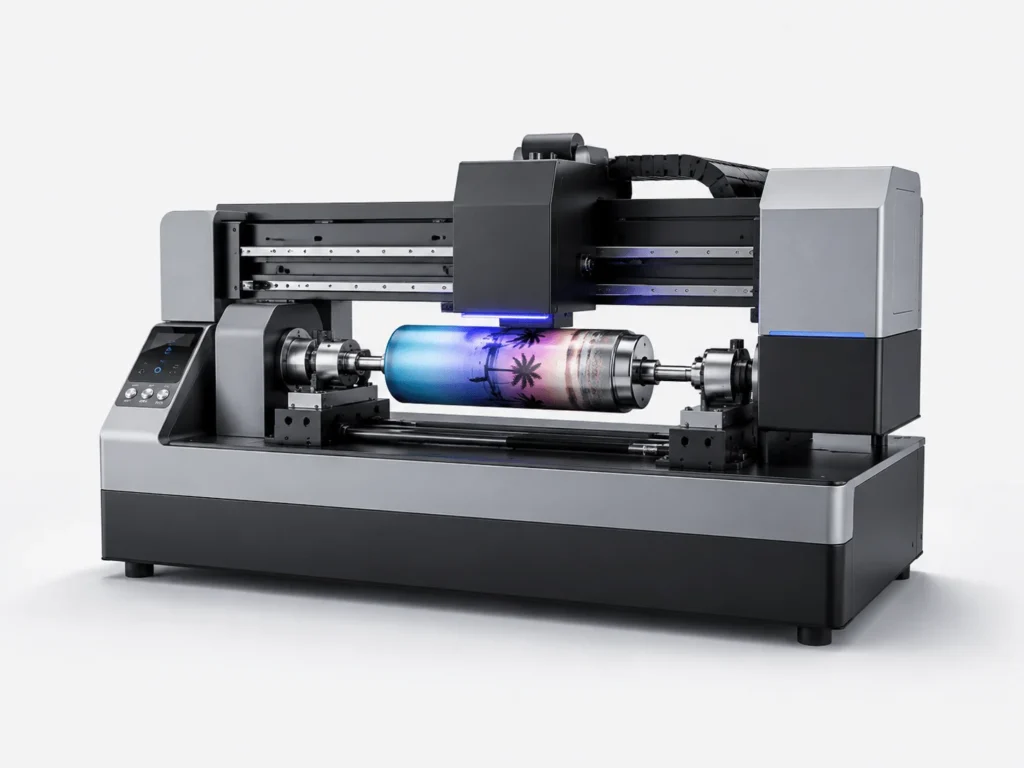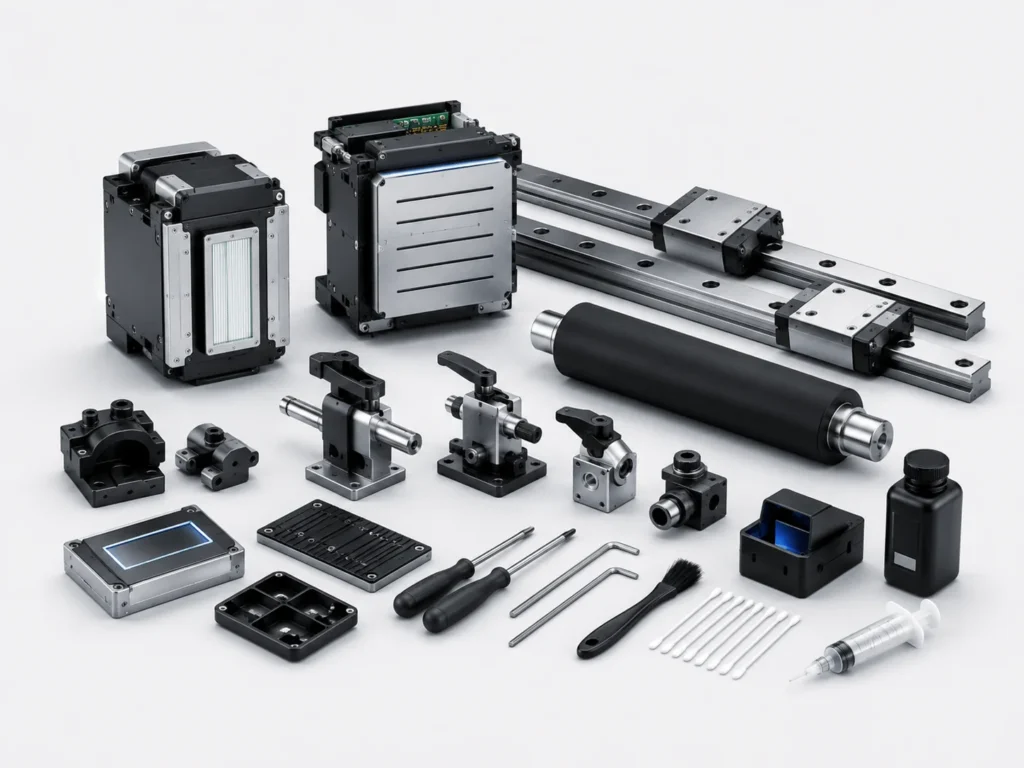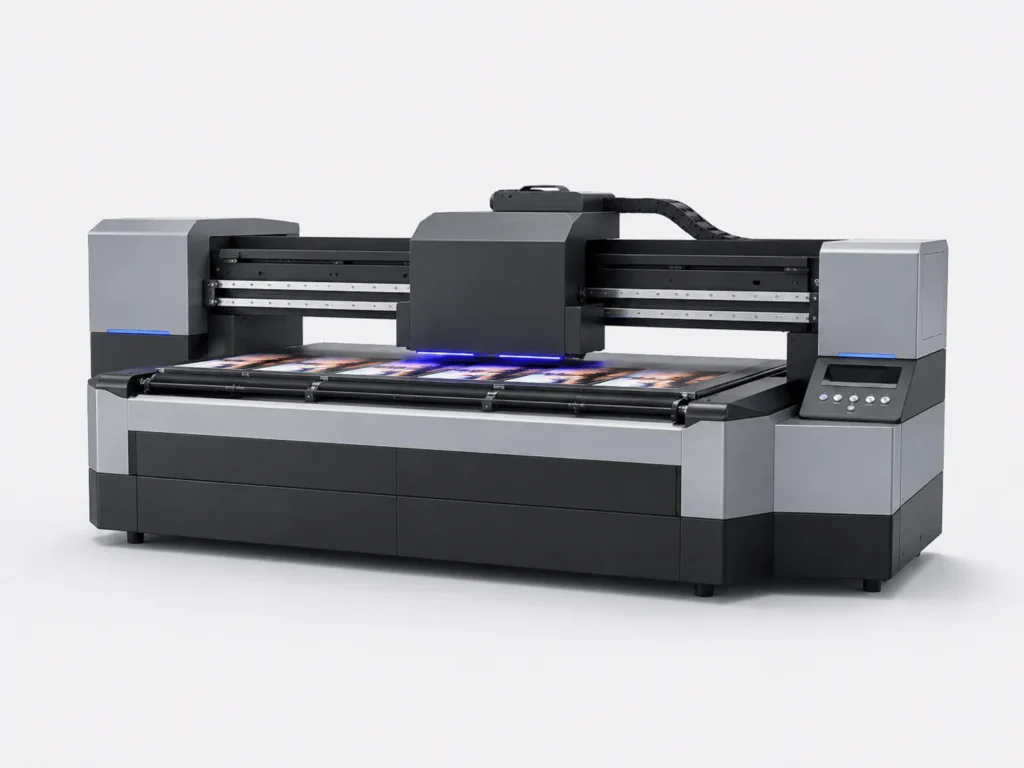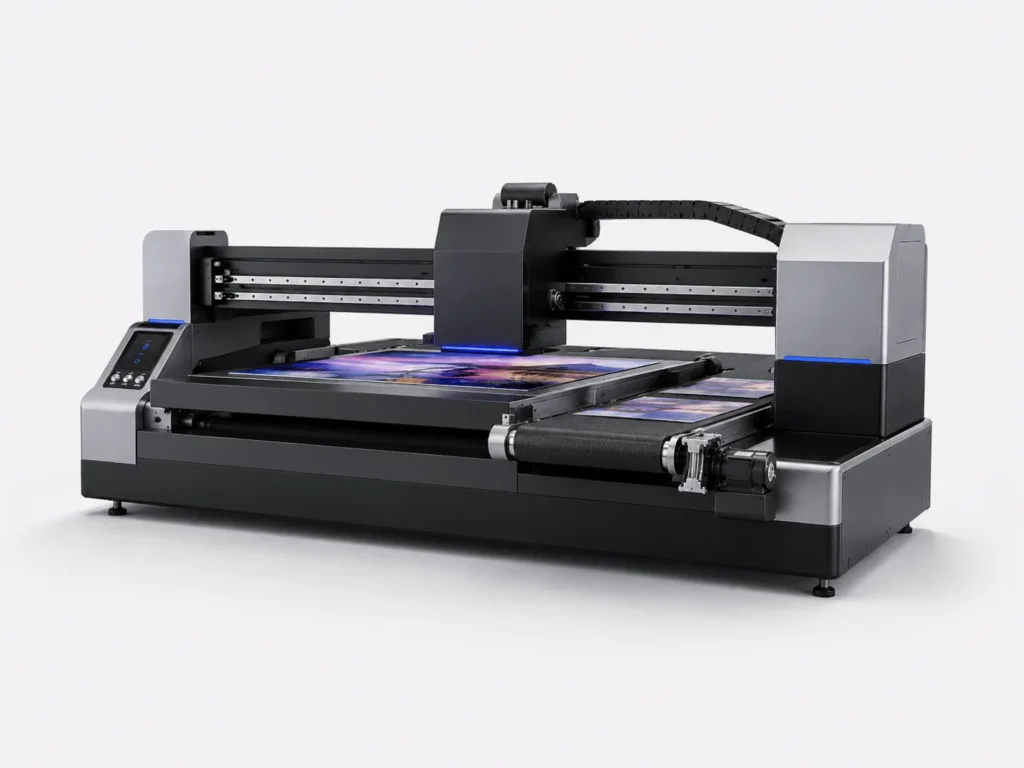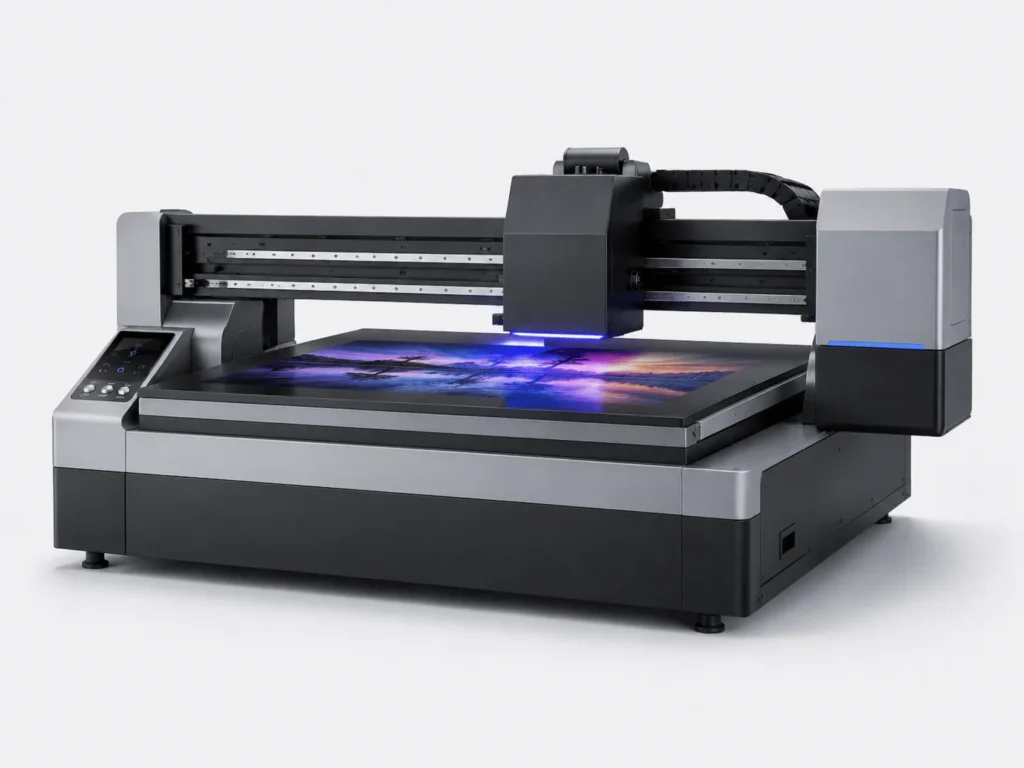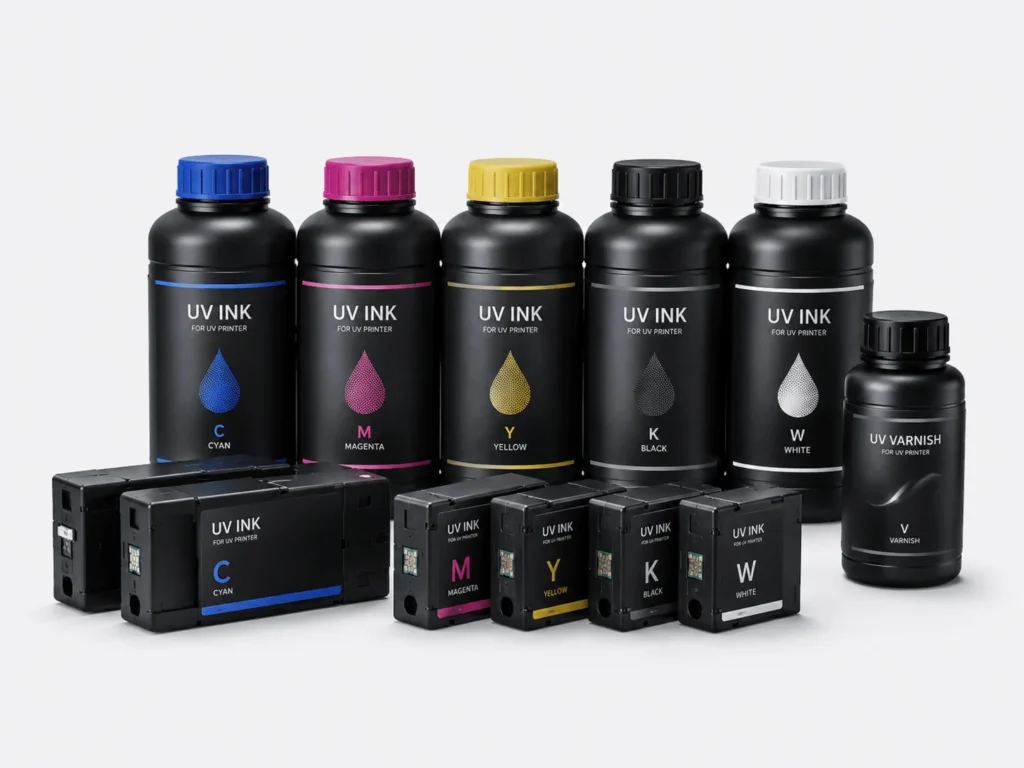
With the continuous application of UV printing technology in advertising production, packaging printing, electronic products, industrial manufacturing, and personalized products, the selection of UV ink has become an important factor affecting printing results. Although different products can all be processed using UV printing methods, the properties of materials, application environments, and product functional requirements are different, meaning that not all UV inks are suitable for the same type of product. If the ink is selected improperly, problems such as insufficient adhesion, poor color performance, surface cracking, or pattern damage after long-term use may occur.
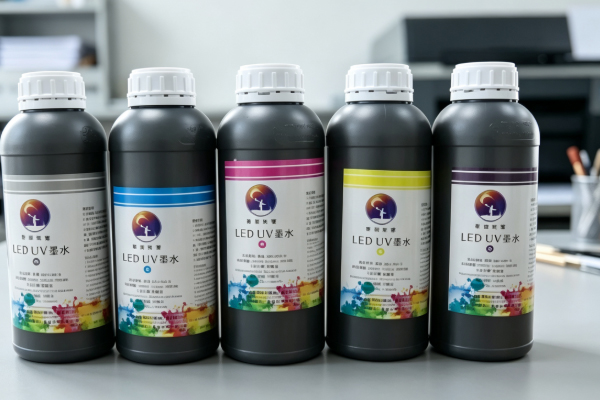
Currently, common UV inks on the market include hard UV ink, flexible UV ink, and functional UV ink developed for special applications. Hard UV ink focuses more on ink layer hardness, surface gloss, and abrasion resistance, while flexible UV ink focuses more on flexibility and material adaptability. Functional UV ink adds special properties according to the product application environment. When selecting UV ink, companies should not only focus on whether the printing color is bright but also consider product materials, processing methods, and final application scenarios.
Hard Products Should Choose Hard UV Ink
Hard materials usually have strong surfaces and are not easily deformed. Therefore, the requirements for UV ink are mainly focused on adhesion performance, surface hardness, and visual effects. These products usually maintain a fixed shape during use and do not require the ink to follow large material changes, allowing hard UV ink to perform better. After curing, hard UV ink can form a stable ink layer, improving pattern clarity while enhancing surface protection. Therefore, in advertising displays, industrial markings, decorative materials, and other fields, hard UV ink has become a common choice.
Acrylic Products Are Suitable for Hard UV Ink
Acrylic is one of the most widely used materials in UV printing. It has characteristics such as high transparency, a smooth surface, and easy processing, and is commonly used for advertising boards, display racks, light boxes, and decorative panels. Since acrylic products usually do not undergo obvious bending changes, printing mainly focuses on ink adhesion, color reproduction ability, and surface texture. After curing, hard UV ink can form a stable ink layer on the acrylic surface, keeping patterns clear while improving overall visual effects.
Hard UV ink applied to acrylic products can achieve:
- Clear text and pattern effects.
- Good color reproduction ability.
- Stable surface adhesion performance.
- Strong abrasion resistance.
For example, advertising display boards need to withstand dust, wiping, and minor impacts during long-term placement. If the surface stability of the ink is insufficient, patterns may become blurred or partially peel off. After using hard UV ink, printed content can maintain better integrity.
Glass and Metal Products Are Suitable for Hard Ink
Glass and metal are also common hard printing materials. However, the surfaces of these two materials are usually relatively smooth, making it difficult for ink to naturally penetrate. Therefore, they have higher requirements for adhesion performance. Glass products, such as decorative glass, display cabinet panels, and glass signs, require ink to firmly bond with the surface while maintaining good transparency or decorative effects. Metal products, such as equipment nameplates, mechanical markings, and electronic product housings, require ink to have certain abrasion resistance because these products may experience friction, cleaning, or environmental influences during use.
Common applications include:
- Glass decorative panels.
- Metal nameplates.
- Industrial equipment markings.
- Electronic product housings.
Hard UV ink can meet the surface stability requirements of these products. After printing, the ink layer has good hardness, reducing damage caused by daily use. However, glass and metal materials may have different surface treatments during actual production, such as glass coating, metal spraying, or oxidation treatment. These conditions can affect ink adhesion. Therefore, testing should be carried out according to the specific material condition before formal production.
Flexible Products Should Choose Flexible UV Ink
The biggest difference between flexible materials and hard materials is that flexible materials may bend, fold, or stretch during use. Therefore, when selecting UV ink, it is necessary not only to consider color effects but also to focus on the flexibility of the cured ink. If flexible materials use ink with excessive hardness, material changes may cause the ink layer to fail to move synchronously, resulting in cracks or peeling. Therefore, flexible UV ink is mainly developed for products requiring certain elasticity and stretching ability.
Leather Products Are Suitable for Flexible UV Ink
Leather is a soft material widely used in bags, footwear materials, furniture decoration, and personalized product manufacturing. In these applications, products are often affected by bending, compression, and friction, requiring higher flexibility from the ink. After flexible UV ink is printed on leather surfaces, it can maintain certain elasticity, allowing patterns to follow slight leather changes without easily breaking.
Flexible UV ink printing on leather has:
- The ability to follow material changes.
- Reduced pattern cracking problems.
- Maintained printed content integrity.
For example, leather wallets and leather packaging products are continuously folded during long-term use. If ordinary hard ink is used, surface cracks may appear. Flexible UV ink can better adapt to this usage environment. At the same time, leather surfaces have complex structures, and different leather types have different adhesion requirements for ink. Therefore, in actual production, suitable ink needs to be selected according to leather material, surface treatment method, and usage requirements.
Soft Films and Plastic Products Are Suitable for Flexible Ink
Some plastic materials and soft film materials have certain elasticity, such as PVC soft films and TPU materials. These materials may experience slight deformation during processing, transportation, or use. If hard ink is used on these products, the initial printing effect may be good, but long-term material changes may cause damage to the ink layer.
Flexible UV ink can:
- Reduce the impact of material deformation.
- Improve pattern retention ability.
- Enhance product usage stability.
Common applications include:
- PVC soft films.
- TPU materials.
- Flexible packaging.
- Foldable decorative materials.
For example, flexible packaging products may be rolled or folded during transportation. If the ink does not have good flexibility, patterns can easily become damaged. Flexible UV ink can maintain good continuity, making product appearance more stable. Therefore, when selecting flexible UV ink, factors such as material thickness, elasticity level, and final usage method need to be considered to ensure ink performance meets actual requirements.
Special Effect Products Require Specialized UV Ink
With the continuous expansion of UV printing applications, many products are no longer satisfied with simple text and pattern printing but hope to achieve richer visual effects through printing processes, such as three-dimensional embossing, transparent effects, matte textures, and special patterns. These products have higher requirements for UV ink. The ink must not only provide good color performance but also maintain a stable structure after curing. Although ordinary UV ink can complete basic pattern printing, it may not meet requirements for thickness, layering, and surface effects in some special applications. Therefore, for special application scenarios, UV ink with corresponding performance needs to be selected, or the ink formula needs to be adjusted through customization to better meet product design requirements.
High-Precision Patterns Require Highly Stable Ink
For products requiring fine printing effects, ink stability is extremely important. These products usually contain small text, complex lines, or detailed patterns. If ink fluidity, adhesion, or curing performance is unstable, problems such as blurred printing edges and missing details may occur.
High-stability UV ink usually has:
- Good inkjet smoothness.
- Stable color output.
- Clear pattern reproduction ability.
- Lower printing errors.
For example, electronic product housings, brand LOGOs, and precision decorative parts usually require accurate pattern dimensions and colors that meet design standards during production. If ink performance is unstable, even high-precision printing equipment may not achieve the desired final results. In addition, high-precision printing requires attention not only to the ink itself but also to printing equipment parameters. Factors such as print head type, printing speed, and curing intensity can affect the final effect.
Three-Dimensional Effects Require Special UV Ink
UV printing technology can create three-dimensional effects with height differences through multiple layers of ink stacking. This process is commonly used in decorative products, high-end packaging, and personalized customization. When creating three-dimensional printing effects, ordinary ink may not meet requirements because the process requires ink to maintain a certain thickness. If the ink easily levels after curing, it becomes difficult to create obvious layers.
UV ink suitable for three-dimensional effects usually requires:
- Good ink layer stacking ability.
- Stable curing speed.
- Good interlayer bonding performance.
For example, when creating embossed LOGOs, multiple printing layers are required to form raised effects. If the ink cannot maintain structural stability, the final pattern may not appear clear enough, affecting product texture. In the decoration industry, some wooden panels, glass products, and acrylic decorations use UV printing to add texture effects and make products look more premium. These applications require not only accurate colors but also the ability of ink to create special tactile effects. Therefore, for products requiring special visual effects, ordinary UV ink may not achieve ideal results, and more suitable specialized UV ink should be selected according to design requirements.
Industrial Products Should Choose Functional UV Ink
Industrial products usually have stricter requirements for UV ink because they need not only good appearance effects but also long-term usage performance. Industrial environments may involve friction, high temperatures, oil stains, cleaning agents, and other factors. If ink performance is insufficient, markings may become damaged and affect normal product use. Therefore, industrial products usually need functional UV ink, such as abrasion-resistant, weather-resistant, chemical-resistant, or high-adhesion ink. By improving ink performance, product marking stability can be enhanced.
Outdoor Products Should Choose Weather-Resistant UV Ink
Outdoor products are exposed to natural environments for long periods and need to withstand sunlight, rain, and temperature changes. Although ordinary UV ink can complete printing, problems such as color fading and surface aging may occur after long-term use. Weather-resistant UV ink is mainly used to improve long-term product stability and maintain good visual effects.
Common applications include:
- Outdoor advertising boards.
- Architectural decorative signs.
- Road signs.
- Outdoor display products.
For example, outdoor advertising boards are exposed to sunlight and ultraviolet radiation every day. If the ink lacks UV resistance, colors may gradually fade after a period of use, affecting advertising display effects. Weather-resistant UV ink improves color stability by optimizing resin and pigment systems, making products more suitable for long-term outdoor use. In addition to weather resistance, outdoor products also require consideration of material characteristics. For example, metal signs, acrylic advertising boards, and plastic display boards may require different ink types, which need to be selected according to specific materials.
Industrial Equipment Requires High-Performance Ink
Markings on industrial equipment usually need to remain clear for long periods, such as equipment numbers, safety instructions, and operating information. If these contents peel off or become unclear, equipment management and operation may be affected.
Therefore, industrial equipment printing usually requires ink with:
- Strong adhesion.
- Good abrasion resistance.
- Strong chemical resistance.
- Common applications include:
- Mechanical equipment numbers.
- Electronic equipment panels.
- Industrial component markings.
For example, mechanical equipment in factories often requires cleaning and maintenance. Surfaces may come into contact with oil stains, cleaning agents, or other chemicals. If the ink lacks chemical resistance, markings may quickly become damaged. High-performance UV ink can improve marking durability, keep equipment information clear for a long time, and reduce the cost of reprinting or replacing labels.
Frequently Asked Questions
Q1: Can the same UV ink be used for all products?
No. Different products have different materials and application environments, resulting in different UV ink requirements. For example, acrylic requires attention to surface hardness and color performance, while leather requires flexibility. If all products use the same ink, the best results may not be achieved.
Q2: How can you determine which UV ink a product needs?
When selecting UV ink, decisions can be made based on the following information:
- What material is the product made of.
- Whether the product needs to bend.
- The product application environment.
- The desired printing effect.
If the suitable ink type is uncertain, sample testing can be used for confirmation.
Q3: Do special materials require customized UV ink?
Some special materials do require customized UV ink. For example, special plastics, treated metals, and special coating materials may not achieve ideal adhesion with standard ink. Through customization, ink formulas can be adjusted to better meet product requirements.
When selecting UV ink for different products, decisions need to be made according to material characteristics, application environments, and printing effect requirements. Hard materials such as acrylic, glass, and metal are more suitable for hard UV ink because these products focus more on surface hardness, color performance, and abrasion resistance. Flexible materials such as leather, soft films, and TPU are more suitable for flexible UV ink because these products require good stretching ability to avoid cracks during bending.
For industrial products, outdoor products, and special-effect products, functional UV ink should be selected according to actual requirements, such as weather-resistant ink, high-adhesion ink, or special-effect ink. Choosing suitable UV ink is not simply based on the product name but requires comprehensive consideration of material type, production method, and final application environment. Through advance testing and reasonable selection, printing quality can be improved, quality problems can be reduced, and UV-printed products can achieve better appearance and usage performance.