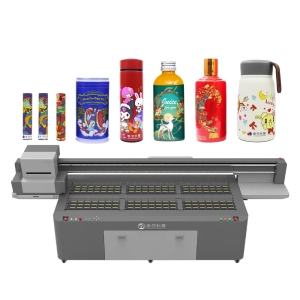
Metal plates are widely used in advertising signs, equipment panels, decorative boards, industrial nameplates, and other fields. With the increasing demand for customized products, more businesses are adopting UV printing technology to directly print high-resolution graphics, text, and brand information onto metal surfaces. Compared with traditional painting and labeling methods, UV printing can deliver richer colors and finer details. However, because metal plates have smooth and hard surfaces, achieving ideal printing results requires proper preparation and processing. If surface treatment, ink selection, or printer settings are not properly handled, problems such as poor adhesion, color differences, and graphic wear may occur. To achieve more stable and durable UV printing on metal plates, several key factors need to be considered.
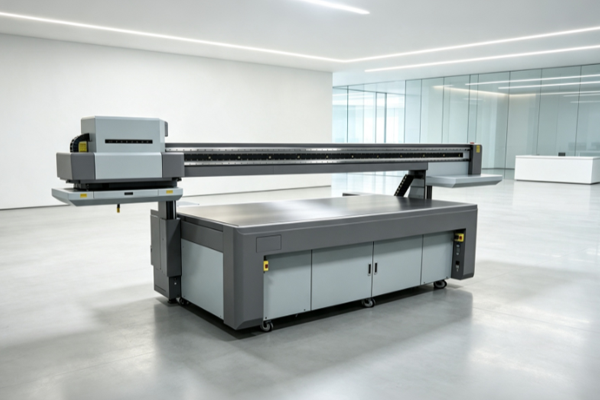
Proper Surface Preparation Is Essential Before Metal Plate UV Printing
One of the biggest characteristics of metal plates is their smooth surface and low ink absorption. While this helps create sharp images, it also makes ink adhesion more challenging. Many printing issues actually occur before the printing process begins. If the metal surface is not properly prepared, even a visually attractive print may have poor durability.
Before printing, pay attention to:
- Remove oil and dust from the surface: During processing and transportation, metal plates may collect grease or impurities that need to be cleaned before printing.
- Check the surface condition: Rust, scratches, or oxidation layers should be treated in advance to avoid affecting print quality.
- Apply proper surface treatment when needed: Some metal plates may require primer or special treatment to improve ink bonding.
For products that require long-term use, such as industrial panels and outdoor signs, surface preparation is especially important. A well-prepared surface allows UV ink to bond more firmly with the metal plate, reducing the risk of fading or peeling.
Choosing the Right UV Ink Improves Adhesion Performance
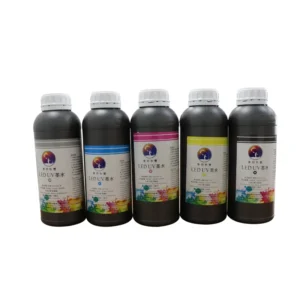
Metal plates are different from materials such as plastic or wood because they have limited ink absorption. The bonding ability between the ink and the metal surface plays a key role in print durability. Different applications also have different requirements for ink performance.
When selecting UV ink, consider:
- Ink adhesion: Ensure the printed graphics remain firmly attached to the metal surface.
- Wear resistance: Products that are frequently touched or used for a long time require stronger resistance to scratches and friction.
- Weather resistance: Outdoor metal products need better protection against sunlight, rain, and temperature changes.
- Color performance: Choose ink that can provide bright colors and detailed image reproduction based on design requirements.
For example, indoor decorative metal panels may focus more on appearance and color quality, while outdoor signs require stronger durability. Ink selection should not only consider the immediate printing effect but also the actual usage environment of the product.
Printing Parameters Affect the Final Results
Metal plate UV printing is not simply about transferring an image onto the surface. Different plate thicknesses, sizes, and applications require different printer settings. Proper parameter adjustments help achieve sharper graphics and more consistent colors.
During production, focus on:
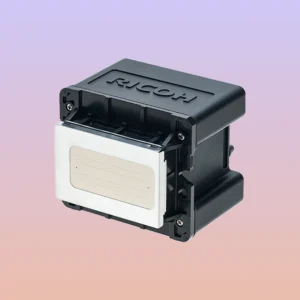
- Adjusting printhead height: Different metal plate thicknesses require the correct distance to maintain printing accuracy.
- Controlling printing speed and ink volume: Excessive speed may reduce detail quality, while improper ink volume can cause uneven colors.
- Setting proper UV curing strength: Curing performance affects ink hardness, gloss, and adhesion stability.
Before mass production, sample testing is highly recommended. For designs with gradients, small text, or complex patterns, testing can help identify potential issues early and reduce material waste during production.
Post-Printing Protection and Maintenance Are Also Important
Many businesses believe the process is finished once printing is completed. In reality, post-printing protection also affects product lifespan. For metal products used outdoors or handled frequently, proper protection helps maintain the appearance for a longer time.
After printing, consider:
- Avoid excessive friction on the printed area: Allow the ink to fully stabilize before further processing or handling.
- Choose suitable protective methods based on the application: Some products may benefit from additional protective coatings to improve durability.
- Store printed products properly: Avoid long-term exposure to moisture or extreme temperatures that may affect print quality.
For businesses producing large quantities, a stable printing process is more important than achieving a good result on a single product. Establishing standardized procedures from material preparation to finished product storage helps maintain consistent quality across every batch.
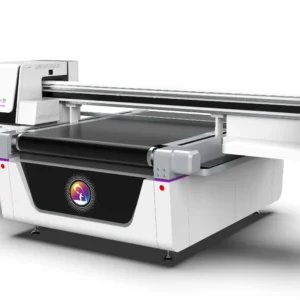
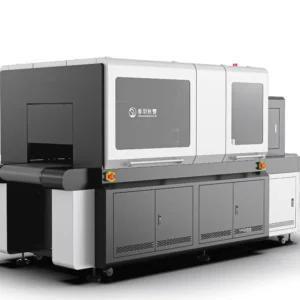
Achieving high-quality UV printing on metal plates requires optimization in several areas, including surface preparation, ink selection, printer settings, and post-printing protection. Although metal materials offer excellent smoothness and a premium appearance, they also require more careful printing processes. By understanding the characteristics of metal plates and adjusting the printing solution according to actual applications, businesses can maximize the value of UV printing. SpringYprinter provides professional UV printing equipment solutions to help businesses achieve high-quality customized printing on metal plates and various other materials.