When many businesses choose a DTF printer, in addition to paying attention to the equipment price, printing speed, and finished product quality, they also care about the later maintenance cost. Once the equipment is put into production, maintenance expenses will directly affect long-term operating costs and profit margins. In fact, the maintenance cost of a DTF printer is not necessarily very high. As long as the equipment configuration is stable, daily maintenance is in place, and consumables are used properly, many common faults can be prevented in advance. For industries such as garment printing, personalized customization, and advertising processing, establishing a clear maintenance process helps extend equipment life, reduce downtime, and improve production efficiency.
Where Does the Maintenance Cost of a DTF Printer Mainly Go?
Understanding the composition of maintenance costs helps businesses control later expenses more effectively and also allows them to make budget arrangements in advance during equipment use.
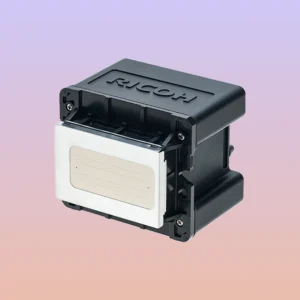
Printhead Maintenance Is the Focus of Daily Care
The condition of the printhead directly determines print quality and is also the most critical part of maintenance work.
- Regularly check the printhead working status and promptly identify printing abnormalities.
- Clean the nozzle surface to prevent ink residue from affecting ink output.
- Avoid ink staying inside the printhead for too long to reduce the risk of clogging and drying.
- Perform protective treatment before long periods of shutdown to prevent the printhead from being damaged during idle time.
Proper printhead maintenance can reduce the probability of nozzle clogging, lower replacement frequency, keep the equipment output stable for a long time, and also help businesses save later repair costs.
The Ink Supply System Needs to Stay Smooth
Stable ink supply is the foundation for continuous equipment operation. Once the ink supply system has problems, it often directly affects printing efficiency and finished product quality.
- Check whether there are air bubbles in the ink tubes to avoid interrupted ink supply.
- Keep the filtration device clean to reduce impurities entering the ink supply system.
- Observe the ink flow status and promptly detect abnormal ink supply.
- Ensure the white ink circulation system works stably to prevent sedimentation from causing blockages.
When the ink supply system operates well, it can reduce problems such as ink interruption and color deviation, improve printing stability, and lower later maintenance costs.
How Do Consumables and Parts Management Affect Maintenance Costs?
The way consumables and parts are used often directly affects the maintenance frequency and overall cost of the equipment, so it should not be ignored in daily management.
Ink Selection Should Remain Stable
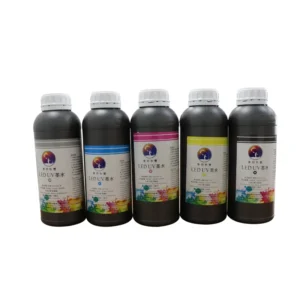
The quality of consumables directly affects the operating condition of the equipment. If the ink is unstable, it will not only affect printing results but may also increase maintenance pressure on the equipment. Choose ink with better stability and try to ensure consistency during the printing process. Different brands of ink should not be mixed whenever possible. Keep the ink storage environment clean to prevent dust and impurities from entering the container, and replace the ink in time according to the usage cycle to prevent performance degradation after long-term storage. Stable ink performance helps reduce sedimentation and clogging, keeps the equipment in better working condition, and also lowers maintenance pressure.
Wear Parts Need Regular Replacement
Some parts are normal consumables and should not be dealt with only after they are damaged, otherwise they will easily affect the operation of the whole machine and increase repair costs.
- Regularly check the condition of the ink bladder to ensure stable ink supply.
- Replace the wiper blade in time after wear to avoid affecting printhead cleaning performance.
- Keep the moisturizing system working properly to reduce the risk of printhead drying and clogging.
- Clean the waste ink system in time to prevent waste ink buildup from affecting equipment operation.
Timely replacement of wear parts can reduce abnormal equipment operation, make the production process more stable, and also prevent small problems from turning into major failures.
Why Can Standardized Operation Reduce Repair Expenses?
Whether operation is standardized often determines the frequency of equipment failures and the level of repair costs. Therefore, businesses need to establish unified operating standards in daily production.
It Is Important to Establish Standard Operating Procedures
Good operating habits can reduce human-caused failures and also help the equipment maintain a more stable condition during long-term use.
- Follow the standard procedure when turning the machine on and off to avoid affecting equipment life due to improper operation sequence.
- Check the equipment status before printing to confirm that the printhead, ink supply system, and consumables are all in normal condition.
- Clean the equipment promptly after production to reduce the impact of ink residue on the machine.
- Prepare maintenance measures during long shutdowns to prevent clogging or drying while the equipment is idle.
Standardized operation can reduce equipment wear, keep all components functioning normally, extend the service life of the whole machine, and also reduce additional repair expenses caused by human error.
Production Environment Management Cannot Be Ignored
The operating environment of the equipment also affects maintenance costs. The more stable the environment, the easier it is for the equipment to remain in good condition.
- Control suitable temperature and humidity to avoid environments that are too dry or too humid affecting print quality.
- Keep the work area clean to reduce interference from debris on equipment operation.
- Reduce dust entering the equipment interior to lower the risk of contamination to the printhead and ink supply system.
- Avoid strong vibrations affecting printing accuracy to ensure smoother equipment operation.
A stable production environment helps the equipment maintain good condition continuously and also reduces the probability of sudden failures, making it easier for businesses to control maintenance costs in daily production.
How Do Equipment Quality and Maintenance Plans Control Long-Term Costs?
The stability of the equipment itself and the later maintenance arrangements determine whether a business can keep costs within a reasonable range over the long term. Both aspects need to be emphasized at the same time.
Stable Configuration Can Reduce Failure Rates
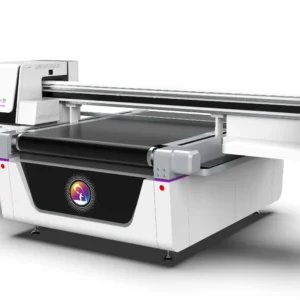
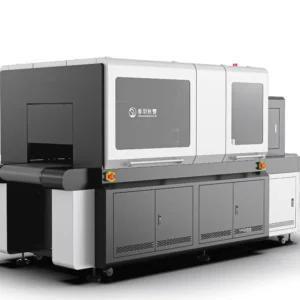
High-quality equipment usually has a more mature structural design and more reliable operating performance, which is also an important foundation for reducing maintenance costs. Its ink supply system is more stable, which can reduce problems such as ink interruption and poor ink delivery. The white ink circulation is more reliable, helping reduce sedimentation and clogging risks. The control system is more precise, improving the stability of the printing process. The mechanical structure is also more durable and can withstand long periods of continuous production. Stable hardware configuration can reduce the number of repairs and allow businesses to focus more energy on production.
Formulating a Maintenance Plan Is More Conducive to Long-Term Cost Control
A fixed maintenance cycle can keep the equipment in good working condition and also help businesses identify potential problems in advance.
- Complete basic checks every day to confirm the equipment is operating normally.
- Perform deep cleaning every week to reduce ink residue and impurity buildup.
- Check key components every month to identify wear or aging in advance.
- Record equipment operating conditions regularly to facilitate later analysis and maintenance arrangements.
Continuous maintenance can identify potential problems in advance, reduce later repair expenses, make production more stable, and keep overall operating costs more controllable.
The maintenance cost of a DTF printer depends more on equipment quality, daily maintenance, and operating standards rather than being determined solely by the equipment itself. As long as the printhead, ink supply system, consumables, environment, and maintenance plan are all managed properly, the equipment can maintain stable operation for a long time, helping businesses reduce repair expenses and improve production efficiency. For factories that need continuous output, what really matters is not whether maintenance is “expensive,” but whether scientific management can keep the equipment in an efficient state at all times. Springyprinter focuses on the research and development of industrial digital printing equipment and can provide stable and reliable equipment as well as professional technical support for DTF production.