Plastic products are widely used in daily life and industrial production, from phone cases and packaging boxes to cosmetic bottles and electronic housings. More and more businesses are choosing UV printing to add unique designs and increase product value. Compared with traditional labeling and screen printing methods, UV printing can directly apply high-resolution graphics, text, and rich colors onto plastic surfaces, creating a more attractive appearance. However, there are many types of plastic materials, and each one has different surface characteristics. Without proper preparation and parameter adjustments, issues such as poor ink adhesion, unstable colors, or unclear graphics may occur. To achieve better UV printing results on plastic products, several key factors need to be considered.
Understand the Characteristics of Plastic Materials Before Printing
Plastic is not a single type of material. Different plastics vary in hardness, surface smoothness, and ink adhesion performance. Many printing problems are not caused by the printer itself but by a lack of understanding of the material properties.
Before UV printing, pay attention to:
- Whether the plastic type is suitable for direct printing: Common materials such as ABS, PVC, PET, and acrylic usually have good printing compatibility, while some special plastics may require additional treatment.
- Whether the surface contains oil or release agents: Some plastic products may have residues from manufacturing processes, which can affect ink bonding.
- Whether the product surface is smooth and even: Uneven surfaces or deep textures may affect ink distribution and image quality.
Different plastic products are made through different manufacturing processes. Injection-molded parts, transparent plastic packaging, and electronic housings may have completely different surface conditions. Conducting material tests in advance can help reduce production issues and avoid large-scale rework.
Surface Treatment Is Important Before Plastic UV Printing
Plastic surfaces are usually smooth, and unlike paper, they do not absorb ink easily. As a result, ink adhesion is one of the most important challenges in plastic UV printing. Proper surface preparation can make printed graphics more durable and improve long-term performance.
Common treatment methods include:
- Cleaning the product surface: Remove dust, fingerprints, and oil to help ink bond better with the material.
- Applying primer treatment: For plastics with poor ink adhesion, primer can improve the connection between ink and the surface.
- Using surface activation methods: Some special plastics may require processes such as corona or plasma treatment to increase surface energy.
Many businesses focus only on whether the printed colors look attractive but overlook how long the graphics will last. Strong adhesion is an important part of product quality, especially for items such as phone cases, bottle caps, and packaging products that are frequently touched.
Adjust Printing Parameters According to Plastic Products
Even among plastic products, different sizes, colors, and applications require different UV printing settings. Using the same parameters for every product may lead to inaccurate colors or poor details.
During printing, consider:
- Adjusting ink volume: Too much ink may cause excessive ink buildup, while too little ink may reduce color intensity.
- Controlling printing speed: Detailed designs usually require more stable printing speeds for better accuracy.
- Setting proper curing strength: UV curing affects ink hardness, surface finish, and overall durability.
- Testing samples before mass production: Confirm colors, adhesion, and final results before starting large orders.
For customized plastic products, sample testing is especially important. Different plastic colors, surface finishes, and production batches may affect the final appearance. Testing and adjusting printer settings helps maintain consistent quality during large-scale production.
Choosing the Right Ink Improves Plastic Printing Stability
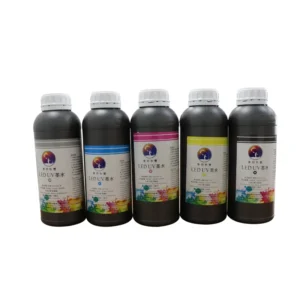
UV printing quality depends not only on printer performance but also on ink selection. Different plastic products have different usage environments, which means their ink requirements can vary.
When selecting UV ink, consider:
- Adhesion performance: Ensure the ink bonds firmly to the plastic surface and reduces the risk of peeling.
- Wear resistance: Products that are frequently touched or rubbed require stronger durability.
- Color performance: Choose an ink solution that can deliver the desired color range and visual effect.
For example, cosmetic packaging focuses more on premium appearance, electronic housings require better durability, and outdoor plastic products need stronger weather resistance. Choosing ink based on the product application is more important than simply pursuing brighter colors.
Achieving excellent UV printing results on plastic products requires attention to material selection, surface preparation, printing parameters, and ink compatibility. Although plastic is a common application material for UV printing, different plastic types have significant differences. Finding the right printing solution helps ensure clear graphics, stable colors, and long-lasting performance. SpringYprinter provides professional UV printing equipment solutions to help businesses achieve high-quality customized printing on plastic products and various other materials.