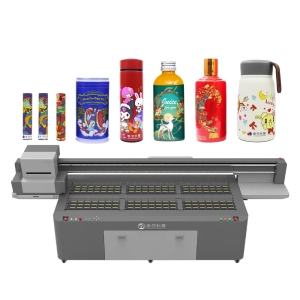
Whether a DTF printer is stable often determines whether a production line can truly get up and running. Many machines show no obvious problems during sample testing, but once they enter continuous order-taking and batch shipping conditions, issues such as ink interruption, color deviation, clogged nozzles, and positioning shifts gradually appear. For factories and custom businesses, stability is not an optional feature, but a core indicator that affects delivery time, rework rate, and customer satisfaction. To judge whether a DTF printer is worth long-term investment, you cannot rely only on the result of a single print; you need to observe it comprehensively from multiple dimensions such as core components, continuous operation, software control, and after-sales maintenance.
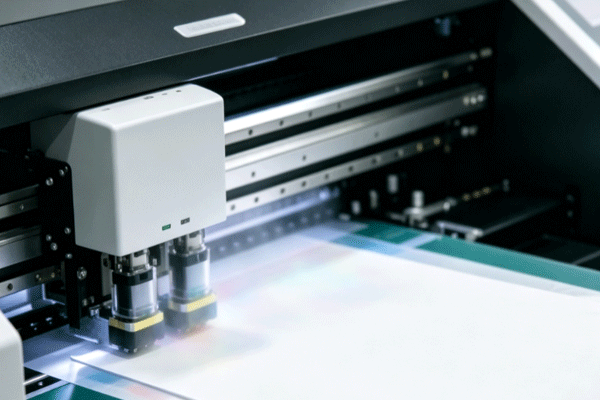
Observe the Performance of Core Printing Components
The operating condition of the core components usually reflects the basic level of a DTF printer most directly.
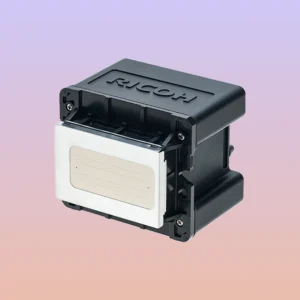
Printhead Output Status
The printhead is the key to image formation, and whether its output is stable directly affects finished product quality.
- If line breaks, ink shortages, ink splashing, or similar issues appear during printing, it means the printhead condition is not ideal.
- If the same file is printed repeatedly and the color blocks remain nearly consistent, it indicates relatively stable jet control.
- If fine lines, text, and edge contours are clear, it shows that the printhead precision and response capability are good.
- If the image does not noticeably degrade after long-term operation, it means the printhead and control system are working together in a mature way.
When printhead output is stable, image details are more complete, and the probability of rework and scrap will also be lower.
Ink Supply System Performance
The ink supply system determines whether the printing process can continue smoothly. When the ink path design is reasonable, ink flow will be more stable, and the printing process will be easier to keep continuous. During large-area image printing, if the ink distribution is even, the completeness of the image will be higher. Devices with a well-designed filtration structure are less likely to allow impurities to enter the printhead, and the risk of clogging will also be reduced. When the white ink circulation runs smoothly, sedimentation problems will be fewer, and the white ink layer will be easier to keep uniform. With a stable ink supply system, the equipment is more likely to maintain consistent output during long-term work.
Focus on the Equipment’s Long-Term Operating Capability
Whether it can withstand continuous production pressure is a key point that must be examined when judging stability.
Continuous Production Performance
A DTF printer that is truly suitable for factory environments needs to remain stable under high-frequency tasks.
- After several hours of continuous operation, if the color remains close to the initial state, it indicates strong output capability.
- Smooth switching between batch tasks indicates good adaptability to high-frequency production.
- Fewer alarms during operation indicate a more stable internal control logic.
- If the speed does not change significantly after long-term work, it means the machine is more suitable for industrial scenarios.
The more stable the continuous production performance is, the more reliable order delivery will be, and the easier it will be to arrange the production schedule.
Durability of the Mechanical Structure
Whether the mechanical structure is solid affects the equipment’s ability to maintain precision during long-term use.
- A sturdy machine body produces less vibration during operation, and printing positioning is easier to keep accurate.
- When the guide rails, belts, and motors work together smoothly, the equipment moves more steadily.
- Accurate platform positioning makes registration more stable, and the scrap rate will also decrease accordingly.
- Clear maintenance steps make it easier for the equipment to maintain good condition during long-term use.
With a reliable mechanical structure, the equipment is less likely to experience shifts, jams, or precision loss during high-intensity production.
Check the Software and Printing Results
Whether the software control is mature and whether the final output is consistent can directly reflect the stability level of the equipment.
Maturity of the Control System
The more mature the software system is, the easier it is to manage the production process. When color management is detailed, the color differences between batches will be smaller. When parameter adjustment is flexible, the equipment can better adapt to different materials and process requirements. Common presets can be called up directly, which also improves operating efficiency. When the interface is clear and easy to understand, new employees have a lower learning cost and fewer operational mistakes. With a mature control system, the equipment performs more consistently across different orders, and production management becomes easier.
Consistency of Printing Results
Finished product quality is the most intuitive indicator and also the most direct reflection of the equipment’s current condition.
- If colors are close across different batches, it indicates relatively stable output control.
- If large color blocks are even, it indicates a balanced print and ink supply condition.
- If gradient transitions are natural, it indicates stronger ink droplet control capability.
- If the image remains clear on dark materials, it indicates good coordination between white ink and color ink.
High consistency in printing results strengthens the visual uniformity of branded products and helps improve customer recognition.
Understand After-Sales and Maintenance Capability
After-sales response and maintenance convenience affect the lower limit of stability during long-term use.
Technical Support Level
Whether the equipment can operate stably for a long time depends on solid technical support.
- Proper installation and commissioning guidance helps the equipment enter normal production faster.
- Timely technical response makes it easier to handle printhead, ink path, and software issues.
- High fault-handling efficiency helps control downtime losses more effectively.
- Complete operation training makes it easier for employees to master the correct usage methods.
With comprehensive technical support, the risks during long-term use will be lower, and production will be more continuous.
Convenience of Daily Maintenance
Whether maintenance is convenient directly affects whether the equipment can remain stable over the long term.
- A simple printhead cleaning process reduces maintenance pressure.
- Easy ink path inspection makes ink supply abnormalities easier to detect.
- Quick replacement of common parts speeds up equipment recovery.
- Clear maintenance standards make it easier to establish good upkeep habits.
Equipment that is easy to maintain is more suitable for high-frequency production environments and also helps control overall operating costs.
When judging DTF printer stability, the focus is not on whether one print looks good, but on whether it can maintain consistent performance across different shifts, different orders, and different material conditions. Equipment that is truly suitable for long-term use is often more solid in the details, has fewer problems during continuous operation, and helps enterprises keep production rhythm, delivery quality, and cost control within a predictable range. Springyprinter focuses on industrial digital printing equipment R&D and provides stable and reliable equipment support and professional solutions for DTF production.