DTF printing has become a very common process in apparel customization and personalized merchandise thanks to its fine image detail, wide material compatibility, and high production efficiency. However, in real-world use, many finished products begin to show lighter colors, edge peeling, or partial detachment after washing, rubbing, or long-term wear. Many people first assume the equipment is unstable, but in fact fading is often related to the ink, film, hot melt powder, curing parameters, and post-care methods. If you want DTF graphics to last longer, you need to identify the causes at every stage of the production process.
Improper Material Selection Makes DTF Graphics More Likely to Fade
Materials are the foundation of DTF print durability. Whether the consumables are chosen properly at the beginning directly affects wash resistance and overall stability.
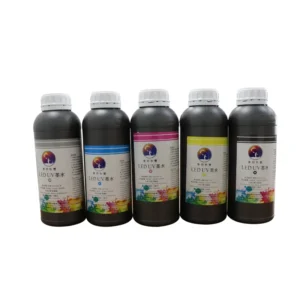
Ink Quality Directly Affects Adhesion and Wash Resistance
Whether a DTF print stays firmly in place depends first on the stability and compatibility of the ink itself.
- High-quality inks usually have finer pigment particles, which create more natural color layering and more stable color output.
- Mature ink formulations provide stronger adhesion, making the transferred image less likely to peel off during washing or rubbing.
- Low-quality inks are more prone to sedimentation, clogged nozzles, color shifts, or uneven spraying, all of which affect the final result.
- If ink is stored improperly for a long time, or if the bottle is not sealed promptly after opening, its performance will also decline and printing quality will fluctuate.
Choosing ink that is suitable for DTF equipment, stable in performance, and consistent from batch to batch is the most basic and most important step in reducing fading problems.
Film and Hot Melt Powder Must Match
DTF transfer is not completed by ink alone. The compatibility between the film and the hot melt powder also directly affects the firmness and durability of the graphic.
- Different PET film coatings affect how the ink layer adheres to the film and whether the image can be fully released onto the fabric during transfer.
- Hot melt powder varies in particle size, melting point, and bonding performance, all of which directly determine the bonding strength and softness between the ink layer and the fabric.
- If the powder is applied unevenly, some areas may bond poorly, causing the edges of the graphic to lift or partially detach.
- Mixing consumables from different brands or models may not show obvious problems in the short term, but wash resistance and long-term stability often decline significantly.
If the film, hot melt powder, and ink are not compatible, the graphic may look complete during transfer but later develop edge cracking, color loss, or weak overall adhesion during use.
Process Parameters That Are Not Properly Controlled Will Weaken Transfer Strength
Stable process control determines whether the graphic can truly “lock in” the color. Many fading problems are not caused by printing itself, but by incomplete curing and heat pressing.
Curing Temperature and Time Must Be Controlled Accurately
Powder curing is a very important step in DTF printing. If this step is not handled properly, the transfer result will often be greatly reduced.
- If the curing temperature is too low, the hot melt powder cannot fully melt and cannot form a stable and continuous bonding layer.
- If the curing time is too short, the powder may look dry on the surface, but the inside may not be fully fused, so the durability will naturally be insufficient.
- If the curing temperature is too high, the powder may melt faster, but it may also affect color saturation and even cause yellowing or hardening around the edges of the graphic.
- Different fabrics, different graphic thicknesses, and different powder types all require corresponding adjustments to curing parameters. The same fixed settings should not be used all the time.
If the powder is not fully melted, it cannot form a stable bonding layer. The graphic may appear finished, but it can easily peel off during wear, washing, or rubbing.
Heat Press Pressure and Cooling Method Are Equally Important
The final transfer step determines whether the graphic can truly be fixed to the fabric and whether the finished product will fade easily later.
- If the heat press pressure is too low, the bond between the graphic and the fabric will not be tight enough. The surface may look complete, but the actual adhesion will be weak.
- If the heat press pressure is too high, the graphic may be pressed more firmly, but it may also damage the fabric texture and affect the hand feel and appearance.
- Heat press time should be adjusted flexibly according to different materials. Cotton, polyester, and blended fabrics do not have exactly the same requirements for temperature and time.
- If the cooling method is not handled properly, such as peeling the film too early or not allowing enough cooling time, the stability of the graphic edges and overall durability will also be affected.
Some products look excellent immediately after pressing, but after cooling they begin to show lifted edges, slight whitening, or minor detachment. This is often related to heat press parameters and cooling methods.
File Preparation and White Ink Handling Determine Color Stability
Whether a graphic looks bright depends not only on the equipment, but also on how the file is prepared in advance. In many cases, users think the print is fading, but in reality the file and white ink layer were not handled properly.
Color Mode and Resolution Must Be Suitable for Output
If the design file is not prepared correctly, the finished product may look more likely to fade, or the color may appear less saturated.
- Low resolution makes the edges of the graphic blurry. Once details are lost, the finished product will look weak and gray.
- If the color mode is set incorrectly, the colors on the screen and the printed colors will differ significantly, which can easily cause color deviation.
- Very light colors on dark fabrics may look dull or even appear faded if there is not enough base support.
- Complex gradient graphics can easily show broken layers or unnatural transitions if the file structure is not optimized in advance.
If color management, resolution settings, and layer optimization are handled properly during the design stage, problems such as color difference, dullness, and visual instability after printing can be greatly reduced, making the finished product closer to expectations.
White Ink Layer Thickness and Alignment Affect the Final Result
White ink is a core part of DTF printing that cannot be ignored. It not only determines whether the graphic is clear, but also directly affects whether the colors look bright and stable.
- If the white ink coverage is insufficient, the color layer will look dull because the base support is not strong enough, especially on dark fabrics.
- If the white ink is too thick, the coverage may improve, but the graphic may feel harder and the softness and drape may be affected.
- If the white ink alignment is inaccurate, the edges of the graphic may look blurry, shifted, or unclear, affecting the overall appearance.
- Dark fabrics rely more heavily on the white ink layer. If white ink output is unstable, the color layer will have difficulty maintaining the ideal color performance.
Proper control of white ink thickness and alignment accuracy not only improves clarity, but also significantly enhances durability and overall texture.
Equipment Condition and Post-Care Also Affect Fading
Even if the materials and process are correct, the graphic’s lifespan will still be shortened if the equipment is not maintained properly or if post-care is incorrect.
Printhead and Environmental Stability Determine Printing Consistency
If the equipment is unstable, the printed graphics will naturally be unstable as well, and both color performance and adhesion will be affected.
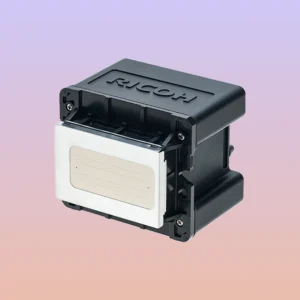
- Clogged printheads can cause local color loss, making the graphic look faded or broken.
- Uneven ink droplet output can create inconsistent light and dark areas, reducing overall completeness.
- As printheads age, they are more likely to produce color shifts, broken lines, or discontinuous spraying, which affects product consistency.
- Large fluctuations in workshop temperature and humidity, or excessive dust in the air, can also affect ink condition and equipment stability.
If DTF equipment lacks maintenance for a long time and the printhead condition declines, the graphic may become uneven in color and unstable in adhesion, and obvious differences may appear during batch production. At the same time, overly dry environments or excessive dust can increase printing fluctuations and indirectly affect durability and appearance. When the environment is stable, printing is stable.
Proper Washing Care and Quality Inspection Can Extend Graphic Life
How the product is used after printing also determines how long the graphic will last. Many fading problems are not caused by the printing itself, but by improper post-care.
- Avoid long soaking in high-temperature water, because overly hot water will accelerate aging and peeling of the graphic layer.
- Reduce strong rubbing and rough pulling, especially around the edges of the graphic and large printed areas.
- Choose the appropriate washing method according to the fabric requirements, and try to avoid overly strong detergents or frequent machine washing.
- Performing durability tests before batch production can help identify problems early and avoid large-scale rework and customer complaints.
Doing wash tests and finished-product inspections not only helps identify potential risks in advance, but also helps businesses reduce rework, lower waste, and further improve customer satisfaction and repeat purchase rates. Testing first can save a lot of rework later.
DTF printing fades easily not because of a single cause, but because materials, process, files, equipment, and usage methods all work together. As long as the ink, film, hot melt powder, curing parameters, and heat press process are properly controlled, and stable equipment maintenance and correct post-care are also in place, the color performance and wash resistance of DTF products can be significantly improved. Springyprinter focuses on industrial digital printing equipment development and provides stable and efficient equipment support and solutions for DTF production.