+86 183 1888 5593

How Single Pass Printers Achieve Continuous Production

07/17/2026

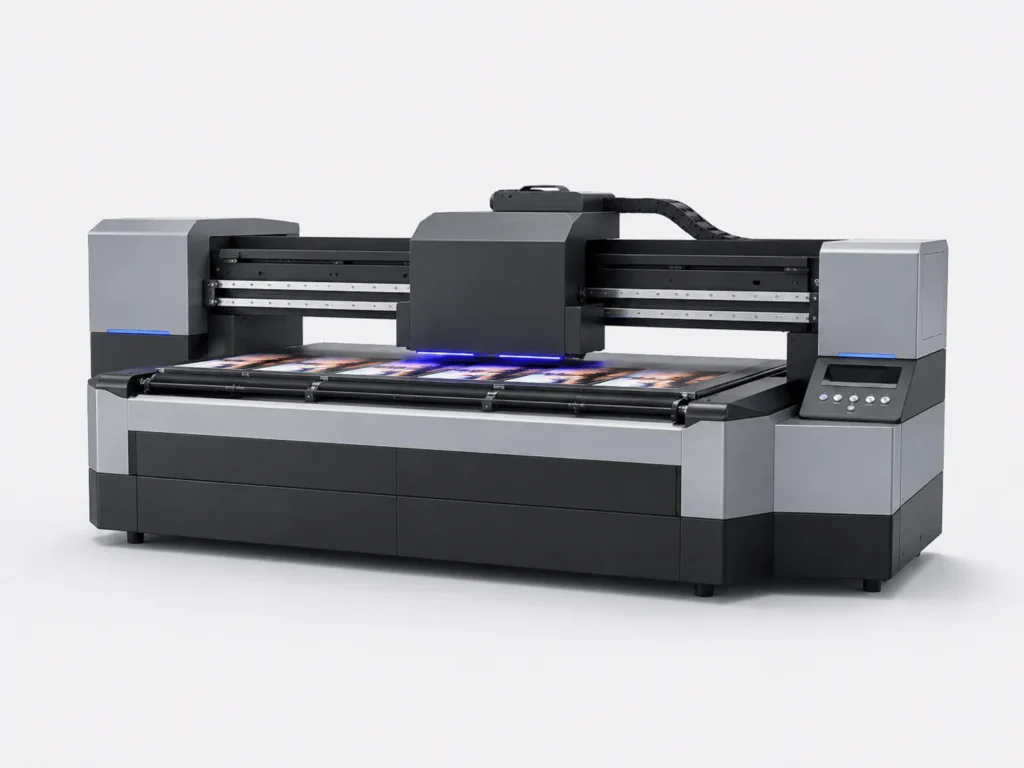
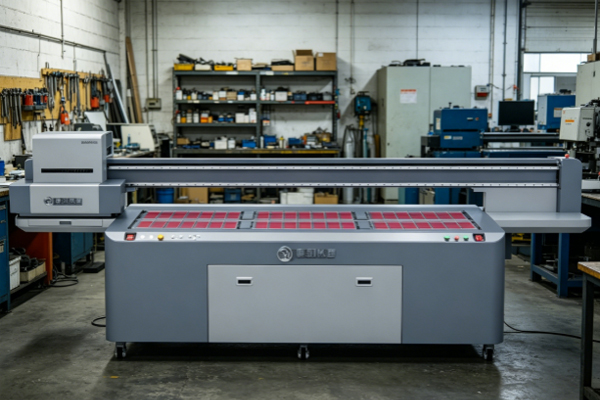
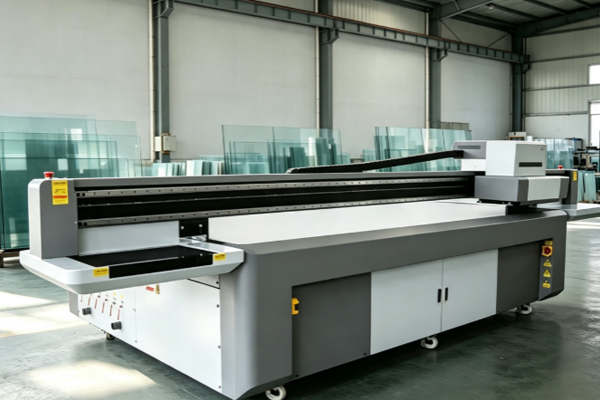
As industrial digitalization continues to advance, manufacturers are placing greater emphasis on production efficiency and delivery speed. For industries such as packaging printing, advertising signage, building decoration, furniture manufacturing, and industrial processing, continuous production has become an essential strategy for improving competitiveness. Single Pass printers utilize a combination of fixed printhead arrays and continuous material transport, allowing substrates to pass through the printing area only once while the complete image is printed in a single operation. Supported by automated control systems, precision conveyor platforms, industrial-grade printheads, and intelligent production software, Single Pass printers can operate continuously for extended periods, meeting the demands of high-volume manufacturing while supporting customized production with outstanding efficiency.
How Single Pass Printers Achieve Continuous Production

Single Pass Printing Technology Enables Continuous Production

The foundation of continuous production is minimizing unnecessary machine movement and production interruptions. Conventional printing systems often require multiple scanning passes to complete a single image, reducing overall productivity. Single Pass printers arrange industrial printheads across the full printing width so the entire image is printed as the substrate moves beneath the printhead array only once. This printing method dramatically increases production capacity while reducing mechanical movement and equipment wear. Continuous material transport also creates a smooth production rhythm, allowing different product sizes and artwork files to be processed with minimal setup time. Manufacturers can quickly switch between various production orders while maintaining consistent output quality, making Single Pass technology an ideal solution for modern factories that require uninterrupted, high-speed manufacturing and shorter delivery times.

Automatic Conveyor Systems Ensure Stable Continuous Operation

High printing speed alone cannot achieve continuous production without a reliable material handling system. Single Pass printers are equipped with precision conveyor platforms that automatically feed substrates into the printing area while maintaining accurate positioning and consistent transport speed. Throughout the printing process, the conveyor system minimizes vibration, material deviation, and positioning errors, ensuring excellent print consistency across every product. Whether processing corrugated cardboard, PVC sheets, acrylic panels, wooden boards, or other rigid materials, the conveyor system can adjust operating parameters according to the characteristics of each substrate. Automated feeding significantly reduces manual handling while allowing the production line to operate continuously for extended periods, improving manufacturing efficiency and supporting intelligent factory automation.

Intelligent Control Systems Improve Continuous Production Efficiency

Modern Single Pass printers incorporate advanced control software that manages the complete digital printing workflow from job preparation to final production. After production files are imported into the system, the software automatically processes image data, controls color management, configures printing parameters, and coordinates printhead operation throughout the production cycle. During continuous manufacturing, different print jobs can be switched automatically without frequent operator intervention, greatly improving operational efficiency. Intelligent systems also monitor printhead performance, ink circulation, temperature control, and automatic cleaning functions to maintain stable ink delivery while reducing the risk of nozzle blockage, missing nozzles, or color inconsistency. Production data can be collected continuously, enabling manufacturers to analyze equipment performance, optimize workflows, and maximize machine utilization for long-term productivity.

Typical Applications of Continuous Production with Single Pass Printers

Continuous production capabilities allow Single Pass printers to become an essential part of many industrial manufacturing environments, supporting efficient, large-scale production across various industries.

Typical applications include:

  • Packaging Printing Lines:Corrugated cartons, retail packaging, display boxes, and shipping cartons require uninterrupted high-volume production. Single Pass printers can integrate with automatic feeding, slotting, die-cutting, and packaging equipment to establish highly efficient production lines.
  • Advertising Signage Manufacturing:Shopping mall signs, retail displays, corporate branding panels, directional signage, and outdoor advertising boards often require rapid production schedules. Continuous printing enables manufacturers to complete large quantities of products efficiently while maintaining consistent quality.
  • Building Materials and Decorative Products:Wood veneer panels, ceramic tiles, glass, metal sheets, and sintered stone can be printed continuously before moving directly to lamination, cutting, or installation processes, reducing overall manufacturing time.
  • Furniture Manufacturing:Cabinet doors, furniture panels, decorative boards, and customized home furnishings can be printed with wood grain, marble textures, and artistic graphics while supporting both mass production and personalized manufacturing.
  • Industrial Product Manufacturing:Electronic device housings, plastic components, metal parts, industrial identification plates, and machinery panels can move through automated production lines for continuous decoration and branding before inspection and packaging.

Continuous production improves manufacturing efficiency while enabling companies to meet tight delivery schedules and large-scale production requirements with greater consistency and operational flexibility.

Automation Integration Drives the Future of Continuous Single Pass Printing

As intelligent manufacturing technologies continue to evolve, Single Pass printers are becoming fully integrated components within automated production lines rather than operating as standalone machines. Automatic loading equipment supplies materials continuously, vision positioning systems ensure accurate alignment, robotic handling systems transport finished products, online inspection systems monitor print quality in real time, and automated packaging equipment completes the production workflow. These interconnected systems create a seamless manufacturing environment that improves efficiency while reducing manual labor. Manufacturers can also integrate Single Pass printers with MES and ERP management systems to monitor production schedules, equipment status, order progress, and material consumption through centralized digital management. As industrial automation advances, Single Pass printing technology will continue to support smarter, faster, and more reliable manufacturing, helping businesses increase production capacity, improve product quality, and strengthen their competitive position in global markets.
Sharing is caring

Related Blogs

Can Industrial UV Printers Achieve Embossed Effects on Glass

Can Industrial UV Printers Achieve Embossed Effects on Glass?

Glass, as a common decorative and processing material, has characteristics such as high transparency, smooth surfaces, and strong aesthetic appeal. It is widely used in architectural decoration, furniture, bathrooms, display cabinets, handicrafts, and other fields. In traditional glass processing, achieving embossed textures usually requires methods such as engraving, sandblasting, or frosting. These processes not only involve relatively complicated procedures but

Read More »
Differences Between UV Single-Pass Printers and Regular UV Printers

Differences Between UV Single-Pass Printers and Regular UV Printers

With the continuous development of industrial digital printing technology, UV printing equipment has been widely used in packaging, advertising, decorative building materials, furniture, electronics, and personalized customization industries. UV printers on the market are mainly divided into two types: UV single-pass printers and regular UV printers. Although both use UV ink printing and LED curing technology, their working modes, production

Read More »
How UV 3D Printing Reduces Production Costs As manufacturing industries continue to move toward digitalization and intelligent production, companies are placing greater emphasis on improving efficiency, optimizing material usage, and controlling overall manufacturing costs. Traditional printing processes often require plate making, screen preparation, manual adjustment, and complicated post-processing procedures, which increase production time and operational expenses. As market demand shifts toward personalized products, small-batch orders, and faster delivery, conventional manufacturing methods face increasing limitations. Industrial UV 3D printing uses digital inkjet control, multi-layer ink deposition, and instant UV curing technology to create graphics and embossed textures in a single production process. This advanced method reduces production steps, minimizes material waste, improves equipment utilization, and provides manufacturers with a more efficient and cost-effective production solution. 1. Working Principle of UV 3D Printing for Cost Reduction UV 3D printing uses industrial piezoelectric inkjet technology to control printheads directly through digital design files without requiring printing plates or engraving molds. The printer deposits UV ink layer by layer onto the surface of the material. After each layer is printed, ultraviolet light instantly cures the ink before the next layer is applied, gradually creating colorful graphics and three-dimensional textures. The digital production workflow includes: Create a digital design file containing graphics, colors, and texture height information. Use RIP software to automatically calculate printing paths, ink volume, and production parameters. Print UV ink directly onto the substrate using high-precision printheads. Perform instant UV curing during the printing process to improve production stability. Apply multiple printed layers according to product requirements to create embossed textures. Complete quality inspection or packaging after printing. This streamlined production process eliminates traditional plate-making, screen replacement, and repeated machine adjustment procedures, improving efficiency while reducing labor requirements. 2. Cost Benefits of UV 3D Printing Reducing manufacturing costs depends not only on equipment investment but also on long-term operational efficiency. UV 3D printing uses a fully digital production model that enables rapid sampling, quick product changes, and efficient batch processing without the need for repeated plate production. Designers can modify digital files and immediately begin production, significantly shortening product development cycles. Since ink is deposited only where needed, material utilization is improved and production waste is reduced. A single industrial UV printer can process various materials and product types, reducing the need for multiple production machines and helping companies improve resource allocation, lower operating expenses, and increase overall production efficiency. 3. Technical Advantages of UV 3D Printing for Reducing Costs Continuous improvements in industrial UV printing technology allow manufacturers to achieve more efficient production while lowering long-term manufacturing expenses. Key advantages include: No Plate Making Requirements:Digital files directly control production without requiring screens, engraving molds, or additional preparation tools, reducing initial setup costs. Reduced Labor Requirements:Automated printing, automatic curing, and digital control systems reduce manual adjustment procedures and repetitive operations, improving production efficiency. Higher Material Utilization:UV ink is applied according to actual design requirements, reducing ink waste and minimizing material losses caused by printing errors. Faster Product Changeover:Manufacturers can update digital artwork and begin production quickly without complex process adjustments, making the technology suitable for multi-product and customized manufacturing. Wide Material Compatibility:A single industrial UV printer can process glass, acrylic, wood, metal, PVC, ceramic, leather, and composite materials, improving equipment utilization. Lower Rework Rates:High-precision printing combined with instant UV curing creates stable printing results and reduces repeated production caused by quality issues. These technical advantages help companies reduce operating costs while improving production efficiency and product competitiveness. 4. Application Scenarios Where UV 3D Printing Reduces Costs UV 3D printing is widely used in advertising signage, packaging, electronic housings, furniture panels, architectural decoration, customized gifts, leather products, automotive interiors, creative products, and commercial displays. For companies that frequently update designs, accept customized orders, and require fast delivery, digital production reduces inventory pressure, improves order response speed, and minimizes resource waste caused by product updates. Even when manufacturing products with different specifications at the same time, industrial UV printers can maintain stable operation, helping businesses reduce the manufacturing cost per product. 5. How to Maximize the Cost Advantages of UV 3D Printing Equipment To achieve continuous cost reduction, companies need to establish standardized production management procedures and maintain equipment properly to ensure stable printing performance. Recommended operating practices include: Regularly clean printheads and ink supply systems to maintain stable ink flow. Adjust printhead height according to material thickness to reduce printing errors. Optimize printing resolution, speed, and ink volume settings to improve production efficiency. Regularly check UV curing performance to ensure complete ink curing. Establish standardized color management procedures to reduce repeated color adjustments. Plan production schedules efficiently to maximize continuous equipment operation. Maintain guide rails, transmission systems, and control components to reduce downtime. Provide professional training for operators to improve equipment usage efficiency and minimize human errors. Effective production management improves equipment utilization, reduces maintenance expenses, decreases material waste, and maintains reliable long-term manufacturing performance. As digital manufacturing technology continues to develop, UV 3D printing has become an important solution for reducing production costs. Through digital design control, plate-free manufacturing, high-precision inkjet printing, multi-layer embossed textures, and instant UV curing, industrial UV printers help companies reduce labor requirements, shorten production cycles, improve material utilization, and meet customized manufacturing demands. In modern production environments that require both efficiency and premium quality, UV 3D printing continues to provide manufacturers with higher return on investment and stronger market competitiveness.

How UV 3D Printing Reduces Production Costs

As manufacturing industries continue to move toward digitalization and intelligent production, companies are placing greater emphasis on improving efficiency, optimizing material usage, and controlling overall manufacturing costs. Traditional printing processes often require plate making, screen preparation, manual adjustment, and complicated post-processing procedures, which increase production time and operational expenses. As market demand shifts toward personalized products, small-batch orders, and faster

Read More »

Our Services